
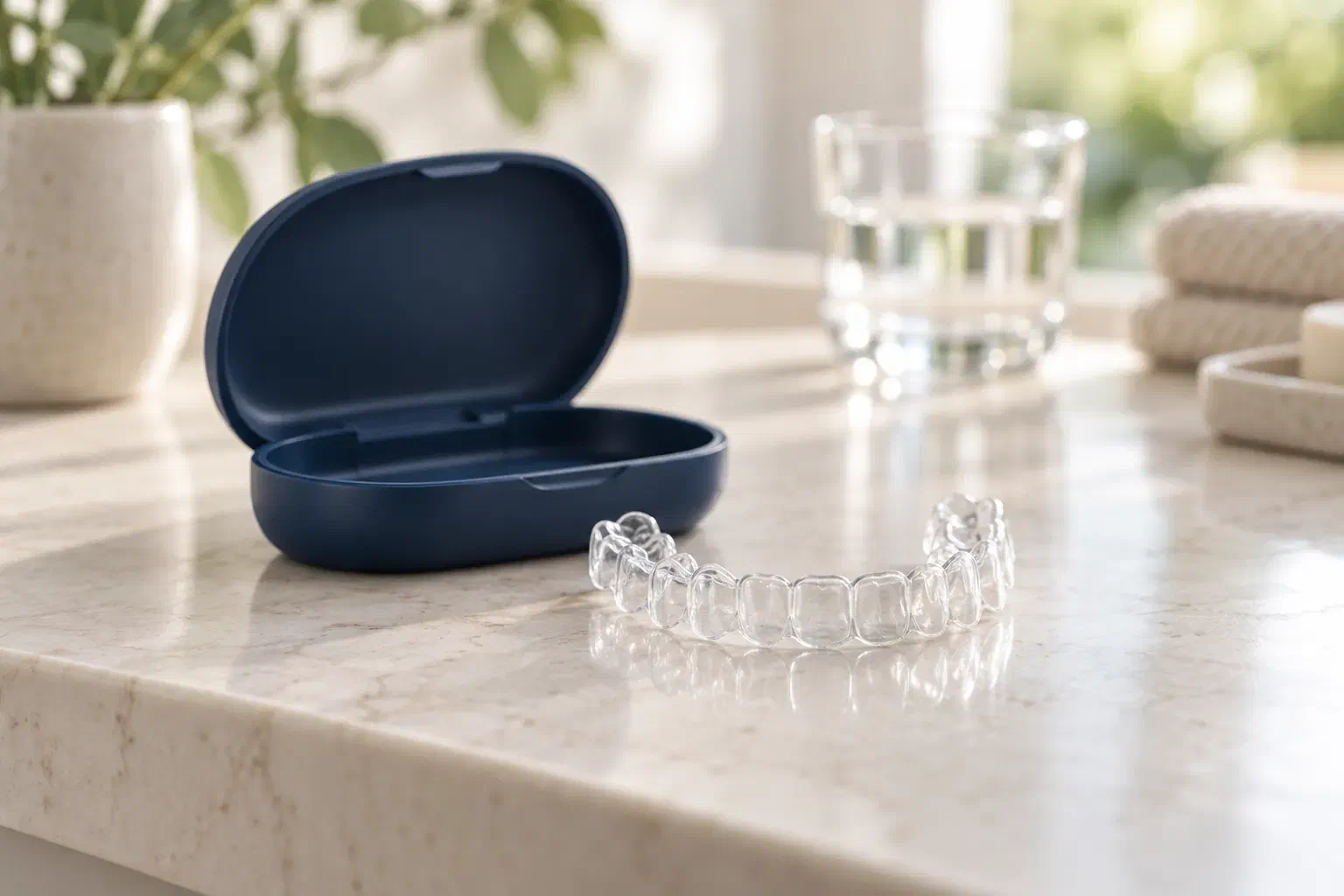
A clear aligner is small enough to fit in your hand, but choosing treatment involves much more than choosing a discreet appliance. It means agreeing on a goal, understanding how your teeth and bite will be assessed, and making room for a daily routine that continues through work, meals, travel, and evenings at home.
If you are considering clear aligners in Milton, begin with a conversation about your mouth rather than a particular brand. The right questions help you understand whether aligners suit the changes you want, what other approaches deserve consideration, and who will oversee treatment. A thoughtful decision should leave you able to explain the plan in your own words.
Describe what you want to change
People arrive at an orthodontic consultation with different priorities. You may notice crowding when cleaning between your lower front teeth, a space that has changed since earlier treatment, or a bite that feels awkward. Another person may mainly want to feel more comfortable smiling in photographs. These are useful starting points, but they do not establish the diagnosis.
Write down the two or three changes that matter most to you. Separate appearance from comfort and function so that neither gets lost in the conversation. If a tooth hurts or your gums bleed, mention that directly rather than assuming straightening will resolve it. Ask which concerns the proposed treatment addresses and which require separate dental care.
A photograph can help explain an aesthetic preference, but somebody else’s smile is not a treatment blueprint. Your clinician needs to consider your own teeth, supporting tissues, and bite. Ask what a realistic result would look like for you, including any compromises that would remain.
Understand the assessment before discussing a tray schedule
The American Association of Orthodontists’ guide to aligners explains that these appliances use a sequence of fitted trays to move teeth. Suitability varies, and some movements may be managed more predictably with braces or a combination of approaches. That is why an examination matters before deciding on an appliance.
Ask what records are needed and what each contributes. You may be shown photographs, scans, or other records appropriate to your assessment. A digital preview can help you understand a proposed direction, but ask the clinician to explain its limitations. The useful discussion is about what must happen biologically and clinically, not simply how attractive an animation appears.
Bring a current medication list and mention previous orthodontic treatment, dental injuries, crowns, implants, and any recent changes in your gums. These details help the clinician ask the right follow-up questions. If restorative treatment is also planned, ask how the different appointments should be coordinated before appliances are made.
Compare the full plan, not only the appearance
An appliance that can be removed may appeal to you, while another person prefers not having to remember repeated removal and replacement. Discuss those preferences honestly. Ask how braces, aligners, observation, or another recommended option would change the practical demands of your particular plan.
Find out whether the proposal includes both arches and how the bite will be evaluated. If you want only a small visible change, ask whether a limited approach is appropriate and what it would leave unaddressed. A shorter plan should still have a clearly explained purpose rather than relying on the assumption that the front teeth are the whole problem.
You can also ask who will provide care, which visits happen in person, and how you will reach someone between appointments. Keep the name and contact details of the treating practice with your instructions. Knowing the follow-up arrangement is especially helpful if your regular dentist and orthodontic provider are different clinicians.
Make wear time realistic before you start
Aligners commonly require around 22 hours of daily wear, although your own clinician’s prescription governs your schedule. They are removed for meals and oral hygiene. The AAO guide linked above describes this substantial daily commitment; the appliance works as part of a prescribed treatment plan, not simply whenever it is convenient to wear it.
Think through an ordinary weekday. Include breakfast, a commute, lunch, afternoon drinks, exercise, dinner, and brushing. Someone who slowly sips coffee through the morning has a different routine to plan around than someone who finishes it with breakfast. Discuss these habits before treatment so that the advice reflects how you actually live.
Ask for the daily wear target and tray-change instructions in writing. Do not shorten the prescribed interval because the next tray is available, or assume you can make up missed wear by skipping ahead. If your schedule becomes difficult, report the problem and ask how to proceed. Honest information gives the treating clinician something useful to work with.
Plan meals, drinks, and storage together
The easiest routine links removal to a predictable place for storage. Carry the protective case supplied or recommended by your provider, and use it every time. A tray wrapped in a napkin can disappear during a rushed lunch, while an uncovered appliance left on a counter is easy to overlook.
Ask exactly which drinks, if any, are permitted while wearing your specific appliance. Confirm instructions for temperature as well as staining and hygiene. Do not substitute a friend’s rules for the directions that accompany your own treatment. When eating away from home, plan where you can wash your hands and complete the recommended cleaning routine afterward.
A small kit can make the routine less awkward. Choose a case, toothbrush, and other items your clinician recommends, then keep them together in the bag you use daily. If you regularly move between a workplace and another location, consider where that kit will live so it is available when you need it.
Ask about attachments and other parts of treatment
The consultation is a good time to ask whether the proposal involves attachments, elastics, reshaping between teeth, or any other procedure. Ask the clinician to show you where each proposed addition would be and explain its purpose. Clear trays do not necessarily mean that every part of treatment will be invisible.
If a procedure changes tooth structure, discuss the reason, alternatives, and expected extent before consenting. Ask how the decision is documented and how it fits the overall plan. Do not try to file a tooth, reshape an attachment, or modify an appliance yourself. A concern about fit belongs with the clinician responsible for treatment.
For work or social events, ask what you can reasonably expect at each stage. If you have an important presentation, wedding, or trip, mention the date early. The team can explain what is feasible without making a promise that every treatment milestone will align with an external deadline.
Keep cleaning instructions specific
Request a demonstration of how to remove, clean, and replace your trays. Ask which cleaning product and water temperature are suitable for the material, and how the case should be cleaned. An unfamiliar appliance is easier to care for when you have watched the steps and practised them yourself.
Keep your usual dental checkups part of the plan. Orthodontic monitoring and routine dental care have different purposes, so clarify who is checking for decay and gum problems. Ask the team to show you how to clean around any attachments or areas that are difficult to reach.
If a method hurts, a tray develops an unusual smell, or cleaning feels consistently unmanageable, bring that concern to the next appropriate contact rather than quietly abandoning the routine. Tell the clinician what products you have used and how often. Specific details make troubleshooting more useful than simply saying that the appliance is difficult.
Know what to do when something goes wrong
Before leaving the fitting appointment, ask what discomfort is expected and what should prompt a call. Obtain instructions for a cracked tray, a lost appliance, an attachment that comes off, or a tray that no longer seats as demonstrated. Keep those instructions somewhere you can find them outside office hours.
If a problem occurs, report which tray you are wearing, when you started it, and what changed. A clear photograph may help the practice decide what to arrange, but it does not replace an examination when one is needed. Ask whether to keep wearing the current tray while waiting for advice; do not independently switch to an older or newer one.
Severe pain, significant swelling, or a new injury deserves prompt professional attention rather than being dismissed as routine tooth movement. The point of having an escalation plan is to avoid guessing. If you cannot reach the treating practice, explain the appliance and symptoms when seeking other dental care.
Review progress and costs at sensible checkpoints
Ask how progress will be assessed and what happens if actual movement differs from the original plan. Clarify whether additional scans, appointments, or trays may be recommended and how decisions about them are made. A useful review considers your bite and oral health as well as the visible alignment.
Request a written estimate that explains what is included. Discuss assessments, appliances, follow-up, possible additional stages, replacement charges, and retention. If you have insurance, confirm the specific orthodontic benefit and any limits directly with your plan; do not assume that coverage for general dental care means the same coverage for aligners.
For travel, ask how many trays to take, how to store them, and whom to contact if a problem occurs away from Milton. Confirm your next review before leaving. Planning the practical details can reduce the chance of an avoidable interruption becoming a longer gap in supervised care.
Think about retention from the beginning
Finishing the active sequence is followed by a retention plan. The AAO’s explanation of retainers describes their role in maintaining tooth positions and the need for ongoing wear as prescribed. Ask about this stage before treatment starts, including the type of retainer, follow-up arrangements, and replacement costs.
When retainers are fitted, request fresh instructions rather than assuming the aligner routine transfers unchanged. Find out whom to call if a retainer becomes loose, breaks, or stops fitting. Put follow-up reminders alongside your regular dental appointments so that retention remains part of everyday care after the excitement of finishing treatment has passed.
To begin a conversation about clear aligners in Milton, contact Milton Dental Clinic or call (905) 876-4488. Explain what you hope to change and ask about an assessment and any appropriate referral. The first useful step is a clear understanding of your options and the daily commitment each would involve.
