
A small change to a tooth can be surprisingly noticeable. You may see an uneven edge every time you look in a mirror, or feel that one narrow tooth creates a space you would prefer to reduce. Cosmetic bonding is one treatment worth discussing for certain limited changes, but the right starting point is an assessment of the tooth rather than a promise of a quick makeover.
People considering cosmetic dental bonding in Milton often want to know whether treatment can be done in one visit, whether natural tooth structure must be removed, and how the result will age. These are sensible questions. A clear consultation should explain the proposed shape, the material’s limitations, and how the repair will fit with your bite and routine care.
What the word bonding means here
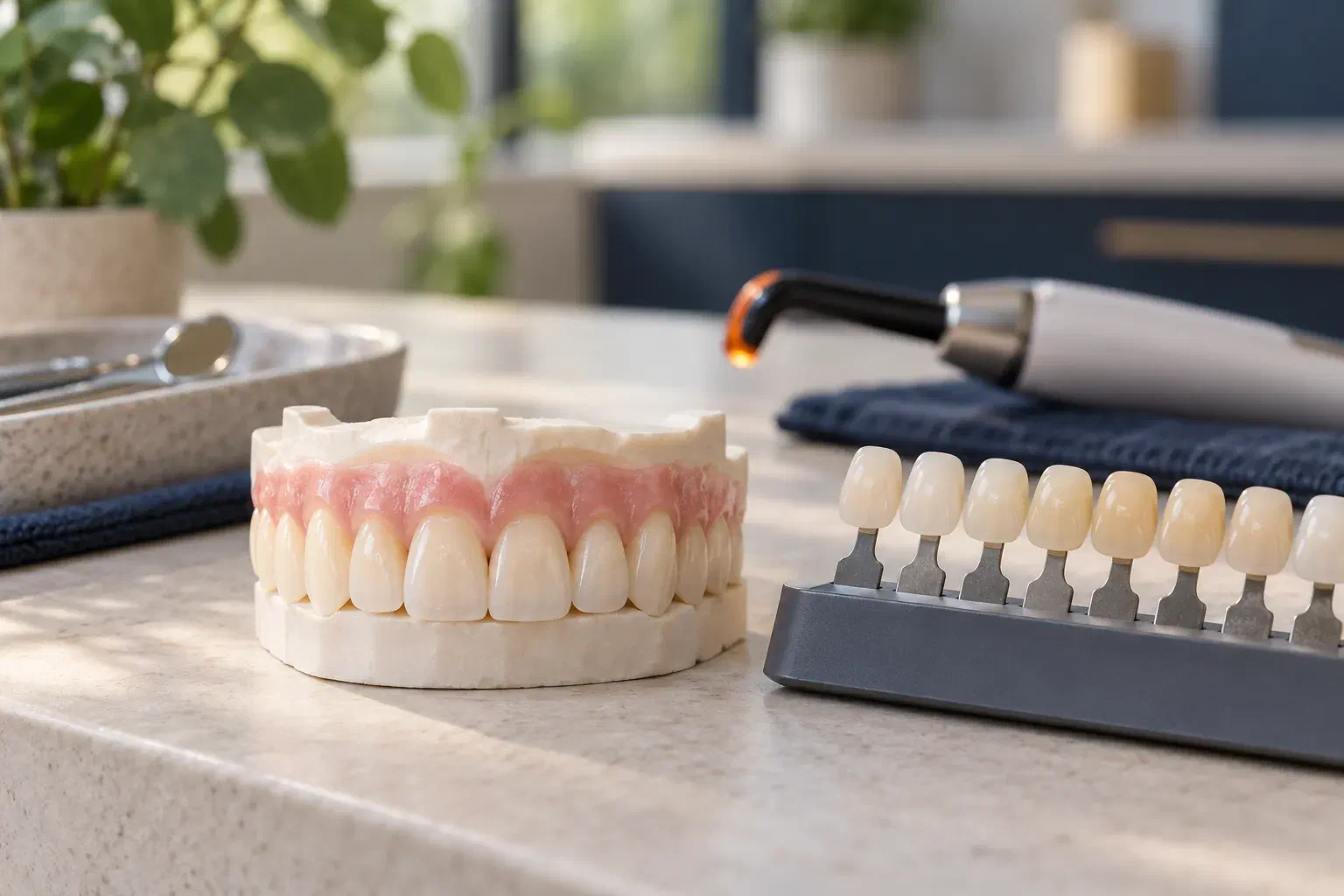
For a cosmetic repair, bonding usually involves applying tooth-coloured composite resin to a selected part of a tooth. The Canadian Dental Association describes uses such as repairing small chips, changing shape, covering certain discolouration, and closing small spaces. The material is shaped and hardened with a curing light, then finished and polished. CDA explanation of dental bonding.
The same word can appear in discussions of other dental procedures, so ask what it means in your treatment plan. A small addition to a front edge is not the same proposal as covering the entire front surface of several teeth. Confirm which teeth and surfaces are involved before comparing estimates or appointment lengths.
If your concern began after an injury, mention that when booking. The cosmetic appearance may be only one part of the assessment. Explain when the injury happened, whether the tooth has been painful, and whether the shape or colour changed afterward.
Make the desired change specific
Use a mirror to identify the exact feature you would like altered. Is the concern the length of one edge, the width of a gap, or the outline of a tooth next to it? A precise description gives the dentist something concrete to assess and reduces the chance that you are imagining different results.
Also explain what you do not want to change. You may prefer to keep the natural character of your smile or avoid treating neighbouring teeth. Ask whether your goal can be achieved within that boundary and what compromise might be necessary.
Reference photographs can help communicate a preference, but do not expect another person’s tooth proportions to transfer directly to your mouth. Ask whether the dentist can show or describe the proposed change in relation to your own teeth. The important comparison is between your current situation and a realistic plan for you.
Find out whether the problem is cosmetic
Cleveland Clinic notes that oral-health problems such as decay may need treatment before cosmetic bonding. It describes bonding as suitable for relatively small aesthetic changes rather than a universal solution for every damaged tooth. Cleveland Clinic overview of bonding.
Tell the dentist about sensitivity, discomfort when biting, a previous filling, or a repair that has failed repeatedly. These details can change the discussion. Ask whether the examination has identified a reason for the shape change and whether that reason needs attention before more material is added.
You should understand the distinction between improving appearance and managing a structural problem. If a different treatment is recommended, ask the dentist to explain the finding that makes it more appropriate. A useful answer connects the recommendation to your tooth rather than simply describing one option as stronger or better.
Ask about the bite before adding length
When you want an edge extended or a gap reduced, ask how the proposed shape will interact with the opposing teeth. The result needs to be assessed during ordinary biting and movement, not only in a still photograph of your smile.
Mention habits such as chewing pens, biting nails, or using front teeth to tear packaging. Also describe any previous chipped repairs or advice you have received about grinding. These details help the clinician explain whether the location of the bonding creates particular maintenance concerns.
If the dentist recommends a more modest change than you expected, ask why. You may find that a smaller adjustment offers a more practical balance between appearance and function. The goal is not to agree automatically, but to understand what limits the proposed design and what alternatives remain available.
Clarify preparation and reversibility
Bonding often involves little or no enamel removal, according to Cleveland Clinic, but the details depend on the treatment. Ask whether your plan includes reshaping the natural tooth, removing an old restoration, or treating decay. Those steps matter when discussing whether a change could later be reversed. Cleveland Clinic discussion of bonding and tooth preparation.
Avoid treating the phrase reversible as a promise that every procedure can be undone without consequence. Have the dentist explain what would remain if the material needed removal or replacement in your specific case. The answer should account for the tooth’s starting condition and the work proposed.
If you are undecided, ask whether there is a way to review the planned appearance before proceeding. Find out what can be adjusted during the appointment and what would involve a later visit. It is easier to make an informed choice when you know where the decision points occur.
Coordinate colour decisions
Tell the dentist if you are considering whitening or already use a whitening product. Ask how that affects the sequence of any cosmetic work and the shade selected for the resin. Do not assume that changing the colour of natural teeth later will change an existing restoration in the same way.
The American Dental Association explains that whitening does not change the colour of restorations such as fillings, crowns, or veneers. That is a reason to discuss the overall colour plan before matching a new repair. ADA information about teeth whitening.
Describe the appearance you prefer in ordinary settings rather than only in a close-up camera view. If one tooth is being treated, ask how it will blend with its neighbours. If several are involved, confirm that you and the dentist agree on the intended degree of change before treatment begins.
Know what the appointment will involve
Ask whether the first visit is for assessment, treatment, or both. Confirm how much time has been reserved and whether additional records or another procedure are needed first. Although bonding can often be completed in one visit, the number of teeth and the complexity of the change affect the plan.
The CDA describes preparing the surface, applying a bonding agent, placing and shaping resin, hardening it with a light, and polishing the result. CDA description of the bonding process. Ask which parts of that sequence apply to your tooth and whether local anaesthetic is expected for any associated work.
If long appointments are difficult, explain why in advance. You can ask about breaks, positioning, and a signal to pause. Knowing how to communicate during treatment is especially helpful when you are concentrating on an unfamiliar procedure and cannot easily speak.
Review appearance and comfort before leaving
When the dentist offers a mirror, take enough time to look at the specific feature you discussed. Ask about the edge, the transition to the natural tooth, and how the result relates to the neighbouring teeth. It is reasonable to request clarification if the appearance differs from what you expected.
Also report how the tooth feels when you close your mouth. Cleveland Clinic advises calling the dentist if a bonded tooth has a sharp edge or feels unusual when biting. Cleveland Clinic advice on follow-up.
Before you leave, find out what sensations may occur after treatment and which changes should prompt a review. If anaesthetic was used, follow the instructions about eating and avoiding injury while numb. Keep the practice’s contact details available so that a concern does not turn into several days of guessing.
Think about maintenance as part of the treatment
Composite can chip and does not resist staining as well as porcelain. Its longevity varies with the repair and oral habits, so a lifespan quoted online is not a guarantee for your tooth. Ask the dentist what maintenance is realistic for the area being treated. Cleveland Clinic discussion of bonding limitations.
Request cleaning instructions around the repair, particularly if the work changes a space you floss. If a tool catches or the area feels difficult to clean, contact the practice rather than assuming this is an unavoidable feature of the treatment. Demonstrating the problem is often more useful than describing it vaguely.
At routine visits, mention any change in texture, colour, or comfort. Ask whether the surface needs assessment before choosing a stronger whitening toothpaste or attempting a home polishing method. Household abrasives and improvised filing are not substitutes for a professional review.
Compare the full cost of your options
An estimate should identify the teeth, the scope of work, and any separate examination or preparatory treatment. Ask whether a later review or minor adjustment is included and what would count as a new repair. This makes it easier to understand what you are agreeing to.
If another option is offered, compare more than the initial price. Discuss the effect on natural tooth structure, the likely maintenance, the possibility of repair, and how well each option addresses your stated concern. You may decide that a smaller change is sufficient, or that another treatment better matches your priorities.
Check coverage with your benefits provider if applicable. Cosmetic treatment may be handled differently from a repair required because of disease or injury. The clinic can help describe the proposed work, but the plan’s terms determine reimbursement.
Bring one clear goal to the consultation
You do not need a fully designed smile plan before asking about bonding. Bring a clear description of the feature you want to change, any history of injury or previous repairs, and your questions about preparation and maintenance. That information is enough to begin a useful assessment.
To discuss cosmetic dental bonding in Milton, contact Milton Dental Clinic or call (905) 876-4488. Ask what options fit the tooth’s condition and your preferred level of change. A considered decision should leave you understanding not only what the repair may look like, but how it will be cared for and reviewed in the years ahead.
