
Food advice for teeth often arrives as a list of things to avoid. That can leave a busy family wondering what to pack for lunch, what to drink during a long shift, or whether every snack is a mistake. A more useful approach starts with the pattern of an ordinary day and finds changes that are realistic within it.
Healthier food and drink habits in Milton do not require a perfect menu or expensive specialty products. They involve understanding how repeated exposures affect teeth, making suitable choices easy to reach, and matching dental advice to your wider nutritional needs. A dental discussion should support eating well, not make meals feel like a test you can fail.
Look at frequency as well as ingredients
Tooth decay develops through a process involving bacteria, carbohydrates, and acid. Bacteria in plaque use sugars and starches to produce acids that remove minerals from enamel. Saliva and fluoride help oppose that process, but frequent exposures can shift the balance toward damage. Early mineral loss and an established cavity are not the same thing; a cavity needs professional assessment and treatment. NIDCR explanation of the tooth-decay process.
That is why a conversation about food should include how you eat and drink. Finishing a sweetened drink with a meal is a different pattern from keeping it at your desk and taking small sips throughout an afternoon. The drink’s label alone does not describe the amount of time your teeth encounter it.
Try recording one ordinary day without changing your behaviour first. Note meals, snacks, and drinks, including the coffee you refill and the food you taste while preparing dinner. The purpose is to notice opportunities, not to count every mouthful or judge yourself. A small, repeated habit may be a more useful starting point than an occasional celebration.
Give water a convenient place in the day
Canada’s Food Guide recommends water as the usual drink of choice. It suggests practical steps such as carrying a reusable bottle, having water with meals, and making it available during physical activity. These are modest changes that can reduce reliance on sweetened drinks without requiring a special dental product. Health Canada guidance on choosing water.
Think about the moment when choosing water becomes inconvenient. Perhaps the bottle is always in the wrong bag, the pitcher is empty at dinner, or the cup you like is in another room. Solving that small obstacle may be more effective than writing a broad goal to drink better.
For a family, assign the practical tasks rather than expecting the habit to appear by itself. Someone can refill the pitcher, another person can put clean bottles beside lunch containers, and older children can take responsibility for their own supplies. Adapt fluid choices and amounts to any medical advice you have received, including a prescribed fluid restriction.
Read beyond the front of a drink package
A product can look wholesome because it features fruit, vitamins, or an athletic image. That presentation does not tell you everything you need to know about sugars or acidity. Read the ingredient list and nutrition information, and consider the amount you actually drink rather than only the listed serving.
Compare products you already buy before searching for a completely new category. You might discover that you prefer an unsweetened version, a smaller serving with a meal, or plain water between meals. These are practical options to discuss, not a requirement to make every change at once.
Sugar and acid also deserve separate attention. A sugar-free drink can still be acidic. Health Canada’s food-guide newsletter specifically notes that repeated exposure to citrus water can contribute to enamel erosion. Constantly adding lemon to a refillable bottle is therefore worth mentioning if you are discussing tooth wear, even when no sugar is added. Health Canada discussion of drinks and oral health.
Plan snacks around real needs
Snacks may be necessary because of age, appetite, work schedules, pregnancy, sports, or medical treatment. Dental advice should not encourage you to ignore hunger or skip nutrition that your healthcare team has recommended. The useful question is how to make eating occasions deliberate and workable rather than having food continuously available by default.
For example, a container packed for a planned break is easier to account for than an open bag beside a computer. A child can sit down for an afternoon snack instead of carrying the same food from room to room for an extended period. These arrangements can also make it easier to notice what has actually been eaten.
Choose foods that fit the person’s nutritional requirements, allergies, age, and ability to chew safely. There is no single snack suitable for every household. If a medical condition requires frequent eating, explain that to your dentist so prevention can be adapted around it rather than creating conflicting instructions.
Build lunches you can repeat
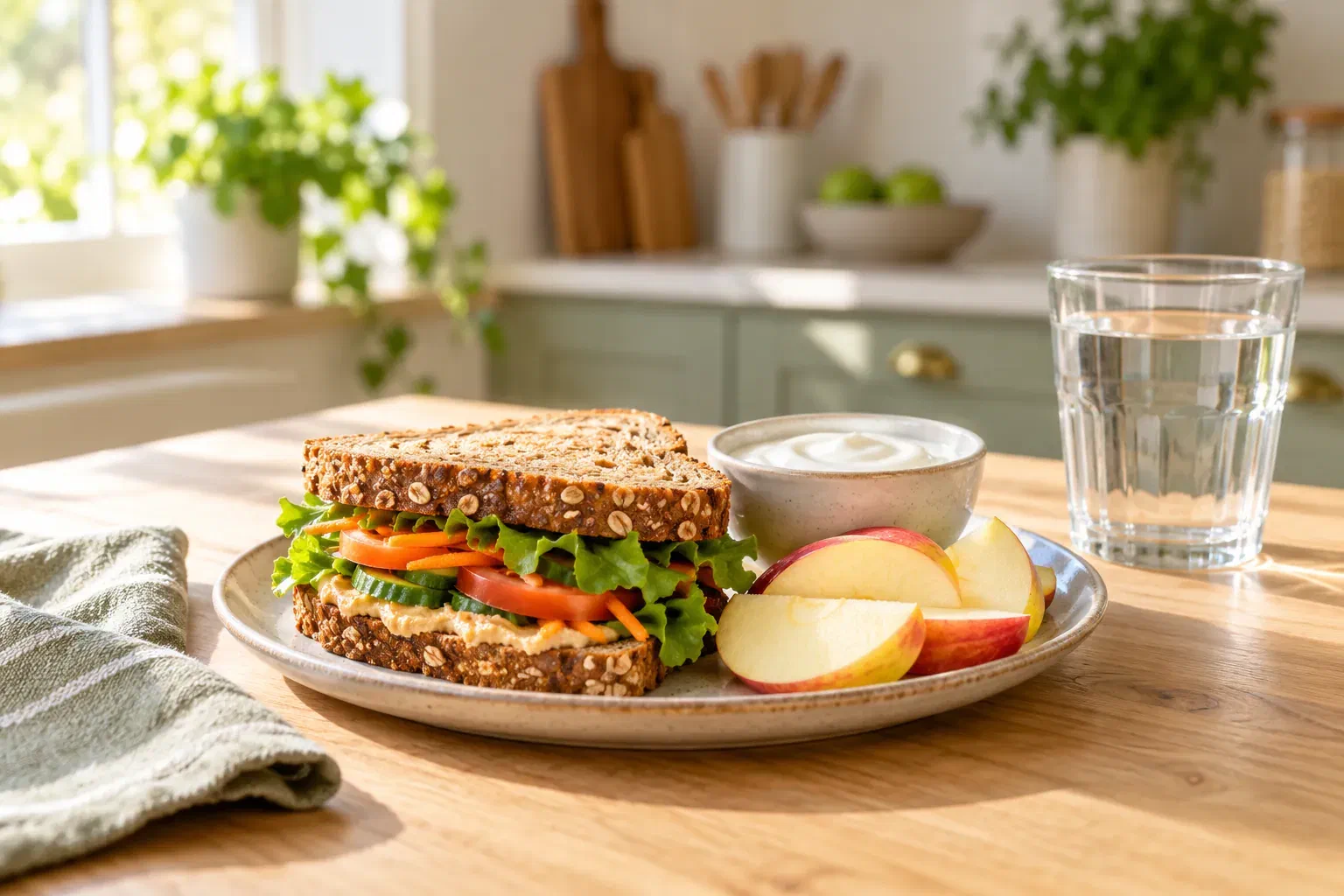
Canada’s Food Guide encourages a variety of vegetables and fruits, whole grains, and protein foods, with water as the usual drink. It also recognizes the importance of enjoying food and including cultural traditions. Those principles allow many different lunches rather than prescribing one ideal sandwich or a specific set of ingredients. Canada’s Food Guide healthy-eating recommendations.
Start with meals that are already acceptable in your household. A familiar leftover dish, a packed sandwich, or a simple combination of foods may be more sustainable than a collection of recipes that require extra shopping and preparation. Account for refrigeration, school food policies, and the time available to eat.
When a lunch repeatedly comes home untouched, ask what made it difficult. The problem may be texture, an awkward container, insufficient eating time, or a preference that has changed. A realistic revision is more helpful than assuming the child is refusing to cooperate with a dental-health plan.
Keep treats in perspective
A birthday dessert or a favourite food does not need to become a source of guilt. When discussing cavity prevention, focus on the recurring pattern around these foods. NIDCR advises limiting frequent between-meal sugary exposures and avoiding sugary food or drink after bedtime brushing. NIDCR prevention advice.
For family celebrations, it may be easier to serve the treat as part of the occasion and then return to the normal routine. Leaving sweets within reach for repeated nibbling over several days creates a different practical situation. You can decide how to store leftovers without describing food as a reward for good behaviour or a punishment for poor brushing.
Adults deserve the same balanced approach. A habit is easier to discuss honestly when the appointment does not feel like an inspection of your cupboards. Tell the dental team what you enjoy and what you are willing to change. Advice built around those details has a better chance of fitting your life.
Fit the plan around work, school, and activity
A person who works overnight may not have conventional breakfast and dinner times. A student may have only a short lunch break. A caregiver may be interrupted repeatedly while trying to eat. Describe these constraints rather than trying to make your day resemble a sample schedule that was written for someone else.
You could plan one accessible eating break, keep water where you actually work, or prepare a snack before leaving home so that your only option is not whatever is available later. The best first adjustment is often the one that removes an obstacle you encounter almost every day.
Sports drinks, energy drinks, and supplements should be discussed in the context of what you use and why. Bring the label or a photograph if you are unsure about the ingredients. For specialized athletic or medical nutrition, involve the relevant clinician or dietitian instead of replacing a prescribed plan with general advice from a dental article.
Do not use food rules to explain every cavity
If you have developed decay despite trying to eat well, the appointment should investigate the broader picture. A food record is one source of information, not a verdict. Ask what the examination shows and which prevention measures are most relevant to your situation.
Mention dry mouth, difficulty cleaning a particular area, and any change in medication or daily routine. Also explain if chewing is painful or if dental work limits the foods you can manage. Recommendations are more useful when they account for these barriers instead of assuming that knowledge alone determines your choices.
Avoid responding to a new cavity by eliminating broad food groups without nutritional guidance. The goal is to protect teeth while meeting the body’s needs. If eating has become stressful or restrictive, say so privately to a healthcare professional who can help you plan appropriate support.
Keep brushing and professional care in the picture
Food choices are one part of oral care. They do not replace cleaning or an examination when something changes. Continue your recommended brushing and interdental routine, and ask the dental team whether your current fluoride products and follow-up schedule suit your needs.
Do not assume a crunchy food, a breath-freshening sweet, or a drink marketed for wellness cleans teeth in the same way as brushing. If a product makes a striking dental claim, bring the packaging to the appointment. You can ask what the claim means, whether it applies to you, and whether it adds anything useful to your existing routine.
If a tooth is painful, broken, or newly sensitive, seek dental advice rather than trying to identify a single food responsible. Record when the symptom happens and whether it lingers. Changing the menu may make eating more comfortable temporarily, but it does not establish the cause of the problem.
Choose one change to start this week
Review your ordinary-day record and select a change that is specific enough to carry out. It could be placing water beside your work bag, finishing a sweetened drink with lunch instead of sipping it all afternoon, or preparing a planned snack before the school run. Decide what you need to buy, move, or prepare to make that change possible.
After a week, consider whether it fitted your day. If it did not, identify the practical obstacle and adjust the plan. You do not need to replace your entire diet to have a useful discussion about prevention.
For individual advice about food and drink habits for healthier teeth in Milton, contact Milton Dental Clinic or call (905) 876-4488. Bring a few examples of your usual meals and drinks, along with any dietary or medical instructions you already follow. Together, those details can support a dental-care plan that respects both your teeth and the realities of everyday eating.
