
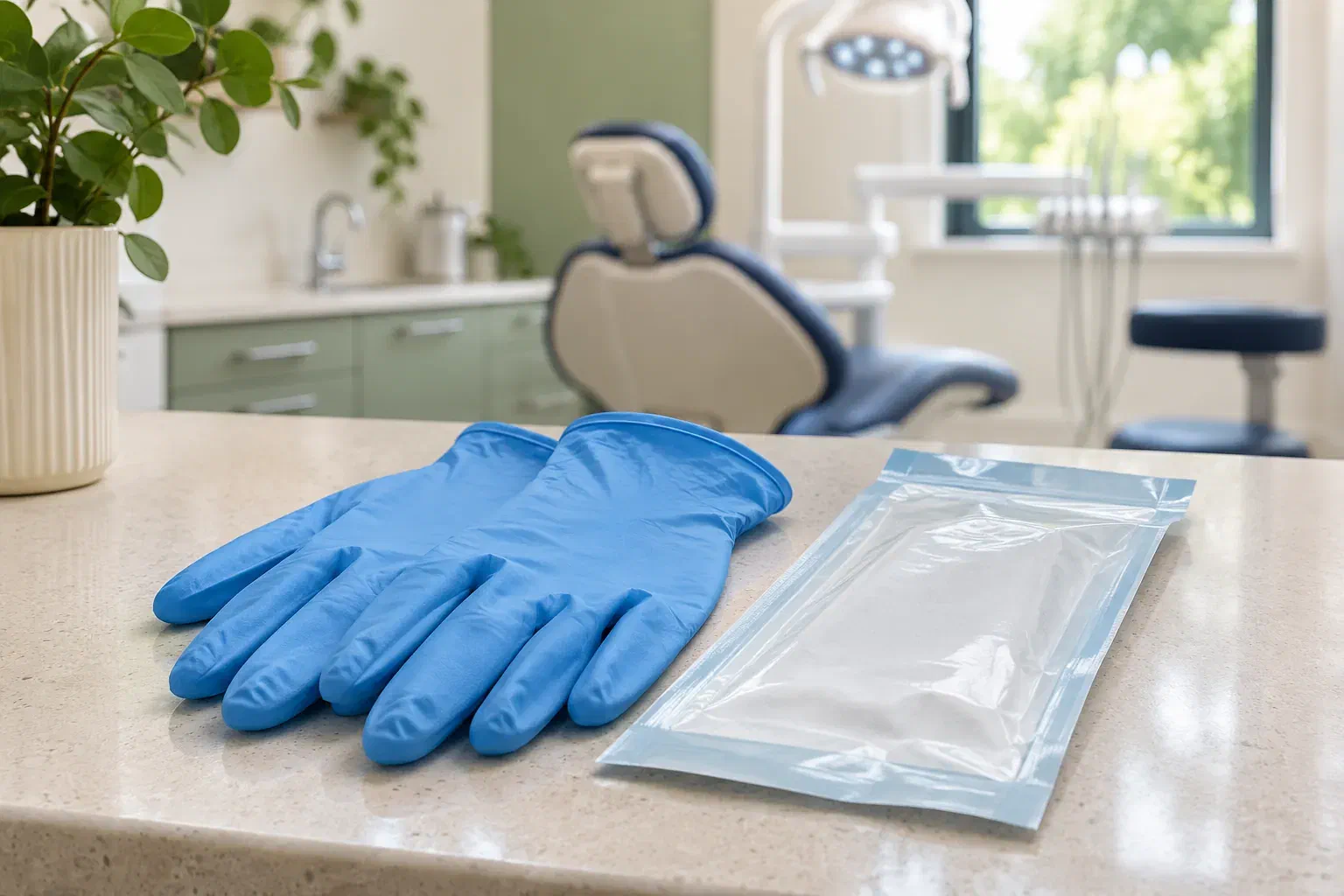
A known latex allergy is important information for a dental team before the patient arrives. Calling ahead gives the office time to review the proposed procedure, identify relevant materials, and determine how care can be arranged. Waiting until gloves are already on or a dental dam is being placed makes that planning harder.
Latex allergy and dental appointments in Milton should be discussed through a specific preparation plan rather than a general reassurance that a practice uses different gloves. Gloves are one part of the picture. The patient’s reaction history, the procedure, and other products also matter, and uncertainty should be resolved before exposure whenever possible.
State the allergy when booking
Use clear wording: “I have a diagnosed natural rubber latex allergy,” or, if appropriate, “I may have had a reaction to latex and need that reviewed before treatment.” Tell the receptionist whether a previous reaction involved breathing symptoms or emergency treatment, and ask that the clinician review the information.
The American College of Allergy, Asthma and Immunology’s latex guidance emphasizes warning healthcare providers before procedures. Early disclosure is a practical step that allows the team to prepare rather than improvise.
If you book online, include the concern through the office’s secure process and confirm directly that it has been received. An allergy note on a form should lead to a clinical plan, not simply remain among administrative details. Ask when you can expect confirmation about the appointment.
Describe what actually happened
An accurate reaction history helps distinguish a confirmed allergy from irritation or another possible cause. Write down the product or setting involved, the symptoms, how quickly they appeared, and what treatment was needed. Include the name of any clinician who assessed the reaction.
The American Dental Association’s latex resource explains that natural rubber latex proteins can cause allergic reactions and that different types of skin reactions may have different causes. A dental office should not diagnose the mechanism from a vague description alone.
Avoid minimizing a serious event because it happened years ago. Also avoid upgrading an uncertain rash into a definitive diagnosis without assessment. You can be both clear about the concern and honest about uncertainty. The team can decide whether medical or allergy-specialist clarification is needed before nonurgent treatment.
Natural rubber latex is the relevant material
The word rubber appears on many products, and appearance is not a reliable guide to their composition. The ADA resource distinguishes natural rubber latex from materials such as nitrile and vinyl that do not contain the same natural latex proteins.
Patients should not be expected to identify products by colour, texture, or packaging at the chair. A blue glove is not a complete safety assessment. The dental team needs to verify the materials it plans to use through appropriate product information.
If you have also reacted to another product, adhesive, or glove type, say so. A reaction attributed to latex may not explain every sensitivity, and a separate concern should not disappear from the record merely because a nonlatex glove is available. Describe each known allergy or reaction accurately.
Gloves are only one item to review
The Canadian Dental Association’s position on latex in dentistry recognizes latex allergy as relevant to both patients and dental personnel. The ADA also identifies several possible dental exposures beyond examination gloves, including dental dams and other equipment or components.
Ask the office to consider the actual procedure when reviewing supplies. An examination may use different materials from restorative treatment, orthodontic care, or surgery. If the procedure changes, the material plan may need another check.
This does not mean you need to arrive with a complete inventory or inspect every drawer. Your role is to disclose the history and ask whether the necessary review has occurred. The clinical team is responsible for determining what it can safely provide and whether another setting is more appropriate.
If you wear orthodontic elastics or have an appliance supplied elsewhere, include that information in the discussion. Bring the packaging for products you use at home when available. Do not assume an item is suitable simply because it was purchased from a dental supplier; the relevant material needs to be confirmed.
A suspected allergy deserves assessment, not a trial exposure
If you developed swelling, itching, a rash, or other symptoms after a previous visit, tell both your dental clinician and an appropriate medical professional. Record when the symptoms began and which products or procedures you remember. Photographs of a visible reaction may help the history, but they cannot identify the cause by themselves.
Do not test a glove, balloon, or dental product against your skin or mouth to see whether a reaction happens again. The appropriate assessment belongs with a qualified clinician. Re-exposure is not a safe way to settle uncertainty at home.
If urgent dental treatment is needed while the allergy question remains unresolved, explain both concerns when calling. The team can assess the urgency and appropriate precautions or referral. A pending allergy assessment should not lead you to ignore a painful or spreading dental infection without seeking advice.
Confirm the plan shortly before the visit
When the appointment is arranged, ask what the office needs from you and whether any preparation differs from a usual visit. If another clinician will provide treatment, confirm that they have the allergy information. A change of staff should not rely entirely on your remembering to repeat a long history.
At arrival, state the allergy again and ask the treating clinician to confirm the plan before beginning. This brief check is useful even when the record is correct. It creates a shared understanding of what has been prepared and gives you an opportunity to mention any new information.
If the team cannot confirm relevant materials, pause the discussion before exposure and ask how the uncertainty will be resolved. It is better to clarify the plan than to proceed on an assumption that the concern probably applies only to gloves.
Bring prescribed emergency medication according to your existing plan
If you have been prescribed an epinephrine auto-injector or given an allergy action plan, follow your medical clinician’s instructions and bring the medication as directed. Tell the dental team where it is and provide relevant written information.
Do not take extra antihistamines or other medicines on your own in an attempt to make exposure safe. Medication does not replace avoiding a known allergen and preparing an appropriate clinical setting. Ask your allergy clinician about any uncertainty in the plan before the appointment.
If you do not have an emergency medication prescription, this article is not an instruction to obtain or use one without medical advice. The point is to ensure the dental team understands the plan already established for you and can coordinate when clarification is needed.
Agree on how to signal a concern during treatment
It can be difficult to speak while instruments are in the mouth. Before treatment starts, agree on a hand signal for stopping and reporting symptoms. Tell the team if your previous reactions began with a particular sensation so they understand the history.
Do not try to endure new itching, swelling, throat symptoms, or breathing difficulty because you are unsure whether they are relevant. Signal promptly. The clinician can stop and assess the situation; you are not expected to determine the cause while lying in the chair.
Sudden breathing difficulty, throat swelling, collapse, or another severe reaction is a medical emergency. Call 911 in Canada and follow your prescribed emergency action plan if applicable. Do not wait for a routine callback or try to drive yourself while seriously unwell.
After the visit, report a delayed reaction clearly
If symptoms develop later, seek medical advice appropriate to their severity and notify the dental office. Explain the timing, location, and progression, and note any treatment you received. Do not assume a delayed rash proves that the dental team used latex; several possible causes may need investigation.
Ask the office to document the event and preserve relevant product details for the clinician evaluating it. A specific record can be more useful than a broad statement that you reacted to “something at the dentist.”
Avoid adding multiple new products to the affected area while trying to work out the cause. Follow medical advice and keep a concise symptom timeline. If symptoms include breathing or throat problems, treat that as urgent rather than waiting to see whether a skin reaction develops too.
Children need a plan shared by the adults involved
For a child with a known or suspected latex allergy, make sure the person bringing them knows the reaction history and current medical instructions. A grandparent or other caregiver may need written information rather than relying on a brief handover.
Explain the plan to the child in a calm, age-appropriate way. They can be encouraged to tell the team if something feels unusual without being given responsibility for checking materials or preventing a reaction themselves.
If the child has care at several dental or medical offices, keep the allergy information consistent and updated. When a diagnosis is clarified by an allergist, provide the new documentation so the record reflects the most accurate understanding rather than an older provisional label.
Keep future appointments easier to organize
Store the confirmed allergy details, clinician contacts, and any written action plan together. Update the dental team after a new reaction, testing, or a change in medical advice. Retain useful information about a successfully completed visit, while recognizing that different procedures may require different preparations.
If you need emergency dental care away from your regular office, lead with the allergy history as well as the dental symptom. Do not assume another practice has access to your existing record. A concise written summary can make communication easier when you are uncomfortable or stressed.
You can contact Milton Dental Clinic before booking to discuss a known or suspected latex allergy. The next step is confirmation of what can be accommodated for the proposed care, with accurate records and clear communication before treatment begins.
