Eating differently
Has your child started avoiding cold, sweet or chewy foods, or eating on one side? Does pain show up at night or without a clear trigger? These patterns help the dentist decide how quickly to act and where to look.


Decay can show up in a brand-new adult molar as easily as in a baby tooth. If you are coming from Burlington, we can identify which kind of tooth is affected, explain the treatment that suits it, and plan comfort and prevention with your child.
Many parents assume cavities only happen in baby teeth. In fact, the first permanent molars arrive behind the baby teeth around the early school years, often without anyone noticing, and their deep grooves can trap food. Knowing whether the decayed tooth is primary or permanent is one of the first things to clarify, because it shapes the plan.
From Burlington, families usually want a single appointment to give them answers: how big is the problem, does it need treatment soon, and what will that involve for a child who may be nervous? An examination of the actual tooth, sometimes with X-rays, is what provides those answers. Tell us about pain, eating changes and earlier visits so the plan reflects your child, not just the lesion.
Some decay can be managed without a filling; other cavities need a restoration or more. Ask what has been found, which options are realistic and what waiting could mean. Your child should be part of the conversation in a way that suits their age, and nobody should leave feeling blamed.
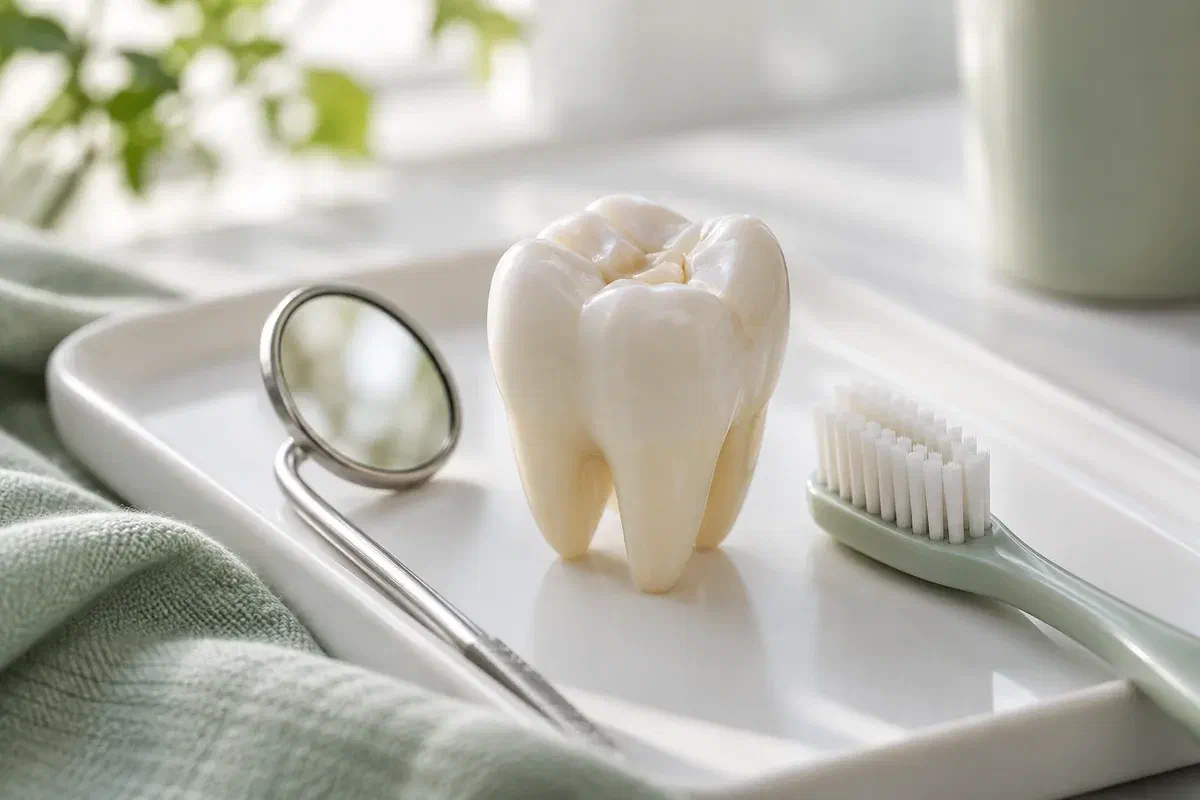
A child’s description of a sore tooth can be vague. Bring their words and your observations together, without trying to work out the tooth yourself.
Has your child started avoiding cold, sweet or chewy foods, or eating on one side? Does pain show up at night or without a clear trigger? These patterns help the dentist decide how quickly to act and where to look.
Back teeth sometimes show brown or dark lines, a small pit or a spot that traps food. Mention it and roughly when it appeared. Appearance alone cannot show how deep or active decay is; the groove has to be examined, sometimes with X-rays.
Share any experience that upset your child, sensory issues, communication preferences or health needs before treatment is planned. Let us know what has helped. That supports an approach designed for your child rather than a standard script.
Call us soon about facial swelling, fever with a dental concern, severe pain or trouble eating. Difficulty breathing or swallowing, or a child who looks seriously unwell, needs urgent medical attention.
Care may set out to halt an early lesion, rebuild damaged structure or treat decay that has reached deeper parts of the tooth. A permanent molar is meant to last a lifetime, and a baby molar can stay in use for years, so neither is a tooth to leave untreated simply because a child is young.
Even a well-placed filling cannot change the factors that led to decay. Prevention and follow-up continue after the repair. Ask how the treatment links to your home routine, and what the dentist intends to recheck later.
Patient information: AAPD — pediatric restorative dentistry
Ask why a filling, crown, preventive approach or other care is being suggested for this particular tooth. Find out how much structure is left and how long the tooth is expected to stay. Then the options can be compared with real information.
Talk through explanations, breaks and the comfort plan ahead of time. How your child copes may change whether treatment is staged or provided elsewhere. Ask what will happen if the original plan proves too much on the day.
Cover brushing help, fluoride advice and snack and drink timing without making food the enemy. Choose changes your household can keep up. Ask whether sealants or other prevention may suit the remaining grooves, and how progress will be checked.
The order and number of visits depend on the diagnosis and the agreed treatment. A referral is sometimes the better route for a child’s needs.
Your child’s mouth is examined, symptoms are reviewed and the dentist explains whether X-rays or other details are needed. Mention medical conditions, medicines, allergies and previous dental work. Ask whether the tooth is primary or permanent and what the results mean.
Discuss the recommended care, other options, their limits and what might happen without treatment. Ask how numbing and communication will work. If sedation or general anaesthesia is raised, it needs its own assessment, consent and confirmation of provider and setting.
Each step is described in words your child can follow. Depending on the findings, the dentist may seal off a small lesion, fill or cap the tooth, or treat a deeper problem. If findings change or your child needs a different pace, the plan is reviewed before going further.
Before leaving, confirm what was completed, whether anything temporary was used and what is left. Review the eating, numbness, cleaning and symptom advice for that procedure. Book the follow-up and ask which changes warrant an earlier call.
Aftercare depends on what was done and any medicines involved. Ask for specific directions, particularly if another caregiver will be with your child that evening.
Freezing can leave lips, cheeks and tongue numb for a while. Supervise closely and discourage biting or sucking those areas. Follow the advice on food and drink until normal feeling is back, and explain the sensation calmly.
Clean the tooth as instructed for the restoration, with adult help and fluoride as advised. If brushing there hurts or food keeps packing into the area, contact the clinic rather than letting the spot go unbrushed.
Ask what discomfort is expected and for how long. Call if the ache gets worse, the gum swells, the filling comes out or your child says the tooth hits first when biting. Use medicines only as directed for your child, never an adult amount.
Patient information: AAPD — local anaesthesia and postoperative instructions
Use these as a starting point. Clear answers help you and your child prepare for what comes next.
Reach our Bronte Street practice to talk about a diagnosed cavity or a change you have noticed. Let us know about pain, swelling and any support your child needs so we can arrange an appropriate assessment.
Recommendations depend on examination. Call early if pain is severe, the face or gum swells, or your child runs a fever.
