

Illustrative parent arranging dental advice beside a child
Children’s Dentistry

Children’s Dental Emergencies in Acton

A small container, some gauze and a phone number on the fridge can make a frightening moment easier. Get ready before a dental accident, and when one happens, call us to describe it so we can discuss availability and the next step.

Preparing an Acton household

A plan on the fridge, before you need it

Most families think about dental emergencies only after one happens. Taking five minutes now helps. Start the plan with the medical red flags, written at the top: trouble breathing or swallowing, bleeding that steady pressure won’t control, a serious blow to the head or face, or a child who looks seriously ill. Those mean 911 or the emergency department, not a dentist.

Below that, write our number, (905) 876-4488, for toothaches, swelling and damaged teeth without those warning signs. Anyone calling from Acton can give the child’s age and what happened, and the team will discuss availability and the next step. Add a line saying that if we can’t be reached or have no urgent opening, another emergency dental provider is the next call.

Finish with what to tell whoever answers. No diagnosis needed, just whether there was a fall, whether any tooth is missing or out of line, and whether pain, swelling or bleeding is getting worse. Remind everyone to stay with the child and leave the sore tooth alone. The first visit is an assessment; full treatment may follow.

Request a non-urgent visit
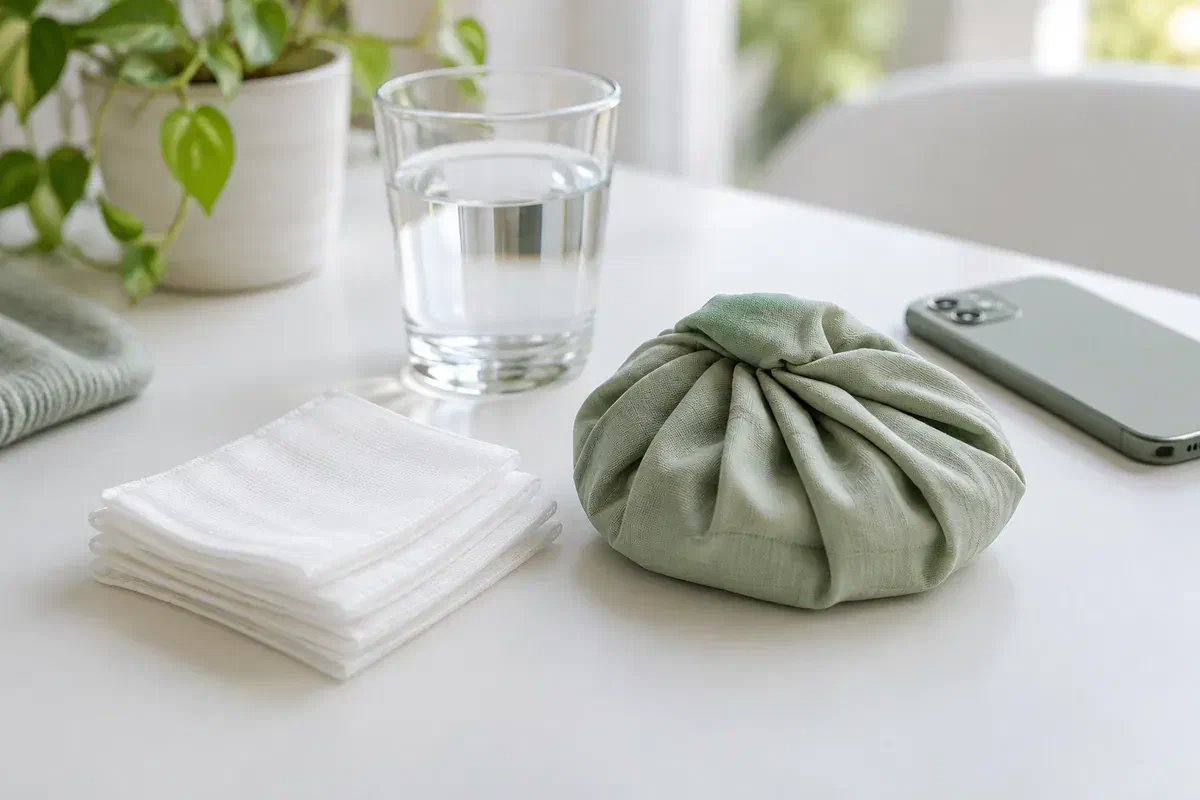
Illustrative gauze, wrapped cold compress, and phone for arranging urgent advice
Write these on the plan

Three situations worth a prompt call

Report what you can see calmly. A clear photograph or a certain answer about which tooth is involved is never a reason to delay.

A tooth knocked out or out of position

An adult tooth that comes out needs dental care immediately. A baby tooth that comes out is never put back. Note the time and keep the tooth if you find it. A tooth pushed into the gum or shifted out of line needs a prompt check too; leave it be rather than forcing it.

Toothache alongside swelling or illness

Mention swelling, fever, pain that interrupts sleep or eating, and whether your child seems sick. The location of the swelling and how fast it changes both matter. Facial swelling that spreads quickly, or difficulty swallowing or breathing, is a medical emergency.

A broken tooth or bleeding that persists

Say whether the tooth broke in an accident and whether lips or gums were hurt. Save any piece you can find safely and bring it. Heavy bleeding that continues, or concern about a more serious injury, needs urgent medical care.

Add this to the plan: email, the callback form and online booking are for non-urgent messages. Phone for urgent concerns, and for serious symptoms, dial 911 or go directly to emergency care.

What a prompt visit is for

Today’s needs first, the full plan after

An urgent visit is designed to identify the problem, take care of pressing needs where possible, and set out a plan. The first appointment may centre on examination and stabilization instead of completing everything. Ask what is known now and what still needs another look.

A phone call or a web page can’t predict the outcome for an injured tooth. The type of tooth, the injury, how long ago it happened and what the dentist finds all affect the options. Acting quickly gives the clinician the opportunity to assess and talk through choices without delay.

A clear split between dental and medical concerns

A tumble off a bike can hurt more than a tooth. If your child hit their head, passed out even briefly, threw up or just isn’t acting like themselves, say so. A doctor may need to see them first, and the dental part can be scheduled once they’re ready.

Explanations everyone can follow

Grown-ups want step-by-step instructions; children want simple, honest words. Share what your child is scared of and the way they usually signal that something hurts. Ask what today’s visit can include and what would help them feel safer.

A follow-up plan added to the fridge

A tooth that stops aching isn’t always a healed tooth. Find out the date for the next check and whether a repair, more care or a referral is still ahead. Pin those notes beside the emergency plan so sitters and relatives see them.

The steps after a call

Call. Agree. Examine. Review.

The urgency and order depend on symptoms. Don’t stop to complete a routine form when an injury is time-sensitive.

  1. Read the plan aloud as you dial

    It keeps you on track when you’re rattled. Your child’s age, the time it started, whether they fell or were struck, then swelling, bleeding, lost teeth and health conditions. Primary or permanent tooth? “I don’t know” is a perfectly good answer.

  2. Hear where your child should be seen

    The team will say what openings exist and whether a hospital or another dental office suits the situation better. Go with that guidance. Should your child take a turn for the worse before the visit, ring back and the urgency can be looked at again.

  3. The dentist takes a careful look

    Teeth, gums, lips and tongue are checked, and X-rays or other records may be discussed. Bring the kit’s story with you: what first aid you used and which medicine, if any, your child had. Ask what the dentist found and whether the injury reaches beyond one tooth.

  4. Update the fridge plan before you leave

    Write down what was done today, what it can’t fix, and any return visit or referral. Note eating, brushing and medicine advice and the symptoms worth a call. Add who to phone if trouble starts when the clinic is shut.

What to keep in the kit, and how to use it

Gauze, a cold pack, a lidded cup and milk

Direct instructions for your child always take priority. A home kit supports urgent care for a lost adult tooth or serious symptoms; it never replaces it.

Using the kit for a knocked-out adult tooth

Lift the tooth by the crown and don’t touch the root. A splash of milk or saline will clear off grit; skip any scrubbing. When it’s definitely an adult tooth and your child is calm and conscious, press it back into the socket with gentle fingers. If not, drop it into the lidded cup of milk and get dental care right away. Baby teeth stay out.

Gauze and a cold pack for minor knocks

Press gauze on a bleeding gum or lip, and if you’ve been told to, rest the cloth-wrapped cold pack against the cheek. Aspirin, superglue and pointed tools have no place near a sore tooth. A pharmacist or clinician can suggest pain medicine and the correct amount for your child’s age and weight.

Care after treatment

Follow the dentist’s instructions for brushing, food and any temporary filling or splint. Watch that numb lips aren’t chewed after freezing. Call if pain or swelling increases, something comes loose, or healing differs from what you were told.

Patient information: American Academy of Pediatrics — first aid for a knocked-out permanent tooth

Three routes on the plan

The symptoms point to the right route.

Not every emergency needs the same help. A call to us doesn’t guarantee same-day care, and serious symptoms shouldn’t wait on our availability.

Serious illness or injury

Route one: 911 or the hospital

Use it for laboured breathing, trouble swallowing, bleeding you can’t get under control, a hard knock to the head, or a child who looks gravely ill. Hospital staff should hear about any missing teeth or mouth wounds, so dental care can be lined up afterwards.

Urgent tooth and mouth problems

Route two: a dental provider who can see you

This route covers an adult tooth that’s out or out of place, a bad toothache or a swollen gum. Phone whichever office has room, and give the what and the when so they can judge how soon your child should come in.

After the immediate problem

Route three: follow-up and review

Quick fixes often lead to a final repair, more treatment or a period of watching. Find out what is left to do and by when. A cheerful child at the dinner table is lovely to see, but it doesn’t replace the review.

Acton questions about being prepared

Getting ready, just in case

Phone us for urgent advice. These answers help with preparation and can’t diagnose your child or guarantee an appointment.

(905) 876-4488
What should go in a home dental first-aid kit?
Clean gauze, a reusable cold pack and a cloth to wrap it, a small lidded container for a tooth, and a card with the clinic and emergency numbers. Milk from the fridge is the best storage for a knocked-out tooth.
Should my child’s school or daycare have our dental emergency plan?
It can help to share the key points: call 911 for serious symptoms, keep a knocked-out tooth in milk, never replant a baby tooth, and phone the parent and a dental provider promptly. Ask what their own first-aid procedures are.
Can older children learn what to do if a friend’s tooth is knocked out?
Yes, in simple terms: tell an adult straight away, pick the tooth up by the white part, keep it wet in milk if possible, and don’t put a baby tooth back. Adults should handle the rest.
If a tooth is knocked out and we have no milk, what then?
Saline is another option for keeping it moist. Avoid letting it dry, don’t scrub it, and don’t ask a young child to hold it in their mouth. Call for dental advice immediately.
Who do we call first when the clinic isn’t open?
For serious symptoms, 911. For urgent dental problems, another available emergency dental provider. Online forms and email aren’t monitored for emergencies, so don’t rely on them.
Will an urgent appointment finish all the treatment my child needs?
Not always. The first visit may focus on diagnosis and immediate care, with more treatment or a referral later. Ask what is temporary and when the next step should happen, and keep that appointment even if things improve.
Help for children in Acton

Keep our number handy. Call when something happens.

The number to write down is (905) 876-4488. When something happens during opening hours, ring and the team will talk through what’s available. If there’s no urgent space here, the plan’s next line is another emergency dental office, and serious symptoms always go to 911.

Our online request form is meant for check-ins that aren’t time-sensitive. A painful or injured tooth deserves a phone call, and a medical emergency deserves 911.

Visit Milton Dental Clinic
Unit 1, 342 Bronte St. S, Milton, ON L9T 5B7
Get directions Clinic hours
Monday–Thursday
11am–7pm
Friday–Sunday
By appointment only

Areas we serve

  • Milton
  • Oakville
  • Mississauga
  • Georgetown
  • Halton Hills
  • Acton
  • Campbellville
  • Brampton
  • Burlington
  • Puslinch
  • Rockwood
  • Erin
  • Caledon
  • Etobicoke
  • Old Milton
  • Bronte Meadows
  • Timberlea
  • Dorset Park
  • Dempsey
  • Clarke
  • Beaty
  • Coates
  • Harrison
  • Scott
  • Willmott
  • Ford
  • Bowes
  • Cobden
  • Walker
  • Mountain View
  • Milton Heights
  • Hawthorne Village
  • Valley View
  • Fallingbrook
  • Nassagaweya
  • Trafalgar
  • Esquesing
  • Nelson
  • Brookville
  • Moffat
  • Glen Williams
  • Norval
  • Limehouse
  • Stewarttown
  • Ashgrove
  • Hornby
  • Silver Creek
  • Speyside
  • Scotch Block
  • North Oakville
  • River Oaks
  • Glen Abbey
  • West Oak Trails
  • Palermo
  • Bronte Creek
  • College Park
  • Joshua Creek
  • Uptown Core
  • Preserve
  • Iroquois Ridge
  • Lisgar
  • Meadowvale
  • Meadowvale Village
  • Churchill Meadows
  • Erin Mills
  • Central Erin Mills
  • Streetsville
  • East Credit
  • Creditview
  • Heartland
  • Sheridan
  • Mount Pleasant
  • Credit Valley
  • Huttonville
  • Churchville
  • Springbrook
  • Northwest Brampton
  • Bram West
  • Fletcher's Meadow
  • Fletcher's Creek South
  • Alton Village
  • Orchard
  • Millcroft
  • Headon Forest
  • Tansley
  • Brant Hills
  • Tyandaga
  • Kilbride
  • Lowville
  • Aberfoyle
  • Morriston
  • Arkell
  • Hillsburgh
  • Freelton
  • Carlisle
  • Waterdown
  • Flamborough
  • Mountsberg

How can we help?

Milton Dental Clinic

Have a question about your smile? Choose the option that works best for you.

For urgent dental concerns, please call.
Messages are reviewed during clinic hours.