

Illustrative parent arranging dental advice beside a child
Children’s Dentistry

Children’s Dental Emergencies in Brampton

Siblings shouting, dinner on the stove, and one child holding a sore jaw. Take a breath and phone us: age, what happened, what’s getting worse. We’ll go over availability and the next step. Serious symptoms go straight to emergency care.

A calm first call from Brampton

Age. What happened. What’s getting worse.

Those three facts carry most of a first call. Before you dial anyone, though, rule out a medical emergency. A child who can’t breathe or swallow properly, is bleeding heavily without letting up, has hit their head or face hard, or looks seriously ill needs 911 or an emergency department. A dental office is the wrong first stop for that.

For a toothache, a swollen gum or a damaged tooth without those signs, contact a dental professional promptly. A parent calling from Brampton can reach our team at (905) 876-4488. Give us those three facts, and we’ll talk through availability and what makes sense next. If no one answers, or we can’t offer urgent space, go to another emergency dental clinic rather than waiting on our calendar.

Beyond that, a few extra details help: whether there was a fall or a blow, whether a tooth has gone missing or shifted, and whether bleeding, pain or swelling is building. Keep an eye on your child, keep curious siblings back, and avoid testing the tooth over and over. The first appointment is about assessment. Treatment may need more visits.

Make a non-urgent booking
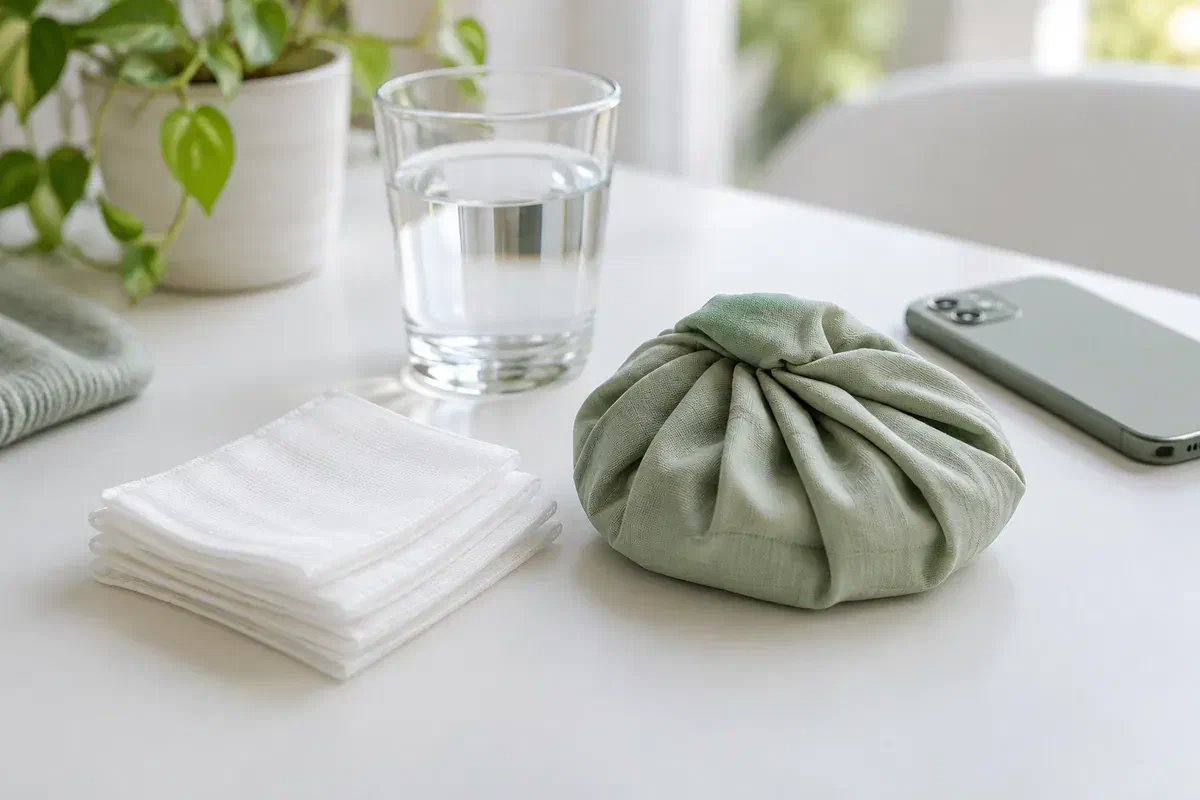
Illustrative gauze, wrapped cold compress, and phone for arranging urgent advice
The details that change the advice

Is it an injury, an infection or a break?

Share what you can see without a struggle. Never put off the call to get a better photo or to pin down exactly which tooth hurts.

Teeth knocked out of the mouth or out of place

Lost permanent teeth need immediate dental care. Lost baby teeth should never be put back. Say when the accident happened and whether the tooth has been found. A tooth pushed into the gum or out of line also needs a prompt assessment; leave it where it is.

Pain that comes with swelling or a fever

Describe any swelling, temperature, pain that is spoiling sleep or meals, and how your child is coping. The spot where the swelling sits and how fast it’s changing are important. Facial swelling that spreads rapidly, or trouble swallowing or breathing, needs emergency medical care.

A tooth that broke, or a mouth that won’t stop bleeding

Let us know if an accident caused the break and whether lips or gums were cut. If you can find a piece of tooth safely, keep it for the appointment. Heavy bleeding that continues or a worry about a bigger injury needs urgent medical help.

The website form, email inbox and callback request aren’t an emergency channel. Phone for urgent problems; for serious symptoms, 911 or the hospital is the right call.

Why urgent care is organized this way

First, find the problem. Then plan the rest.

An emergency visit is meant to identify what’s wrong, handle the most pressing needs, and lay out a plan. Frequently the first session focuses on examination and steadying the situation rather than doing every stage of treatment at once. It’s reasonable to ask what has been established and what still needs checking.

A phone description can’t promise how a damaged tooth will recover. The type of tooth, the injury, the time elapsed and what the examination finds all shape the outlook. Prompt contact lets the dentist look and talk through choices before more time is lost.

Sorting dental needs from medical ones

An accident can hurt more than the mouth. Tell the team about head impact, any loss of consciousness, vomiting or other symptoms that worry you. Medical care may take priority, with dental treatment fitted around your child’s recovery.

Guidance that works for a busy household

Parents need steps they can follow with other children in tow; the patient needs a kind, simple explanation. Mention what is frightening your child and how they show pain. Ask what will happen today and which comfort measures fit.

A follow-up plan everyone can see

Relief doesn’t always mean the problem has been solved. Get the date of the next check, and find out if a filling, further work or a specialist is still on the list. Put the instructions on the fridge so every adult at home knows them.

How the next hour usually goes

From a hurried call to a clear plan

Speed and sequence depend on the symptoms. A time-sensitive injury shouldn’t sit behind a routine registration form.

  1. Give the three key facts, then the rest

    Start with age, what happened and what’s getting worse. Then add timing, swelling, bleeding, lost teeth, pain and any medical conditions or allergies. If you’re not sure whether a tooth is a baby tooth, just say you don’t know.

  2. Agree on the right setting

    The team will tell you when your child could come in, or suggest a hospital or a different dental office if that fits better. Go with that recommendation. Should your child take a turn while you’re sorting rides and siblings, ring again with the update.

  3. Let the dentist examine

    The dentist checks the teeth, gums and lips involved and may suggest records or tests. Mention first aid already given and any medicine your child has taken. Ask how the findings explain the symptoms and whether other teeth are affected.

  4. Confirm today’s care and the next appointment

    Talk through the treatment, its limits and any later visits or referrals. Check guidance on eating, brushing, medicines and warning signs. Before heading home, ask who to contact if things change when the clinic is closed.

Around the house, before and after the visit

Gentle first aid, no shortcuts.

Instructions from your child’s dentist always come first. These notes support urgent care for a lost adult tooth or serious symptoms; they never stand in for it.

When an adult tooth is knocked out

Grip it by the crown, never the root. If it’s dirty, a quick, gentle rinse in milk or saline is enough; don’t scrub. If you’re sure it’s permanent and your child is awake, calm and willing, try to slip it back into the socket without force. Otherwise keep it in milk and see a dentist at once. Baby teeth are never replanted.

First aid you can supervise

After a small bump, a cloth-wrapped cold pack held against the cheek can ease soreness, if recommended. Don’t put aspirin, glue or sharp items on teeth or gums. Ask a pharmacist or clinician which pain reliever fits your child’s age and weight, and follow that dose.

Instructions for the days after

Once treated, follow the advice on brushing, food and any temporary filling or splint. Keep an eye on your child while their lip or cheek is still frozen. Call if pain or swelling grows, a repair comes loose or healing isn’t matching what was explained.

Patient information: American Academy of Pediatrics — first aid for a knocked-out permanent tooth

Choosing a starting point

Begin where the symptoms send you.

Each type of emergency calls for different resources. A call to us isn’t a guarantee of a same-day slot, and serious symptoms shouldn’t wait for our schedule.

Serious illness or injury

Emergency medical services

Breathing or swallowing problems, heavy bleeding that won’t stop, a significant head injury or a child who is clearly very unwell needs emergency medical care. Let the hospital team know about any lost teeth or mouth injury, since dental follow-up may still be needed.

Urgent tooth and mouth problems

A dental visit without delay

An adult tooth knocked out or pushed out of place, significant pain or dental swelling should be seen quickly by a dental office that can take you. Explain symptoms and timing so urgency is understood, instead of accepting the next routine opening.

After the emergency is under control

Finishing treatment and checking progress

Short-term care may need to be followed by a final repair, further treatment or monitoring. Ask what is still to come and when. A quieter tooth and a happier child are encouraging, but they don’t cancel the follow-up.

Brampton parents’ questions

What to do, what to say, what to bring

For urgent advice, call us. These answers help you prepare but can’t diagnose your child or guarantee an appointment.

(905) 876-4488
Can I bring my other children to my child’s urgent dental visit?
Ask when you call. Sometimes it can’t be avoided, and the team can let you know what works in the treatment room. If another adult can mind siblings, it often helps you focus on the child being seen.
My child has a medical condition. What should I mention on the phone?
Mention any heart, bleeding, immune or other significant condition, allergies, and current medicines. These can affect what care is safe and where it should happen. Bring a medication list or the containers if you can.
My child won’t let me look inside their mouth. What now?
Don’t force it. Describe what you can see from outside, such as swelling, bleeding or a gap, and how they’re acting. Call for advice, and get emergency medical care if there are breathing, swallowing, bleeding or head-injury concerns.
What if my child swallowed the tooth that came out?
Tell the dental team, and if it’s a permanent tooth, still arrange prompt assessment of the socket. If your child is coughing hard, wheezing or struggling to breathe, call 911, as the tooth may have been inhaled.
Does a baby tooth that gets knocked out need any care at all?
It shouldn’t be put back, but the area still deserves a prompt dental check. The dentist looks at the gum, nearby teeth and other tissues and explains what to watch for as the adult tooth develops.
If my child is comfortable after pain medicine, can we skip the visit?
No. Medicine can mask a problem without fixing it. Keep any assessment you were advised to have, especially after an injury or if there was swelling, and report any changes.
Help for kids coming from Brampton

Pick up the phone. We’ll plan it together.

Ring (905) 876-4488 about your child’s dental pain or injury, and the team will go over what’s open during clinic hours. When we can’t see your child urgently, contact another emergency dental office. Emergency medical services handle serious symptoms.

Save the online request form for check-ins that aren’t pressing. A sudden dental problem is a phone call, and a serious medical one is 911.

Visit Milton Dental Clinic
Unit 1, 342 Bronte St. S, Milton, ON L9T 5B7
Get directions Clinic hours
Monday–Thursday
11am–7pm
Friday–Sunday
By appointment only

Areas we serve

  • Milton
  • Oakville
  • Mississauga
  • Georgetown
  • Halton Hills
  • Acton
  • Campbellville
  • Brampton
  • Burlington
  • Puslinch
  • Rockwood
  • Erin
  • Caledon
  • Etobicoke
  • Old Milton
  • Bronte Meadows
  • Timberlea
  • Dorset Park
  • Dempsey
  • Clarke
  • Beaty
  • Coates
  • Harrison
  • Scott
  • Willmott
  • Ford
  • Bowes
  • Cobden
  • Walker
  • Mountain View
  • Milton Heights
  • Hawthorne Village
  • Valley View
  • Fallingbrook
  • Nassagaweya
  • Trafalgar
  • Esquesing
  • Nelson
  • Brookville
  • Moffat
  • Glen Williams
  • Norval
  • Limehouse
  • Stewarttown
  • Ashgrove
  • Hornby
  • Silver Creek
  • Speyside
  • Scotch Block
  • North Oakville
  • River Oaks
  • Glen Abbey
  • West Oak Trails
  • Palermo
  • Bronte Creek
  • College Park
  • Joshua Creek
  • Uptown Core
  • Preserve
  • Iroquois Ridge
  • Lisgar
  • Meadowvale
  • Meadowvale Village
  • Churchill Meadows
  • Erin Mills
  • Central Erin Mills
  • Streetsville
  • East Credit
  • Creditview
  • Heartland
  • Sheridan
  • Mount Pleasant
  • Credit Valley
  • Huttonville
  • Churchville
  • Springbrook
  • Northwest Brampton
  • Bram West
  • Fletcher's Meadow
  • Fletcher's Creek South
  • Alton Village
  • Orchard
  • Millcroft
  • Headon Forest
  • Tansley
  • Brant Hills
  • Tyandaga
  • Kilbride
  • Lowville
  • Aberfoyle
  • Morriston
  • Arkell
  • Hillsburgh
  • Freelton
  • Carlisle
  • Waterdown
  • Flamborough
  • Mountsberg

How can we help?

Milton Dental Clinic

Have a question about your smile? Choose the option that works best for you.

For urgent dental concerns, please call.
Messages are reviewed during clinic hours.