Illustrative parent arranging dental advice beside a child
Children’s Dentistry

Children’s Dental Emergencies in Caledon

After a fall, a tooth can look shorter, longer, tipped back or just wobbly. Every one of those deserves a prompt look, and none should be pushed into place at home. Call us with what you see so we can discuss availability and timing.

Moved teeth, from Bolton to the rest of Caledon

Pushed up, pushed out, or just wobbly?

Teeth don’t only get knocked out. A hard landing can drive one up into the gum, tip it backwards, pull it partway out, or leave it loose in its socket. Before studying the smile, though, check the whole child. Gasping or struggling to swallow, bleeding that soaks through cloth, a heavy blow to the head, or a child who turns pale, drowsy or very sick means dialling 911 or heading to emergency care.

When it really is just the mouth, the tooth still needs a dental professional soon. For households in Caledon, our number is (905) 876-4488. Tell the team how old your child is and what the tooth looks like now, and we’ll explain availability and the sensible next step. If we can’t answer or have no urgent space, phone another emergency dental office instead.

Don’t worry about naming the injury. Just say how the accident happened, whether the tooth looks longer, shorter, crooked or missing, and whether bleeding, pain or swelling is building. Stay beside your child, and don’t press, wiggle or try to line the tooth back up. The first appointment is to assess it, and treatment may unfold over several visits.


Request a non-urgent review
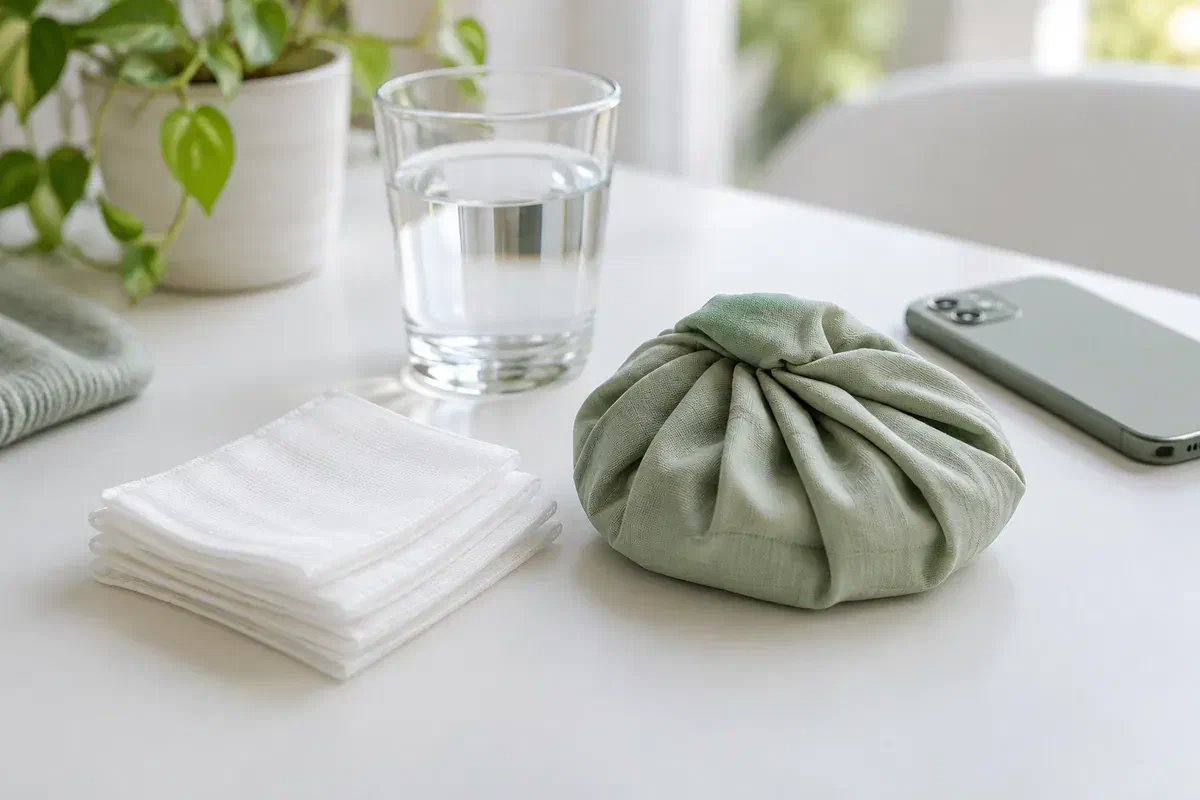
Illustrative gauze, wrapped cold compress, and phone for arranging urgent advice
Reading what you can see

Clues that something has shifted

Look gently, from the front, without prising the mouth open. A detailed picture or certainty about which tooth moved is never worth holding up the call.

Moved, missing or out of line

A tooth sitting higher, lower or angled differently has probably been displaced and should be seen promptly; please don’t push it. If a permanent tooth is completely out, get dental care at once. A baby tooth that’s out stays out. Note the time and whether you found the tooth.

Soreness that turns into swelling or fever

Hours or days after a knock, a moved tooth can become painful or the gum may swell. Report the swelling, any temperature, trouble eating or sleeping, and your child’s general mood. If the face swells fast or swallowing and breathing become difficult, that is an emergency-department problem.

A chipped edge, a cut gum or bleeding that lingers

A displaced tooth often comes with a chip or a torn gum. Tell us about both, and keep any fragment you can find without fuss. Bleeding that steady pressure can’t stop, or a sense that the injury is more than dental, needs urgent medical help.

Our callback form, online booking and email are for routine matters, not for an injury that just happened. Ring us for urgent concerns, and phone 911 or go straight to emergency care when symptoms are serious.

What happens at the first assessment

Find the position. Protect the root. Plan the rest.

When a tooth has moved, the dentist’s first task is to work out how far, which tissues are affected, and what needs doing straight away. That might mean gently guiding it into place and supporting it, or simply monitoring it, depending on the tooth and injury. Treatment may be staged, so ask which parts are done and which are still to come.

From a description alone, no one can say how a shifted tooth will settle. Baby or permanent, the direction it moved, how long ago it happened and the exam results all influence the outlook. Coming in without delay lets the dentist weigh the options while they’re widest.

Checking for injuries beyond the teeth

A blow strong enough to move a tooth can affect the head too. Say if your child lost consciousness, vomited, is unusually drowsy or seems confused. They may need a doctor first, and dental care can be planned once they’re well.

Plain explanations for the whole family

You need to know what to do at home; your child needs to know why the tooth feels strange. Tell the dentist what frightens your child and how they show pain. Ask what will happen today and what might make it easier.

Reviews that track how the tooth settles

Displaced teeth are often watched over weeks or months, since changes can appear later. Ask for the review dates and whether a splint, repair or referral is part of the plan. Keep that schedule where every caregiver can see it.

From the fall to the follow-up

What to expect once you’ve called

The order depends on the injury. A tooth that has moved or come out is time-sensitive, so don’t wait on a routine form.

  1. Describe the tooth’s new position

    Give your child’s age, when and how they fell, and whether the tooth looks pushed in, pushed out, tipped, loose or missing. Mention bleeding, swelling, pain and medical conditions. If you’re unsure whether it’s a baby tooth, say so.

  2. Settle on the right place

    The team will explain what is open and whether a hospital or another dental office would be better for your child’s symptoms. Follow their lead. If new symptoms appear while you’re getting ready, phone again before setting out.

  3. Assessment and records

    The dentist examines the moved tooth, its neighbours and the gum, and may suggest X-rays to see the root and bone. Share any first aid and medicine given. Ask how far the tooth moved and whether others were affected.

  4. Care today and a review schedule

    Talk through what was done, whether a splint was placed, what it can’t yet guarantee, and when to return. Confirm guidance on soft food, cleaning, medicine and warning signs. Ask who to contact if the tooth changes after hours.

Hands-off first aid, then careful home care

Leave the tooth where it is, and keep things gentle.

Your child’s dentist gives the instructions that matter most. This advice never replaces prompt care for a moved or knocked-out adult tooth or serious symptoms.

If a permanent tooth comes all the way out

Touch only the crown, not the root. Clear off dirt with a gentle rinse of milk or saline and no scrubbing. If it’s plainly permanent, and the child is conscious and can sit still, set it back softly into the socket. If you can’t, keep it in milk and go for dental care immediately. Don’t replant a baby tooth.

First aid for a tooth that has only moved

Don’t push, pull or wiggle it. Press clean gauze to bleeding gums, and hold a cloth-wrapped cold pack on the cheek if advised. Keep aspirin, glue and sharp objects out of the mouth. Ask a pharmacist or clinician which pain reliever to use and how much, given your child’s age and weight.

Looking after a splinted or repositioned tooth

Follow the dentist’s advice on soft food, gentle brushing and any splint. Supervise your child while freezing wears off. Call if the tooth loosens or shifts again, pain or swelling grows, the splint breaks, or healing differs from what was explained.

Patient information: American Academy of Pediatrics — first aid for a knocked-out permanent tooth

Choosing the first destination

Serious symptoms first. Teeth right after.

No single service fits every emergency. Phoning us won’t guarantee a slot today, and serious symptoms should go elsewhere without waiting.

When the injury is bigger than the mouth

Emergency medical care

Breathing or swallowing problems, heavy bleeding that won’t ease, signs of a head injury or a child who seems gravely ill point to the emergency department. Mention the moved or missing tooth there, so dental care can follow.

A tooth moved, loosened or knocked out

Prompt dental care

Displaced teeth, a knocked-out adult tooth, strong pain or swelling need timely attention from a dental office that can take your child. Describe the tooth’s position and when it happened so they understand the urgency.

After it’s been stabilized

Monitoring as the tooth settles

Splints come off, repairs get finalized and X-rays may be repeated. Ask what remains and on what schedule. A tooth that feels normal again is encouraging, but it doesn’t replace the planned reviews.

Questions about moved teeth, from Caledon

When the tooth isn’t where it should be

If it’s urgent, phone us. These answers help you prepare but can’t diagnose your child or secure a time slot.

(905) 876-4488
My child’s front tooth looks shorter after a fall. What happened?
It may have been pushed up into the gum. Don’t try to pull it down. Arrange a prompt dental assessment and describe what you see. Seek emergency care first if there are head-injury or breathing concerns.
The tooth is tipped backwards and my child can’t close their mouth properly. Is that urgent?
Yes, call for prompt dental care. A tooth knocked out of line can stop the teeth meeting normally. Don’t force it back. Offer nothing hard to eat and keep your child comfortable until they are seen.
Will a pushed-in baby tooth come back down by itself?
Sometimes the dentist will monitor a baby tooth that was pushed in, but that decision depends on an examination and X-rays, partly to check the adult tooth developing beneath. Please don’t wait without advice.
How long might a splint stay on a repositioned tooth?
It varies with the injury and the tooth. The dentist will explain the expected timeline, how to clean around it, and what to do if it loosens early.
Do loose teeth after an accident always need treatment?
Not always, but they need assessment. Some slightly loosened teeth are monitored with soft food and careful cleaning, while others need support. Only an examination can tell which applies.
If the tooth stops hurting, can we skip the follow-up X-rays?
It’s best not to. Some changes after a tooth moves, such as problems with the root or nerve, only show over time. Keep the review appointments and report any new pain, swelling or colour change.
Help for kids in Caledon

Tell us where the tooth is now.

Ring (905) 876-4488 while we’re open to describe your child’s injury, and the team will explain what’s available. If we can’t see your child urgently, another emergency dental office is the next call. Any serious symptom belongs with 911 or the emergency department.

Use the online form for planned reviews only. A moved or knocked-out tooth is a phone call, and serious symptoms are a 911 call.

Visit Milton Dental Clinic
Unit 1, 342 Bronte St. S, Milton, ON L9T 5B7
Get directions Clinic hours
Monday–Thursday
11am–7pm
Friday–Sunday
By appointment only

Areas we serve

  • Milton
  • Oakville
  • Mississauga
  • Georgetown
  • Halton Hills
  • Acton
  • Campbellville
  • Brampton
  • Burlington
  • Puslinch
  • Rockwood
  • Erin
  • Caledon
  • Etobicoke
  • Old Milton
  • Bronte Meadows
  • Timberlea
  • Dorset Park
  • Dempsey
  • Clarke
  • Beaty
  • Coates
  • Harrison
  • Scott
  • Willmott
  • Ford
  • Bowes
  • Cobden
  • Walker
  • Mountain View
  • Milton Heights
  • Hawthorne Village
  • Valley View
  • Fallingbrook
  • Nassagaweya
  • Trafalgar
  • Esquesing
  • Nelson
  • Brookville
  • Moffat
  • Glen Williams
  • Norval
  • Limehouse
  • Stewarttown
  • Ashgrove
  • Hornby
  • Silver Creek
  • Speyside
  • Scotch Block
  • North Oakville
  • River Oaks
  • Glen Abbey
  • West Oak Trails
  • Palermo
  • Bronte Creek
  • College Park
  • Joshua Creek
  • Uptown Core
  • Preserve
  • Iroquois Ridge
  • Lisgar
  • Meadowvale
  • Meadowvale Village
  • Churchill Meadows
  • Erin Mills
  • Central Erin Mills
  • Streetsville
  • East Credit
  • Creditview
  • Heartland
  • Sheridan
  • Mount Pleasant
  • Credit Valley
  • Huttonville
  • Churchville
  • Springbrook
  • Northwest Brampton
  • Bram West
  • Fletcher's Meadow
  • Fletcher's Creek South
  • Alton Village
  • Orchard
  • Millcroft
  • Headon Forest
  • Tansley
  • Brant Hills
  • Tyandaga
  • Kilbride
  • Lowville
  • Aberfoyle
  • Morriston
  • Arkell
  • Hillsburgh
  • Freelton
  • Carlisle
  • Waterdown
  • Flamborough
  • Mountsberg

How can we help?

Milton Dental Clinic

Have a question about your smile? Choose the option that works best for you.

For urgent dental concerns, please call.
Messages are reviewed during clinic hours.