Illustrative parent arranging dental advice beside a child
Children’s Dentistry

Children’s Dental Emergencies in Campbellville

A fall from a swing in the yard or a tumble on a trail, far from the kitchen and the milk jug. Here is how to protect your child and the tooth until you can call us, and when the hospital has to come before any dentist.

Outdoor accidents around Campbellville

Far from the house, with a tooth in your palm

Kids in the country spend hours outside, and that’s where many mouth injuries happen. Before you worry about the tooth, look at the child. Laboured breathing, trouble swallowing, bleeding that pressure won’t stem, a hard knock to the head or face, or a child who is drowsy, confused or plainly ill means 911 or the nearest emergency department. Leave the dental part until later.

If your child is alert and the trouble is confined to teeth, gums or a sore jaw, a dental professional should still hear about it soon. From Campbellville, you can phone our Bronte Street practice on (905) 876-4488. Mention your child’s age and how the accident happened, and the team will explain what’s available. When we can’t be reached or are full, try another emergency dental office.

Diagnosing it isn’t your task. Note whether they fell, what they hit, whether a tooth has vanished or sits crooked, and whether the bleeding, ache or puffiness is getting worse. Carry or walk them back calmly, and try not to let them probe the gap with their tongue. Expect the first appointment to be about finding out; repairs can follow.


Plan a non-urgent appointment
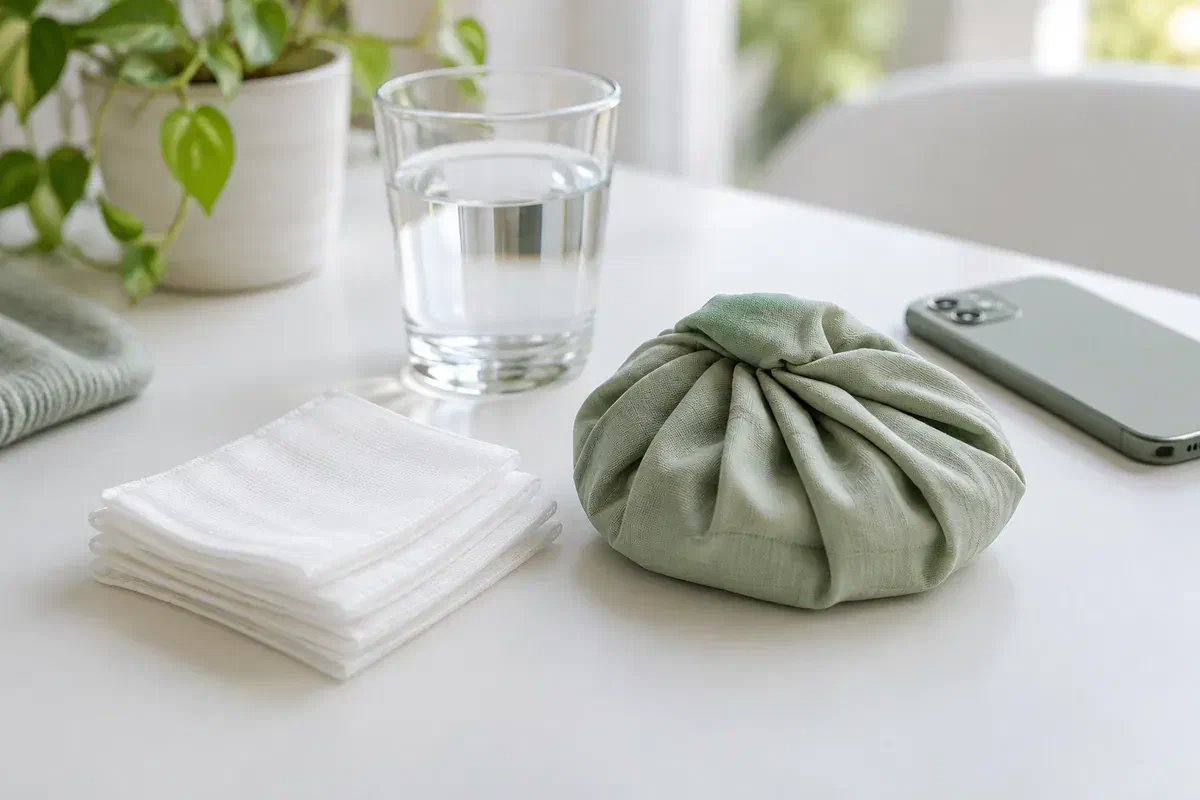
Illustrative gauze, wrapped cold compress, and phone for arranging urgent advice
What to look for before you head in

Lost, cracked or swollen

Look only as far as your child lets you. It isn’t worth holding up the call to take a picture or to settle which tooth took the hit.

A tooth missing or sitting at an odd angle

Search briefly for an adult tooth that has come out, because it needs a dentist straight away. A baby tooth is never pushed back in. Remember the time of the fall. A tooth jammed upward or knocked sideways also needs a quick assessment, and you shouldn’t try to straighten it.

A swollen face, a fever or a child who seems off

Sometimes it isn’t an accident at all but a tooth that has been brewing trouble. Note any swelling, a temperature, broken sleep, refusing food, or listlessness, plus where the swelling sits and how fast it’s spreading. Swelling that races across the face, or difficulty swallowing or breathing, is a hospital matter.

A chipped tooth, a split lip or steady bleeding

Note whether the tooth broke in the fall and whether the lip, tongue or gum is cut. Pocket any tooth piece you spot easily, in something clean. Bleeding that soaks through gauze despite pressure, or a sense that the injury is bigger than it looks, needs urgent medical help.

Online forms, email and callback requests won’t reach anyone quickly enough for an injury. Phone a dental office for urgent problems, and dial 911 or make for emergency care when symptoms are serious.

Making the trip count

Learn what can’t wait, and what can be booked later.

A prompt visit exists to pin down what’s been damaged, deal with anything pressing, and lay out what comes next. On that first day, the dentist may focus on examining and securing the area rather than finishing every repair. For a rural household, it’s worth asking which later appointments are essential and how they can be grouped.

No one can promise, from a phone description, how a hurt tooth will recover. That depends on the tooth, the force involved, how long it’s been, and what the exam reveals. Acting without delay simply gives the dentist the widest set of choices to discuss with you.

Spotting when it’s more than a dental injury

Landing hard from a height can hurt the head and neck too. Tell the team if your child blacked out, threw up, is unusually sleepy or seems confused. They may need a doctor first, and the dental side can be fitted in afterwards.

Guidance that makes sense to a young patient

You’ll want clear, practical steps; your child will want to know if it will hurt. Tell the dentist what frightens them and how they usually show pain. Ask what will be done today and what might help them stay settled.

A review schedule that suits country life

Even a tooth that feels fine may need watching. Ask when it should be rechecked, whether a repair or referral is still ahead, and whether a sibling’s checkup could share the trip. Keep the instructions with the car keys.

From the yard to the dental chair

What usually happens, in four parts

The pace is set by the symptoms. For a time-sensitive injury, don’t lose minutes on paperwork that can be done later.

  1. Ring with the key facts

    Your child’s age, the time of the accident, what they fell from or onto, and whether a tooth is gone, loose or broken. Add swelling, bleeding and any medical conditions. If you can’t say whether it’s a baby tooth, that’s fine.

  2. Hear the advice before you set off

    The team will say whether there’s room to see your child and whether a hospital or other dental office would be wiser. Follow that steer. If your child gets worse once you’re on the road, change course for the closest emergency help.

  3. A careful examination

    The dentist looks at the injured teeth, gums and lips, and may recommend X-rays or other records. Say what first aid happened outdoors and what medicine, if any, was given. Ask what the findings mean for the tooth and its neighbours.

  4. A plan you can carry home

    Go over what was done, what it won’t solve yet, and any return visits or referrals. Check the advice on meals, brushing, pain relief and warning signs. Before you leave, ask who to phone if something changes overnight.

Field first aid, then home care

Protect the tooth. Don’t improvise remedies.

The dentist’s own instructions for your child come first. This advice is a bridge to urgent care for a lost adult tooth or serious symptoms, never a replacement.

Saving an adult tooth when you’re outdoors

Lift it by the crown, the shiny part, and keep fingers off the root. Don’t scrub off soil; a gentle rinse with milk or saline is best once you have some. If it’s certainly an adult tooth and your child is awake and steady, slide it softly back into its socket. Otherwise get it into milk as soon as you can and head for dental care. Never put a baby tooth back.

Comfort with what you have

A cold drink can or ice pack wrapped in a cloth, held to the outside of the cheek, can ease a minor knock if that’s been advised. Never press aspirin, glue or anything sharp onto a tooth or gum. Check with a pharmacist or clinician about a pain reliever and the dose for your child’s age and weight.

The days after treatment

Follow what the dentist told you about brushing, food and any splint or temporary filling. While freezing wears off, keep an eye out for chewed lips or cheeks. Phone if pain or swelling climbs, something comes loose, or healing doesn’t look the way it was described.

Patient information: American Academy of Pediatrics — first aid for a knocked-out permanent tooth

Where the first stop should be

Let the worst symptom decide.

A single phone number can’t cover every emergency. Calling us won’t lock in a same-day visit, and serious symptoms shouldn’t wait to find out.

Head, breathing, bleeding or a very sick child

Ambulance or emergency department

Struggling to breathe or swallow, bleeding you can’t control, a serious head injury or a child who seems gravely unwell all point here first. Mention the mouth injury and any lost tooth to the medical staff, so a dentist can be involved later.

Teeth out, shifted, broken or very sore

A dental office with room today

An adult tooth knocked out or moved, a bad toothache or a swollen gum should be seen promptly. Phone a dental office that can fit your child in, and give the timing and details so the urgency comes across.

Once the emergency is behind you

Return visits and monitoring

A splint or temporary patch often leads to a final repair, more care or a period of watching. Ask what’s left and when. A child back outside playing is the best sign, but keep the follow-up anyway.

Questions from rural households near Campbellville

When it happens outside

For urgent advice, phone us. These answers help you get ready but can’t diagnose your child or promise an appointment time.

(905) 876-4488
We’re outside with no milk nearby. How do I keep a knocked-out tooth safe?
Hold it by the crown, don’t let it dry, and get it into milk or saline as soon as you reach some. Don’t wrap it in a dry tissue or ask a young child to hold it in their mouth. Phone for dental advice right away.
Dirt got into a cut on my child’s lip during the fall. What should I do?
Rinse gently with clean water, press clean gauze on the cut and use a wrapped cold pack outside the mouth. A deep or gaping cut, bleeding that won’t stop, or a heavily soiled wound should be checked by a doctor.
My child fell and has a sore jaw but no broken teeth. Is that urgent?
Call for advice. Jaw pain after a fall, especially with trouble opening the mouth, teeth that don’t meet normally, or swelling, needs assessment. A head injury or breathing or swallowing problems mean emergency medical care first.
Should we bring a sibling’s checkup forward so we only make one trip?
You can ask, and the team will say whether it fits. The injured child’s care comes first, so don’t delay their visit to line up other appointments.
My child seems fine after the fall but a tooth looks slightly longer. What does that mean?
A tooth that looks longer or shorter than before may have been pushed out of position. Don’t press on it. Arrange a prompt dental assessment and describe exactly what you see.
Is one visit usually enough after a child’s dental injury?
Often not. The first appointment may diagnose and stabilize, and injured teeth commonly need reviews over time. Ask which steps were temporary and when the next one is due, and keep it even if your child feels great.
Calling from Campbellville

Get to a phone, then let us help you decide.

Ring (905) 876-4488 about your child’s dental injury or pain, and the team will go over what’s open while the clinic is running. If we can’t take your child urgently, contact another emergency dental office. Serious symptoms are for 911 or the emergency department.

The online form is only for appointments that can wait. Call about injuries and urgent pain, and choose 911 when symptoms are serious.

Visit Milton Dental Clinic
Unit 1, 342 Bronte St. S, Milton, ON L9T 5B7
Get directions Clinic hours
Monday–Thursday
11am–7pm
Friday–Sunday
By appointment only

Areas we serve

  • Milton
  • Oakville
  • Mississauga
  • Georgetown
  • Halton Hills
  • Acton
  • Campbellville
  • Brampton
  • Burlington
  • Puslinch
  • Rockwood
  • Erin
  • Caledon
  • Etobicoke
  • Old Milton
  • Bronte Meadows
  • Timberlea
  • Dorset Park
  • Dempsey
  • Clarke
  • Beaty
  • Coates
  • Harrison
  • Scott
  • Willmott
  • Ford
  • Bowes
  • Cobden
  • Walker
  • Mountain View
  • Milton Heights
  • Hawthorne Village
  • Valley View
  • Fallingbrook
  • Nassagaweya
  • Trafalgar
  • Esquesing
  • Nelson
  • Brookville
  • Moffat
  • Glen Williams
  • Norval
  • Limehouse
  • Stewarttown
  • Ashgrove
  • Hornby
  • Silver Creek
  • Speyside
  • Scotch Block
  • North Oakville
  • River Oaks
  • Glen Abbey
  • West Oak Trails
  • Palermo
  • Bronte Creek
  • College Park
  • Joshua Creek
  • Uptown Core
  • Preserve
  • Iroquois Ridge
  • Lisgar
  • Meadowvale
  • Meadowvale Village
  • Churchill Meadows
  • Erin Mills
  • Central Erin Mills
  • Streetsville
  • East Credit
  • Creditview
  • Heartland
  • Sheridan
  • Mount Pleasant
  • Credit Valley
  • Huttonville
  • Churchville
  • Springbrook
  • Northwest Brampton
  • Bram West
  • Fletcher's Meadow
  • Fletcher's Creek South
  • Alton Village
  • Orchard
  • Millcroft
  • Headon Forest
  • Tansley
  • Brant Hills
  • Tyandaga
  • Kilbride
  • Lowville
  • Aberfoyle
  • Morriston
  • Arkell
  • Hillsburgh
  • Freelton
  • Carlisle
  • Waterdown
  • Flamborough
  • Mountsberg

How can we help?

Milton Dental Clinic

Have a question about your smile? Choose the option that works best for you.

For urgent dental concerns, please call.
Messages are reviewed during clinic hours.