

Illustrative parent arranging dental advice beside a child
Children’s Dentistry

Children’s Dental Emergencies in Erin

The urgent part is over and you’re back at the kitchen table with a splint, a numb lip and a list of instructions. Here’s what the next days look like, what should prompt a call, and how to reach us if a new emergency starts.

The days after, at home in Erin

Home again. Now what?

Most of the work after a dental emergency happens at home: soft meals, careful brushing, watching for changes. One rule stays the same throughout. If your child develops breathing or swallowing trouble, bleeding that won’t ease with pressure, swelling racing across the face, or signs of a head injury such as vomiting or confusion, call 911 or go to an emergency department straight away.

For anything short of that, such as new pain, a loose splint or a swelling that’s slowly growing, phone a dental professional promptly. Families in Erin and Hillsburgh can reach our team on (905) 876-4488 during clinic hours to describe what has changed. We’ll talk about availability and what to do. If we can’t be reached, or have nothing urgent open, contact another emergency dental office.

You won’t be asked to diagnose anything. Tell us what treatment was done, when, and what’s different now: more pain, bleeding again, a tooth that looks shifted or darker. Keep your child supervised and discourage tongue-poking at the area. Recovery after an injury often involves several check-ins, and each one builds on the last.

Book a follow-up check
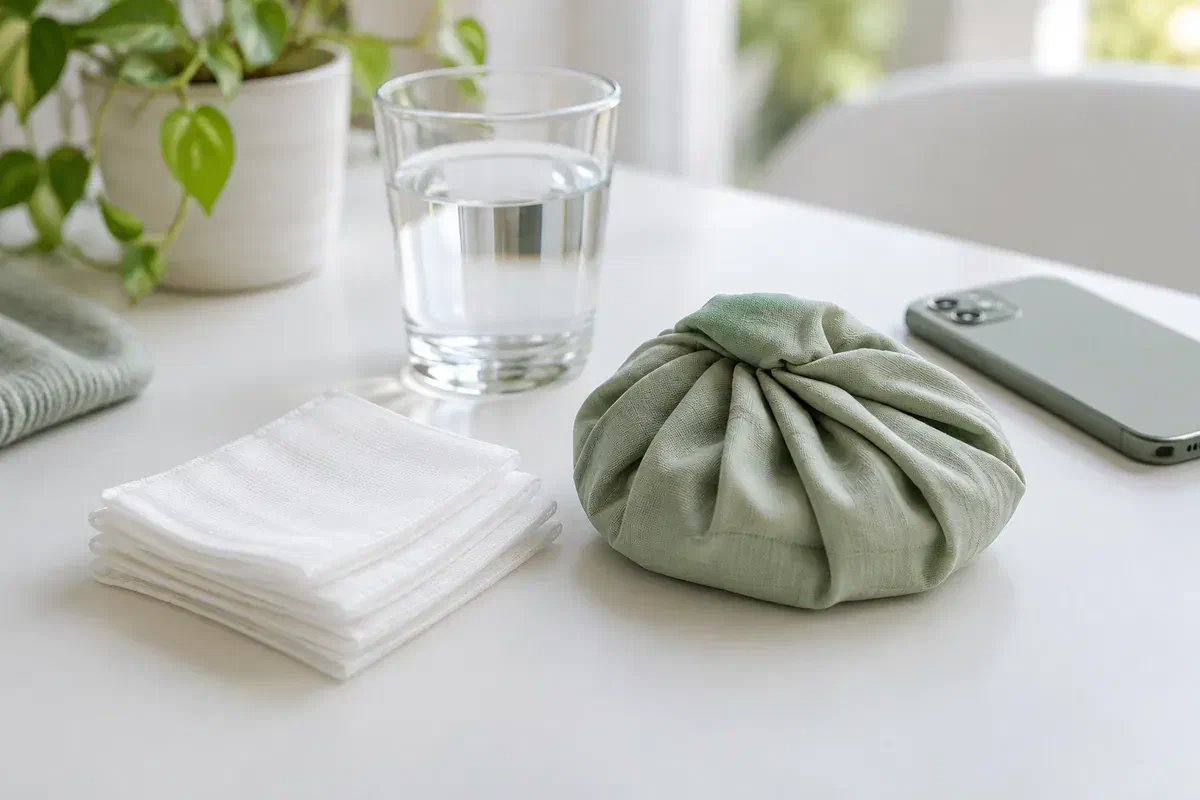
Illustrative gauze, wrapped cold compress, and phone for arranging urgent advice
Changes worth a phone call

Not every bump in recovery is an emergency, but some are.

Describe what you see without poking at the area. Don’t wait until you have the perfect photograph before you pick up the phone.

A tooth that loosens, shifts or comes out again

If a splinted or repositioned tooth starts moving, or a repaired adult tooth comes out, phone immediately. A new knock can do the same. Never replant a baby tooth. Don’t push a shifted tooth back yourself; let the dentist check it.

New pain, swelling or fever

Some soreness is expected, but pain that grows instead of fading, a fresh swelling, a pimple-like bump on the gum, or fever deserves a call. Note where it is and how quickly it’s changing. Swelling spreading over the face, or trouble swallowing or breathing, is a hospital matter.

A repair that breaks or a mouth that bleeds again

Tell us if a temporary filling has fallen out or a tooth edge has chipped again, and whether the lip or gum is bleeding. Keep any piece that comes away. Heavy bleeding that firm pressure doesn’t stop needs urgent medical attention.

Please don’t report a worsening problem by email, online booking or callback request; those aren’t checked as emergencies. Phone during clinic hours instead, and use 911 or the hospital for anything serious.

Why the follow-up visits matter

Recovery is a series of small checks.

The first urgent visit dealt with what couldn’t wait. Follow-up appointments let the dentist see how the tooth and gum are healing, swap temporary repairs for longer-lasting ones, and catch changes early. At each visit, ask what has improved and what still needs watching.

Nobody can promise how an injured tooth will settle. Its type, how badly it was hurt, how quickly it was treated and what later checks show all play a part. Keeping the scheduled reviews gives the dentist the best chance to spot and manage problems in good time.

Keeping medical warning signs in mind

After a fall, a child can seem fine and then develop headache, vomiting or unusual sleepiness. If that happens, medical care comes first. Mention it to us too, so dental follow-up can be adjusted around their recovery.

Recovery explained at your child’s level

Children cope better when they know why they’re eating soup and brushing gently. Ask the dentist to explain the plan to your child as well as to you, and mention any worries they have about the next visit.

A calendar of reviews

Write down every recommended check, repair or referral, and put it where all caregivers can see. Pain fading is good news, but some changes only show up weeks or months later, so the reviews stay on the calendar.

If something changes during recovery

Notice, call, check, adjust.

The urgency depends on what has changed. Never let a routine form slow down a time-sensitive problem.

  1. Notice and note the change

    Write down what changed and when: more pain, new swelling, fever, a looser tooth, a broken repair. Include your child’s age, the original injury and treatment, any medicines given, and relevant health conditions.

  2. Phone and agree on a plan

    Call us during clinic hours and describe the change. The team will advise whether your child should come in, go elsewhere, or seek emergency care. If things get worse before then, phone again or go to emergency services.

  3. Have it checked

    The dentist examines the area and may suggest X-rays or other records to compare with earlier ones. Bring any notes from the first visit. Ask what the change means and whether nearby teeth need attention too.

  4. Adjust the plan

    Discuss any new treatment, its limits and the revised review schedule. Confirm what your child can eat, how to clean the area and what to watch for. Before leaving, ask who to contact when the clinic is closed.

Daily care while things heal

Soft food, gentle brushing, careful watching

Always follow the specific advice your child’s dentist gave. These tips sit alongside it and don’t replace urgent care for a knocked-out adult tooth or worrying symptoms.

Meals, brushing and splints

Offer soft foods for as long as you were advised, and cut food small. Brush gently around a splint or repaired tooth with a soft brush, following any rinse instructions. Avoid letting your child bite on hard objects or use the area to tear food.

Numbness, soreness and pain relief

While freezing wears off, keep an eye out for lip or cheek chewing. A cloth-wrapped cold pack on the outside of the face may ease soreness, if advised. For pain relief, a pharmacist or clinician can suggest a product and how much suits your child’s age and weight. Never put aspirin, glue or sharp objects on the tooth or gum.

If an adult tooth is knocked out again

Lift it by the crown, never the root. Rinse briefly with milk or saline if dirty; don’t scrub. Where you’re sure it’s permanent and the child is alert and steady, ease it gently back into place. Otherwise, store it in milk and phone for urgent dental care. A baby tooth is never put back.

Patient information: American Academy of Pediatrics — first aid for a knocked-out permanent tooth

Who to call when recovery changes

Match the change to the right help.

A single phone number won’t cover every situation. Ringing us doesn’t secure a same-day visit, and serious symptoms shouldn’t wait for one.

Serious symptoms at any stage

Emergency medical services

Struggling to breathe or swallow, bleeding that won’t ease, swelling that spreads quickly, a significant head injury or a child who is clearly very ill all mean emergency medical care. Tell the team about the recent dental treatment.

A repair fails or pain returns

An urgent dental check

Loosening or loss of a treated tooth, a broken splint, returning pain or new gum swelling needs timely dental attention. Phone a dental office that can see your child, and explain what was done and what has changed.

While healing goes as planned

Scheduled reviews

Even a smooth recovery usually includes follow-up checks, and temporary work may need replacing. Ask when each step is due. A child happily back to normal meals is a great sign, but the reviews still count.

Recovery questions from Erin

Living with the plan for a few weeks

For urgent advice, call us. These answers help you feel prepared and can’t diagnose your child or promise an appointment.

(905) 876-4488
How long will my child’s splint stay on?
It depends on the injury and the dentist’s assessment. Ask at your visit how long it’s expected to stay, how to clean around it, and what to do if it loosens before the planned removal.
Which foods are best in the first days after a dental injury?
Soft options such as yogurt, soup, pasta, scrambled eggs and mashed vegetables are common choices. Follow the dentist’s timeline, avoid hard or chewy foods on the injured side, and cut food into small pieces.
My child bit their numb lip after treatment. What should I do?
Rinse gently, apply light pressure with clean gauze if it’s bleeding, and keep an eye on it. Call if it swells, looks infected or bleeds heavily. Supervise closely next time until numbness has fully worn off.
Should my child skip sports or recess while the tooth heals?
Ask the dentist, as it depends on the injury. Avoiding contact play for a while is often advised. A mouthguard may be recommended once your child is cleared to return.
The repaired tooth has turned slightly grey. Is that a problem?
It needs checking. Colour change after an injury can mean several things, and the dentist will want to examine the tooth and compare records. Call sooner if there is pain, swelling or a gum bump.
Can we cancel the review if everything seems fine?
Please don’t. Some changes after an injury only show up over time. Keep each appointment, and call sooner if anything new appears.
Support for children in Erin

Something changed? Tell us.

During clinic hours, phone (905) 876-4488 about new pain, swelling or a problem with a repair, and the team will go over availability. If we can’t see your child urgently, contact another emergency dental office. Serious symptoms are for 911 or the emergency department.

Online booking is for planned reviews and non-urgent follow-up. Phone about urgent changes, and seek emergency medical care for serious symptoms.

Visit Milton Dental Clinic
Unit 1, 342 Bronte St. S, Milton, ON L9T 5B7
Get directions Clinic hours
Monday–Thursday
11am–7pm
Friday–Sunday
By appointment only

Areas we serve

  • Milton
  • Oakville
  • Mississauga
  • Georgetown
  • Halton Hills
  • Acton
  • Campbellville
  • Brampton
  • Burlington
  • Puslinch
  • Rockwood
  • Erin
  • Caledon
  • Etobicoke
  • Old Milton
  • Bronte Meadows
  • Timberlea
  • Dorset Park
  • Dempsey
  • Clarke
  • Beaty
  • Coates
  • Harrison
  • Scott
  • Willmott
  • Ford
  • Bowes
  • Cobden
  • Walker
  • Mountain View
  • Milton Heights
  • Hawthorne Village
  • Valley View
  • Fallingbrook
  • Nassagaweya
  • Trafalgar
  • Esquesing
  • Nelson
  • Brookville
  • Moffat
  • Glen Williams
  • Norval
  • Limehouse
  • Stewarttown
  • Ashgrove
  • Hornby
  • Silver Creek
  • Speyside
  • Scotch Block
  • North Oakville
  • River Oaks
  • Glen Abbey
  • West Oak Trails
  • Palermo
  • Bronte Creek
  • College Park
  • Joshua Creek
  • Uptown Core
  • Preserve
  • Iroquois Ridge
  • Lisgar
  • Meadowvale
  • Meadowvale Village
  • Churchill Meadows
  • Erin Mills
  • Central Erin Mills
  • Streetsville
  • East Credit
  • Creditview
  • Heartland
  • Sheridan
  • Mount Pleasant
  • Credit Valley
  • Huttonville
  • Churchville
  • Springbrook
  • Northwest Brampton
  • Bram West
  • Fletcher's Meadow
  • Fletcher's Creek South
  • Alton Village
  • Orchard
  • Millcroft
  • Headon Forest
  • Tansley
  • Brant Hills
  • Tyandaga
  • Kilbride
  • Lowville
  • Aberfoyle
  • Morriston
  • Arkell
  • Hillsburgh
  • Freelton
  • Carlisle
  • Waterdown
  • Flamborough
  • Mountsberg

How can we help?

Milton Dental Clinic

Have a question about your smile? Choose the option that works best for you.

For urgent dental concerns, please call.
Messages are reviewed during clinic hours.