Chips and breaks
Say how much of the tooth seems to be missing and whether it is painful or sensitive. A fragment that can be retrieved safely should travel in milk or water. Please don’t glue it or file the edge at home.


After a dental injury, some care can’t wait for a long drive. Coming from Etobicoke, call first so we can help you decide whether to come to us or find urgent care nearer home, then plan well-organised follow-up visits.
From Toronto’s west end, our clinic is a fair trip, so the first decision after an injury is about where care should happen. Your child’s general condition settles that before anything else. If there has been a serious knock to the head or face, if breathing or swallowing is hard, or if bleeding is heavy and won’t stop, go for emergency medical care nearby.
For the tooth, phone before setting out and tell us what happened and when. An adult tooth knocked out of its socket can’t wait for a long journey, so get immediate dental care wherever you can reach it fastest. A baby tooth that falls out is never replanted. We can tell you about our availability, and if urgent care can’t be arranged here, an emergency dental provider closer to you is the better choice.
Once the urgent part is handled, trauma care becomes a series of planned steps. The dentist assesses the tooth, the tissues around it and its stage of development, then explains today’s treatment and the reviews to come. Ask what will be monitored, and how visits can be grouped sensibly, even after your child feels fine.
The type of impact, the timing and your child’s symptoms help us advise on next steps. Please avoid moving the tooth back and forth or having your child bite down hard to test it.
Say how much of the tooth seems to be missing and whether it is painful or sensitive. A fragment that can be retrieved safely should travel in milk or water. Please don’t glue it or file the edge at home.
Let us know if a tooth looks lower, higher, tipped or out of line, or if the bite has changed. These need prompt assessment, so ask whether nearer care is wiser. Never push the tooth into place, and don’t assume it’s a baby tooth on its way out.
Describe cuts, swelling, bleeding and any tooth or fragment you haven’t found. Mention any other symptoms, especially signs of a head injury. This helps the clinician advise whether dental care, medical care or both should come first.
Get immediate first-aid advice and dental care for a knocked-out permanent tooth, choosing the nearest provider who can see you. Hold it by the crown, keep it in milk if it can’t be replanted safely, and never put it in a young child’s cheek.
The same impact that chips a tooth can bruise the root, upset the pulp or loosen the supporting tissues. The examination considers each of these where relevant. A repair that looks right does not confirm that the hidden parts are healing.
Development matters as well. A baby tooth and a young adult tooth are treated differently and followed differently. Ask which tooth was hurt, what is known after the first examination and what can only be answered later.
Patient information: IADT and AAPD — fractures and luxations of permanent teeth
Options range from monitoring to repair, stabilization or further treatment. Ask what each step is designed to do. A splint may handle the position of the tooth, while the pulp is checked at later visits.
Initial findings give later reviews a reference point. Tell us about any earlier injury to the same teeth, and bring records from any other provider who treated the injury first. Ask what will be compared and what change would mean more care.
Some outcomes can’t be predicted at the start. Ask which signs are reassuring and what complications are being watched. A realistic plan is more useful than a promise that the tooth will never need care.
The order and urgency depend on the injury. Please call about a recent injury instead of sending a routine online request, so we can plan the visit properly.
Explain when and where it happened, what hit the tooth, the first aid given and any medical or dental care already received elsewhere. Mention missing pieces or bite changes. Bring health information, a list of medicines and any notes from another provider.
The dentist checks the injured tooth, its neighbours and the soft tissue, and discusses imaging or tests. Ask what can be confirmed now, which results may need repeating, and whether anything can be done during the same visit to save another trip.
Care may involve a repair, a splint, pulp treatment, observation or another option. Share your child’s comfort needs. If a referral is advised, ask why, how urgent it is and whether a provider nearer home would be appropriate.
Confirm what was done, any limits on food, cleaning and activity, and the full review schedule. Ask which symptoms mean calling before the next visit. Follow-up may continue well past the point when the tooth feels normal.
Your instructions will fit the injury and treatment. Aftercare for a small repair can differ from that for a displaced, splinted or replanted adult tooth.
Ask which foods to avoid and for how long. Keep the area clean as shown. If pain or a splint makes cleaning difficult, phone us for help; often it can be sorted out without an extra trip.
Call about increasing pain, swelling, a gum bump, an altered bite or a colour change. We can advise whether your child needs to be seen and how soon. Don’t read the outcome from colour alone; it depends on the tooth, the symptoms and the injury.
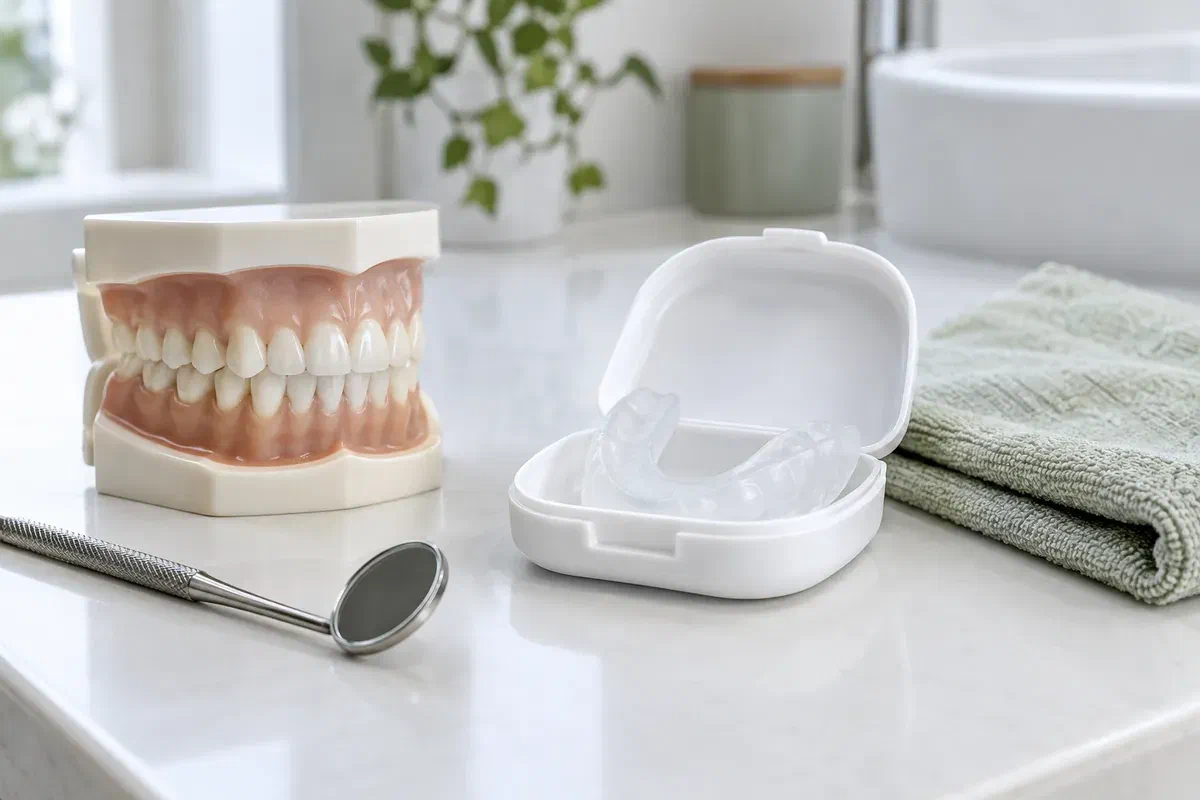
Ask when your child can return to their activities and whether a mouthguard is advisable. If they already have one, make sure it still fits after treatment. A guard reduces risk but can’t prevent every injury.
Patient information: IADT — broken teeth and preserving a fragment
Bring your questions about the injury, the treatment and the visits ahead. Some answers only become clear as the tooth recovers.
Phone our Bronte Street practice to talk about the injury, our availability and whether coming in or seeing someone nearer is wiser. If a recent urgent injury can’t be seen here, please go to an emergency dental provider close to you.
A permanent tooth that has been knocked out needs immediate care at the nearest available provider. Serious head injury, trouble breathing or swallowing, or uncontrolled heavy bleeding needs emergency medical attention.
