

Illustrative parent and child discussing toothpaste with a dental clinician
Children’s Dentistry

Children’s Fluoride Treatment

Choose fluoride care with your child’s age, risk, and routine in mind. Discuss professional fluoride treatment in Milton, what it is intended to protect, and how it fits with the products used at home.

A closer look at children’s fluoride treatment

Make prevention a plan, not simply another product.

Fluoride helps protect teeth against decay, but the recommendation for a child should have a clear purpose. Professional treatment, toothpaste, and other fluoride sources are considered together with age, dental history, and current risk. The question is what level and type of prevention is appropriate for your child.

At Milton Dental Clinic, bring the details of the toothpaste and other oral-care products your child uses. Tell us about previous cavities, difficulties brushing, medicines, and relevant water sources. These details help the dentist explain whether an additional professional application or another change to the routine is worth discussing.

A fluoride treatment does not replace an examination, daily cleaning, or care for a tooth with established damage. Ask what the proposed product does, how it is applied, and what instructions follow it. You should also understand why and when the recommendation will be reviewed as your child grows.

Discuss your child’s fluoride needs
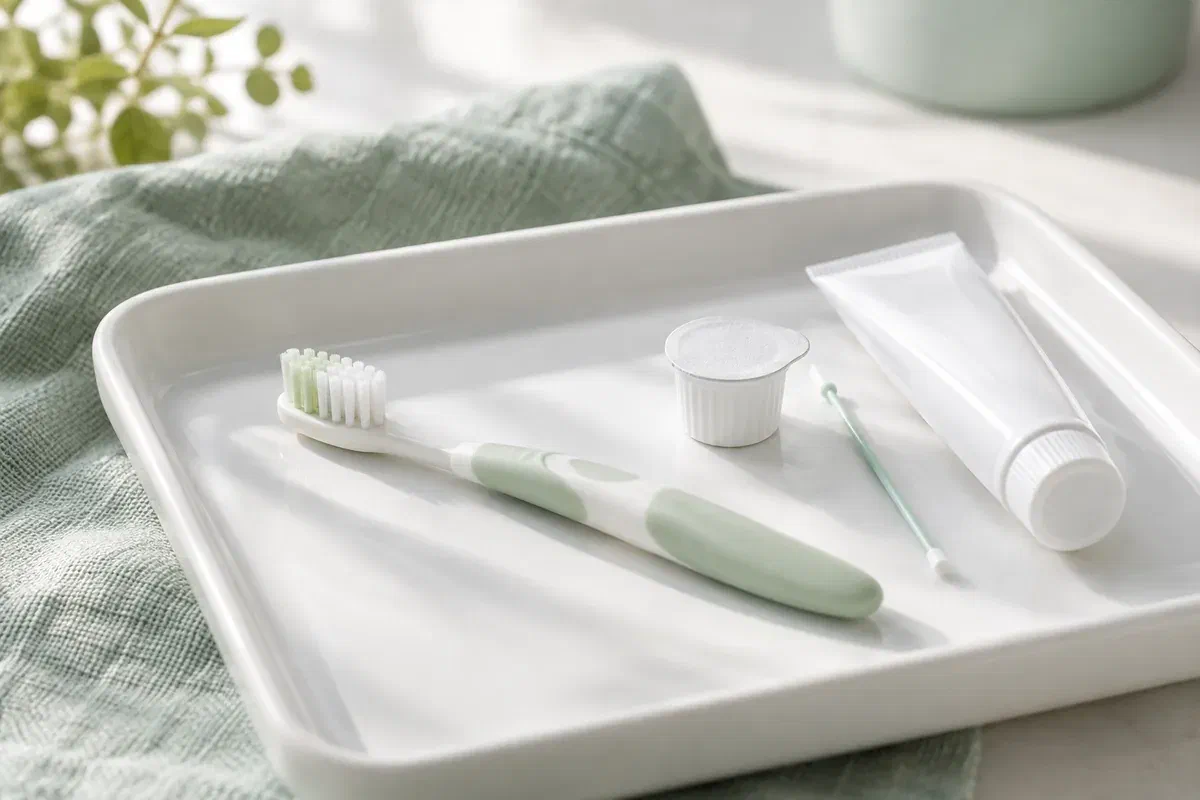
Illustrative fluoride applicator, small unit-dose cup, toothbrush, and toothpaste
What shapes the recommendation?

Age, past problems, and everyday use belong in the same conversation.

More fluoride products do not automatically make a better plan. Share what your child already uses so the advice can be specific and manageable.

Previous decay or a change in risk

Mention recent cavities, early changes being monitored, or a new difficulty keeping teeth clean. The dentist can explain which findings support additional prevention. A past cavity is useful context, but the recommendation still needs to reflect the child's current circumstances.

Toothpaste use and swallowing

Tell us how much toothpaste is used, who applies it, and whether your child can spit reliably. Young children need adult help and an appropriate amount. Ask for a demonstration if a label or general instruction leaves you unsure what to put on the brush.

Other products and fluoride sources

Bring information about rinses, supplements, prescription products, and drinking water where relevant. Do not assume that products recommended for an older sibling suit a younger child. The team can review the combination and explain which parts of the routine are appropriate.

Tell the clinician about allergies or a previous reaction to a dental product before an application. Product ingredients differ, so a useful discussion includes the actual preparation being considered rather than fluoride as a single interchangeable product.

What fluoride can contribute

Support the tooth surface as part of ongoing prevention.

Fluoride can make tooth surfaces more resistant to decay and support remineralization of appropriate early changes. It is not a material that rebuilds a missing piece of tooth. Ask whether the recommendation is preventive, intended to help manage an early lesion, or part of a broader treatment plan.

The benefit of an application should be considered alongside the home routine and review schedule. One visit does not guarantee that a child will remain cavity-free. The plan still needs attention to cleaning, relevant eating and drinking patterns, and any diagnosed condition requiring treatment.

Patient information: CDA — fluoride and prevention

A reason for the additional step

Ask which risk or finding the professional treatment addresses. Understanding the reason makes it easier to follow the instructions and return when advised. If the recommendation changes at a later visit, ask what new information supports the change.

A clearer relationship with home care

A professional application and the toothpaste used during daily brushing serve related but distinct roles. Ask what should continue at home and whether anything needs adjustment. The goal is a coherent routine rather than several products with overlapping or confusing instructions.

An opportunity to resolve product questions

Bring concerns about ingredients, taste, swallowing, or the amount being used. The clinician can discuss the actual product and relevant alternatives. A question should receive an explanation that helps you decide, rather than an assumption that you are already comfortable with the recommendation.

What a fluoride appointment may involve

Review the need, explain the product, and give clear instructions.

The application method and timing depend on the selected preparation and your child's needs. Not every child or visit calls for the same product.

  1. Assess risk and current fluoride use

    Discuss the dental findings, previous decay, age, and products already used. Mention relevant health or swallowing concerns. Ask whether the recommendation is for professional treatment, an adjustment to home care, or both, and how the decision relates to your child's risk.

  2. Explain the proposed preparation

    The team should describe the product, purpose, application, and relevant precautions. A varnish is one professional approach that may be considered. Ask what your child might notice and whether there are ingredients or previous reactions that need review before proceeding.

  3. Apply the selected treatment appropriately

    The clinician uses the amount and method suitable for the product and patient. Explain if your child needs extra preparation or a pause. If the planned method is difficult, the team can discuss an appropriate adjustment or alternative rather than assume every child can manage it identically.

  4. Confirm aftercare and the review plan

    Ask when your child can eat, drink, brush, and return to the usual routine for the specific product used. Confirm whether another application or reassessment is recommended. Instructions should be clear enough for the adult caring for your child later that day.

At home after fluoride treatment

Follow the product directions and keep daily use age-appropriate.

Different professional preparations can have different aftercare. Use the instructions from the treating team rather than a universal waiting period found online.

Clarify eating and brushing instructions

Ask about the actual product before leaving and share the advice with other caregivers. If the surface feels coated or looks temporarily different, ask what is expected for that preparation. Contact the clinic if you are uncertain rather than trying to remove the coating yourself.

Use the recommended toothpaste amount

Canadian guidance calls for a professional risk assessment for children under three; those at risk use a rice-grain amount of fluoride toothpaste with adult brushing. For ages three to six, use a small pea-sized amount with adult help and encourage spitting. Ask for advice suited to your child's abilities.

Keep products supervised and securely stored

Adults should control the amount used and keep tubes, rinses, and prescription products out of children's reach. Do not add supplements or stronger products without appropriate advice. If a child swallows an unexpectedly large amount, seek prompt poison-control or medical advice rather than waiting for symptoms.

Patient information: Health Canada — fluoride and children’s toothpaste use

Choosing the preventive approach

Professional application and home care should fit the same plan.

Ask which options suit your child's risk and stage of development. A recommendation should distinguish prevention from treatment of an existing cavity.

When additional topical prevention is indicated

An appropriate professional fluoride application

The dentist may discuss a suitable preparation and application schedule based on the findings. Ask about benefits, precautions, and review. The choice should account for the child and product rather than be treated as a compulsory addition to every visit.

When daily use needs clarification or support

An adjusted home-care routine

The useful change may involve toothpaste choice, amount, technique, or adult assistance. Additional rinses or prescription products need specific advice. Ask for a routine that is straightforward enough to follow consistently and review it if your child's abilities or needs change.

When a surface needs another type of care

Sealants or treatment for a specific finding

A suitable chewing groove may benefit from a sealant, while established structural damage may require a restoration or other treatment. Fluoride does not make these options interchangeable. Ask which finding each recommendation addresses and whether measures are intended to work together.

Questions about children’s fluoride treatment

Understand the amount, purpose, and follow-up.

Bring product details and questions about your child's routine. Advice should consider the whole prevention plan.

(905) 876-4488
Why might professional fluoride be discussed when my child already uses fluoride toothpaste?
The dentist may identify a risk or finding that supports additional topical prevention. Toothpaste use is part of that assessment, not a reason to automatically include or exclude professional treatment. Ask what added benefit is expected and how the recommendation will be reviewed.
Does fluoride treatment fill a hole that has already formed in a tooth?
No. Fluoride can support prevention and management of suitable early changes, but it does not replace missing tooth structure. A visible hole or painful tooth needs assessment. The dentist can explain whether a restoration or another treatment is needed alongside preventive measures.
Should every child receive fluoride treatment at every cleaning visit?
The recommendation should reflect the child’s risk, age, findings, and current fluoride exposure. Ask why a particular frequency or product is suggested. A familiar appointment schedule does not by itself determine that the same professional application is appropriate every time.
Why do the eating instructions after fluoride differ from what we were told last time?
Different preparations can have different directions, and other treatment at the visit may also matter. Confirm which product was used and follow the current instructions. Do not substitute a generic waiting period or assume advice for a previous product applies unchanged.
Can swallowing too much toothpaste affect developing permanent teeth?
Excess fluoride intake while teeth are developing can cause fluorosis, which changes their appearance. This is one reason young children need adult help and an age-appropriate amount. Discuss the actual routine and products with the dentist instead of removing useful prevention without advice.
Does a fluoride-free label mean a toothpaste is the better choice for my child?
Not automatically. The appropriate choice depends on age, assessed decay risk, and professional guidance. Bring the product details and explain your concerns. Ask what it provides, what it leaves out, and how it fits the preventive plan recommended for your child.
Children’s fluoride treatment in Milton

Let’s make your child’s prevention plan clear.

Contact our Bronte Street practice to review fluoride needs, previous cavities, and the products used at home. We can discuss suitable professional care and practical instructions based on your child's assessment.

Product choice and frequency are individualized. Bring current product details and mention allergies or previous reactions before treatment.

Visit Milton Dental Clinic
Unit 1, 342 Bronte St. S, Milton, ON L9T 5B7
Get directions Clinic hours
Monday–Thursday
11am–7pm
Friday–Sunday
By appointment only

How can we help?

Milton Dental Clinic

Have a question about your smile? Choose the option that works best for you.

For urgent dental concerns, please call.
Messages are reviewed during clinic hours.