

Illustrative parent and child discussing toothpaste with a dental clinician
Children’s Dentistry

Children’s Fluoride Treatment in Burlington

One child keeps getting cavities and the other never does. If you’re bringing siblings from Burlington, we can explain why their fluoride advice may differ and how each plan fits the products you already use.

Siblings, side by side

Two kids, two different recommendations

Parents are sometimes surprised when one child is offered a fluoride application and a brother or sister is not. That difference is usually the point. Decay risk varies with age, tooth development, past cavities, eating patterns and how cleaning goes, so a recommendation built for one child shouldn’t simply be copied to another.

To help the dentist compare fairly, note which toothpaste each child uses and who helps them brush. List any rinses, supplements or prescription products, and say whether anyone takes regular medicine or has had a filling. Also mention the water your household drinks. Families travelling in from Burlington can jot this down before the visit.

Whichever child it is, fluoride is preventive, not a repair. It doesn’t remove the need for an exam, daily brushing or treatment of a cavity that has already formed. Ask what is being proposed for each child, how it’s applied, what aftercare follows and when it will be reconsidered.

Book a review for each child
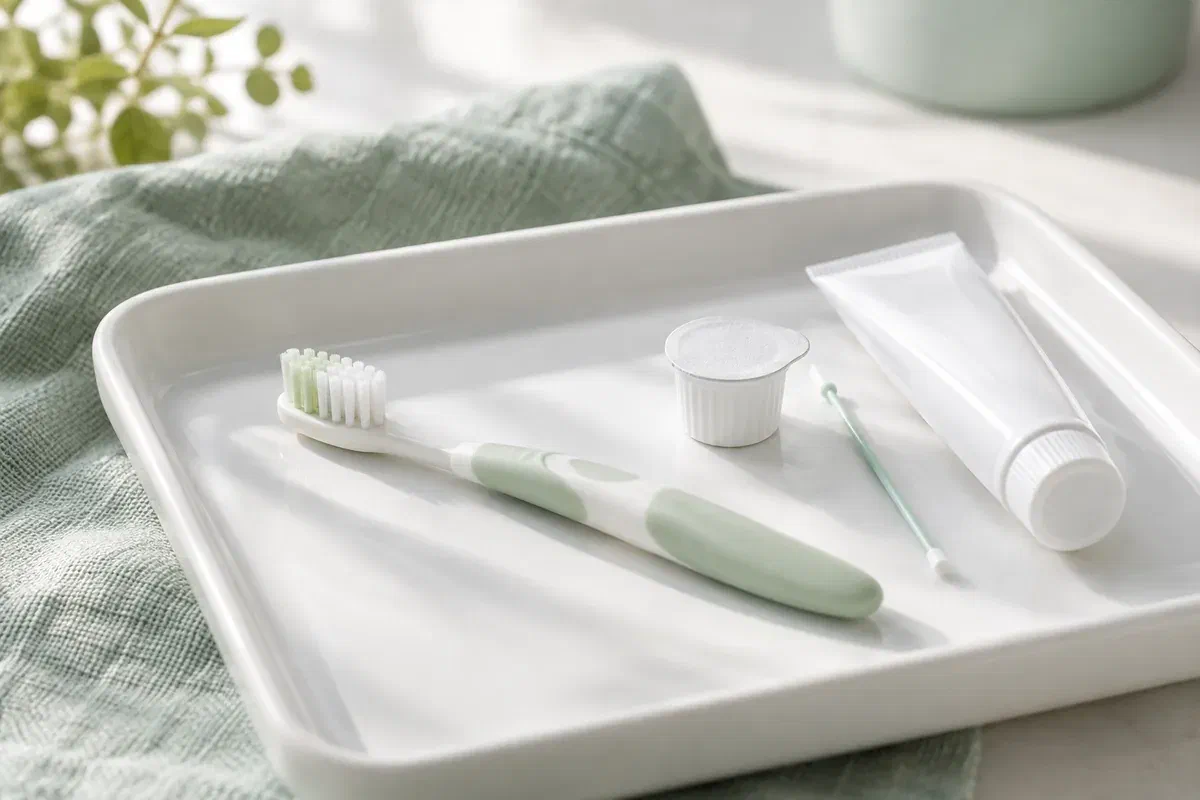
Illustrative fluoride applicator, small unit-dose cup, toothbrush, and toothpaste
Why advice can differ

What sets one child’s risk apart from another’s?

Giving every child in the house the same set of products isn’t a strategy. Specific information about each one keeps the plan simple and fair.

Their own dental history

A recent filling, an early change being watched, or a phase of poor brushing in one child can justify extra prevention for that child alone. Earlier decay is part of the story, yet the advice should follow what the dentist sees now.

Age and spitting ability

A seven-year-old who spits reliably and a toddler who swallows everything need different amounts and more or less help. Tell us who loads each brush and how much goes on. If you’re unsure what each child should use, ask for a demonstration.

Shared bathroom, mixed products

Rinses, supplements and prescription pastes meant for an older sibling can end up in a younger child’s hands. Bring the names of everything in use and mention your drinking water. The team can say which products belong with which child.

For each child, tell the clinician about allergies or earlier reactions to dental products before an application. Because ingredients differ, ask about the particular preparation instead of thinking of fluoride as one interchangeable thing.

The case for an application

Extra resistance where risk is higher

By strengthening enamel against acid, fluoride lowers the chance of decay and can help suitable early changes harden again. Missing tooth structure is another matter; fluoride won’t rebuild it. For each child, ask whether the goal is prevention, managing an early lesion or supporting a wider treatment plan.

An application works alongside home care and regular reviews. No single visit guarantees either child will avoid cavities. Brushing, the timing of snacks and drinks, and care for anything already diagnosed still matter, and the higher-risk child may need closer follow-up.

Patient information: CDA — fluoride and prevention

Clarity about who needs what

When you know what each child’s treatment is for, it’s easier to keep the aftercare straight. Ask which risk or finding the recommendation responds to, and if it changes later, what new information prompted that.

One routine per child, not one per product

Professional fluoride and nightly toothpaste do related jobs in different ways. Ask what each child should continue at home and what, if anything, should be adjusted. Fewer, clearer steps make a household routine far easier to run.

Answers about worries

Ingredients, flavour, swallowing and quantity are all fair to ask about. The clinician can talk through the specific product and reasonable alternatives. You should come away able to make a decision rather than feeling that agreement was presumed.

At the appointment

From assessment to aftercare, child by child

The product and technique depend on the preparation selected and the child in the chair. Each sibling’s visit is planned on its own findings.

  1. Gather findings and habits

    The dentist looks at the exam, any history of decay, age and current fluoride sources. Tell us about swallowing problems or health conditions. Ask whether the proposal involves an application, a change at home, or a combination, and how it relates to that child’s risk.

  2. Explain what will be used

    You should hear which product is planned, what it’s meant to do, how it goes on and any precautions. Varnish is one professional option a dentist may consider. Ask what your child might sense afterward and mention any reactions in the past.

  3. Apply with the right technique

    The clinician chooses an amount and method that suit the product and the child. A younger sibling may need more time or a break; let us know. If the standard method isn’t working, the team can suggest a reasonable change or a different approach.

  4. Sort out aftercare and follow-up

    Find out when each child can eat, drink and brush after the product used, and whether more applications or a recheck are recommended. Ask for instructions you can keep straight when two children leave with different advice.

Home again

Keep each child’s directions straight

Professional preparations don’t all share the same aftercare. Use the instructions the team gives you rather than one waiting period found online.

Write down who had what

If only one child received an application, note it, ask about eating and brushing for that product, and tell other caregivers. A coated feel or slight change in appearance can be normal for some preparations; check what’s expected. Call rather than trying to scrape it off.

Measure by age

Health Canada guidance recommends a professional risk assessment before age three, with a rice-grain smear of fluoride toothpaste brushed by an adult for children at risk. For three- to six-year-olds, an adult should help with a pea-sized amount and encourage spitting. Ask what fits each child.

Store products where small hands can’t reach

An older child’s rinse or prescription toothpaste can be a hazard for a younger one. Keep all products stored securely and let an adult control quantities. Don’t add supplements without advice. Should a younger one get into a sibling’s tube and eat a lot of it, phone poison control or get medical advice straight away, before any symptoms appear.

Patient information: Health Canada — fluoride and children’s toothpaste use

Matching care to each child

Different tools for different needs

Ask which choices fit each child’s risk and development. A plan should be clear about what is prevention and what treats a cavity already present.

When added prevention is supported by findings

Chairside fluoride for the higher-risk child

The dentist may recommend a suitable product and schedule for the child whose exam supports it. Ask about benefits, precautions and when it will be reviewed. A sibling’s plan shouldn’t automatically include it just because it’s one appointment.

When brushing habits need support

A tuned-up routine at home

The useful change might be a different paste, a smaller amount, a better technique or more help from an adult. Rinses and prescription products need clear guidance. Ask for a routine that each child can manage, and update it as they grow.

When one tooth needs specific care

Sealants or restorative treatment

A deep groove might be suited to a sealant, while a tooth with structural damage may need a restoration. Fluoride can’t take the place of these. Ask what each recommendation addresses and whether the measures are designed to complement each other.

Fluoride questions from parents

Siblings, risk and routines

Bring the products each child uses and any concerns. Answers should fit each child’s whole prevention plan.

(905) 876-4488
Why is my younger child getting fluoride but not my older one?
Recommendations follow each child’s findings, age and current fluoride use. One may have early changes or a recent cavity while the other has no added risk. Ask the dentist to explain the reasoning for each child so you can follow both plans confidently.
Can siblings share the same toothpaste?
Sometimes, but the amount and level of help usually differ by age, and some children may be advised to use a specific product. Ask the dentist whether one tube suits everyone or whether a younger child needs a different choice or quantity.
Does fluoride work on teeth that haven’t come in yet?
Topical fluoride works on the surfaces it touches, so professional applications focus on erupted teeth. Developing teeth are one reason the amount swallowed matters. Ask how the plan considers both the teeth your child has now and those still forming.
Is a professional application necessary at every six-month visit?
Not necessarily. Frequency should follow your child’s risk, age, findings and current fluoride exposure. Ask why a particular schedule is suggested and when it will be reconsidered, rather than assuming the same treatment is appropriate every time.
Do sugary drinks between meals affect the fluoride recommendation?
Frequent sipping or snacking can raise decay risk, which may influence the advice. Be open about habits like juice in a sippy cup or regular sweet snacks. The dentist can explain how diet, cleaning and fluoride work together in your child’s plan.
Can we book siblings back to back when coming from Burlington?
Ask the team about consecutive appointments when you call. Each child is still assessed individually, so recommendations may differ. Booking together can make it easier to hear both plans at once and organize aftercare for the rest of the day.
Coming from Burlington

Each child gets their own fluoride plan.

Contact our Bronte Street practice to review each child’s fluoride needs, any earlier cavities and the products in your home. We’ll explain what suits each one and give aftercare instructions you can keep straight.

Products and frequency are chosen child by child. Bring details of what each child uses and mention any allergies or past reactions before treatment.

Visit Milton Dental Clinic
Unit 1, 342 Bronte St. S, Milton, ON L9T 5B7
Get directions Clinic hours
Monday–Thursday
11am–7pm
Friday–Sunday
By appointment only

Areas we serve

  • Milton
  • Oakville
  • Mississauga
  • Georgetown
  • Halton Hills
  • Acton
  • Campbellville
  • Brampton
  • Burlington
  • Puslinch
  • Rockwood
  • Erin
  • Caledon
  • Etobicoke
  • Old Milton
  • Bronte Meadows
  • Timberlea
  • Dorset Park
  • Dempsey
  • Clarke
  • Beaty
  • Coates
  • Harrison
  • Scott
  • Willmott
  • Ford
  • Bowes
  • Cobden
  • Walker
  • Mountain View
  • Milton Heights
  • Hawthorne Village
  • Valley View
  • Fallingbrook
  • Nassagaweya
  • Trafalgar
  • Esquesing
  • Nelson
  • Brookville
  • Moffat
  • Glen Williams
  • Norval
  • Limehouse
  • Stewarttown
  • Ashgrove
  • Hornby
  • Silver Creek
  • Speyside
  • Scotch Block
  • North Oakville
  • River Oaks
  • Glen Abbey
  • West Oak Trails
  • Palermo
  • Bronte Creek
  • College Park
  • Joshua Creek
  • Uptown Core
  • Preserve
  • Iroquois Ridge
  • Lisgar
  • Meadowvale
  • Meadowvale Village
  • Churchill Meadows
  • Erin Mills
  • Central Erin Mills
  • Streetsville
  • East Credit
  • Creditview
  • Heartland
  • Sheridan
  • Mount Pleasant
  • Credit Valley
  • Huttonville
  • Churchville
  • Springbrook
  • Northwest Brampton
  • Bram West
  • Fletcher's Meadow
  • Fletcher's Creek South
  • Alton Village
  • Orchard
  • Millcroft
  • Headon Forest
  • Tansley
  • Brant Hills
  • Tyandaga
  • Kilbride
  • Lowville
  • Aberfoyle
  • Morriston
  • Arkell
  • Hillsburgh
  • Freelton
  • Carlisle
  • Waterdown
  • Flamborough
  • Mountsberg

How can we help?

Milton Dental Clinic

Have a question about your smile? Choose the option that works best for you.

For urgent dental concerns, please call.
Messages are reviewed during clinic hours.