

Illustrative parent and child discussing toothpaste with a dental clinician
Children’s Dentistry

Children’s Fluoride Treatment in Etobicoke

A longer trip from Etobicoke rewards a well-planned visit. Combine your child’s checkup and fluoride discussion, bring every product you use, and leave knowing the routine, the review date and when to seek care closer to home.

Planning the trip from Etobicoke

Fewer visits, better prepared

When the drive takes a chunk of your afternoon, nobody wants to come back next week for something that could have been settled today. Professional fluoride is usually decided after an exam, so the most efficient approach is to arrive ready to discuss it: why it might help, which product, and how it fits with home care.

Pack the details in advance. Photograph the toothpaste and any rinse, list medicines your child takes, and note earlier fillings or spots under watch. Say whether brushing is a struggle and what water your household drinks. With all of this on hand, the dentist can make a recommendation without a second trip for missing information.

Keep expectations realistic. An application supports prevention; it is not an exam, a brushing routine or a repair for a damaged tooth. Before you head home, confirm the product used, the aftercare, the date for the next review, and what to do if a tooth starts hurting before then.

Plan a combined visit
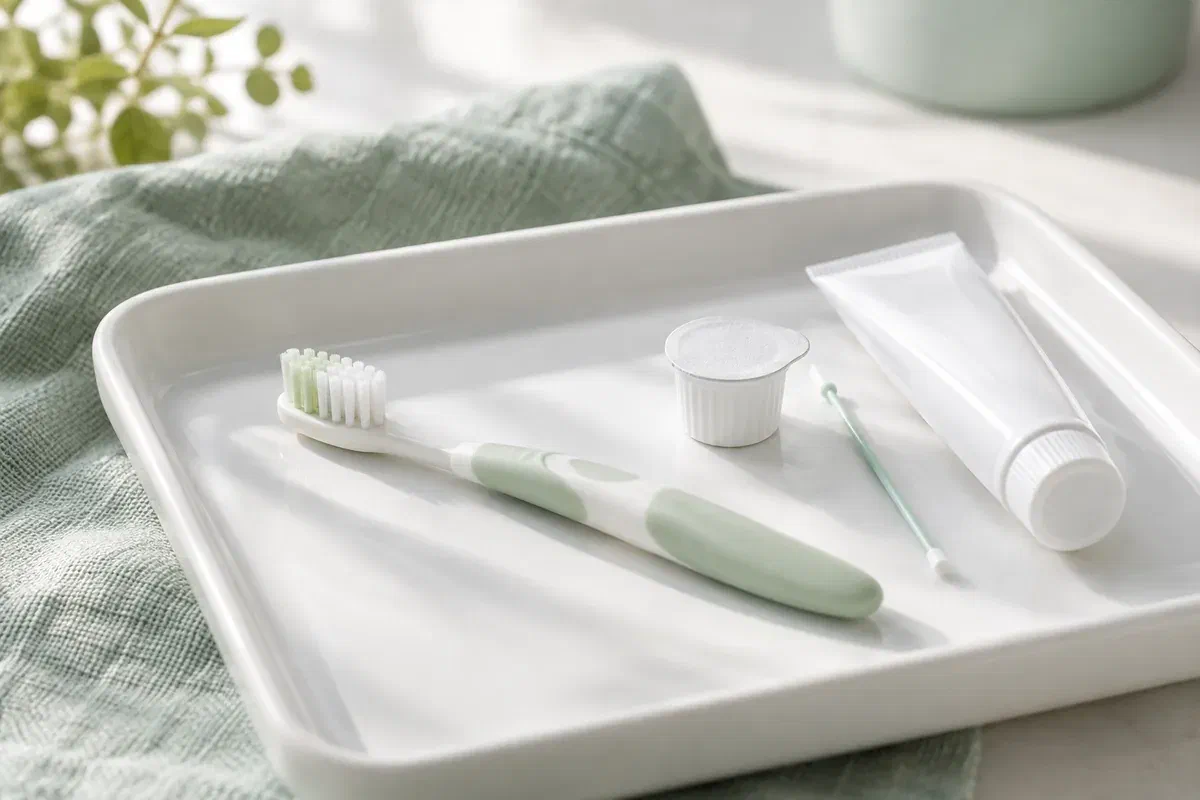
Illustrative fluoride applicator, small unit-dose cup, toothbrush, and toothpaste
Bring it all in one go

The information that saves a return trip

Stacking up products is no substitute for a clear plan. Specific details let the dentist give advice you can manage at home between visits.

Decay history and current changes

List any fillings, spots the dentist has been monitoring, or new difficulty keeping teeth clean. Records from a previous clinic can help too. These details show whether extra prevention is justified now, even though older history isn’t the whole answer.

The real brushing routine

Explain who helps, roughly how much paste is used and whether your child spits. Young children need an adult guiding the amount and the brushing. If you’re unsure, ask the team to demonstrate before you leave, so you don’t have to call back to check.

Every product and water source

Include rinses, supplements, prescription pastes and your usual drinking water. An older sibling’s products may not suit a younger child. Reviewing the full list in one visit lets the team say clearly which items belong in this child’s routine.

Mention allergies or a past reaction to a dental product when you book and again before treatment. Ingredients vary between preparations, so ask about the exact product being considered.

What one application can offer

Extra resistance that supports, not replaces, home care

Topical fluoride makes tooth surfaces harder for acid to attack and can help suitable early changes remineralize. It does not restore lost tooth structure. Ask whether today’s recommendation is preventive, meant for an early lesion, or part of a larger plan that may need further visits.

Whatever is applied in the chair, the months between appointments matter more. A single visit doesn’t guarantee a child stays free of decay. Daily cleaning, how often sugary foods and drinks appear, and treatment for any diagnosed problem carry the plan between reviews.

Patient information: CDA — fluoride and prevention

A reason worth the drive

Ask what risk or finding the treatment addresses, so you know why it’s part of the visit. That makes aftercare and future scheduling easier. If advice changes at a later appointment, ask what new information supports it.

Home steps you can manage alone

Professional fluoride and the toothpaste used each night work in related but different ways. Ask what to continue and what to change. Since you won’t be popping in often, the home routine should be clear enough to follow confidently on your own.

Questions settled before you leave

Raise anything about ingredients, taste, swallowing or the amount used while you’re here. The clinician can explain the product and reasonable alternatives. You should leave able to decide, not wondering whether to phone back.

On the day

How a combined checkup and fluoride visit may run

The product and method depend on your child’s needs and the preparation chosen. Ask ahead whether the visit is likely to include an application.

  1. Exam and conversation

    The dentist reviews findings, past decay, age and your child’s current fluoride use. Raise health issues or swallowing concerns now. Ask whether the recommendation is professional treatment, a change to home care, or both.

  2. Product explained in plain terms

    The team should describe the preparation, its purpose, how it’s applied and what precautions apply. Varnish is one approach commonly considered. Ask what your child might feel or taste, and bring up any earlier reactions before going ahead.

  3. Application at a manageable pace

    The clinician uses the amount and method suited to the product and your child. A long car ride can leave kids tired or restless, so say if a break would help. If the usual technique doesn’t suit your child, the team can discuss alternatives.

  4. Aftercare, review date and a backup plan

    Confirm eating, drinking and brushing directions for the product used. Book the next review before you go. Ask what to do if a problem comes up before then, including when a call to us is enough and when to seek care nearer home.

On the way home and after

Instructions that travel well

Every professional product can have its own aftercare. Rely on the team’s directions for your child’s preparation, not a rule of thumb you read online.

Plan snacks for the ride

Ask before leaving when your child can eat, drink and brush, since that may affect the trip home. Pass the directions to other caregivers. If teeth feel coated or look different for a while, ask what’s normal, and call rather than scrubbing at it.

Keep the daily amount small

Health Canada guidance recommends a professional risk assessment for kids under three, and a rice-grain portion of fluoride toothpaste, brushed on by a parent, for those at risk. Children aged three to six use a pea-sized amount with an adult helping, and should spit. Ask what fits your child.

Supervise and store products securely

Adults should set the quantity and keep tubes, rinses and prescriptions out of reach. Avoid adding supplements or stronger products without guidance. If your child swallows a large amount, get advice from poison control or a medical professional promptly rather than waiting.

Patient information: Health Canada — fluoride and children’s toothpaste use

Options on the table

Professional, home-based or targeted care

Ask which choices match your child’s risk and development. The plan should keep prevention clearly separate from treatment of an existing cavity.

When added topical prevention is indicated

Fluoride applied in the clinic

The dentist may suggest a suitable product and schedule based on the exam. Ask about benefits, precautions and when it will be reviewed. It should reflect your child’s needs, not be bundled into every visit simply because you’ve travelled.

When daily habits need clarifying

A routine you can run without us

The helpful change might be the toothpaste, the amount, the technique or more adult help. Rinses and prescription pastes need specific advice. Ask for a routine simple enough to follow between visits, and review it as your child grows.

When a tooth needs a different kind of care

Sealants or restorations

Deep grooves may suit sealants; a tooth with structural damage may need a filling. Fluoride doesn’t replace either. Ask which finding each option targets and whether they can be planned together to reduce extra trips.

Travel and fluoride questions

Practical answers for a longer trip

Bring product names and your questions. Answers should fit your child’s whole prevention plan and your travel.

(905) 876-4488
Can the fluoride decision and application happen in the same visit as the checkup?
Often, yes, since the decision follows the exam. Mention when booking that you’d like to discuss fluoride, and bring product details. The dentist will still recommend it only if your child’s findings and risk support it.
What records should we bring if our child saw another dentist before?
Any notes about past fillings, X-rays, previous fluoride treatments or products recommended are useful. You can also ask the previous clinic to share records. This helps the dentist understand your child’s history without repeating steps unnecessarily.
How often will we need to come back for fluoride?
Frequency depends on your child’s risk, age, findings and fluoride exposure. Ask why a particular schedule is suggested and whether it can line up with regular checkups, so the plan works with the travel involved.
Is it fine for my child to eat in the car after the appointment?
That depends on the product. Ask before leaving how long to wait before eating or drinking, and plan snacks for the drive accordingly. Don’t rely on a general waiting time, as different preparations have different directions.
If my child has a toothache between visits, should we drive in from Etobicoke?
Call the clinic first for guidance. Depending on the symptoms, the team may suggest coming in or seeking care closer to home. Breathing difficulty or significant swelling of the face or throat needs emergency medical care nearby.
Does fluoride affect how teeth look in photos or at school?
Some preparations can leave teeth looking slightly coated or tinted for a short time. Ask what to expect from the specific product. Follow the aftercare instructions rather than trying to brush it off early.
Etobicoke visits, well planned

Let’s make the trip worthwhile.

Contact our Bronte Street practice to book a visit that brings your child’s exam and fluoride discussion together. Bring product details and past records, and we’ll help you leave with a clear routine and review date.

Products and frequency are decided for each child. Bring current products and mention allergies or earlier reactions when booking and before treatment.

Visit Milton Dental Clinic
Unit 1, 342 Bronte St. S, Milton, ON L9T 5B7
Get directions Clinic hours
Monday–Thursday
11am–7pm
Friday–Sunday
By appointment only

Areas we serve

  • Milton
  • Oakville
  • Mississauga
  • Georgetown
  • Halton Hills
  • Acton
  • Campbellville
  • Brampton
  • Burlington
  • Puslinch
  • Rockwood
  • Erin
  • Caledon
  • Etobicoke
  • Old Milton
  • Bronte Meadows
  • Timberlea
  • Dorset Park
  • Dempsey
  • Clarke
  • Beaty
  • Coates
  • Harrison
  • Scott
  • Willmott
  • Ford
  • Bowes
  • Cobden
  • Walker
  • Mountain View
  • Milton Heights
  • Hawthorne Village
  • Valley View
  • Fallingbrook
  • Nassagaweya
  • Trafalgar
  • Esquesing
  • Nelson
  • Brookville
  • Moffat
  • Glen Williams
  • Norval
  • Limehouse
  • Stewarttown
  • Ashgrove
  • Hornby
  • Silver Creek
  • Speyside
  • Scotch Block
  • North Oakville
  • River Oaks
  • Glen Abbey
  • West Oak Trails
  • Palermo
  • Bronte Creek
  • College Park
  • Joshua Creek
  • Uptown Core
  • Preserve
  • Iroquois Ridge
  • Lisgar
  • Meadowvale
  • Meadowvale Village
  • Churchill Meadows
  • Erin Mills
  • Central Erin Mills
  • Streetsville
  • East Credit
  • Creditview
  • Heartland
  • Sheridan
  • Mount Pleasant
  • Credit Valley
  • Huttonville
  • Churchville
  • Springbrook
  • Northwest Brampton
  • Bram West
  • Fletcher's Meadow
  • Fletcher's Creek South
  • Alton Village
  • Orchard
  • Millcroft
  • Headon Forest
  • Tansley
  • Brant Hills
  • Tyandaga
  • Kilbride
  • Lowville
  • Aberfoyle
  • Morriston
  • Arkell
  • Hillsburgh
  • Freelton
  • Carlisle
  • Waterdown
  • Flamborough
  • Mountsberg

How can we help?

Milton Dental Clinic

Have a question about your smile? Choose the option that works best for you.

For urgent dental concerns, please call.
Messages are reviewed during clinic hours.