

Illustrative parent and child discussing toothpaste with a dental clinician
Children’s Dentistry

Children’s Fluoride Treatment in Old Milton

Grandparents, parents and sitters often share the brushing in one household. Review your child’s fluoride care in Old Milton so everyone follows the same plan, sized to age, risk and the products at home.

Old Milton, many hands at the sink

Same child, same plan, whoever is holding the brush

In plenty of homes around Milton’s historic downtown, a grandparent does the after-school routine while parents handle mornings. Fluoride advice can get lost between them. A grandparent may remember an era with no varnish at all; a parent may have read about fluoride-free pastes. The dentist’s job is to sort the useful from the unnecessary for this one child.

That decision rests on facts you can gather beforehand. Which toothpaste is in each bathroom your child uses? Has there been a filling, or a spot the dentist said to watch? Does your child take medicine regularly, find brushing difficult, or drink mostly well water or bottled water? Those answers shape whether professional fluoride is worth adding.

An application is one tool, not the whole job. It sits alongside regular exams and daily cleaning, and it cannot fix a tooth that already has a cavity. Ask what product is suggested, how it’s placed, what the rest of the day looks like, and when the recommendation will be checked again.

Plan a fluoride review
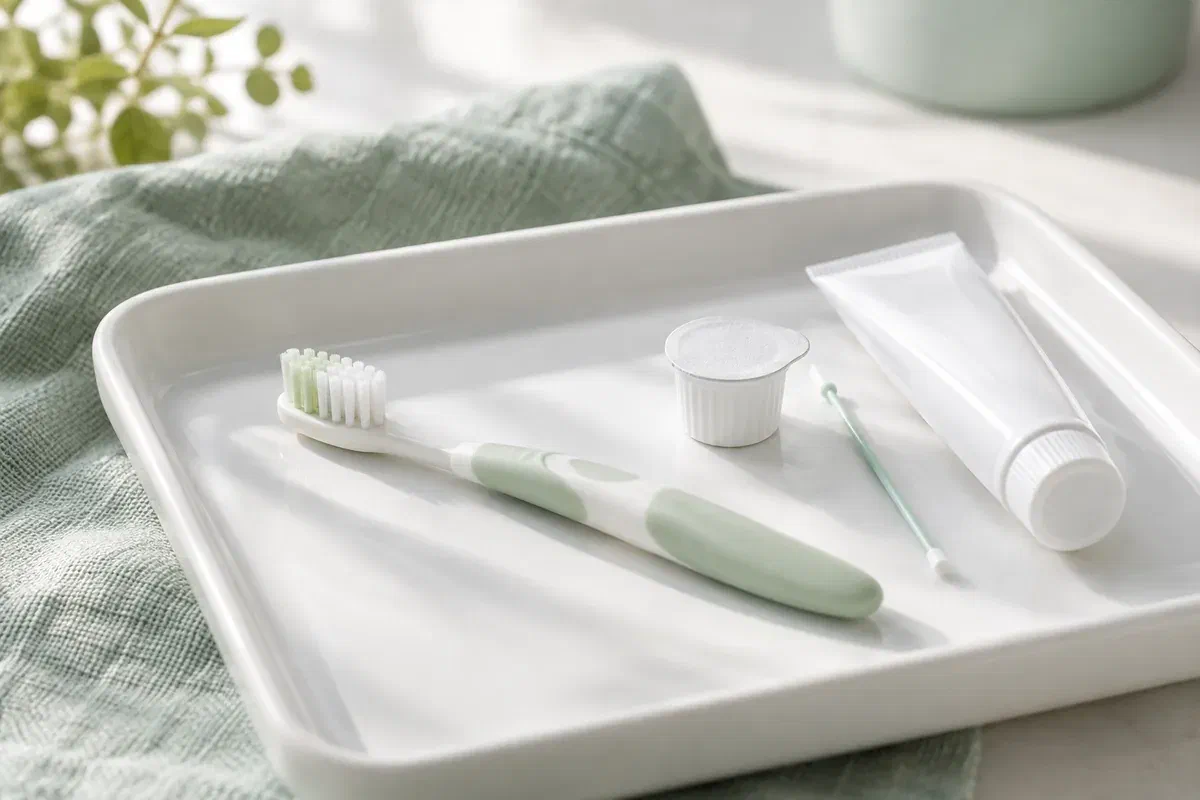
Illustrative fluoride applicator, small unit-dose cup, toothbrush, and toothpaste
Getting the household on one page

Where advice tends to drift between caregivers

A second tube of toothpaste or an extra rinse rarely solves anything by itself. Clear, shared information keeps the routine workable.

A cavity, or a change since the last visit

Let the dentist know about recent fillings, areas under watch, or a period when your child resisted brushing. Those details explain why more prevention might help now. Earlier history gives context, though the recommendation should still reflect where your child is today.

The amount on the brush

Different caregivers often load the brush differently. Tell us who helps, roughly how much paste goes on, and whether your child spits or swallows. Young children need an adult in charge of both. A quick demonstration in the chair can settle disagreements at home.

Products passed down or picked up

Bring names of rinses, supplements, prescription pastes and the water your household drinks. Something left over from a cousin or older sibling may not suit a preschooler. The team can review everything together and say which pieces belong in this child’s routine.

Mention allergies or any reaction to a dental product before treatment begins. Ingredients vary between preparations, so ask about the particular product being used instead of treating every fluoride option as the same.

What a fluoride application offers

Tougher enamel, alongside everything else you do.

Fluoride makes the outer surface of teeth more resistant to acid attack and can help appropriate early changes remineralize. It does not grow back enamel that has been lost. When it’s suggested, ask whether the goal is prevention, managing an early lesion, or supporting a larger treatment plan.

Its value depends on what happens at home and how often your child is seen. No single visit can guarantee a mouth without cavities. Brushing, the pattern of snacks and drinks through the day, and treatment for any diagnosed problem still carry most of the weight.

Patient information: CDA — fluoride and prevention

A purpose everyone understands

When the reason is clear, the aftercare is easier to pass along to the next caregiver. Ask what risk or finding the application addresses. If the advice is different at a later appointment, ask what new information prompted the change.

A routine that fits together

The chairside preparation and the evening toothpaste have connected but different roles. Ask what should continue as usual and what might change. Grandparents and parents should both leave knowing the same few steps, rather than juggling instructions from several products.

Honest answers about concerns

Taste, ingredients, swallowing and quantity are all fair topics. The clinician can talk about the actual product and any reasonable alternatives. You should get an explanation you can weigh, not a recommendation that assumes you’re already on board.

During the appointment

Check, explain, apply, and hand over clear directions

Application method and timing follow the product chosen and your child’s needs. A sibling’s visit is not a template for this one.

  1. Review findings and products in use

    The dentist considers the exam, any past decay, your child’s age and what fluoride sources are already part of the day. Mention swallowing difficulties or relevant health conditions. Ask whether the plan is professional treatment, a home-care change, or a mix of the two.

  2. Talk through the preparation

    Before anything is applied, the team should name the product and describe its purpose, method and precautions. Varnish is one option a dentist may consider. Ask what your child might notice, and flag any ingredient concerns or earlier reactions.

  3. Place it with care

    The clinician uses an amount and technique that suit the product and your child. Speak up if a pause or extra reassurance would help. Not every child manages the standard approach, and the team can discuss a sensible adjustment or alternative when needed.

  4. Confirm the next steps

    For the product used, find out when eating, drinking and brushing can resume. Ask whether another application or a recheck is planned. If a grandparent or sitter will have your child afterwards, make sure the instructions are clear enough to pass along.

Back home after the visit

Today’s instructions, and a steady daily habit

Each professional preparation can come with its own directions. Rely on what the treating team gives you, not a generic waiting time from a website.

Share the directions with every caregiver

Ask about the specific product before leaving, then tell whoever has your child next. Teeth can feel coated or look a little different for a time; ask what is expected. Phone the clinic with questions rather than trying to wipe or brush the coating away.

Use an age-appropriate amount

Canadian guidance advises a professional risk assessment before age three; children at risk use a rice-grain smear of fluoride toothpaste, brushed by an adult. Between three and six, use a small pea-sized amount with adult help and encourage spitting. Ask what suits your child.

Store tubes and rinses safely

Grown-ups should control how much is used and keep toothpaste, rinses and prescription products out of reach, including at a grandparent’s home. Avoid adding supplements or stronger products without advice. A large accidental swallow calls for prompt poison-control or medical advice, without waiting for symptoms.

Patient information: Health Canada — fluoride and children’s toothpaste use

Comparing preventive steps

Which approach suits this child?

Ask how each option matches your child’s risk and development. A clear plan keeps prevention separate from treating a cavity already present.

When added topical prevention is warranted

Professional fluoride in the chair

The dentist may recommend a suitable preparation and how often to repeat it, based on what the exam shows. Ask about benefits, precautions and when the plan will be reviewed. It shouldn’t be treated as a fixed part of every appointment.

When daily brushing needs fine-tuning

A simpler, better-supported home routine

The change that helps most might be the paste, the amount, the technique or more adult supervision. Rinses and prescription products need specific guidance. Ask for a routine every caregiver can follow, and review it as your child grows.

When a particular tooth needs something else

Sealants or restorative care

A deep groove on a back tooth may suit a sealant, and a tooth with established damage may need a filling or other treatment. Fluoride is not a substitute for either. Ask what each recommendation targets and whether they work together.

Questions from caregivers

What Old Milton households ask about fluoride

Bring the products you use and any concerns about the routine. Answers should fit your child’s overall prevention plan.

(905) 876-4488
My parents never had fluoride varnish as children. Why is it offered to my child?
Preventive dentistry has changed, and professional topical fluoride is now one option a dentist may suggest when a child’s risk or findings support it. It isn’t automatic. Ask what the recommendation is based on and how it fits with the rest of the routine.
Can a grandparent bring my child to the fluoride appointment?
Ask the clinic about consent and who can attend on your behalf before booking. Whoever comes should know about allergies, medicines and the products used at home, and should be able to take the aftercare instructions back to you.
Is fluoride worth it for baby teeth that will fall out anyway?
Baby teeth hold space for adult teeth and help with chewing and speech, so keeping them healthy matters. Whether professional fluoride is suitable depends on your child’s risk and findings. Ask the dentist how prevention for primary teeth fits the longer plan.
Our child has a cavity. Will fluoride stop it from getting bigger?
Fluoride can help with suitable early changes, but it cannot rebuild a tooth that has broken down. A cavity with a hole or pain needs an assessment, and the dentist can explain whether a filling or other care is needed along with prevention.
How could an older sibling’s fluoride routine be wrong for a younger one?
Age, ability to spit and assessed risk all affect what’s appropriate. Rinses and stronger products suited to an older child may not suit a preschooler. Bring the products to the visit and ask which, if any, belong in the younger child’s routine.
Who should we tell if our child accidentally swallows a lot of toothpaste?
Contact poison control or seek medical advice promptly rather than waiting to see whether symptoms appear. Afterwards, mention it at your child’s next visit so the dentist can review the amount used and how products are stored at home.
Near Milton’s historic downtown

A fluoride plan everyone at home can follow

Our Bronte Street practice is a short way from Old Milton. Get in touch to review your child’s fluoride needs, past cavities and home products, and leave with practical instructions any caregiver can use.

Choice of product and how often it is used depend on your child. Bring product details and mention allergies or earlier reactions before treatment.

Visit Milton Dental Clinic
Unit 1, 342 Bronte St. S, Milton, ON L9T 5B7
Get directions Clinic hours
Monday–Thursday
11am–7pm
Friday–Sunday
By appointment only

Areas we serve

  • Milton
  • Oakville
  • Mississauga
  • Georgetown
  • Halton Hills
  • Acton
  • Campbellville
  • Brampton
  • Burlington
  • Puslinch
  • Rockwood
  • Erin
  • Caledon
  • Etobicoke
  • Old Milton
  • Bronte Meadows
  • Timberlea
  • Dorset Park
  • Dempsey
  • Clarke
  • Beaty
  • Coates
  • Harrison
  • Scott
  • Willmott
  • Ford
  • Bowes
  • Cobden
  • Walker
  • Mountain View
  • Milton Heights
  • Hawthorne Village
  • Valley View
  • Fallingbrook
  • Nassagaweya
  • Trafalgar
  • Esquesing
  • Nelson
  • Brookville
  • Moffat
  • Glen Williams
  • Norval
  • Limehouse
  • Stewarttown
  • Ashgrove
  • Hornby
  • Silver Creek
  • Speyside
  • Scotch Block
  • North Oakville
  • River Oaks
  • Glen Abbey
  • West Oak Trails
  • Palermo
  • Bronte Creek
  • College Park
  • Joshua Creek
  • Uptown Core
  • Preserve
  • Iroquois Ridge
  • Lisgar
  • Meadowvale
  • Meadowvale Village
  • Churchill Meadows
  • Erin Mills
  • Central Erin Mills
  • Streetsville
  • East Credit
  • Creditview
  • Heartland
  • Sheridan
  • Mount Pleasant
  • Credit Valley
  • Huttonville
  • Churchville
  • Springbrook
  • Northwest Brampton
  • Bram West
  • Fletcher's Meadow
  • Fletcher's Creek South
  • Alton Village
  • Orchard
  • Millcroft
  • Headon Forest
  • Tansley
  • Brant Hills
  • Tyandaga
  • Kilbride
  • Lowville
  • Aberfoyle
  • Morriston
  • Arkell
  • Hillsburgh
  • Freelton
  • Carlisle
  • Waterdown
  • Flamborough
  • Mountsberg

How can we help?

Milton Dental Clinic

Have a question about your smile? Choose the option that works best for you.

For urgent dental concerns, please call.
Messages are reviewed during clinic hours.