

Illustrative parent and child discussing toothpaste with a dental clinician
Children’s Dentistry

Children’s Fluoride Treatment in Puslinch

Noticed a chalky white patch on your child’s tooth while brushing? Some early changes can respond to fluoride and better cleaning. If you’re in Puslinch, book an exam to find out what the spot is and what it needs.

Spotted something at brushing time?

A white mark near the gum

Many parents first think about fluoride after spotting a dull, chalky patch on a front tooth or along the gumline. Sometimes that is an early sign of mineral loss, which may be helped by fluoride and better cleaning. Sometimes it is something else entirely. Only an exam can tell the difference, so book one rather than guessing.

For households in Puslinch planning a single trip, gather a few things first. Bring the toothpaste and any rinse your child uses, a photo of the mark if it’s hard to see, notes on earlier fillings and a list of regular medicines. Mention whether you drink well, bottled or municipal water, and how often brushing is skipped.

Even if the spot is an early change, fluoride is only part of the response. It works with regular exams and daily cleaning, and it can’t repair a tooth that has already broken down into a cavity. Ask what the dentist sees, what product is suggested, how it’s used and when the area will be checked again.

Have the spot checked
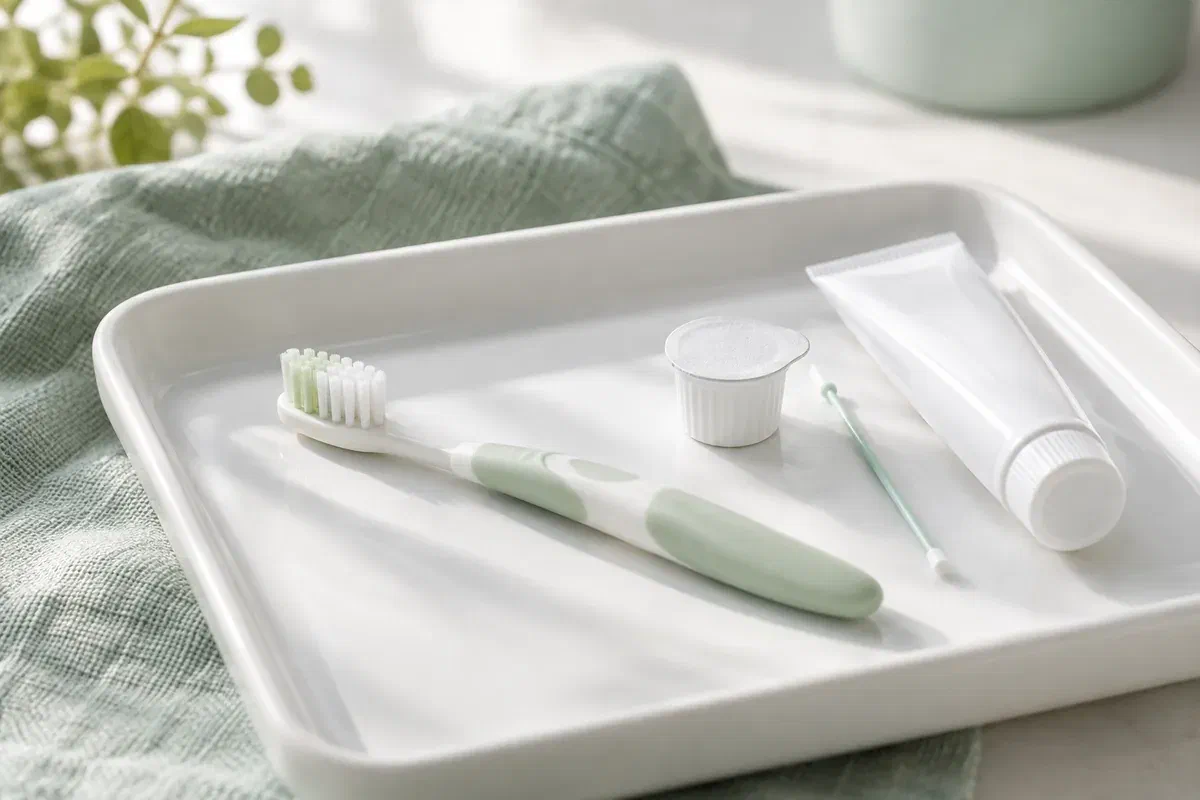
Illustrative fluoride applicator, small unit-dose cup, toothbrush, and toothpaste
What the dentist will look at

Is it early, established or something else?

Adding several products at once won’t clarify what the mark is. A careful look, plus honest details about the routine, will.

The spot itself

The dentist will look at where the mark is, how it looks and whether the surface is intact. Mention when you first noticed it, plus any recent fillings or other areas being watched. Earlier history helps, but the plan depends on today’s findings.

Plaque and brushing habits

White spots often appear where plaque sits for long periods. Tell us who brushes, how thoroughly, how much paste is used and whether your child spits. Young children need an adult handling both the brush and the amount. Ask for a quick demonstration if needed.

Current fluoride sources

List rinses, supplements, prescription pastes and your household’s water source. Some marks relate to too little fluoride and others to too much while teeth were forming. The team will review the whole picture before suggesting changes.

Before an application, let the team know about allergies or any earlier reaction to a dental product. Ingredients differ between preparations, so ask about the exact one being suggested.

What fluoride can do for an early spot

Help the surface recover, where that’s possible

When an early change is still confined to the surface, fluoride may help it remineralize and make enamel more resistant to further acid attack. It cannot fill in a hole once one has formed. Ask the dentist whether the mark is a candidate for remineralization, needs monitoring or requires treatment.

Any improvement depends on what happens day to day. A single application doesn’t guarantee the spot won’t progress. Brushing the area well, reducing frequent sugary snacks and drinks, and returning for review all help the dentist see whether the change is stable or getting better.

Patient information: CDA — fluoride and prevention

A clear goal for the spot

Ask whether the aim is to stop progression, encourage remineralization or simply monitor. Understanding the goal helps you stick with aftercare and reviews. If the plan changes later, ask what the dentist saw.

Home care that targets the area

The professional application and your nightly brushing work together in different ways. Ask how to clean the affected area, what toothpaste to use and whether anything should change. Focused brushing is often as important as the fluoride itself.

Room for questions

You can ask about taste, ingredients, swallowing or quantity. The clinician can explain what’s in the proposed product and whether another option would suit your child better. You should leave with enough information to make your own decision.

From exam to review

Here’s how a visit about an early spot may go.

Method and timing depend on what the exam finds and on the preparation chosen. An early change usually needs a follow-up look.

  1. Examine and record the spot

    The dentist assesses the mark, other teeth, past decay, age and current fluoride use. Mention swallowing concerns or health conditions. Ask whether the recommendation is professional fluoride, a home-care change, monitoring or treatment. A photo or note in the chart can make it easier to compare the spot at the next visit.

  2. Explain the proposed product

    The team should describe which preparation they suggest, how it’s applied and what precautions apply. Varnish is one professional option. Ask what your child may notice, and raise any past reactions or ingredient concerns.

  3. Apply it to the teeth

    The clinician uses an amount and method suited to the product and your child. If your child needs a short break, say so. Where the standard approach is hard for your child, the team can explain an adjustment or alternative.

  4. Set a date to recheck

    Confirm how long to wait before eating, drinking and brushing for the product used. Ask when the spot will be checked again and what changes you should watch for at home. Make sure other caregivers know the instructions.

Watching the spot at home

Clean it well and keep an eye on it.

Each professional preparation can carry its own aftercare. Follow the team’s instructions rather than a generic waiting time from the web.

Follow today’s directions

Ask about the specific product before leaving and share the advice with other caregivers. Treated teeth can feel coated or look a little different for a while. Contact the clinic if you’re unsure, rather than brushing it off early.

Use the right amount, every day

Under three, Canadian guidance calls for a professional to assess risk first, and children at risk use a rice-sized smear of fluoride toothpaste with an adult brushing. Children aged three to six use a pea-sized amount, with help, and should spit. Ask what suits your child.

Note changes and store products safely

If the spot darkens, grows or becomes sensitive, call before the planned review. Keep toothpaste, rinses and prescriptions out of reach and let an adult set amounts. A big accidental swallow of paste or rinse warrants a prompt call to poison control or a medical professional.

Patient information: Health Canada — fluoride and children’s toothpaste use

Possible next steps

Monitor, strengthen or treat

Ask which choice suits the spot and your child’s risk. A plan should say clearly whether it is preventing decay or treating a cavity.

Where an intact early change may recover

A professional fluoride application

The dentist may suggest a suitable preparation and schedule for an early, intact change. Ask about benefits, cautions and how progress will be measured. It should be chosen for this situation, not applied out of routine.

When plaque control needs improving

Targeted home care

Better brushing of the affected area, the right toothpaste amount and more adult help may be the most useful changes. Rinses and prescription products should only be added on advice. Ask for steps you can keep up and review them at the recheck.

When the surface has broken down

Sealants or a restoration

Should the spot have become a cavity, a restoration may be needed, and deep grooves elsewhere may suit sealants. Fluoride doesn’t make these interchangeable. Ask which finding each recommendation addresses and whether they work together.

White-spot questions

Early changes, explained

Bring photos, product details and questions. Answers should fit your child’s overall prevention plan.

(905) 876-4488
Are white spots on a child’s teeth always early cavities?
No. White marks can be early mineral loss, but they can also come from developmental changes or fluorosis. The dentist needs to examine the area to tell the difference and decide whether anything needs to be done. Where the mark sits, when it appeared and whether it has changed are all useful details to share.
Can fluoride make a white spot disappear?
Fluoride may help an early change remineralize and stop it from progressing. The mark may not vanish completely, and results vary. Ask the dentist what outcome is realistic and how the spot will be monitored. At each review, the dentist can compare the area with earlier notes and explain whether it looks stable, improved or in need of a different approach.
Should I brush harder on the white spot?
Thorough, gentle cleaning is the goal, not scrubbing. Ask the team to show you how to clean the area effectively without irritating the gums, and how much toothpaste to use for your child’s age.
How soon after treatment will the dentist recheck the spot?
That depends on what the spot looks like and your child’s risk. Ask for a specific review timeframe before leaving, and call earlier if the mark darkens, grows or becomes sensitive.
What if the spot has already turned into a hole?
Once the surface has broken down, fluoride can’t replace the missing structure. The dentist can explain whether a filling or another treatment is needed, alongside prevention for the rest of the mouth.
Can we send a photo of the spot from Puslinch before booking?
Ask the clinic when you call how they prefer to handle this. A photo can help you describe what you’ve seen, but an exam is still needed to understand the change and plan care. Mentioning the spot when booking also lets the team allow enough time to look at it properly.
Book from Puslinch

Bring the question, and the toothpaste.

Contact our Bronte Street practice to have your child’s spot examined and to review fluoride use, past cavities and home products. We’ll explain what the change needs and give clear instructions based on the assessment.

Products and frequency depend on your child. Bring the products you use and mention allergies or past reactions before treatment.

Visit Milton Dental Clinic
Unit 1, 342 Bronte St. S, Milton, ON L9T 5B7
Get directions Clinic hours
Monday–Thursday
11am–7pm
Friday–Sunday
By appointment only

Areas we serve

  • Milton
  • Oakville
  • Mississauga
  • Georgetown
  • Halton Hills
  • Acton
  • Campbellville
  • Brampton
  • Burlington
  • Puslinch
  • Rockwood
  • Erin
  • Caledon
  • Etobicoke
  • Old Milton
  • Bronte Meadows
  • Timberlea
  • Dorset Park
  • Dempsey
  • Clarke
  • Beaty
  • Coates
  • Harrison
  • Scott
  • Willmott
  • Ford
  • Bowes
  • Cobden
  • Walker
  • Mountain View
  • Milton Heights
  • Hawthorne Village
  • Valley View
  • Fallingbrook
  • Nassagaweya
  • Trafalgar
  • Esquesing
  • Nelson
  • Brookville
  • Moffat
  • Glen Williams
  • Norval
  • Limehouse
  • Stewarttown
  • Ashgrove
  • Hornby
  • Silver Creek
  • Speyside
  • Scotch Block
  • North Oakville
  • River Oaks
  • Glen Abbey
  • West Oak Trails
  • Palermo
  • Bronte Creek
  • College Park
  • Joshua Creek
  • Uptown Core
  • Preserve
  • Iroquois Ridge
  • Lisgar
  • Meadowvale
  • Meadowvale Village
  • Churchill Meadows
  • Erin Mills
  • Central Erin Mills
  • Streetsville
  • East Credit
  • Creditview
  • Heartland
  • Sheridan
  • Mount Pleasant
  • Credit Valley
  • Huttonville
  • Churchville
  • Springbrook
  • Northwest Brampton
  • Bram West
  • Fletcher's Meadow
  • Fletcher's Creek South
  • Alton Village
  • Orchard
  • Millcroft
  • Headon Forest
  • Tansley
  • Brant Hills
  • Tyandaga
  • Kilbride
  • Lowville
  • Aberfoyle
  • Morriston
  • Arkell
  • Hillsburgh
  • Freelton
  • Carlisle
  • Waterdown
  • Flamborough
  • Mountsberg

How can we help?

Milton Dental Clinic

Have a question about your smile? Choose the option that works best for you.

For urgent dental concerns, please call.
Messages are reviewed during clinic hours.