

Illustrative child and parent discussing a tooth model with a dental clinician
Children’s Dentistry

Children’s Tooth-Coloured Fillings in Brampton

More than one cavity, or more than one child needing care, turns a filling into a scheduling puzzle. Families travelling from Brampton can learn how repairs are prioritised, which materials fit, and how visits can be organised.

Planning more than one repair

Sort the urgent teeth from the ones that can wait.

Hearing that your child has several cavities can feel overwhelming, particularly when a sibling also needs work. The first useful step is to rank the problems. Some teeth may need prompt treatment because of pain or deep decay, while others may suit a later visit or a period of prevention and monitoring.

For each tooth, the dentist looks at how far decay has spread, how much structure is left, which set of teeth it belongs to, and whether a dry working area is achievable. Where a direct repair is suitable, a tooth-coloured filling may be one option. Other teeth in the same mouth may need a different approach.

Parents coming from Brampton often juggle school, work and more than one child’s appointments. Tell us what is realistic for your household, and we can talk about how treatment might be sequenced. Equally important is the plan to stop new cavities forming while the existing ones are repaired.

Plan treatment for more than one cavity
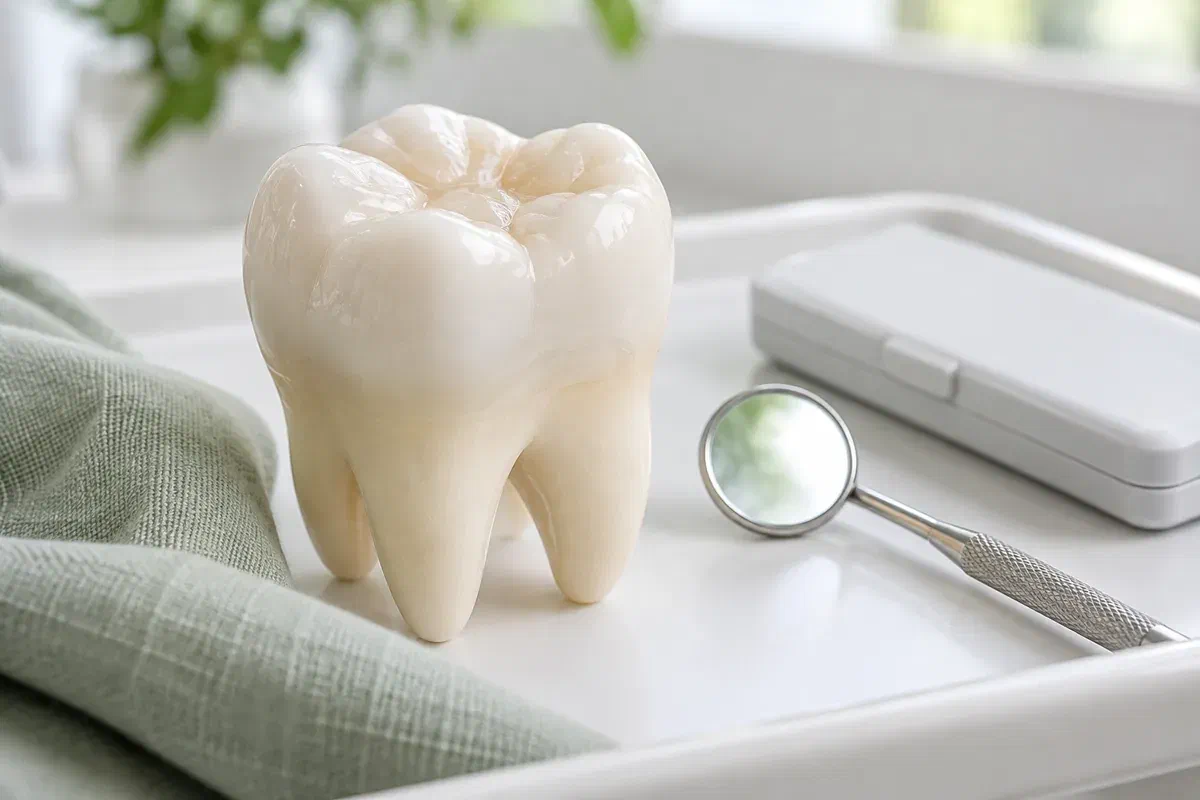
Illustrative opaque molar teaching model with a tooth-coloured repair
Helping us rank the problems

Which tooth is bothering your child most?

When several areas need attention, your observations help decide the order. Note which side your child avoids, what has changed recently, and how they are sleeping.

Holes, chips or food traps

List each area you have seen, even roughly, such as “top left, back” or “between the bottom molars.” The dentist confirms the extent of each one. Small openings can lead to larger areas of decay, so visible size is not a good guide to priority.

Pain that keeps returning

Tell us which tooth hurts, when, and for how long. Pain that wakes your child, starts without a trigger or comes with swelling moves a tooth up the list. Such teeth may need more than a filling, so they are usually assessed first.

Stamina for longer appointments

Some children manage a long visit; others do better with short ones. Share attention span, anxiety, sensory needs and how numbing went before. This affects how much work can sensibly be done at once and whether the tooth can be kept dry enough.

Any tooth with increasing pain, a swollen face or gum, or a fresh break should be seen before routine fillings. Phone us promptly, and seek medical care if your child seems unwell.

Why staged repair helps

Each tooth gets the repair it actually needs.

A direct filling replaces decayed tooth with material that is shaped and set during the visit. It can restore a chewing surface or close a gap where food has been packing in. Tooth-coloured materials avoid a metallic look, but for each tooth the priority is a repair that suits it.

The white materials available differ in strength, bonding and how much moisture they tolerate. Composite resin is common, and glass ionomer may be chosen in other situations. Ask what is planned for each tooth and why. Expect that fillings, like natural teeth, can wear or need repair later; none is permanent by promise.

Patient information: AAPD — pediatric restorative dentistry

A plan per tooth

When several cavities are found, the dentist may recommend fillings for some, crowns or pulp care for others, and monitoring for early spots. Seeing the reasons laid out tooth by tooth makes the overall plan easier to follow.

Bites that stay balanced

With more than one repair, how the teeth meet matters even more. Each filling is shaped and its bite checked. If your child says one side now feels uneven, let us know so it can be reviewed.

Prevention for the whole household

Several cavities often point to shared habits, such as frequent snacks, sweet drinks or evening brushing that gets skipped. Use the visit to agree on practical changes, including fluoride and brushing help, that siblings can follow too.

Visit by visit

A sequence you can put on the family calendar.

The order and number of appointments depend on the findings and your child. Agree on a stop signal before each visit so your child feels some control.

  1. Map every area that needs care

    An exam, with X-rays where clinically indicated, shows which teeth are affected and how deeply. Ask which teeth are most urgent, which options apply to each, and what might happen if some wait. Confirm which are baby teeth and which are permanent.

  2. Numb and isolate one area at a time

    Local anaesthetic may be used where indicated, often for one side of the mouth per visit. The tooth or teeth are isolated to keep saliva away. Let the team know if your child looks uncomfortable, because silence can hide distress.

  3. Prepare and fill

    Decay is removed with a technique suited to each tooth, then the material is placed and set as required. Moisture-sensitive materials need good isolation, so the length of the visit and your child’s cooperation can affect material choice.

  4. Check, then schedule the next step

    Each repair’s shape and bite are checked. Before leaving, confirm eating advice, numbness care and when to call. Book the next visit in the sequence, and ask when the completed fillings will be reviewed.

Between appointments

Protect today’s filling while waiting for the next.

Follow the instructions for each material and any anaesthetic. Young children may not notice when they are biting a numb lip, cheek or tongue.

Watch the frozen side

Delay food as advised until feeling returns, and keep an eye out for chewing or sucking at numb tissue. If a sore appears or you are unsure how to manage it, phone the clinic.

Track symptoms per tooth

If a treated tooth hits first, hurts to chew, or is sensitive in a strong, lasting or worsening way, note which one and when it began. Mention any untreated tooth that starts to hurt too. Don’t have your child keep chewing on a sore filling.

Stick with the routine

Daily brushing and cleaning between teeth protect both treated and untreated teeth while the plan continues. Help as advised and keep every booked visit. Call about a broken piece or loose edge rather than repairing it at home.

Patient information: AAPD — local anaesthesia for pediatric dental patients

What each tooth might need

Not every cavity ends in a filling.

For each recommendation, ask how it affects the number of visits, how long the repair is expected to last and what follow-up is planned.

Damage suited to direct repair

White filling where it fits

A composite or comparable white material could be offered depending on the size of the cavity and how well the tooth can be kept dry. The dentist will explain the trade-offs. Wanting all the repairs to be white is a fair wish, but suitability is decided tooth by tooth.

Teeth needing more support or deeper treatment

Crown or pulp care where it doesn’t

Large cavities or an affected pulp may require a crown, pulp therapy or another treatment. With extensive needs, referral to a pediatric specialist may be discussed. Ask what each option aims to achieve.

Changes that may not need drilling yet

Monitor the earliest spots

Very early decay can sometimes be managed with prevention and scheduled rechecks. That needs a clear assessment and specific steps at home, so the spot is followed rather than ignored.

Family planning questions

Several cavities, several children, one plan.

Children often ask why they need more visits than a brother or sister. We are glad to explain it to them directly.

(905) 876-4488
Which cavity gets treated first?
Usually the tooth causing pain, the one with the deepest decay or any sign of infection comes first. Teeth with smaller cavities may follow. The dentist will explain the order and why, and it can change if a waiting tooth starts to hurt.
Can siblings have their fillings booked one after another?
Ask when you book. Back-to-back appointments may be possible depending on availability and each child’s needs. Bring another adult if you can, so one child is supervised while the other is being treated.
Why does one of my children get cavities and the other doesn’t?
Cavity risk varies with tooth shape, saliva, eating patterns, brushing and other factors. Siblings in the same home can differ. The dentist can talk through each child’s risk and what is most likely to help.
Does a cavity mean my child has been brushing incorrectly?
Not necessarily. Brushing is one factor among several, including how often sugary food or drinks are consumed, fluoride and tooth anatomy. Ask for brushing tips anyway, as young children usually need hands-on help.
Is one long visit better than several short ones?
It depends on the amount of work and your child. Some manage longer sessions; others cope better with shorter ones. The dentist will suggest what seems safe and practical, and you can say what fits your family’s schedule.
Do white fillings on baby molars need the same checks as adult teeth?
Yes. Fillings on baby teeth are reviewed at regular visits, along with the tooth around them. Problems can develop before they hurt, so keep appointments and mention rough edges or new places where food catches.
Children’s fillings for Brampton families

Start with one exam and a clear treatment order.

Arrange a visit at our Bronte Street practice to have your child’s teeth examined and a plan sequenced. Tell us about symptoms, previous dental experiences and your scheduling needs so we can suggest sensible next steps.

Treatment and materials depend on examination. Call promptly about pain or swelling in any tooth.

Visit Milton Dental Clinic
Unit 1, 342 Bronte St. S, Milton, ON L9T 5B7
Get directions Clinic hours
Monday–Thursday
11am–7pm
Friday–Sunday
By appointment only

Areas we serve

  • Milton
  • Oakville
  • Mississauga
  • Georgetown
  • Halton Hills
  • Acton
  • Campbellville
  • Brampton
  • Burlington
  • Puslinch
  • Rockwood
  • Erin
  • Caledon
  • Etobicoke
  • Old Milton
  • Bronte Meadows
  • Timberlea
  • Dorset Park
  • Dempsey
  • Clarke
  • Beaty
  • Coates
  • Harrison
  • Scott
  • Willmott
  • Ford
  • Bowes
  • Cobden
  • Walker
  • Mountain View
  • Milton Heights
  • Hawthorne Village
  • Valley View
  • Fallingbrook
  • Nassagaweya
  • Trafalgar
  • Esquesing
  • Nelson
  • Brookville
  • Moffat
  • Glen Williams
  • Norval
  • Limehouse
  • Stewarttown
  • Ashgrove
  • Hornby
  • Silver Creek
  • Speyside
  • Scotch Block
  • North Oakville
  • River Oaks
  • Glen Abbey
  • West Oak Trails
  • Palermo
  • Bronte Creek
  • College Park
  • Joshua Creek
  • Uptown Core
  • Preserve
  • Iroquois Ridge
  • Lisgar
  • Meadowvale
  • Meadowvale Village
  • Churchill Meadows
  • Erin Mills
  • Central Erin Mills
  • Streetsville
  • East Credit
  • Creditview
  • Heartland
  • Sheridan
  • Mount Pleasant
  • Credit Valley
  • Huttonville
  • Churchville
  • Springbrook
  • Northwest Brampton
  • Bram West
  • Fletcher's Meadow
  • Fletcher's Creek South
  • Alton Village
  • Orchard
  • Millcroft
  • Headon Forest
  • Tansley
  • Brant Hills
  • Tyandaga
  • Kilbride
  • Lowville
  • Aberfoyle
  • Morriston
  • Arkell
  • Hillsburgh
  • Freelton
  • Carlisle
  • Waterdown
  • Flamborough
  • Mountsberg

How can we help?

Milton Dental Clinic

Have a question about your smile? Choose the option that works best for you.

For urgent dental concerns, please call.
Messages are reviewed during clinic hours.