Where you have seen damage
Point out dark spots, rough patches, chips or a place where food sticks. The dentist determines the cause and extent with an exam. The size of the visible opening may not reflect how much tooth is affected beneath it.


A filling repairs the hole, but the habits behind it decide what happens next. Coming from Puslinch, learn how a child’s tooth-coloured filling is chosen and how to spot and change the causes of decay.
After hearing their child needs a filling, many parents ask the same thing: how did this happen? It is a fair question and a useful one. Cavities usually come from a mix of factors, such as how often sugars are eaten or sipped, how well plaque is cleared, fluoride exposure and the shape of the teeth themselves.
The repair still needs its own careful assessment. The dentist checks where the damage sits, how much healthy tooth surrounds it, whether it is a baby or adult tooth, and whether saliva can be controlled well enough for a tooth-coloured material. If a direct filling suits, it may be offered alongside other options.
Households in Puslinch often run on long days, packed lunches and time in the car, so talk with us about what a realistic routine looks like. Share your child’s past experiences with dental care too. Finding the cause is what makes the next checkup more likely to go smoothly.
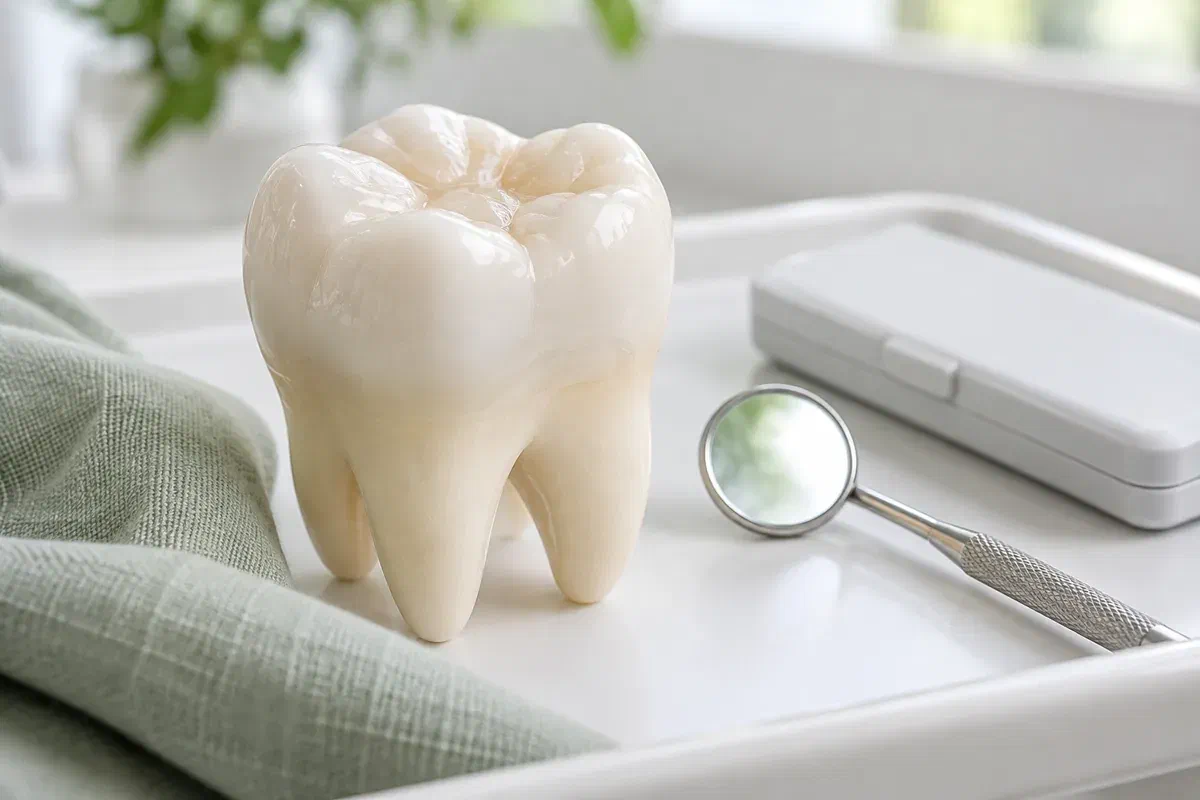
Along with the tooth itself, routines help explain what led to decay. Be open about what really happens at home; there is no judgement in the conversation.
Point out dark spots, rough patches, chips or a place where food sticks. The dentist determines the cause and extent with an exam. The size of the visible opening may not reflect how much tooth is affected beneath it.
Tell us whether sweets, cold or chewing bring on discomfort, how long it stays and whether it disturbs sleep. Pain that arrives on its own or comes with swelling may mean the pulp is involved, and a filling might not be the right treatment.
Describe snacking and drinking habits, bedtime brushing, and any challenges with care such as sensory sensitivities or difficulty with numbing in the past. These help shape prevention advice, appointment planning and whether the tooth can be kept dry for the material considered.
Increasing pain, swelling or a broken tooth should be seen before a planned filling visit. Ring the clinic promptly, and get medical help if your child is becoming unwell.
A direct filling replaces decayed tooth with a material shaped during the appointment. It can restore the chewing surface or a side wall so plaque and food have fewer places to hide. Being tooth-coloured is helpful for appearance, but the primary aim is a restoration that suits the tooth.
There are several tooth-coloured materials. Composite resin and glass ionomer types vary in strength, bonding and moisture tolerance. Ask which one is proposed and why. A filling can serve well, but it can also wear or break, and the edges can decay if the causes are not addressed.
Patient information: AAPD — pediatric restorative dentistry
A filling suits damage that leaves enough healthy tooth around it. If decay has weakened a large part of the tooth, covering it with a crown may protect it better. That is why two similar-looking cavities can be treated differently.
The dentist shapes the filling and checks how it meets the opposing teeth. Afterwards, listen for comments about the tooth feeling high or sore when your child chews, and pass them along.
This is where the repair becomes worthwhile in the long run. Discuss snack timing, sweet drinks, bedtime routines, fluoride and how much brushing help your child still needs. A repaired surface does not protect the rest of the mouth.
The steps depend on the diagnosis, material and your child’s needs. Before treatment starts, agree on a simple way for your child to signal a pause.
An exam, and X-rays where clinically indicated, help define the damage. Ask whether a filling is appropriate, what the alternatives are and what could happen if the tooth is left. Confirm whether it is a primary or permanent tooth.
When freezing is called for, the team describes it to your child in friendly, honest terms. The tooth is then isolated to keep saliva out. If your child seems uncomfortable or confused, tell the dentist; quiet doesn’t always mean fine.
Decayed structure is removed using an approach that fits the findings. The material is then placed and set according to its requirements. Moisture-sensitive materials need excellent isolation, which helps determine what is used.
The dentist checks shape and bite. Before leaving, ask about eating, numbness and when to call. Then cover the causes: what changes at home would help most, whether other teeth need care, and when this filling will be reviewed.
Follow the guidance for the material and anaesthetic. Young children may not know that a numb cheek, lip or tongue can be hurt by chewing.
Wait to eat as advised until feeling returns. Watch for biting, sucking or rubbing at numb tissue, and redirect gently. If a sore develops or you would like advice, contact us.
Tell us if the filled tooth hits first, hurts when chewing, or becomes very sensitive in a way that lingers or worsens. Note the timing and what sets it off. Don’t ask your child to keep chewing on a sore tooth.
Help with brushing and cleaning between teeth as advised, use the fluoride approach recommended, and keep an eye on snack and drink frequency. Keep reviews, and call about a broken piece or rough edge rather than fixing it.
Patient information: AAPD — local anaesthesia for pediatric dental patients
Children often want to know why they got a cavity. Including them in the conversation can make new habits easier to stick with.
Schedule an exam at our Bronte Street practice for your child’s tooth. Let us know about symptoms, daily routines and any past dental worries, so we can discuss the repair and the habits that will help protect the rest of the teeth.
Treatment depends on examination. Call promptly about pain or swelling.
