

Illustrative child and father discussing a tooth model with a dental clinician
Children’s Dentistry

Pediatric Pulpotomy in Etobicoke

Planning a pulpotomy from Etobicoke means thinking about the number of visits as well as the tooth itself. This page covers how the treatment works for a baby molar, how to organise appointments sensibly, and when a problem should be seen closer to home.

Fewer trips, clearer plans

Know the whole sequence before the first appointment

From the west end of Toronto, each dental visit takes a real slice out of the day, so a good plan matters. The treatment itself is fairly contained. When decay has reached the pulp of a baby tooth, a pulpotomy takes out the pulp sitting in the crown and aims to keep the living root pulp healthy. A restoration then closes the tooth.

Deciding whether it suits your child is the first step, and it cannot be rushed by the calendar. The dentist relies on your description of symptoms, the examination, X-rays, how much tooth is left to rebuild, and the condition of the pulp once it is visible. Those findings can lead to a different plan.

With families coming in from Etobicoke, we try to map out the full path early: the assessment, the treatment visit, whether the restoration can be finished the same day, and when reviews fall. You will also hear why this baby tooth is worth keeping, so the travel is for a clear purpose.

Plan your child’s visits
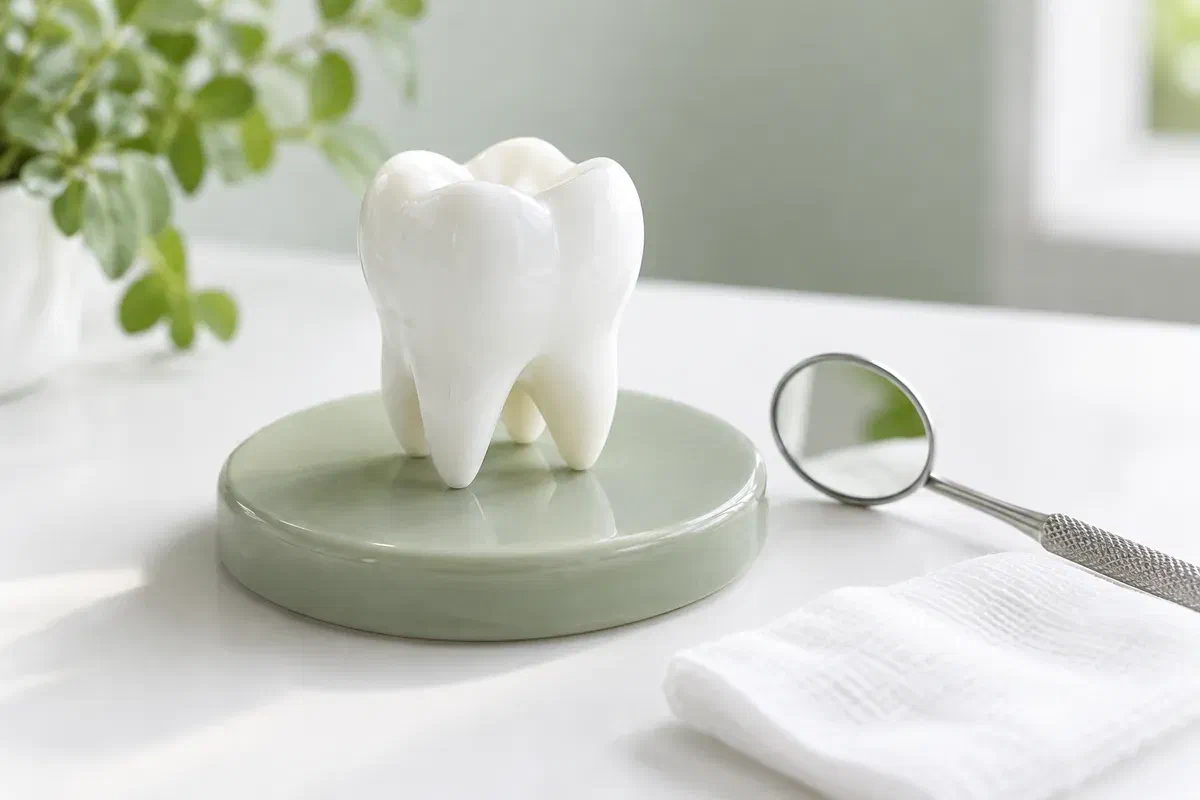
Illustrative solid primary molar model beside a dental mirror and gauze
Before you set out

Share the symptoms first, by phone if needed

Describing your child’s symptoms before you travel helps the team decide how soon to see them. Even then, no single complaint or photo can confirm that a pulpotomy is right.

Spontaneous or night-time pain

Pain that begins with no trigger, keeps your child awake, or drags on after eating suggests the pulp may be quite inflamed. Note the duration and what relieves it. That history influences the diagnosis and whether the root pulp can be kept.

A gum boil, swelling or unusual movement

Look for a bump on the gum, pus, a swollen face, or a tooth loosening early. These signs need attention and may mean another treatment is more appropriate. They can also mean your child should be seen near home in Etobicoke first rather than waiting for a planned trip.

A tooth that can be rebuilt

The dentist weighs whether enough healthy structure remains to seal the tooth reliably, along with its role in chewing and holding space and how long it should stay. Keeping it needs a reasonable clinical basis, not only a wish to avoid extraction.

Do not delay for travel if swelling is spreading, your child has trouble breathing or swallowing, or seems very ill. Go to the nearest emergency department. For worsening pain or swelling, call us or a nearby dental office promptly.

Why the effort can be worth it

A working baby tooth with healthy roots

In a carefully chosen primary tooth, the procedure aims to keep the root pulp alive so the tooth can keep chewing and holding its place until it sheds. Dentists group it with vital-pulp treatments. It is not a fix for a tooth already infected through its roots.

Diagnosis, careful technique, the material placed, a solid restoration and follow-up all affect the outcome. Ask what supports the recommendation and what could change it. A smooth treatment day is a good start, but the tooth still needs checking over time.

Patient information: AAPD — vital pulp therapies in primary teeth

A purpose you understand

Ask what this tooth is doing for your child at their current age and how treating it compares with removing it. If extraction would require a space assessment or appliance, that may mean more visits too. Advice should be specific to this tooth.

A restoration, ideally in one sitting

The tooth must be sealed after the pulp is treated, and a crown may be advised for extensive decay. Ask whether pulp treatment and restoration can be completed together, which may reduce trips, and what would make a second visit necessary.

Review dates set from the start

Planned examinations and X-rays help assess the tooth and the bone around it. Booking these alongside regular cleanings can save travel. You should also know which symptoms mean calling between visits.

How treatment day unfolds

One visit, four stages, room to adjust

The details depend on your child and the tooth. Ask what to expect, how long to set aside, and how the dentist would discuss a change of plan with you.

  1. Confirm the diagnosis and options

    The dentist reviews history, examination and images, explains why a pulpotomy is proposed, which restoration is planned and what else could be done. You talk through comfort support and whether a specialist or a setting nearer home would serve your child better.

  2. Numbing and a clean, dry field

    Local anaesthetic is given and the tooth is isolated. Your child is told what to expect and how to signal if they need a break. Encourage them to speak up rather than tough it out.

  3. Crown pulp removed and tissue checked

    The clinician removes the pulp from the crown and examines what remains. If it does not look healthy enough, the plan may change. If it does, a material is placed over the root pulp to support healing.

  4. Seal the tooth before you head home

    A restoration is placed. Ask whether it is final or whether another appointment is needed. You will review eating, numbness, pain relief and the next review date before leaving.

The ride home and after

Supervise on the way, watch over the following days

Follow the instructions for your child’s treatment and any anaesthetic support. Pack a soft snack for later and ask for written notes if another caregiver will take over.

Numbness in the back seat

On a longer drive, a child may chew a numb lip or cheek without noticing. Keep an eye on them, hold off on food until feeling returns, and follow the clinician’s advice. Pain relief should be given only as recommended for your child.

Comfort over the next few days

Ask how the tooth feels once normal eating resumes. Call about a bite that feels off, pain that lingers or increases, or a broken restoration. Discomfort should be reported, not endured.

Home care and review appointments

Keep helping with brushing around the restored tooth. A treated tooth can still develop problems, and the other teeth still need prevention. Keep the planned reviews and X-rays even when your child feels well.

Patient information: AAPD — local anaesthesia in pediatric dental care

Alternatives worth knowing

When the findings point elsewhere

For each path, ask what it accomplishes and why it suits this tooth. A lighter treatment is not always sufficient, and a heavier one is not always an improvement.

If healthy tissue can remain

Treatments that keep the pulp alive

Besides a pulpotomy, the dentist may mention indirect pulp treatment, which leaves a thin layer of decay-affected dentin over the pulp. Each suits different findings. Ask why one is favoured for this tooth.

If the root pulp is too diseased

Treatment through the root canals

A baby tooth that can be restored but has wider pulp disease might need a pulpectomy, which treats the canals themselves. It is a different diagnosis. The roots and overall findings determine whether it makes sense.

If saving it is not appropriate

Removing the tooth

Extraction may be advised when the tooth cannot be rebuilt or its outlook is poor. Ask how the space will be managed and whether an appliance or monitoring will add appointments. A referral may be suggested for complex care.

Planning questions

Practical answers for a longer trip

Ask the dentist to explain the recommendation using your child’s own tooth and images, and to spell out how many visits are likely.

(905) 876-4488
How many appointments does a pulpotomy usually involve?
Often an assessment, a treatment visit and later reviews. Sometimes the restoration needs its own visit. The number depends on the tooth, the restoration and how your child copes, so ask for a full outline at the assessment.
Can X-rays from our local dentist be sent ahead?
Yes, recent records can help the dentist prepare and may reduce repeated imaging. Ask your previous office to send them, and let us know so we can watch for them before your visit.
What should we do if swelling appears late at night?
If swelling is spreading, or your child has trouble breathing or swallowing or seems very unwell, go to the nearest emergency department. For milder swelling, call the clinic or a nearby dentist as soon as possible.
Can review visits be combined with regular cleanings?
Often they can. Ask the team which checks and X-rays are due and whether they can be booked alongside your child’s routine care, so one trip covers both.
Can the pulp work and the crown be finished the same day?
Frequently, yes, though it depends on the tooth, the restoration chosen and your child’s comfort. If a temporary is placed, ask how long it should last and what to do if it comes out.
Is a pulpotomy different from treatment on an adult molar?
Yes. Permanent teeth, especially those with roots still forming, need their own assessment. This page is about baby teeth. Ask which tooth is involved and whether a pediatric or endodontic specialist should see it.
From Etobicoke to Milton

Make each visit count

Call our Bronte Street practice to arrange an assessment or to review a pulpotomy already suggested for your child. Send earlier records if you can and describe the symptoms, and we will outline the visits involved and the next step.

Treatment depends on diagnosis and whether the tooth can be restored. For active pain or swelling, phone us rather than sending a message, and seek care nearby for serious symptoms.

Visit Milton Dental Clinic
Unit 1, 342 Bronte St. S, Milton, ON L9T 5B7
Get directions Clinic hours
Monday–Thursday
11am–7pm
Friday–Sunday
By appointment only

Areas we serve

  • Milton
  • Oakville
  • Mississauga
  • Georgetown
  • Halton Hills
  • Acton
  • Campbellville
  • Brampton
  • Burlington
  • Puslinch
  • Rockwood
  • Erin
  • Caledon
  • Etobicoke
  • Old Milton
  • Bronte Meadows
  • Timberlea
  • Dorset Park
  • Dempsey
  • Clarke
  • Beaty
  • Coates
  • Harrison
  • Scott
  • Willmott
  • Ford
  • Bowes
  • Cobden
  • Walker
  • Mountain View
  • Milton Heights
  • Hawthorne Village
  • Valley View
  • Fallingbrook
  • Nassagaweya
  • Trafalgar
  • Esquesing
  • Nelson
  • Brookville
  • Moffat
  • Glen Williams
  • Norval
  • Limehouse
  • Stewarttown
  • Ashgrove
  • Hornby
  • Silver Creek
  • Speyside
  • Scotch Block
  • North Oakville
  • River Oaks
  • Glen Abbey
  • West Oak Trails
  • Palermo
  • Bronte Creek
  • College Park
  • Joshua Creek
  • Uptown Core
  • Preserve
  • Iroquois Ridge
  • Lisgar
  • Meadowvale
  • Meadowvale Village
  • Churchill Meadows
  • Erin Mills
  • Central Erin Mills
  • Streetsville
  • East Credit
  • Creditview
  • Heartland
  • Sheridan
  • Mount Pleasant
  • Credit Valley
  • Huttonville
  • Churchville
  • Springbrook
  • Northwest Brampton
  • Bram West
  • Fletcher's Meadow
  • Fletcher's Creek South
  • Alton Village
  • Orchard
  • Millcroft
  • Headon Forest
  • Tansley
  • Brant Hills
  • Tyandaga
  • Kilbride
  • Lowville
  • Aberfoyle
  • Morriston
  • Arkell
  • Hillsburgh
  • Freelton
  • Carlisle
  • Waterdown
  • Flamborough
  • Mountsberg

How can we help?

Milton Dental Clinic

Have a question about your smile? Choose the option that works best for you.

For urgent dental concerns, please call.
Messages are reviewed during clinic hours.