

Illustrative child and parent watching a brushing demonstration on a dental model
Children’s Dentistry

Teeth Cleaning for Children

Turn a cleaning appointment into useful guidance for home. Teeth cleaning for children in Milton brings professional attention to deposits together with practical help for back teeth, brushing technique, and the routines your child is still learning.

A closer look at teeth cleaning for children

Bring the everyday brushing questions into the appointment.

Your child may enjoy choosing a toothbrush and still miss the same back teeth every evening. A parent may be helping carefully but find one corner difficult to see. A cleaning visit provides a chance to discuss those ordinary problems while the team addresses the professional cleaning needs found in the mouth.

At Milton Dental Clinic, explain what the routine actually looks like at home. Tell us who helps, which areas are difficult, and whether taste, texture, coordination, or tiredness gets in the way. Useful guidance starts with that real picture rather than an assumption that every family needs the same reminder.

Professional cleaning and home care serve connected purposes. Removing identified deposits can support the visit, while a demonstration helps your family practise between appointments. Neither a polished surface nor a new toothbrush alone proves that cavities, gum symptoms, or other concerns have been fully addressed.

Plan a cleaning and home-care discussion
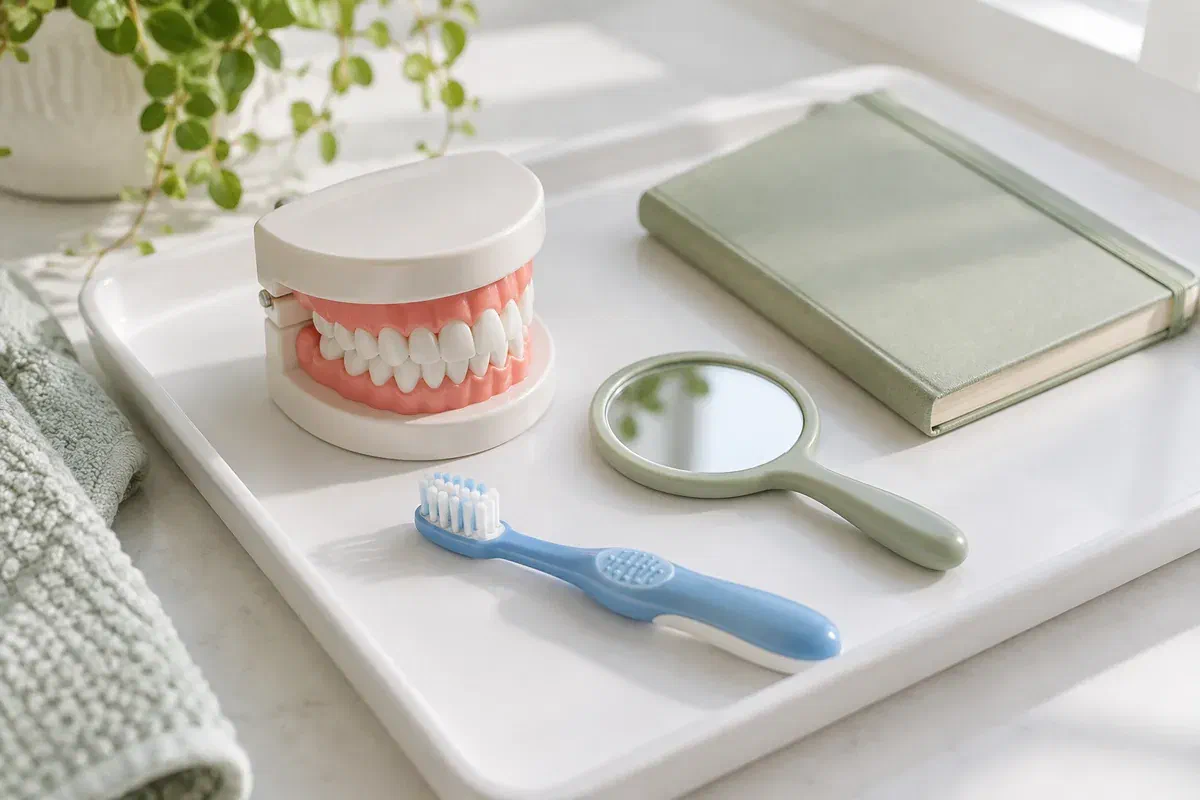
Illustrative child-sized toothbrush and dental teaching model for home-care instruction
Bring the areas that keep getting missed

A small detail can make the advice more useful.

Describe the particular difficulty instead of feeling you need to present a perfect routine. The team can help identify whether it is a technique question or a concern requiring examination.

Back teeth that are hard to reach

Newly arriving molars, crowded areas, and limited visibility can make cleaning confusing. Ask the team to show the surfaces that need attention. A child may be moving the brush enthusiastically without its bristles reaching the area you are trying to clean.

Resistance to help or uncomfortable sensations

Explain whether your child objects to adult assistance, toothpaste flavour, brush texture, or something that hurts. These are different issues and may need different responses. Do not assume resistance is simply unwillingness when a sore area has not been assessed.

Build-up, bleeding, or a persistent food trap

Point out deposits or symptoms that keep returning. Tell the clinician whether an area bleeds despite gentle cleaning or repeatedly catches food. More forceful brushing is not a substitute for understanding the cause and deciding what care is needed.

If brushing has suddenly become painful or your child has swelling, call about the symptom. A routine cleaning may not be the most appropriate first appointment.

What the visit can help your family do

Connect professional cleaning with a routine you can repeat.

The cleaning method should match the deposits, surfaces, and child's needs. Appropriate professional care can remove plaque, external staining, or hardened deposits and make examination easier. It also creates an opportunity to demonstrate practical techniques rather than offer only broad instructions.

The visit does not replace daily plaque removal or treatment for a diagnosed problem. Ask what was achieved by cleaning and what remains to be addressed separately. A useful outcome is understanding the next practical step as well as knowing the teeth have received attention.

Patient information: AAPD — the role of professional cleaning in pediatric dentistry

A demonstration of the difficult area

Ask the team to show you where the brush should reach and how to position it gently. A model can help explain the idea, but advice should relate to your child's mouth. You can ask to repeat the movement so any uncertainty is noticed before leaving.

A clearer division of responsibility

Children develop coordination and independence at different rates. Discuss which parts your child can practise and where an adult still needs to assist. The aim is a supported routine, rather than transferring the whole task because the child can hold a brush.

A manageable way to review progress

Choose a specific point to revisit, such as whether reaching a lower back tooth is becoming easier. At the next appointment, describe what helped and what did not. That feedback can make subsequent advice more relevant to the family.

During the cleaning and instruction visit

Look at the routine, provide appropriate care, and practise together.

Ask what is included in the appointment and whether an examination or other preventive service is planned. Each part should have a clear purpose.

  1. Share the home-care routine and health updates

    Describe brushing help, products, difficult areas, and any new symptoms. Mention medicines or health changes that may be relevant. If you are unsure whether a product is suitable, bring its name or packaging so the discussion refers to the actual item.

  2. Identify deposits and areas needing assessment

    The team checks the cleaning needs and notes findings that may require a dentist's review. Explain discomfort before an instrument touches a sensitive area. Stains, swelling, and damaged surfaces should be understood rather than automatically treated as something to polish away.

  3. Clean using appropriate methods

    The clinician selects the instruments and techniques needed for the findings and the child's ability to participate. Ask for explanations or pauses where helpful. Not every appointment requires identical equipment or the same amount of cleaning on every surface.

  4. Demonstrate the next home-care step

    Review brushing and suitable cleaning between teeth, with attention to the places discussed. Confirm age-appropriate toothpaste advice and the level of adult help needed. Ask when to return and whether any separate treatment or assessment remains.

Making the advice work at home

Keep the routine gentle and the instructions specific.

Follow any product-specific advice if fluoride or another treatment was provided alongside the cleaning. Otherwise, continue the daily care plan you have discussed with the team.

Use a brush that reaches comfortably

Ask about a soft brush with a size and handle suited to the child and caregiver. Replace worn or splayed bristles rather than pressing harder. A familiar routine with an appropriate brush can be more useful than repeatedly buying a new product without reviewing technique.

Help with the areas your child cannot manage

Keep adult support appropriate to the child's abilities. Let them practise while ensuring the necessary cleaning is completed safely. Ask for another demonstration if the suggested position is uncomfortable or does not let you see the difficult surface.

Raise persistent symptoms instead of escalating pressure

If bleeding, soreness, or food trapping continues, contact the clinic for advice. Tell the team which changes you have tried and what happens afterward. Do not use sharp scraping tools or force floss into a painful area in an attempt to solve it yourself.

Patient information: Canadian Dental Association — cleaning children’s teeth

Choosing the next kind of care

Match the visit to the problem you want help understanding.

Cleaning, prevention, and diagnosis may be combined, but they are not interchangeable. Ask which services are recommended and why.

When deposits and everyday technique are the focus

Cleaning with practical home-care coaching

A visit can address identified cleaning needs and help your family practise a workable routine. Share the specific difficulty you want to resolve. Confirm what was completed and how to review the advice between appointments.

When pain, gum changes, or damage needs diagnosis

An examination for a persistent concern

Some symptoms cannot be explained or treated by cleaning alone. The dentist may need to examine the area and discuss further assessment. Tell the clinic about the symptom when arranging care so the appointment can be planned appropriately.

When risk or access needs call for another step

Additional prevention or adapted support

Fluoride, sealants, changes to home care, or a different appointment approach may be considered individually. Ask how the recommendation relates to your child's risk and needs. More products or longer appointments are not automatically the most useful answer.

Questions about cleaning routines and professional care

Make room for the details that are difficult at home.

You can ask for help with a particular tooth surface or a practical obstacle. The discussion does not need to begin with a technical dental term.

(905) 876-4488
Can I bring my child’s usual toothbrush to ask whether it suits their mouth?
Yes. Seeing the size, handle, and condition can make the discussion more specific. Tell the team who normally uses it and which area is difficult to reach. A suitable brush still needs an appropriate technique and adult help where required.
How can we discuss brushing when my child wants to do everything independently?
Explain that preference to the team. Ask which parts your child can practise and which still need an adult’s help. The plan can support participation without assuming that holding the brush means every surface is being cleaned effectively.
Should a newly erupted back tooth be included in the brushing demonstration?
Yes, point it out and ask how to reach its chewing surface and sides. A tooth arriving behind the existing teeth can be easy to overlook. The clinician can explain what is appropriate for that area and whether any additional assessment or prevention is indicated.
Can a cleaning appointment help us learn how to clean between touching baby teeth?
Ask for a demonstration suited to the contacts and your child’s needs. Adult help may be required, and the technique should be gentle. Do not snap floss into the gums or assume that a painful food trap is only a matter of trying harder.
Does buying a powered toothbrush mean my child no longer needs brushing help?
No. The child still needs to reach the right surfaces and use the brush appropriately. Ask whether a particular model and technique suit their abilities and sensory preferences. The amount of adult assistance should reflect actual cleaning needs, not the type of motor.
Can professional cleaning compensate for regularly missed bedtime brushing?
No. An appointment cannot replace the daily routine between visits. Tell the team what makes the evening difficult and ask for a practical plan. The aim is to make appropriate care repeatable, while separately addressing any deposits or dental problems found.
Teeth cleaning for children in Milton

Leave with guidance you can use at the bathroom sink.

Contact our Bronte Street practice to arrange your child's cleaning discussion. Mention the areas that are hard to reach and any symptoms, so the appointment can support both professional care and the routine at home.

The cleaning approach and additional care depend on assessment. Please mention pain or persistent gum symptoms when booking.

Visit Milton Dental Clinic
Unit 1, 342 Bronte St. S, Milton, ON L9T 5B7
Get directions Clinic hours
Monday–Thursday
11am–7pm
Friday–Sunday
By appointment only

How can we help?

Milton Dental Clinic

Have a question about your smile? Choose the option that works best for you.

For urgent dental concerns, please call.
Messages are reviewed during clinic hours.