

Illustrative child and parent watching a brushing demonstration on a dental model
Children’s Dentistry

Teeth Cleaning for Children in Burlington

By 8 p.m., a tired child and a tired parent can turn two minutes of brushing into a standoff. For households coming from Burlington, a children’s cleaning appointment offers professional care plus realistic ideas for the bedtime routine that actually happens.

The end-of-day struggle

Brushing at bedtime, when everyone is running on empty

The evening brush matters, and it often arrives at the worst moment. Pyjamas are half on, a story is waiting, and your child clamps their mouth shut the second the brush comes near. Plenty of parents quietly skip the back teeth just to finish. That is precisely the kind of detail to share at a cleaning visit.

Be honest about the pattern. Maybe mornings go smoothly and nights fall apart. Perhaps one flavour causes protests, or your child is simply too sleepy to stand at the sink. Knowing who helps, what time brushing happens, and where it breaks down lets the team suggest changes that fit your home.

No single appointment can make up for a routine that keeps slipping. What it can do is remove the deposits that are found, let the dentist examine the teeth properly, and give you a technique to try. A clean, polished look afterwards is not the same as confirming there are no cavities or gum concerns.

Plan a cleaning and evening-routine chat
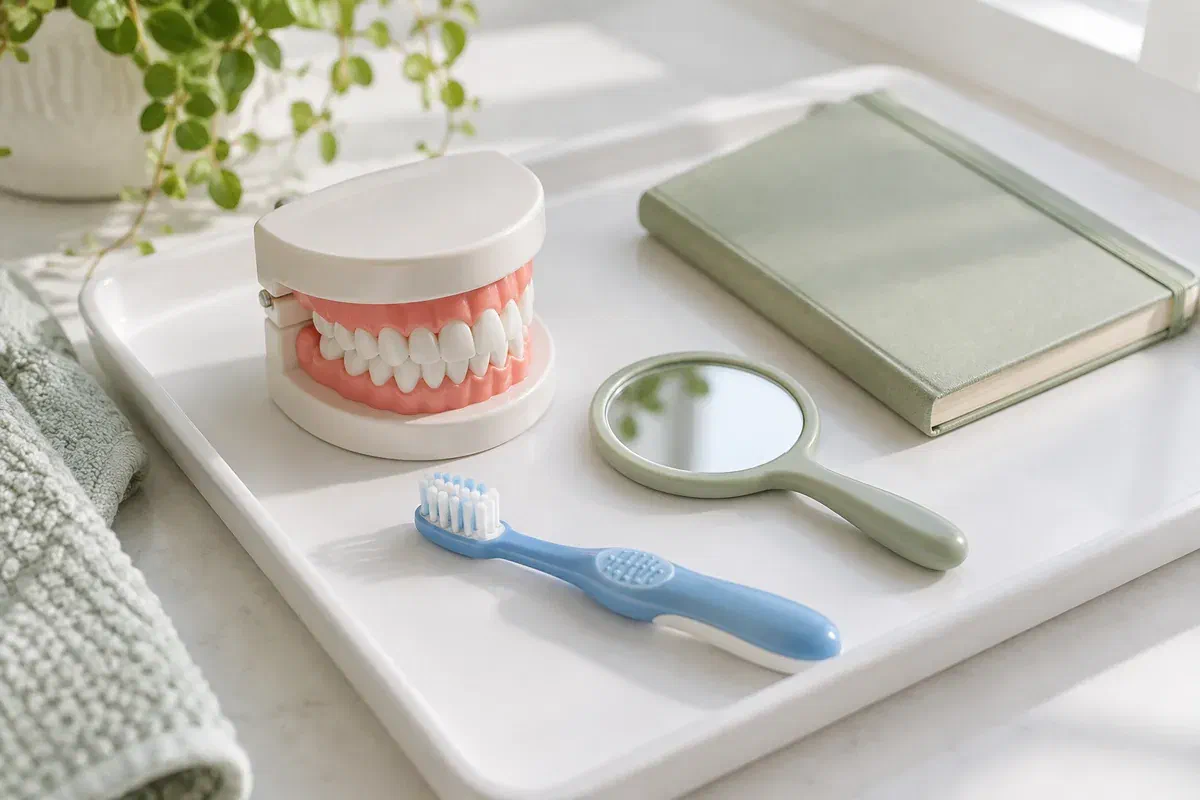
Illustrative child-sized toothbrush and dental teaching model for home-care instruction
Bring the hard parts with you

Tell us where the night routine unravels

Nobody expects a perfect report. Describing the specific difficulty helps the team separate a technique question from a concern that needs an examination.

The back teeth that get skipped when time runs short

When brushing is rushed, newly erupting molars and crowded areas are usually the first to be missed. Ask the clinician to show where plaque is collecting. Seeing the exact surfaces can help you spend those limited seconds where they count most.

Refusal, tiredness, or a hidden sore spot

A child may resist because of fatigue, dislike of the toothpaste, the feel of the bristles, or because something genuinely hurts. Explain what you notice. Assuming it is only bedtime behaviour could mean a painful area is overlooked.

Deposits or bleeding that return

Mention any build-up you can see, gums that bleed with gentle brushing, or food that keeps getting stuck. Scrubbing harder at night will not reveal the cause. The team can help decide what kind of care the area needs.

If your child suddenly finds brushing painful or has swelling, call about it first. A routine cleaning might not be the right place to begin.

What a cleaning visit can offer

Professional care and a routine you can keep up at night

Cleaning should be matched to the deposits, the surfaces involved, and how your child copes in the chair. Appropriate professional care can remove plaque, surface stains, and hardened deposits, which also helps the dentist see clearly. Just as useful is the chance to watch a demonstration instead of hearing general instructions.

The visit does not take the place of daily brushing, nor does it treat a diagnosed problem. Ask what the cleaning achieved and what might need separate attention. The most useful takeaway is a practical change you can try tomorrow night.

Patient information: AAPD — the role of professional cleaning in pediatric dentistry

A faster, more targeted technique

Ask to see how to reach the tricky areas efficiently and gently. Advice based on your child’s own teeth is more helpful than a model alone. Practise the movement before you go so you can ask questions while they are fresh.

Deciding when your child brushes and when you do

Some families let the child brush in the morning and have an adult brush at night. Discuss what makes sense for your child’s abilities. The goal is a dependable routine, not a sudden handover because your child wants to do it alone.

One evening goal to track

Pick something small and measurable, such as brushing the lower molars every night this month. Share how it went at the following visit. Concrete feedback lets the team fine-tune advice for your family.

How the visit runs

Four parts, each with a reason

Feel free to ask what is included and whether an exam or another preventive service is happening at the same visit. You should know why each step is there.

  1. Describe your routine honestly

    Share who brushes, when, which products you use, and where things fall apart. Tell the team about medicines, health changes, or new symptoms. If you are unsure about a toothpaste or rinse, bring it so the conversation is about the real product.

  2. Spot deposits and anything to examine

    The team identifies what needs cleaning and notes findings for the dentist. Let them know about tender areas before instruments reach them. A stain, swelling, or chipped surface needs to be understood, not simply polished away.

  3. Clean with suitable methods

    Tools and techniques are chosen to fit the findings and your child’s ability to cooperate. Breaks and explanations are always an option. The same equipment and amount of cleaning are not needed for every child or every tooth.

  4. Rehearse the bedtime steps

    Brushing and appropriate cleaning between teeth are reviewed, with attention to the areas you raised. Confirm toothpaste advice for your child’s age and how much help to give. Before leaving, find out when to come back and whether anything else needs assessment.

Tonight and the nights after

Short, gentle, and consistent beats long and stressful.

Follow any instructions specific to fluoride or another product applied during the visit. Otherwise, continue with the plan you discussed.

Keep the brush suitable and fresh

Use a soft brush with a head and handle that suit your child and the adult helping. Replace it once the bristles start to splay. A well-used, appropriate brush and good technique usually matter more than constantly switching products.

Finish the parts your child cannot reach

Let your child have a go, then complete the cleaning gently, especially at night. Match your help to what they can really manage. If the position the team showed you is awkward, ask for an alternative at the next visit.

Get advice about ongoing symptoms

If bleeding, soreness, or food trapping keeps happening, contact the clinic. Explain what you have tried and what you noticed. Avoid sharp tools or forcing floss into a painful spot as a home fix.

Patient information: Canadian Dental Association — cleaning children’s teeth

Matching care to the concern

Not every question is answered by a cleaning.

Cleaning, preventive treatment, and diagnosis can share an appointment, but each has its own role. Ask what is being recommended and why.

When deposits and day-to-day brushing are the focus

Cleaning with routine coaching

This addresses the cleaning needs identified and gives you practical help with the home routine. Name the specific problem you want solved. Confirm what was completed and how you will check the advice before the next visit.

When pain, gum changes, or damage needs a diagnosis

Examining a concern that persists

Some symptoms need more than cleaning to explain or treat. The dentist may examine the area and talk about further assessment. Mention the symptom when booking so the visit can be planned around it.

When risk or access needs suggest an extra step

Prevention tailored to your child

Fluoride, sealants, home-care changes, or a different appointment approach may be considered individually. Ask how the recommendation relates to your child’s risk and needs. More products or longer visits are not automatically the answer.

Evening-routine questions

Practical answers for the bathroom at bedtime

A question about one stubborn tooth or one difficult moment is a fine starting point. You do not need dental terms.

(905) 876-4488
Is it better to brush before or after the bedtime story?
There is no single right order. Some families find brushing before the story avoids a sleepy, resistant child. Choose a time when your child is calm enough to cooperate, and keep the routine predictable so it becomes easier over time.
My child falls asleep before brushing. What can we do?
Consider moving brushing earlier in the evening routine, before your child gets too tired. Avoid food or sugary drinks after brushing. Mention the pattern to the team, who can suggest practical adjustments for your household.
Should my child have a drink of milk after brushing at night?
Ask the team for advice specific to your child. Generally, drinks other than water after the evening brush can leave sugars on the teeth overnight. The team can suggest ways to adjust the routine if this is a habit.
Can we use a timer or song to help with brushing?
Many families find a timer, song, or app helps children brush for long enough. These tools can support the routine, but adult checking is still important for younger children. Ask the team which areas to focus on during that time.
We travel from Burlington. Can the visit be scheduled to avoid a late evening?
Ask about available times when booking, keeping in mind when your child is usually most settled. Clinic hours and availability vary, so mention your preferences so the team can suggest a suitable slot.
Is it all right to skip flossing if brushing alone is a struggle?
Talk to the team about what is realistic. Cleaning between teeth that touch can be important, but the method and amount of help should suit your child. The team can show a gentle approach that fits into a busy evening.
Children’s teeth cleaning for Burlington households

Make tomorrow night’s brush a little easier.

Call our Bronte Street practice to arrange your child’s cleaning. If you are coming from Burlington, mention the difficult areas and any symptoms, so the visit supports both professional care and your evening routine.

The cleaning approach and any further care depend on assessment. Please tell us about pain or ongoing gum symptoms when booking.

Visit Milton Dental Clinic
Unit 1, 342 Bronte St. S, Milton, ON L9T 5B7
Get directions Clinic hours
Monday–Thursday
11am–7pm
Friday–Sunday
By appointment only

Areas we serve

  • Milton
  • Oakville
  • Mississauga
  • Georgetown
  • Halton Hills
  • Acton
  • Campbellville
  • Brampton
  • Burlington
  • Puslinch
  • Rockwood
  • Erin
  • Caledon
  • Etobicoke
  • Old Milton
  • Bronte Meadows
  • Timberlea
  • Dorset Park
  • Dempsey
  • Clarke
  • Beaty
  • Coates
  • Harrison
  • Scott
  • Willmott
  • Ford
  • Bowes
  • Cobden
  • Walker
  • Mountain View
  • Milton Heights
  • Hawthorne Village
  • Valley View
  • Fallingbrook
  • Nassagaweya
  • Trafalgar
  • Esquesing
  • Nelson
  • Brookville
  • Moffat
  • Glen Williams
  • Norval
  • Limehouse
  • Stewarttown
  • Ashgrove
  • Hornby
  • Silver Creek
  • Speyside
  • Scotch Block
  • North Oakville
  • River Oaks
  • Glen Abbey
  • West Oak Trails
  • Palermo
  • Bronte Creek
  • College Park
  • Joshua Creek
  • Uptown Core
  • Preserve
  • Iroquois Ridge
  • Lisgar
  • Meadowvale
  • Meadowvale Village
  • Churchill Meadows
  • Erin Mills
  • Central Erin Mills
  • Streetsville
  • East Credit
  • Creditview
  • Heartland
  • Sheridan
  • Mount Pleasant
  • Credit Valley
  • Huttonville
  • Churchville
  • Springbrook
  • Northwest Brampton
  • Bram West
  • Fletcher's Meadow
  • Fletcher's Creek South
  • Alton Village
  • Orchard
  • Millcroft
  • Headon Forest
  • Tansley
  • Brant Hills
  • Tyandaga
  • Kilbride
  • Lowville
  • Aberfoyle
  • Morriston
  • Arkell
  • Hillsburgh
  • Freelton
  • Carlisle
  • Waterdown
  • Flamborough
  • Mountsberg

How can we help?

Milton Dental Clinic

Have a question about your smile? Choose the option that works best for you.

For urgent dental concerns, please call.
Messages are reviewed during clinic hours.