There was an impact
A fall, a blow or a collision changes the urgency. Tell us if the tooth moved, bled or became tender. Even a minor-looking chip after a real hit should be checked soon, because injuries can affect more than the visible edge.


A painless chip is easy to put off until the next time you're in town. For households in Puslinch, we help you decide what can wait and what shouldn't, check the tooth properly, and explain when a composite bonding repair is a reasonable choice.
When a chip doesn't hurt, it slides down the list behind work, family and everything else. Often a chip can be planned rather than rushed. For a suitable tooth, bonding rebuilds the edge with tooth-coloured resin, sculpted directly on the tooth and polished to match the enamel.
Some chips shouldn't wait, though. A tooth knocked hard, an old filling that has broken and left a gap where food packs in, or a corner that keeps breaking off can all get worse with time. A short assessment helps sort out which kind you have, so you are not guessing from the mirror or making an extra trip that turns out to be unnecessary.
If you're booking from Puslinch, tell us how the tooth chipped, how long ago, and whether anything has changed since. We examine it, explain the findings and discuss bonding and other options, including whether it's fine to schedule the repair later. You don't need to decide in advance.
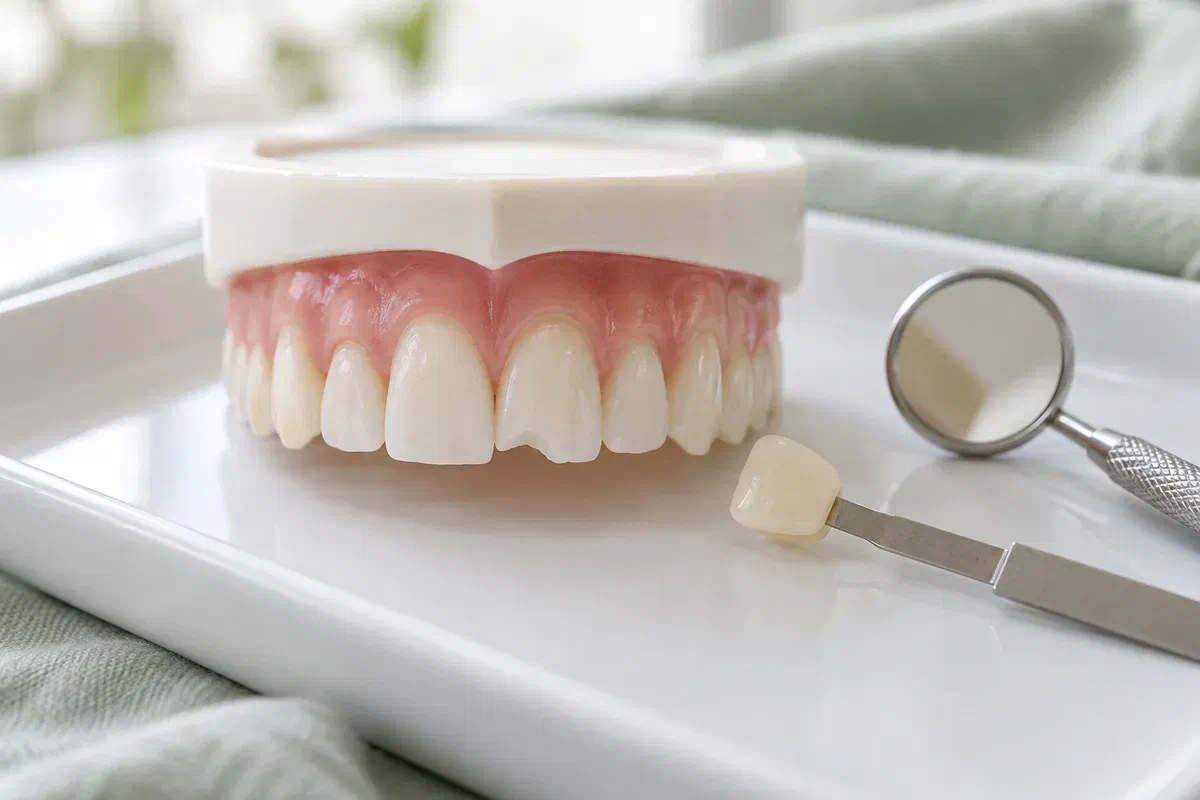
Your answers help us suggest how quickly the tooth should be seen. Mention them even if the chip feels comfortable.
A fall, a blow or a collision changes the urgency. Tell us if the tooth moved, bled or became tender. Even a minor-looking chip after a real hit should be checked soon, because injuries can affect more than the visible edge.
Describe where it catches your lip or tongue and whether chewing feels different. This kind of chip can often be planned, but avoid testing it with hard foods in the meantime. Smoothing or bonding can then be discussed at the visit.
A chip that grows, a corner that keeps breaking or a gap where food gets stuck suggests the tooth needs attention sooner. Mention grinding, clenching and earlier repairs, and bring any guard or retainer you wear.
Save any broken piece in milk or saliva, sealed in a small container, and bring it in. The dentist can decide whether reattachment is feasible. Gluing it yourself isn't safe.
For a suitable chip, resin is shade-matched and sculpted to restore the tooth's outline. Repairing a small defect may smooth a rough edge, rebuild part of the biting surface, and help protect what remains from further chipping.
Bonding has limits. Composite can stain, wear or chip, and its lifespan depends on the tooth and your bite. Ask what's realistic for your repair, and whether waiting a little longer would change the options. For many small chips the answer is no, but it is better to hear that from an exam than to assume it.
Patient information: Canadian Dental Association — bonding and veneers · Cleveland Clinic — dental bonding and maintenance
Ask how much of the tooth would be treated now and how that might change if the chip grows. A contained chip is often repaired locally. The decision depends on remaining enamel, the fracture pattern and any existing filling.
Explain whether length, evenness or a rough corner matters most to you. Ask how the planned edge would relate to the neighbouring tooth. You can focus on one tooth without being expected to change your whole smile.
Ask what would mean polishing, repair or replacement later and whether those checks can line up with routine visits. That helps you compare bonding with other options. Confirm the estimate and whether further assessment is needed.
Steps vary with the tooth and the treatment chosen. Feeling uneasy about treatment is worth mentioning when you book, so we can plan around it.
We talk about when and how it chipped and any discomfort, sensitivity or changes. The clinician examines the tooth and decides whether X-rays are needed. Ask whether anything found would make waiting a poor idea.
You'll compare bonding with other reasonable options and decide when to proceed. If whitening is on your list, mention it, since it may be better done first. Ask whether the repair could be booked alongside other appointments.
When you're ready, the surface is prepared and resin is applied in layers, shaped and hardened with a curing light. Preparation and the need for freezing depend on the repair, so ask what your visit will involve.
The repaired edge is smoothed and polished, and the clinician checks how your teeth meet. Mention it if the tooth feels high or strange. We explain aftercare and whether a follow-up is recommended.
Follow the instructions for your repair. If you had freezing, avoid eating until normal feeling returns so you don't bite your cheek or lip.
Nothing special is needed beyond a fluoride toothpaste and daily flossing or interdental brushes. Resin gathers plaque along its edges like natural enamel. Ask for a demonstration if the repair's shape makes flossing feel awkward.
Avoid opening bags, cutting twine or cracking hard foods with the repaired tooth. If you grind or clench, ask whether an appliance would help. That depends on your habits rather than being a standard part of bonding.
Phone if the edge roughens, your bite changes or part of the repair breaks off. Avoid filing it yourself. If the chip followed an injury, keep any review visit, since a tidy surface doesn't confirm the tooth has recovered.
Patient information: NHS — assessment and treatment of chipped or broken teeth
Ask about urgency, appearance and upkeep together. A good plan fits both the tooth's needs and your calendar.
Get in touch with our Bronte Street practice and we'll fit an assessment into your plans. Tell us when it happened and whether there's pain, sensitivity or looseness so we can suggest how soon you should come in and what to plan for.
Bonding is one of several possible repairs. Recent injuries and urgent symptoms are best discussed by phone so we can advise you without delay.
