The tray is lost or damaged
Contact us soon, and say how long it has been since you wore it. Ask what to do meanwhile. Bring any broken parts, and don’t attempt a fix with glue or by heating the plastic.


Full-time, nights only, or a few nights a week? Wear schedules for clear retainers are personal, and they are easy to lose track of. From Acton, you can have yours reviewed, along with the tray’s fit, your cleaning routine and the steps to take if a retainer is lost or damaged.
Ask three former orthodontic patients how long they wear their retainer and you may hear three different answers. That is not necessarily a mistake. The retainer itself is clear plastic, moulded to your teeth and taken out by hand, and it holds the positions treatment achieved, and the hours it needs depend on the person. It may look like an aligner, but it is not meant to start new movement.
Teeth can shift slowly over many years, so wear is rarely something that simply stops. Your schedule may change over time, but only on the advice of the clinician who knows your case.
Driving in from Acton, bring the tray and whatever instructions you received from your orthodontic team, even if they are scribbled on a card. We can compare the plan with how your teeth and the appliance look today.
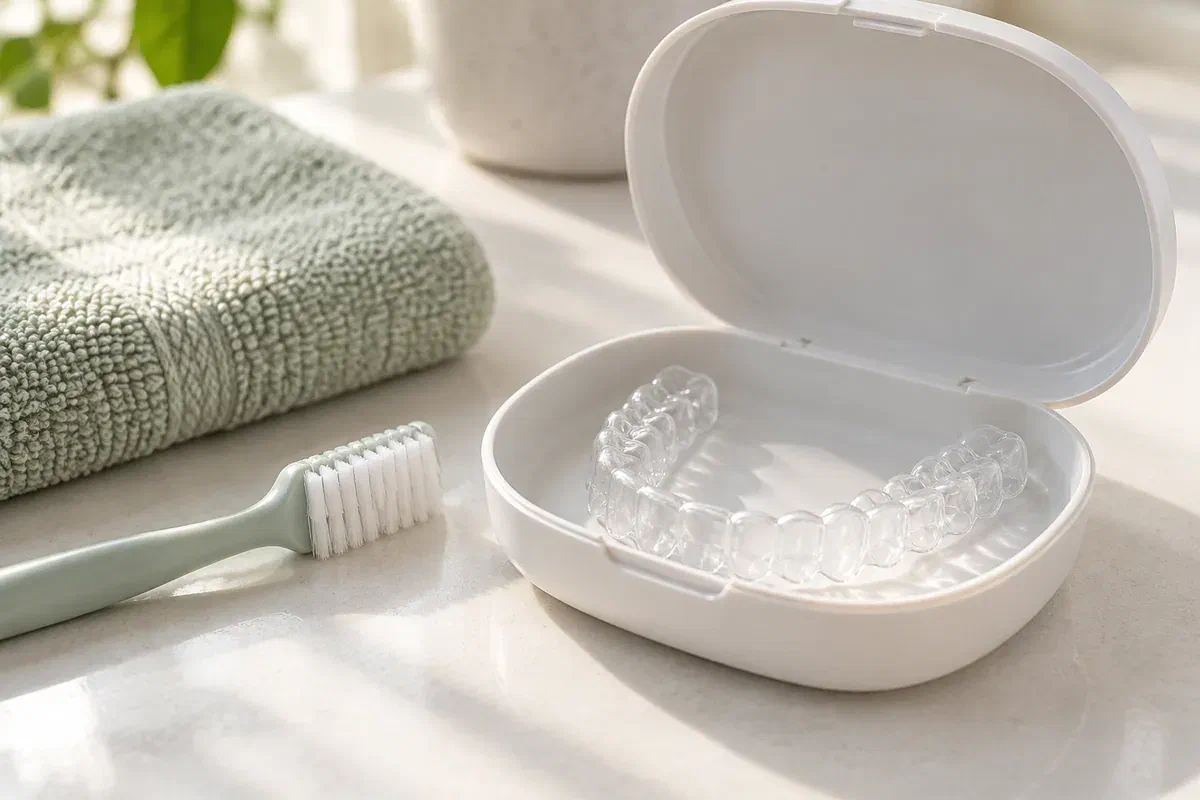
Gaps in wear, changes in fit and simple confusion often turn up together. Tell us what has happened, so we can sort out whether the tray, the teeth or the plan needs attention.
Contact us soon, and say how long it has been since you wore it. Ask what to do meanwhile. Bring any broken parts, and don’t attempt a fix with glue or by heating the plastic.
A tray that pinches or stops short after a break in wear may point to some movement, a warped appliance, or both. Mention any recent dental treatment too. Avoid pushing or biting it into place.
If what you remember differs from what you have read online, or your work and sleep patterns have changed, ask for a schedule that fits you now. Confirm who is responsible for monitoring your retention and when the next check is due.
If a crown, filling or bonding is planned, bring your retainer along. Reshaping a tooth can alter the fit, and your wear plan may need adjusting around the treatment.
A well-fitting retainer worn on the right schedule can help keep the result of orthodontic care. Too little wear may let teeth drift, while guessing can leave you unsure whether you are doing enough. Teeth can still change despite good habits, so periodic reviews stay worthwhile.
A clear removable tray suits many people because it is subtle and lifts out for meals and brushing. It does demand consistency. Talk to someone familiar with your treatment about how the schedule fits shift work, travel or young children at home.
Patient information: British Orthodontic Society — retainers and long-term retention · American Association of Orthodontists — retention after orthodontics
Ask what your current hours are meant to achieve and how a change would be decided. Reasons make routines stick. Put the plan in writing and keep it with the case, so anyone in the house can check it.
During the fitting, pay attention to the feel of a fully seated tray and the gentle way to lift it out. Learn which sensations are expected and which mean a call. That makes it easier to judge whether tightness after a missed night is ordinary or a concern.
Know who to contact if the tray goes missing and how a replacement is decided. Ask about fees and what records may be needed. Having this settled helps you get back on schedule quickly after an accident.
A schedule review, a first retainer and a replacement involve different steps. You will know which one applies before any older impressions or files are relied on.
We go over when treatment ended, what you were told about wear and how you have actually been wearing the tray. Bring the appliance and any notes. After examining your teeth, we consider whether your orthodontic provider should be consulted.
With your history in mind, a clear tray is compared against other designs. If teeth have moved, decide whether to hold their present position or explore further treatment. A new schedule follows from that decision.
If a replacement is right, records are taken to make the tray for the positions you are keeping. Find out how long it will take and whether to wear anything in the meantime. A fresh tray cannot reverse earlier drift.
We check the seating and comfort and show you how to put the retainer in and take it out. Your hours, cleaning and follow-up are written down clearly. Practise before leaving and keep the contact number with the case.
Follow the care advice suited to your retainer material. If two sources disagree about cleaning or hours, ask before changing your routine.
Rinse the tray as it comes out and clean it regularly as advised. Hot water and abrasive toothpaste can distort or scratch clear plastic. Bleach and strong cleaners are not substitutes for a suitable retainer product.
Choose a single place for the case, such as beside your toothbrush, so the tray is never left loose. Keep it away from heat and pets. A tissue-wrapped retainer is easy to throw out. Wash the case regularly too.
Pair putting the retainer in with brushing at night. Keep regular dental visits and bring the tray to reviews. If soreness lasts, the fit changes or damage appears, call rather than skipping wear to avoid the discomfort.
Patient information: American Association of Orthodontists — cleaning a retainer · American Association of Orthodontists — a tight or poorly fitting retainer
Bring your current tray and any written instructions. The hours that suit you depend on your treatment, not on what works for someone else.
Call our Bronte Street practice about your wear schedule, a fit concern or a replacement. Bring your retainer and whatever instructions you have, so we can carry on from the orthodontic treatment you finished.
Whether a new tray is needed depends on looking at the appliance and how your teeth sit today. If a retainer is lost, damaged, sore or not seating, please contact us soon.
