

Illustrative patient discussing the appearance of uneven teeth during a dental consultation
Cosmetic Dentistry

Cosmetic Correction of Uneven Teeth

Uneven teeth can reflect differences in shape, wear, position, or the surrounding gumline. Explore cosmetic correction in Milton with an assessment that identifies the reason and compares suitable ways to change the appearance while respecting healthy tooth structure.

A closer look at uneven teeth

Understand the difference before deciding how to change it.

The word uneven can describe several different things: a shorter edge, a rotated tooth, a worn corner, or a gumline that makes one tooth appear longer. These features may look similar in a photograph, yet the options for managing them can be quite different.

Cosmetic correction begins by identifying what you are seeing and why it is present. Adding material changes a tooth's outline; careful contouring removes a limited amount of enamel; orthodontic treatment changes position. A plan may involve one approach, a considered sequence, or no elective treatment.

At Milton Dental Clinic, tell us which part of the smile draws your attention and whether it has changed recently. You can ask for a subtle adjustment without wanting a completely different smile. The aim is to understand the choices before making a lasting change to a healthy tooth.

Discuss an uneven edge or tooth shape
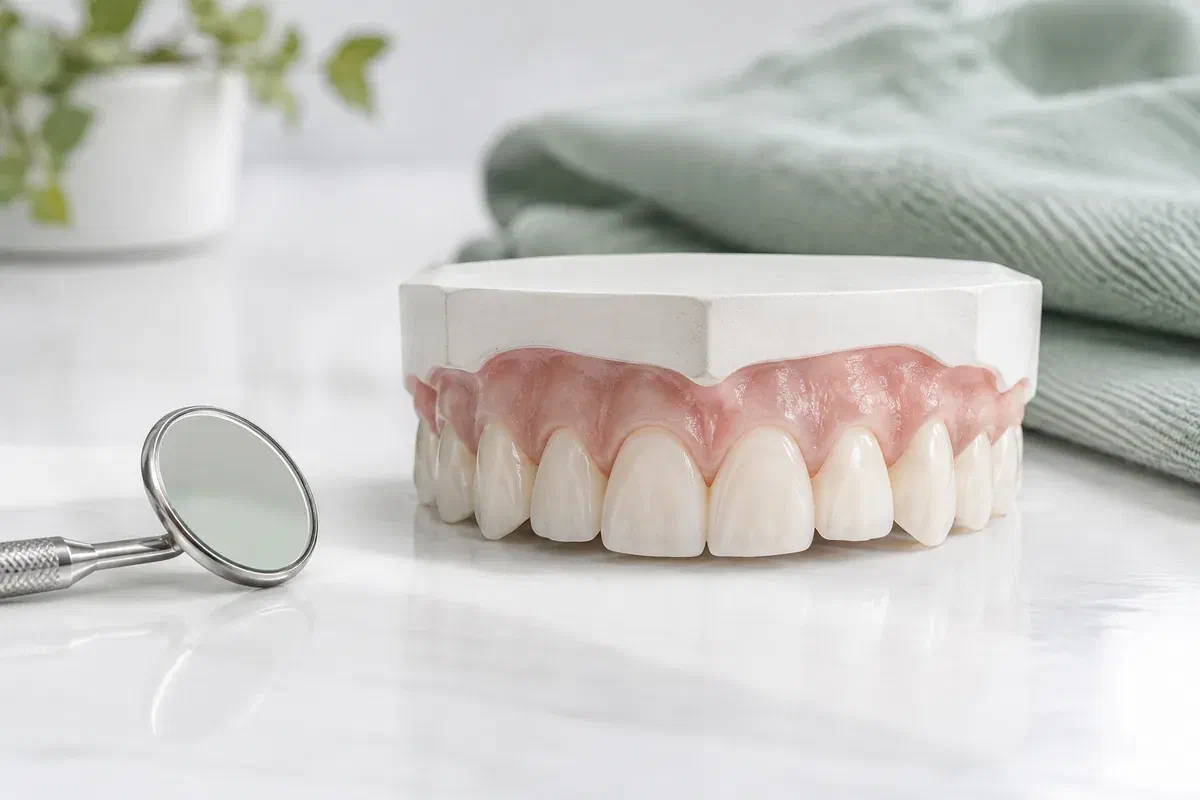
Illustrative teaching model showing modest differences in front-tooth edge lengths
Looking beyond the visible outline

Is the difference in the edge, the position, or the gumline?

Your description helps guide the examination. Point to the area that concerns you and explain whether the issue is appearance, comfort, a changed bite, or more than one of these.

Edges that seem different in length

A naturally shaped edge and a tooth shortened by wear are not the same starting point. Mention chips, sensitivity, and any recent change. Ask whether the difference can be addressed locally and what effect the proposed shape would have when you bite.

Teeth that overlap or appear turned

Position can make a tooth look wider, narrower, or more prominent. Covering a surface does not necessarily correct the underlying alignment. Ask whether an orthodontic opinion would help before choosing a restoration intended to disguise the appearance.

A gumline or old restoration that changes the impression

Sometimes the apparent difference comes from surrounding tissue or the outline of existing dental work. The assessment should identify that contribution. Ask whether the tooth itself needs altering or whether a different area requires review.

New unevenness, repeated chipping, or pain needs an explanation. Do not file a tooth at home to make the edges match; removing enamel is irreversible and can cause harm.

What a focused assessment can offer

Match the scale of treatment to the concern.

Understanding the source of the difference helps avoid choosing a procedure solely because it sounds quick. A limited change may be appropriate for one tooth, while another situation calls for management of wear or a review of alignment and the bite.

The discussion should also leave room for natural variation. Teeth do not need identical edges to be healthy or attractive. Explain what would feel like enough improvement for you, and ask whether achieving more would require a disproportionate change to sound structure.

Patient information: Cleveland Clinic — tooth contouring and enamel preservation · American Association of Orthodontists — tooth alignment and bite

A clear description of the feature being changed

Ask the clinician to show you the area and explain the proposed adjustment in ordinary terms. It helps to know whether material will be added, enamel removed, or teeth moved. Those actions have different commitments and should not be treated as interchangeable.

An opportunity to preserve what you like

You may prefer the character of your existing smile while wanting one distracting edge addressed. Say so explicitly. The planning conversation can distinguish the feature you want changed from details you would rather leave alone.

A comparison of immediate and longer-term implications

Discuss appointments, maintenance, possible future repairs, and any retention or protection that would be needed. A shorter initial procedure is not the only factor to consider. Ask what each option means for the tooth over time.

From a concern to an agreed plan

Identify the cause, compare the options, and choose the extent.

There is no single procedure called uneven-tooth correction. The steps after assessment depend on the diagnosis, your priorities, and the approach you choose.

  1. Review the history and inspect the smile

    Discuss when you first noticed the difference and whether it has progressed. The clinician assesses tooth surfaces, existing restorations, gums, and the bite. Relevant photographs or other records may help clarify the concern and any further questions.

  2. Explain the source of the uneven appearance

    Ask whether the main issue is contour, position, wear, tissue level, or a combination. If a cause remains uncertain, discuss what investigation is needed. A sensible plan should distinguish a stable cosmetic preference from a process that is still changing the teeth.

  3. Compare suitable treatment and observation choices

    Talk through a local restoration, limited contouring, orthodontic advice, or another relevant option. Confirm the amount of preparation and the intended outcome. If treatment is staged, ask why the order matters and when the result will be reassessed.

  4. Review the change and agree on ongoing care

    After any treatment, the clinician checks the appropriate fit, contacts, or bite according to the procedure. Explain any unfamiliar discomfort. Confirm the maintenance or retention plan and the point at which you should return for review.

After a cosmetic correction

Care should follow the treatment you actually received.

Bonding, contouring, and orthodontic movement have different aftercare needs. Ask for instructions specific to your plan rather than applying advice intended for another procedure.

Keep the newly shaped areas clean

Use the brushing and interdental cleaning methods recommended for your teeth. Ask about a contact that catches floss or an edge that feels rough. A cosmetic change should still allow you to carry out effective daily care comfortably.

Address the factors that contributed to damage

If wear or repeated chipping was identified, follow the recommended assessment and prevention plan. Report new breaks rather than repeatedly requesting a surface adjustment. An appearance-focused repair does not, by itself, explain or control every cause of tooth wear.

Follow any appliance and review instructions

If the plan includes orthodontics, retainers, or a protective appliance, confirm the correct wear routine. Bring existing appliances when further dental work is planned. Keep reviews so the clinician can assess both the appearance and how the teeth are functioning.

Patient information: Cleveland Clinic — tooth erosion and changes in tooth surfaces

Choosing how to address unevenness

Adding, reshaping, and moving teeth solve different problems.

Ask which approach addresses the actual source of the difference. The comparison should include preservation of tooth structure and the possibility of leaving a healthy variation untreated.

When the difference is in a suitable tooth edge

A small addition or carefully limited contour change

Bonding may add to a short or damaged area, while limited contouring can alter a minor irregularity where sufficient healthy enamel allows. Ask which is appropriate and why. Enamel removal is permanent, even when the amount is small.

When position and the bite contribute

Orthodontic assessment

Moving teeth may address a position-related concern more directly than changing their surfaces. An assessment can explain appliance choices, the likely commitment, and retention. Cosmetic appearance and how the teeth meet should be considered together.

When the cause lies elsewhere or no change is needed

Restorative or gum assessment, or observation

Existing restorations or tissue changes may need their own review. A healthy stable difference can also be left alone if you prefer. Ask what would be monitored and whether any symptoms or progression should prompt another appointment.

Patient information: American Association of Orthodontists — adult orthodontic options

Questions about uneven teeth

A more even smile starts with the right explanation.

Bring a photograph or describe the moment when you notice the difference most. Your observation can guide the discussion, while examination establishes the appropriate choices.

(905) 876-4488
Does one front tooth looking longer mean it should simply be shortened?
Not necessarily. Its position, edge shape, neighbouring tooth, or gumline may affect how long it appears. Ask what is creating the difference before agreeing to enamel removal. A different approach, or no treatment, may be more appropriate.
Can bonding make uneven teeth look aligned without actually moving them?
In selected situations, changing a surface can alter the visual impression. That does not necessarily correct tooth position or the bite. Ask what the proposed restoration would conceal, what it would leave unchanged, and whether orthodontic assessment would help.
Is it safe to use a nail file to even out a tiny tooth edge?
No. Home filing can remove healthy enamel, create sensitivity, and damage the tooth or bite. An apparently small difference still needs assessment before reduction. Tell the dentist what catches your attention and let them explain suitable alternatives.
Why would the dentist ask about grinding when I only want my tooth edges to match?
Wear or repeated damage may contribute to uneven edges and affect the prospects of a repair. Understanding those factors helps plan the shape and follow-up. Explain any known grinding, previous fractures, and appliance use even if appearance is your main concern.
Can natural differences between my teeth be left alone after an assessment?
Yes, if the findings support that choice. A cosmetic preference does not automatically require treatment. Ask whether there is a health concern, what would be monitored, and whether the difference is stable before deciding how much change you want.
Could correcting an uneven edge affect the fit of my existing retainer?
It can, because the appliance is shaped around the teeth. Bring it when discussing bonding or contour changes. The clinician can consider the effect on fit and coordinate any adjustment or replacement with the original retention plan.
Cosmetic correction of uneven teeth in Milton

Point out the difference you notice. We can help explain it.

Arrange an assessment at our Bronte Street practice to discuss tooth length, edges, or alignment. We can review the source of the uneven appearance and compare appropriate changes with your preferences and oral health in mind.

Treatment depends on the source of the difference. Healthy natural variation does not always need correction, and enamel removal cannot be reversed.

Visit Milton Dental Clinic
Unit 1, 342 Bronte St. S, Milton, ON L9T 5B7
Get directions Clinic hours
Monday–Thursday
11am–7pm
Friday–Sunday
By appointment only

How can we help?

Milton Dental Clinic

Have a question about your smile? Choose the option that works best for you.

For urgent dental concerns, please call.
Messages are reviewed during clinic hours.