

Illustrative patient discussing the appearance of uneven teeth during a dental consultation
Cosmetic Dentistry

Cosmetic Correction of Uneven Teeth in Etobicoke

Evening out a smile works best when each appointment counts. For anyone travelling from Etobicoke, we plan uneven-tooth care around a thorough first assessment, a clear explanation of the cause, and as few well-organised visits as your treatment safely allows.

Making each trip worthwhile

One good assessment saves a lot of back and forth.

When the drive is longer, you want to leave the first appointment knowing what you are dealing with. Uneven teeth can come from an edge that has chipped or worn, a tooth sitting out of line, or gum tissue at a different height. A clear diagnosis is what makes later visits efficient.

With the cause identified, the plan becomes easier to schedule. Bonding an edge may need only one treatment visit. Contouring is quick but permanent, so it is worth deciding on calmly. Orthodontic options mean regular check-ins over months. Some people decide that leaving a healthy difference alone is the most practical answer.

From Etobicoke, it helps to send or bring photos, a list of past dental work, and any retainer or guard you own. Tell us your scheduling limits. If something urgent happens between visits, such as pain or a break, call first; being seen closer to home may sometimes be the better choice.

Plan an uneven-teeth visit from a distance
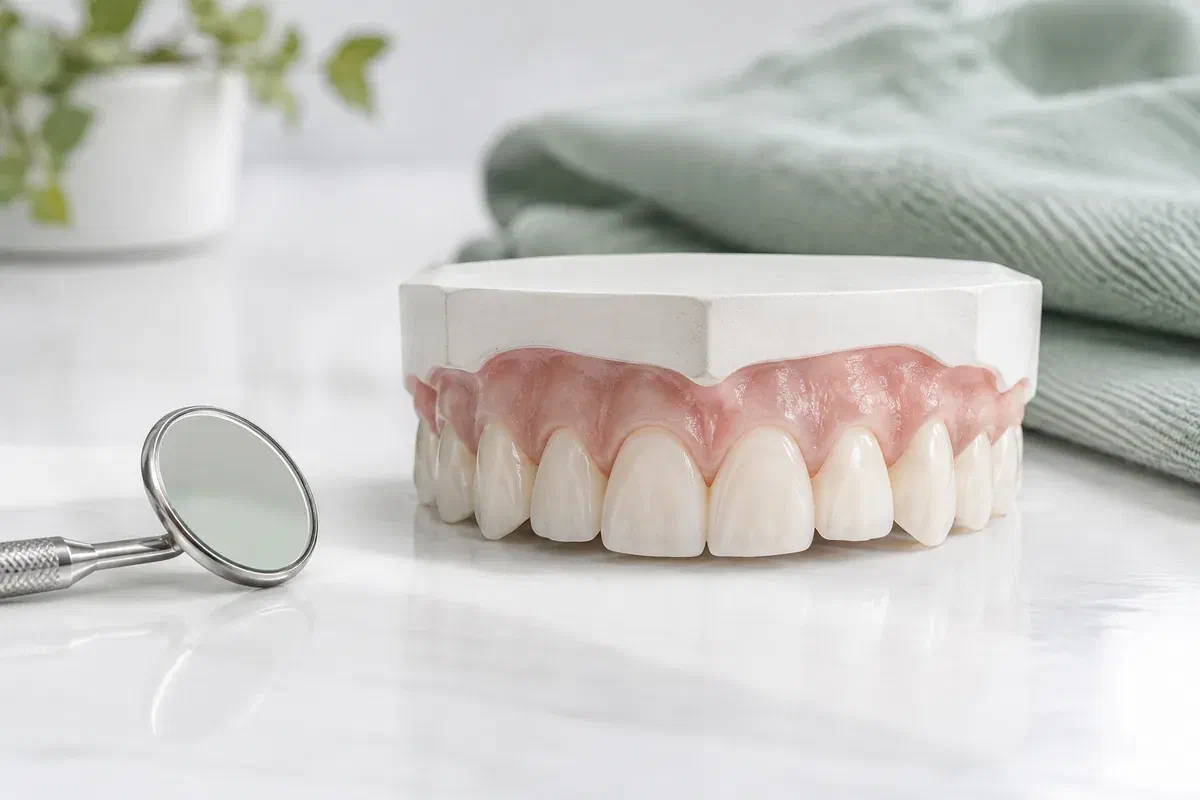
Illustrative teaching model showing modest differences in front-tooth edge lengths
Getting the diagnosis right the first time

Which part of the tooth is creating the effect?

Before your first visit, think about what you want changed and when you notice it. Note whether there is also sensitivity, chipping, or a different feel when your teeth close.

Length and shape of the biting edge

Edges can be uneven by nature or because of wear and chips. Point out anything recent and any sensitivity. Ask whether the edge can be treated in the same visit as the assessment, or whether more information is needed first.

A tooth that is turned or tilted

Position alone can make one tooth look bigger or more prominent. Covering it changes the surface but not where it sits. Ask whether orthodontic care is worth the extra visits, or whether a surface change would meet your goals.

Gum level or existing dental work

Sometimes the tooth is fine and the gum margin or an older restoration explains the difference. The assessment should identify this. Ask whether changing the tooth makes sense at all, or whether another area should be reviewed.

New unevenness, chips that keep returning, or pain should be assessed promptly, and closer care may be wise for anything urgent. Please do not file an edge at home; enamel is not replaced and the tooth may be damaged.

Efficiency without shortcuts

Fewer visits, still the right treatment

Knowing the cause helps you avoid choosing a procedure only because it means less travel. The fastest option is sometimes the right one, but a position or wear problem may need more than a single appointment to manage properly.

A thorough first visit also makes room for natural variation. Your teeth do not need to be perfectly matched to look good. Explain how much improvement is worth the travel to you, and ask whether more change would require removing or covering healthy structure.

Patient information: Cleveland Clinic — tooth contouring and enamel preservation · American Association of Orthodontists — tooth alignment and bite

A written outline of the plan

Ask for a summary of what would be done to each tooth and how many visits each step needs. Whether material is added, enamel taken away, or teeth moved, it helps to have it in writing for planning.

Focusing only on what bothers you

If one edge is the issue, a targeted change may be achievable in fewer visits. Be clear about what you want left alone, so the plan does not grow beyond your goal.

Realistic expectations about upkeep

Bonding may need repair down the line, and orthodontic results need retention and checks. Ask how often reviews would be needed, so you can plan travel and compare options fairly over time.

A well-organised sequence

Plan the visits, then make them count

There is no single treatment for uneven teeth. The number and timing of appointments depend on the cause, your goals, and the option you choose.

  1. A complete first assessment

    Bring photos, records, and appliances. The clinician examines enamel, gums, restorations, and the bite, and may take photographs. Mention any scheduling constraints so the next steps can be grouped sensibly.

  2. A clear explanation before you leave

    You learn whether the uneven look comes from shape, position, wear, gum level, or a mix. If something needs further investigation, ask whether it can happen in the same visit. Knowing whether the change is stable matters.

  3. Choosing an option that fits your schedule

    Compare bonding, limited contouring, orthodontic advice, other care, or monitoring. Confirm how much of the tooth would be changed and the result you can expect. If treatment is staged, ask how visits can be combined.

  4. A review planned in advance

    After treatment, fit, contacts, or bite are checked. Report anything unusual before you head home. Book your review and confirm what maintenance or retention you will handle between visits.

Looking after it from home

Aftercare you can manage between trips

Each kind of treatment has its own aftercare. Ask for instructions specific to your plan so you can look after the result well from home.

Daily cleaning around the change

Use the brushing and interdental methods you were shown. If floss snags or an edge feels rough after you get home, call and describe it. Cleaning should remain comfortable and simple.

Managing grinding or repeat chipping

If wear contributed, follow the protection plan carefully. A new break should be assessed rather than adjusted at the next convenient visit, since cosmetic repair cannot manage every cause of damage.

Appliance care and scheduled reviews

Wear any retainer, aligner, or guard exactly as directed. Bring appliances to appointments when more work is planned. Keeping reviews lets us check the look and function of your teeth together.

Patient information: Cleveland Clinic — tooth erosion and changes in tooth surfaces

Weighing your options

How many visits does each approach take?

Pick the approach that fits the real cause, then consider the schedule. Ask how much natural tooth each one keeps, and whether leaving a healthy variation alone is reasonable.

Usually the fewest appointments

Edge bonding or limited contouring

Bonding can build out a short or chipped edge, and careful contouring can smooth a minor irregularity where enough healthy enamel allows. Ask which is appropriate and why. Removing enamel is permanent.

Regular visits over months

Orthodontic treatment

Moving teeth may address a position problem more directly. Ask about appliance options, how often reviews would be needed, and retention, so you can judge whether the visits suit you.

Often folded into routine visits

Restorative or gum care, or monitoring

Older restorations or gum changes may need separate care. A healthy, stable difference can also be left untreated. Ask what would be watched and what should prompt an earlier call.

Patient information: American Association of Orthodontists — adult orthodontic options

Etobicoke planning questions

Questions worth asking before the first trip

Send photos ahead or bring them along. Your description helps us plan, and the examination confirms what fits.

(905) 876-4488
Can the assessment and an edge repair happen on the same day?
Sometimes, for a simple bonding repair, if the assessment shows it is suitable and there is time. Ask when booking. If further information or other care is needed first, treatment may need a separate visit.
What should I bring to make the first appointment efficient?
Bring photos that show the concern, any records from previous dentists or orthodontists, and appliances such as retainers or guards. A list of medications and past dental work also helps. The more the clinician knows at the start, the fewer questions are left for a second trip.
What happens if bonding chips between visits?
Call to describe what happened, and send a photo if you can. A small chip may safely wait for a planned visit, while a sharp or painful break may need sooner attention. Avoid smoothing it yourself, and keep any piece that came away so the clinician can see it.
Can orthodontic check-ins be spaced out to reduce travel?
Review frequency depends on the appliance and how treatment progresses. Ask what the minimum safe schedule would be, and whether some checks could be combined with other dental visits.
If I get urgent pain from Etobicoke, should I come in?
Call first. We can advise on the situation and whether you should be seen. For severe pain, swelling, or injury, nearby urgent care may be faster and safer than making the trip.
Will reshaping one edge change how my other teeth look?
A change to one tooth can affect how its neighbours appear in comparison. Ask the clinician to explain how the proposed edge relates to the surrounding teeth and whether any adjustment would be needed elsewhere.
Uneven teeth care for Etobicoke

A careful plan, built around your travel

Request a first appointment at our Bronte Street practice to look at uneven edges, length, or alignment. We will explain the cause and help you choose an option, and a visit schedule, that suit your goals and oral health.

What we suggest will follow the cause. A healthy difference may need no correction at all, and contouring takes away enamel permanently.

Visit Milton Dental Clinic
Unit 1, 342 Bronte St. S, Milton, ON L9T 5B7
Get directions Clinic hours
Monday–Thursday
11am–7pm
Friday–Sunday
By appointment only

Areas we serve

  • Milton
  • Oakville
  • Mississauga
  • Georgetown
  • Halton Hills
  • Acton
  • Campbellville
  • Brampton
  • Burlington
  • Puslinch
  • Rockwood
  • Erin
  • Caledon
  • Etobicoke
  • Old Milton
  • Bronte Meadows
  • Timberlea
  • Dorset Park
  • Dempsey
  • Clarke
  • Beaty
  • Coates
  • Harrison
  • Scott
  • Willmott
  • Ford
  • Bowes
  • Cobden
  • Walker
  • Mountain View
  • Milton Heights
  • Hawthorne Village
  • Valley View
  • Fallingbrook
  • Nassagaweya
  • Trafalgar
  • Esquesing
  • Nelson
  • Brookville
  • Moffat
  • Glen Williams
  • Norval
  • Limehouse
  • Stewarttown
  • Ashgrove
  • Hornby
  • Silver Creek
  • Speyside
  • Scotch Block
  • North Oakville
  • River Oaks
  • Glen Abbey
  • West Oak Trails
  • Palermo
  • Bronte Creek
  • College Park
  • Joshua Creek
  • Uptown Core
  • Preserve
  • Iroquois Ridge
  • Lisgar
  • Meadowvale
  • Meadowvale Village
  • Churchill Meadows
  • Erin Mills
  • Central Erin Mills
  • Streetsville
  • East Credit
  • Creditview
  • Heartland
  • Sheridan
  • Mount Pleasant
  • Credit Valley
  • Huttonville
  • Churchville
  • Springbrook
  • Northwest Brampton
  • Bram West
  • Fletcher's Meadow
  • Fletcher's Creek South
  • Alton Village
  • Orchard
  • Millcroft
  • Headon Forest
  • Tansley
  • Brant Hills
  • Tyandaga
  • Kilbride
  • Lowville
  • Aberfoyle
  • Morriston
  • Arkell
  • Hillsburgh
  • Freelton
  • Carlisle
  • Waterdown
  • Flamborough
  • Mountsberg

How can we help?

Milton Dental Clinic

Have a question about your smile? Choose the option that works best for you.

For urgent dental concerns, please call.
Messages are reviewed during clinic hours.