

Illustrative patient and dental clinician discussing crown treatment with a tooth model
Cosmetic Dentistry

Cosmetic Crown Treatment

When a tooth needs coverage as well as a considered appearance, a crown may be an option. Discuss cosmetic crown treatment in Milton with an assessment of the tooth, a comparison of alternatives, and careful attention to shade, shape, fit, and future care.

A closer look at cosmetic crown treatment

Consider the appearance and the tooth beneath it together.

A dental crown covers a prepared tooth with a custom restoration. When appearance is part of the treatment goal, planning includes the colour, contour, and relationship to nearby teeth. The reason for covering the tooth remains just as important as the way the crown will look.

A heavily restored, damaged, or significantly discoloured tooth may raise different questions from a healthy tooth with a minor cosmetic concern. Crown preparation changes tooth structure and is not reversible. Ask why this amount of coverage is recommended and whether a more limited option could meet the need.

At Milton Dental Clinic, we start with the condition of the tooth and your priorities. Perhaps an older crown no longer blends, a damaged front tooth needs restoration, or you want to understand a recommendation you have received. We can help you compare the choices before deciding.

Discuss a crown and your appearance goals
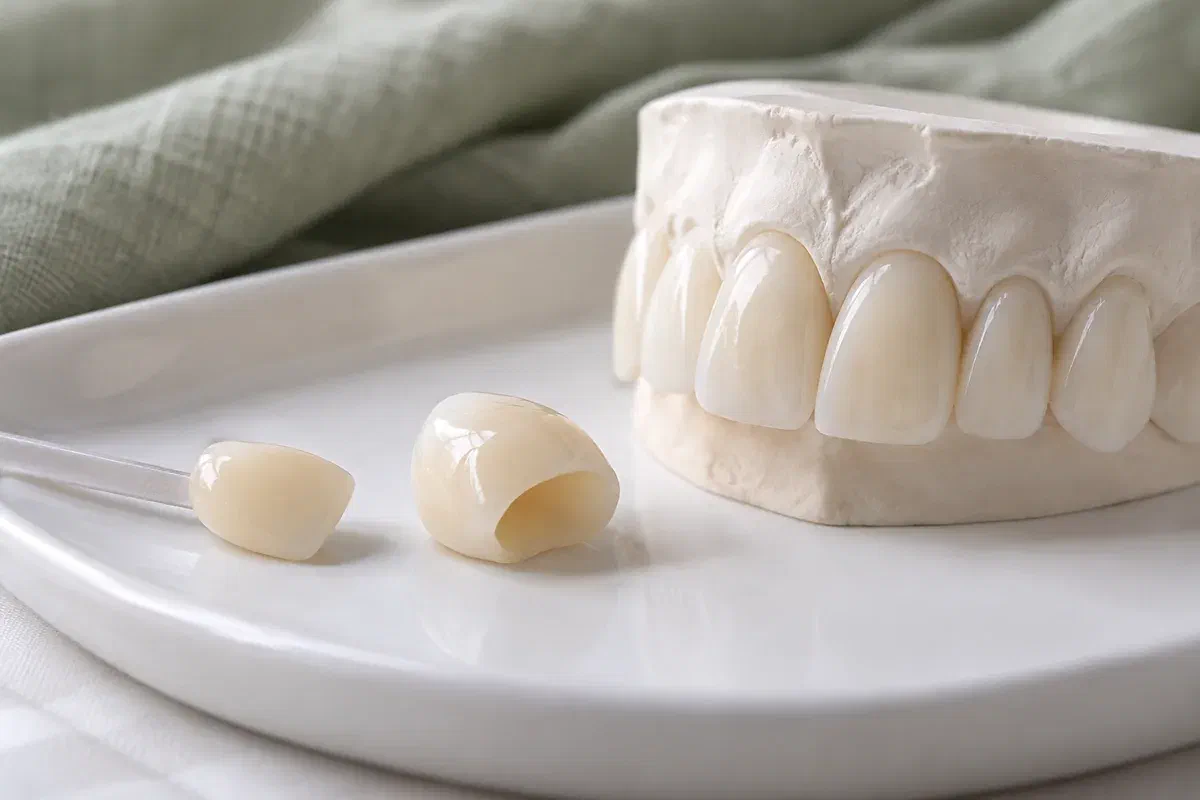
Illustrative tooth-coloured crown beside a front-tooth teaching model and shade sample
Reasons to discuss a cosmetic crown

Look at strength, existing work, and the visible result.

Tell us both what you notice in the mirror and what you feel when using the tooth. Those observations help identify whether the concern is cosmetic, structural, or a combination.

An existing crown that stands out

Explain whether colour, shape, or a visible margin is the concern and when it became noticeable. The tooth and surrounding gums need assessment before replacement is planned. Ask whether changing the crown would address the full issue or only one part of it.

A damaged or extensively restored tooth

Share any history of large fillings, fractures, or root canal treatment. The remaining structure influences the restoration options. Ask what support a crown is intended to provide and whether further treatment is needed before the final restoration can be made.

A darker tooth or a change in shape

A colour change should be understood before it is covered. Mention previous injury, discomfort, and the timing of the change. The clinician can discuss whether the tooth needs investigation and which appearance-related options are appropriate once its condition is clear.

A cosmetic goal does not automatically justify a crown on a healthy tooth. Ask about less extensive alternatives and the implications of preparing the tooth for long-term restorative care.

What a well-planned crown can address

Bring coverage, contour, and colour into the same decision.

Where a crown is appropriate, its design can restore a usable surface while considering the appearance of the smile. Material selection depends on several factors, including location, remaining structure, biting forces, and the visual result being sought.

Discuss the limits as well as the possibilities. A crown can need adjustment, repair, or replacement, and the tooth underneath still needs care. The plan should explain the risks, expected maintenance, and any uncertainty about the tooth's longer-term outlook.

Patient information: Canadian Dental Association — crown treatment

A reason for coverage that you can understand

Ask the clinician to show you what makes a crown suitable. The explanation should relate to the particular tooth rather than a general preference for one restoration. You should know what a smaller repair might achieve and where its limitations would be.

An appearance discussion before final placement

Describe your preferred shade and shape, including whether you want to match the current smile or coordinate other planned care. Ask how the appearance will be reviewed. A close match can involve more than selecting a single colour from a shade guide.

A coordinated plan for neighbouring teeth and appliances

Mention retainers, guards, and planned whitening or restorations. These can affect treatment order or fit. Addressing the details early helps make the proposed crown part of a coherent care plan rather than an isolated cosmetic decision.

How crown treatment is planned

Assess the foundation before refining the final appearance.

The sequence depends on the condition of the tooth and the chosen restoration. Ask about the number of visits, any temporary crown, and what will happen if further damage is found.

  1. Examine the tooth and compare the alternatives

    Review symptoms, previous treatment, gum condition, and relevant records. The clinician considers whether the tooth can support the proposed restoration. Discuss any preliminary care, the risks, and why a crown is preferred over other reasonable choices.

  2. Agree on material, shape, and preparation

    Talk through the appearance goals, available materials, and how much tooth structure needs to be altered. Confirm the estimate and expected sequence. Ask how comfort will be managed and whether the plan includes a temporary restoration while the crown is made.

  3. Prepare the tooth and record the required fit

    When treatment proceeds, the tooth is prepared and suitable records are taken for fabrication. If a temporary crown is placed, it needs specific care until the final restoration is ready. Ask what to do if it feels loose or comes away.

  4. Review the crown before securing it

    The clinician checks the restoration's fit, contacts, bite, and appearance. Raise questions about the shade or outline before final placement. After the crown is secured, review cleaning, any short-term instructions, and when to contact the team or return.

Caring for the crown and its supporting tooth

A finished restoration still belongs in your daily care.

Follow the instructions for the temporary or final crown you have received. Care differs between stages, so ask if you are unsure which guidance applies.

Clean the tooth margins and neighbouring spaces

Brush and use the recommended interdental method around the crown. The edge where a restoration meets the tooth needs attention, and a crown does not make the underlying tooth immune to decay. Ask about persistent bleeding or difficulty cleaning.

Notice the bite and report persistent discomfort

Tell the team if the crowned tooth seems to contact first, hurts when biting, or remains unusually sensitive. Do not assume discomfort must be tolerated because the restoration is new. The clinician can assess the bite, tooth, and surrounding tissues.

Keep reviews and protect against avoidable damage

Avoid biting hard objects or using the crown as a tool. Discuss grinding or sports protection when relevant, and check the fit of existing appliances. Attend the recommended reviews so the restoration and supporting tooth can be monitored.

Patient information: Cleveland Clinic — crowns, risks, and care

Choosing appropriate coverage

The tooth's condition should guide the extent of treatment.

Ask how much of the tooth each option would cover and why. Appearance matters, but it should be considered alongside preservation of structure, function, and the need for future care.

When broader coverage is justified

A crown designed for the tooth and smile

A crown may be recommended when the tooth's condition supports that approach. Discuss the material, margin position, and appearance alongside the structural reason. Understand the preparation and maintenance before agreeing to a restoration that changes the tooth permanently.

When more of the tooth can remain uncovered

A smaller restoration or veneer

Depending on the defect and remaining structure, a more limited repair or veneer may be worth considering. Ask what it would achieve and whether it offers adequate support. Less coverage is not appropriate in every case, but the comparison should be explained.

When a crown is not the right first step

Colour treatment, investigation, or observation

Some appearance concerns need investigation or a different treatment rather than immediate coverage. A healthy tooth may not require an elective restoration. Ask whether the concern can be addressed more conservatively or monitored while you consider the options.

Questions about cosmetic crowns

Be clear about the appearance and the lasting commitment.

Use the consultation to ask why a crown is proposed, what the material can achieve, and what will need attention after it is fitted.

(905) 876-4488
Is a cosmetic crown a different kind of restoration from a regular dental crown?
The term emphasises appearance goals, but the restoration still covers a prepared tooth. Material and design are selected for the individual situation. Ask about the clinical reason for coverage as well as the planned shade and contour.
Should a healthy tooth be crowned just because I dislike its colour?
A crown is not automatically the appropriate first choice. The cause of the colour and less extensive options should be discussed. Because crown preparation permanently changes the tooth, ask why that level of treatment is justified for your concern.
Can whitening make an existing crown lighter to match newly whitened teeth?
Whitening does not change a crown’s colour in the same way it changes natural teeth. Discuss the sequence before whitening or replacing a restoration. The clinician can explain the matching options and whether replacement is appropriate.
Will I have a chance to discuss the colour before the final crown is secured?
Ask how the appearance review is planned and explain your preferences early. The fitting stage includes assessment of colour, shape, and fit. Raise a concern before final placement so the clinician can discuss what adjustment or further review is possible.
Does getting a cosmetic crown mean I also need root canal treatment?
Not automatically. The need for root canal care depends on the condition of the tooth’s internal tissues and the diagnosis. Ask whether there is a current concern and what risks remain. Crown treatment and pulp treatment have different purposes.
Can replacing an old crown also require work on the tooth underneath?
It can. The underlying structure and any decay or damage need assessment, and additional findings may become clear when the old restoration is removed. Ask about that possibility, how decisions would be discussed, and whether it could change the estimate or plan.

Patient information: American Dental Association — whitening and existing restorations

Cosmetic crown treatment in Milton

Talk about the tooth you want to restore and the result you hope to see.

Contact our Bronte Street practice to discuss a crown recommendation or an existing restoration that concerns you. We can assess the tooth, explain appropriate alternatives, and review the appearance and care considerations before treatment.

Crown suitability and preparation depend on the tooth. Aesthetic goals should be considered alongside structural needs, risks, and future maintenance.

Visit Milton Dental Clinic
Unit 1, 342 Bronte St. S, Milton, ON L9T 5B7
Get directions Clinic hours
Monday–Thursday
11am–7pm
Friday–Sunday
By appointment only

How can we help?

Milton Dental Clinic

Have a question about your smile? Choose the option that works best for you.

For urgent dental concerns, please call.
Messages are reviewed during clinic hours.