

Illustrative patient discussing a tooth-edge concern with a dental clinician
Cosmetic Dentistry

Enamel Recontouring in Puslinch

Reshaping enamel is a one-way decision: once it is removed, it stays removed. If you’re coming from Puslinch, we take the time to examine the tooth and bite, explain exactly what a limited change would involve, and make sure you’ve weighed the alternatives before agreeing to anything.

A decision you keep

Permanent means it’s worth thinking twice.

Most cosmetic choices can be revisited. Enamel recontouring is different. Also known as enameloplasty or tooth reshaping, it refines a small point or irregular outline by removing a very thin layer of outer enamel, and that layer does not return. That is exactly why it is kept for minor, selected differences, rather than used for bigger changes through repeated shortening of healthy teeth.

Permanence puts the emphasis on assessment. Enamel thickness, how the teeth meet and any history of wear determine how much, if anything, could be spared. A considered plan also asks whether an additive option such as bonding, an orthodontic route or simply keeping the shape would leave you with more choices later.

From Puslinch, you may prefer to settle questions in one well-planned visit. Come ready to describe the edge, when you noticed it and what you hope would change. You are welcome to go home and think before deciding. A small concern is worth discussing, and it never obliges you to proceed.

Talk through a permanent change
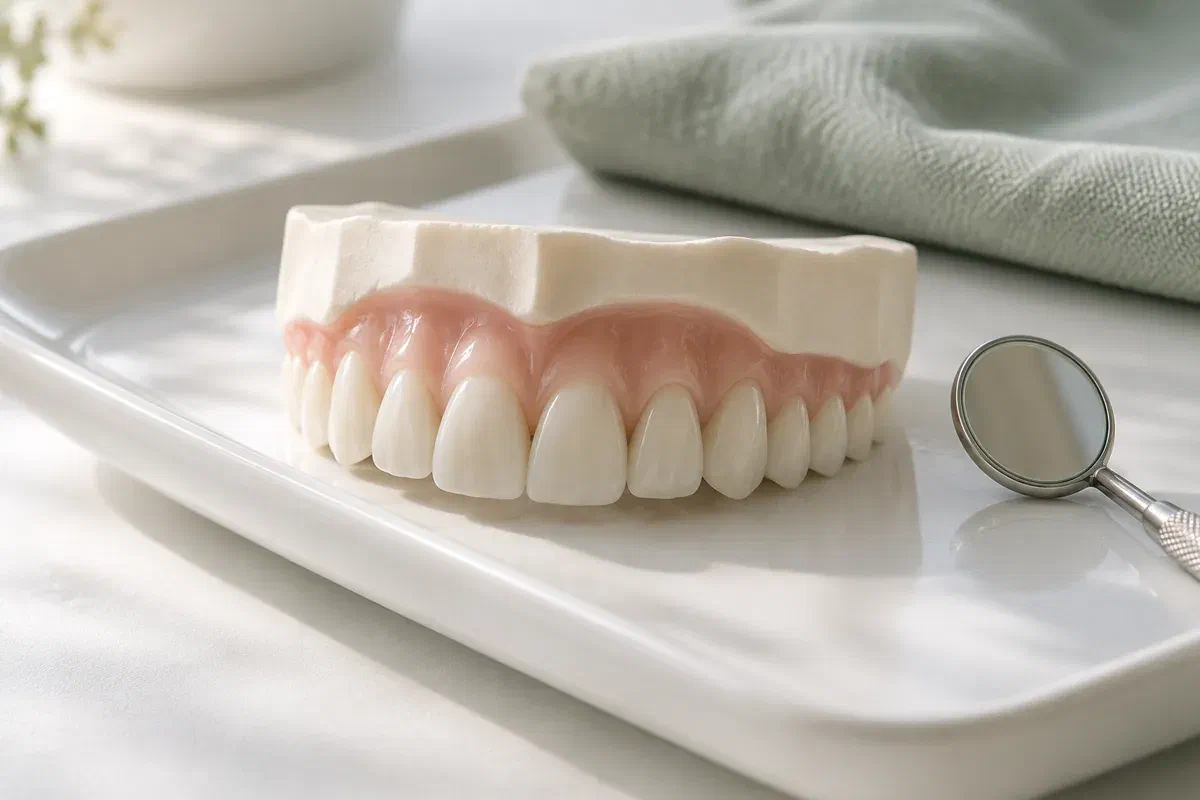
Illustrative upper front-teeth model showing natural edge shapes beside a dental mirror
Worth checking first

What lies behind the uneven edge?

Knowing the cause helps you decide whether a permanent change makes sense. Mention whether the shape is longstanding, the result of a recent chip, or part of broader wear.

A small point or irregular outline

Describe the single feature that bothers you rather than asking for every tooth to match. The clinician judges whether a slight refinement is justified and how it would look in context. A natural quirk may be worth keeping.

An edge that recently became rough

If the roughness followed a knock, a hard bite or a failing filling, say so. A comfortable edge is a fair goal, but the cause comes first, since permanently smoothing over a crack would not solve it.

Thin enamel, sensitivity or grinding

Let us know about cold sensitivity, clenching, erosion or past reshaping. Each reduces the enamel available to spare. The examination may suggest that keeping what you have is more valuable than altering it.

Never try to file a tooth at home. Enamel lost to a nail file is just as permanent as enamel removed in a clinic, and only a professional assessment can decide whether any change is appropriate.

Is it worth it?

Weigh a small improvement against a lasting change.

When a tooth is a good candidate, recontouring can soften a minor point or tidy an uneven edge without a filling or veneer. There is nothing new to maintain afterwards. Balanced against that is the permanent loss of a little sound enamel, which is why the purpose and the limit come first.

It is entirely possible to decide that the change isn’t worth it, and that is a good outcome. If your goal is bigger than a modest refinement, another approach may protect the tooth better. Ask what is realistic and whether an individual shape really needs altering.

Patient information: Cleveland Clinic — enameloplasty and limited tooth contouring · Clinical report — conservative recontouring and composite alternatives

An exact understanding of what goes

Ask the clinician to show you the tooth, the surface and roughly how much would be removed. Agreeing on one defined feature is far safer than a loose instruction to make everything even.

A look at options that keep enamel

A tooth may look long only because its neighbour is short. Adding to that neighbour leaves your enamel intact. Ask how each choice affects the bite, appearance and future care.

A change sized to your smile

Think about how the refined edge would look among your other teeth. Reducing teeth to match the shortest one is rarely sensible. A very subtle change, or none, can be the wisest choice.

A careful sequence

Understand, decide, then refine

Suitability is settled during the examination. Ask how the clinician will judge the enamel and your bite, and what remains possible if removal is not recommended.

  1. Explain the concern and its background

    Share any injury, sensitivity, grinding or previous reshaping, and how the edge has changed over time. The clinician examines your teeth and looks at records. A new fracture requires a different assessment from a lifelong shape.

  2. Take time to agree on the extent

    Ask what will change, what will stay and what the alternatives are. Discuss permanence and possible sensitivity, and take time to decide if you need it. The amount is fixed before work starts and not widened during treatment.

  3. Refine the agreed area, where suitable

    When you are ready to go ahead, the clinician uses appropriate dental instruments on the selected spot. Ask for a pause or mention discomfort whenever you need. The plan determines how much is removed.

  4. Polish and review the result together

    The surface is polished and the clinician checks the result and your bite. Mention anything that still feels rough or unexpected. Confirm aftercare and which symptoms should prompt a call before heading home.

Caring for the tooth

Protect the enamel you chose to keep.

Follow the advice given for your own mouth. Reshaping alone adds no restoration, so aftercare is mostly about preserving the remaining enamel through gentle cleaning and sensible habits.

Gentle brushing and fluoride toothpaste

Keep cleaning around and between your teeth as you’ve been shown. Harder brushing won’t make the refined edge smoother. Ask for help if sensitivity makes cleaning uncomfortable or you’re unsure about products.

Leave hard objects out of it

Biting ice, pens or packaging risks chipping an edge. Mention habits that may have worn your teeth before. If protection or further assessment was recommended, keep to that advice.

Call about sensitivity or bite changes

Contact the team if discomfort persists, gets worse or interferes with eating, or if your teeth seem to meet differently. Phoning first can save an unnecessary trip. The cause is checked before any more adjustment.

Patient information: Cleveland Clinic — tooth enamel and its protection

Keeping your options open

Some choices preserve more enamel than others.

Ask how each approach addresses your concern and how it leaves the tooth for the future. A good decision is one you understand fully.

A small, permanent outline change

Carefully limited enamel recontouring

Suitable only where the tooth and bite can spare a little enamel. Discuss the expected benefit and the stopping point. It cannot add length to a short tooth or sort out crowding by removing more.

Building up rather than taking away

A local composite addition or repair

Bonding adds material where length or structure is missing, leaving natural enamel in place. Ask about preparation, shaping and upkeep, as bonding needs its own long-term care.

When another cause explains the shape

Orthodontic advice, investigation, or simply waiting

A tooth out of line, active wear or a chip with no clear cause may need a separate look. Leaving a healthy edge alone keeps every option open. Ask what would be monitored.

Before you decide

Questions about a change you can’t reverse

A permanent change deserves unhurried answers. Ask about the specific tooth, the amount and every reasonable alternative.

(905) 876-4488
If I don’t like the result, can enamel recontouring be undone?
The removed enamel can’t be replaced, though in some cases bonding can add shape back. That is why the change is kept small and agreed in detail before anything is done.
How much enamel is typically removed?
Only a very small amount, and the exact limit depends on the individual tooth and bite. Ask the clinician to explain what they would propose for your tooth and why.
Can I go home and think about it before booking the procedure?
Yes. Taking time to weigh the improvement against the permanence is sensible. Coming from Puslinch, you may prefer to discuss timing so any treatment visit is planned efficiently.
Is reshaping a sound tooth ever a bad idea?
It can be if the enamel is thin, the edge plays an important role in your bite, or the goal is larger than a minor refinement. The clinician will tell you if they don’t think it’s suitable.
Would bonding be a less permanent choice?
Bonding keeps your enamel, though it may involve some surface preparation and needs maintenance or replacement over time. Ask how its trade-offs compare with recontouring for your tooth.
Does a history of chipped teeth affect suitability?
It can. Previous chips may mean less sound structure or point to grinding or other causes. Mention what you remember, and the clinician will factor it into the assessment.
From Puslinch

Make the decision with full information.

Book a consultation at our Bronte Street practice about an uneven edge or a small shape question. We will explain what could change, what can’t be reversed and which alternatives fit, so you can decide without pressure.

Each tooth is assessed individually. Enamel removal is permanent, and some goals are better met by bonding, another approach or no treatment.

Visit Milton Dental Clinic
Unit 1, 342 Bronte St. S, Milton, ON L9T 5B7
Get directions Clinic hours
Monday–Thursday
11am–7pm
Friday–Sunday
By appointment only

Areas we serve

  • Milton
  • Oakville
  • Mississauga
  • Georgetown
  • Halton Hills
  • Acton
  • Campbellville
  • Brampton
  • Burlington
  • Puslinch
  • Rockwood
  • Erin
  • Caledon
  • Etobicoke
  • Old Milton
  • Bronte Meadows
  • Timberlea
  • Dorset Park
  • Dempsey
  • Clarke
  • Beaty
  • Coates
  • Harrison
  • Scott
  • Willmott
  • Ford
  • Bowes
  • Cobden
  • Walker
  • Mountain View
  • Milton Heights
  • Hawthorne Village
  • Valley View
  • Fallingbrook
  • Nassagaweya
  • Trafalgar
  • Esquesing
  • Nelson
  • Brookville
  • Moffat
  • Glen Williams
  • Norval
  • Limehouse
  • Stewarttown
  • Ashgrove
  • Hornby
  • Silver Creek
  • Speyside
  • Scotch Block
  • North Oakville
  • River Oaks
  • Glen Abbey
  • West Oak Trails
  • Palermo
  • Bronte Creek
  • College Park
  • Joshua Creek
  • Uptown Core
  • Preserve
  • Iroquois Ridge
  • Lisgar
  • Meadowvale
  • Meadowvale Village
  • Churchill Meadows
  • Erin Mills
  • Central Erin Mills
  • Streetsville
  • East Credit
  • Creditview
  • Heartland
  • Sheridan
  • Mount Pleasant
  • Credit Valley
  • Huttonville
  • Churchville
  • Springbrook
  • Northwest Brampton
  • Bram West
  • Fletcher's Meadow
  • Fletcher's Creek South
  • Alton Village
  • Orchard
  • Millcroft
  • Headon Forest
  • Tansley
  • Brant Hills
  • Tyandaga
  • Kilbride
  • Lowville
  • Aberfoyle
  • Morriston
  • Arkell
  • Hillsburgh
  • Freelton
  • Carlisle
  • Waterdown
  • Flamborough
  • Mountsberg

How can we help?

Milton Dental Clinic

Have a question about your smile? Choose the option that works best for you.

For urgent dental concerns, please call.
Messages are reviewed during clinic hours.