

Illustrative patient discussing a tooth-shape question with a dental clinician
Cosmetic Dentistry

Enamel Reshaping

Explore enamel reshaping in Milton for selected minor changes to a tooth's surface or outline. Understand the assessment, the limits of permanent enamel removal, and the alternatives before deciding whether a small adjustment fits your oral health and appearance goals.

A closer look at enamel reshaping

Know what will change before a small adjustment begins.

Enamel reshaping is a carefully limited change to the outer surface of a suitable tooth. It is also described as recontouring or enameloplasty. The procedure removes enamel rather than adding a filling, and its use is restricted by the amount and condition of the natural structure.

A tooth may appear to need smoothing, but the reason for that appearance matters. A harmless contour, an area of erosion, a fresh chip, and an old restoration require different consideration. The decision should come from an examination, not simply from seeing an uneven area in a mirror.

At Milton Dental Clinic, we can discuss the particular surface you are concerned about and what a realistic change would involve. Ask to understand the proposed limit, the effect on the bite, and whether another treatment would be more appropriate. Small does not mean the decision should be rushed.

Discuss a tooth-surface concern
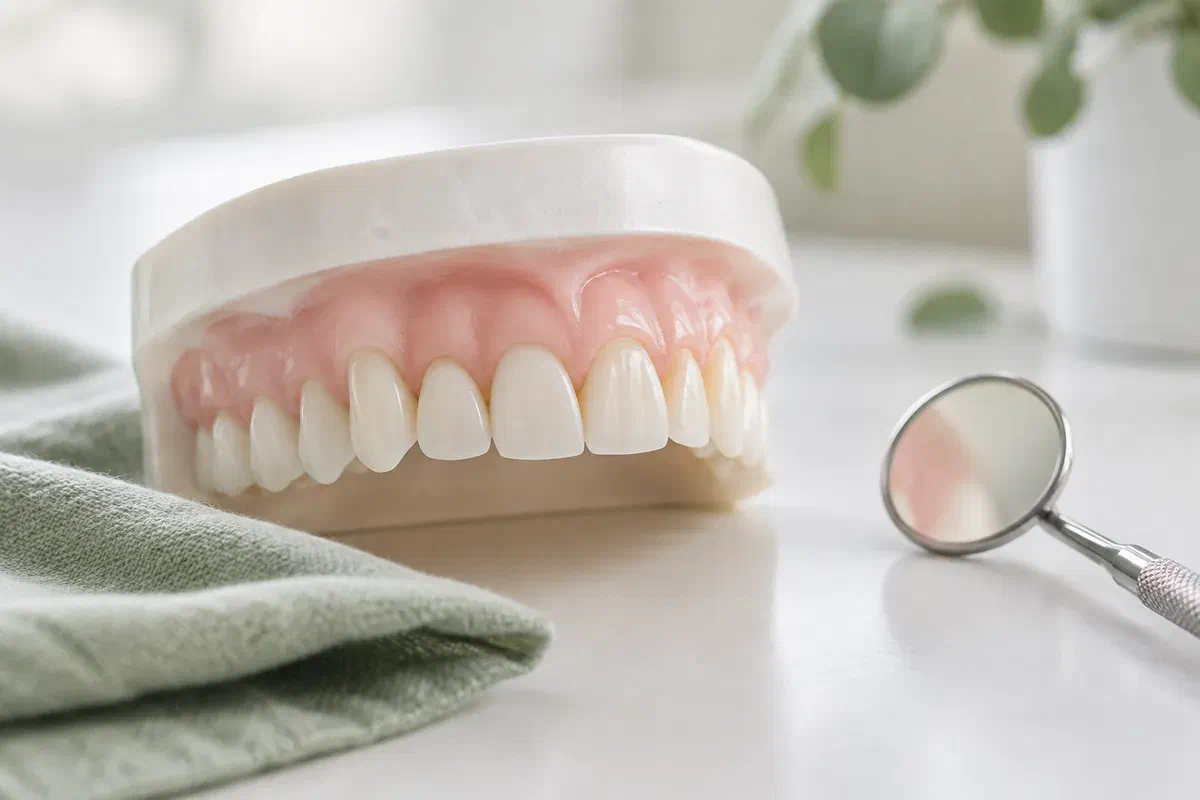
Illustrative upper-teeth teaching model showing modest natural variation in tooth corners
What to explain at the assessment

Describe the surface, the sensation, and any change over time.

The information you bring helps distinguish a stable shape preference from damage that needs another response. Tell us what you notice even if you are unsure how to describe it.

A corner that feels more prominent than you would like

Show the exact point and describe the change you imagine. Ask whether it is part of a healthy natural contour and how a reduction would affect the tooth's proportions. You may decide that preserving the shape is preferable once the options are explained.

A rough surface you keep noticing

Mention whether it catches your tongue, began after treatment, or appeared suddenly. Roughness can have different causes, including a restoration or damaged tooth surface. The clinician needs to identify what you are feeling before choosing an adjustment.

A concern about worn or sensitive enamel

Share any history of erosion, grinding, recurrent chips, or sensitivity. Removing more structure may be unsuitable when protection is the priority. Ask whether the next step should be prevention, a repair, or investigation of the cause.

Enamel reshaping is not a home-care technique. Avoid filing, sanding, or using abrasive tools on your teeth, even when the area looks small and you only want a smoother finish.

Making a proportionate decision

Choose a defined improvement that respects the remaining enamel.

A suitable minor surface change may be managed without placing a new restoration. The proposed benefit should be specific: for example, refining an appropriate contour after the tooth has been assessed. The procedure is not a general way to remove stains, repair decay, or straighten crowded teeth.

Because enamel removal cannot be undone, understanding the limits is part of the benefit of a proper consultation. You can compare the likely change with the risks and decide whether it is worthwhile. The option to leave a healthy feature alone should remain part of the discussion.

Patient information: Cleveland Clinic — enameloplasty · Clinical report — selective enamel reduction and aesthetic planning

A treatment area you can identify

Before proceeding, ask which surface is being considered and how it relates to your concern. A clear description helps avoid different expectations about the amount of change. Tell the clinician if your goal is comfort rather than a different overall appearance.

An explanation of what reshaping cannot do

Ask whether your preferred result would require more than a limited contour adjustment. If it would, discuss the appropriate alternatives before any enamel is removed. A procedure should not be extended simply because a more ambitious result looks appealing.

A chance to coordinate with existing dental care

Mention retainers, guards, recent restorations, and treatment planned elsewhere. The shape of a tooth is part of a wider arrangement of contacts and appliances. The team can consider whether the proposed change needs coordination or whether it should wait.

Preparing for a reshaping appointment

Clarify the plan, agree on comfort, and review the result.

Ask what the visit will include and whether treatment is appropriate that day. A consultation may identify a need for records, another assessment, or a different procedure.

  1. Assess the surface and review relevant information

    The clinician examines the area, surrounding teeth, and bite and considers your symptoms and history. Further records may be recommended when they would answer a specific question. Explain any previous attempts to alter the tooth, including home filing.

  2. Discuss the intended extent and alternatives

    Confirm the reason for the adjustment, the permanent change involved, and the limits of the expected result. Ask about possible sensitivity and whether another approach would preserve more structure. There should be a shared understanding before treatment starts.

  3. Carry out the agreed limited refinement

    When reshaping is suitable and you choose to proceed, the selected surface is adjusted with appropriate dental instruments. Ask how to signal for a pause. Report discomfort rather than assuming it is a necessary part of achieving the desired outline.

  4. Finish the surface and review practical care

    The clinician smooths and polishes the treated area and checks the relevant contacts and bite. Explain how it feels without repeatedly testing it against hard objects. Review any specific instructions and how to arrange advice if a concern appears later.

Looking after the tooth afterwards

Notice how it feels while continuing ordinary dental care.

Follow the instructions given for the work performed. If reshaping was combined with bonding or another procedure, ask which additional aftercare applies to that part of treatment.

Use the cleaning method recommended for your mouth

Continue gentle brushing with fluoride toothpaste and appropriate interdental cleaning. Avoid aggressively scrubbing a surface because it feels newly unfamiliar. Ask about ongoing sensitivity or difficulty cleaning instead of changing to increasingly abrasive products.

Follow the plan for wear or erosion when relevant

If the assessment identified a contributing factor, its management remains important after a cosmetic adjustment. Discuss the recommended next steps and any medical or dental referral. Changing the outline does not remove the cause of continuing tooth-surface loss.

Report a changed bite or discomfort that does not settle

Explain which tooth feels different and when the sensation occurs. The clinician may need to assess the surface, contacts, or another cause. Avoid asking for more reduction as the automatic answer to a new symptom.

Patient information: American Dental Association — recognising and managing dental erosion

Choosing the appropriate surface treatment

The right response depends on what is causing the concern.

Ask whether the aim is to alter healthy enamel, repair missing structure, or address a different problem. The name of a cosmetic procedure should not decide the diagnosis.

When a modest contour change is appropriate

Limited reshaping of suitable enamel

An agreed reduction may suit a selected minor feature when the enamel and bite permit it. Ask what will be preserved and what change can reasonably be expected. The plan should not rely on repeatedly removing more structure until every natural difference disappears.

When the tooth needs material added or damage repaired

Bonding or another restoration

A chipped, short, or damaged area may need rebuilding instead of further reduction. Discuss the size of the defect, the remaining tooth, and the maintenance of the proposed material. An appropriate repair has a different purpose from elective surface refinement.

When reshaping does not address the underlying issue

Investigation, orthodontic advice, or no elective change

A position-related concern or unexplained surface change may need another assessment. If the feature is healthy and stable, observation may be reasonable. Ask how the alternative addresses your concern and what, if anything, should be monitored.

Questions before enamel reshaping

Make the practical details clear before proceeding.

Ask about comfort, scope, and the difference between natural tooth structure and existing restorations. The answers should reflect the area you want assessed.

(905) 876-4488
Can enamel reshaping remove a stain from inside my tooth?
It is not a general treatment for internal discolouration. The cause and depth of the colour need assessment, and removing enamel may be inappropriate. Ask whether another approach would address the colour concern while preserving healthy structure.
Will enamel reshaping always be done without local anaesthetic?
Limited enamel work may not require local anaesthetic, but the specific procedure and your comfort needs should be discussed. Ask what sensations to expect and how to request a pause. Do not assume that every surface complaint involves only enamel.
If the rough area is on an old filling, is that still enamel reshaping?
An adjustment to restoration material is different from removing natural enamel. The clinician should identify the surface and assess why it feels rough. Polishing, repair, or another treatment may be appropriate depending on the condition of the restoration.
Could my teeth be reshaped and bonded as part of the same treatment plan?
A combined approach may be considered in selected cases. Ask which areas would lose enamel, which would receive material, and why each step is needed. The preparation, aftercare, and maintenance should be explained for both parts.
Should I tell the dentist if I have already tried to file the tooth at home?
Yes. Explain what you used and whether there is sensitivity or a change in the bite. The remaining surface needs assessment before further treatment. The purpose of sharing that information is to guide care, not to judge you.
Can fluoride toothpaste replace enamel removed during a reshaping procedure?
No. Fluoride helps protect remaining enamel and supports remineralisation of early mineral loss, but it cannot regrow a physically removed tooth edge. Ask about the permanent nature of the proposed adjustment before treatment.

Patient information: American Dental Association — fluoride and enamel protection

Enamel reshaping in Milton

Get a clear explanation of the surface you want changed.

Contact our Bronte Street practice to discuss a minor contour or roughness concern. We can assess the tooth, explain the limits of reshaping, and compare appropriate alternatives before you choose the next step.

Enamel reshaping and recontouring are overlapping terms. The proposed work and its suitability must be explained individually; removed enamel does not regrow.

Visit Milton Dental Clinic
Unit 1, 342 Bronte St. S, Milton, ON L9T 5B7
Get directions Clinic hours
Monday–Thursday
11am–7pm
Friday–Sunday
By appointment only

How can we help?

Milton Dental Clinic

Have a question about your smile? Choose the option that works best for you.

For urgent dental concerns, please call.
Messages are reviewed during clinic hours.