

Illustrative patient discussing a tooth-shape question with a dental clinician
Cosmetic Dentistry

Enamel Reshaping in Acton

If cold drinks already make you wince, the idea of removing any enamel can feel worrying. For people coming from Acton, we explain how sensitivity is weighed before reshaping, why some teeth should not lose more enamel, and what gentler alternatives exist.

Acton · thinking about sensitivity

Comfort is part of the decision, not an afterthought

Enamel is the hard outer layer that shields the more sensitive part of a tooth underneath. So it is natural to wonder what happens when some of it is removed. Enamel reshaping, sometimes called recontouring or enameloplasty, takes away only a small amount from a suitable surface to refine its outline, and it does not add anything back.

On a healthy tooth with enough enamel, a limited adjustment is usually planned to stay within that outer layer. Teeth that already twinge with cold, show signs of erosion or have been worn by grinding are a different story. For them, removing more may be the wrong direction, and protection or repair often comes first.

That is why your comfort history belongs at the start of the conversation, before anyone talks about shape. Making the trip from Acton for a first visit can simply be about understanding where your sensitivity comes from. Tell the clinician which teeth react and when, then ask how reshaping might affect them and what alternatives would keep more enamel in place. You can take as long as you need to decide.

Ask about sensitivity and reshaping
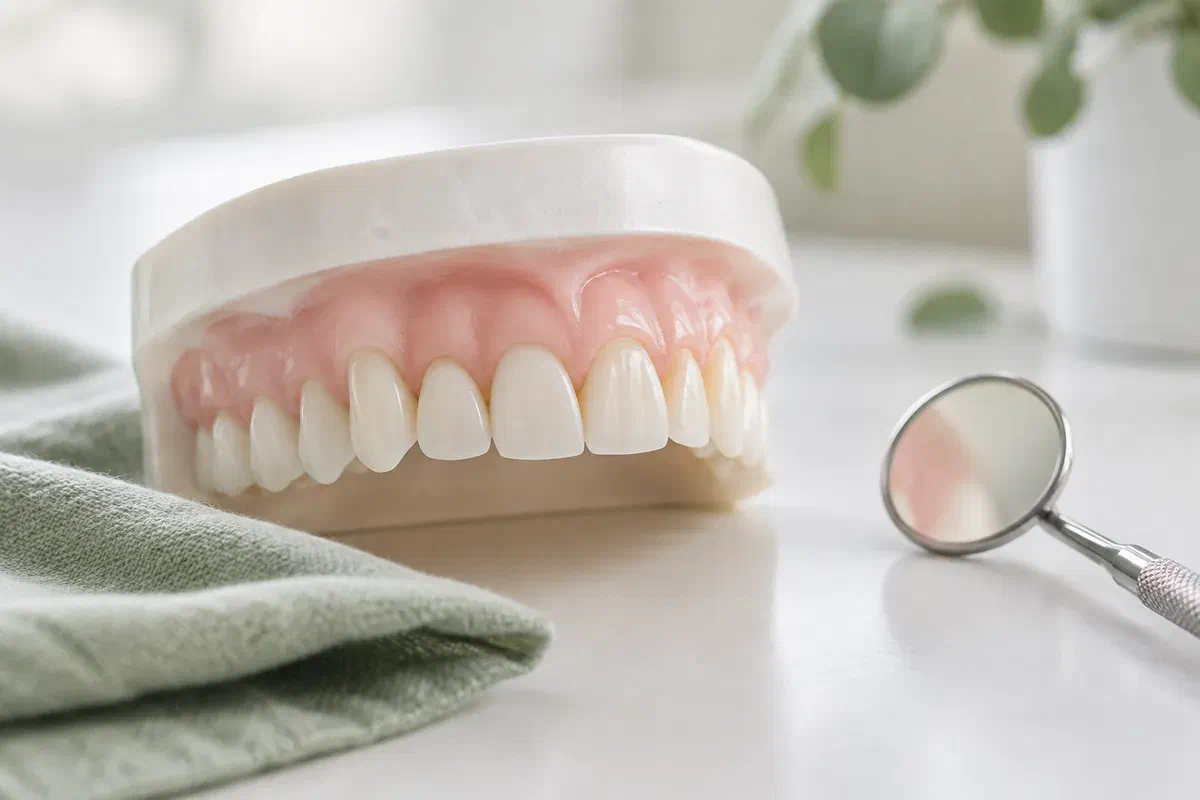
Illustrative upper-teeth teaching model showing modest natural variation in tooth corners
Telling us how your teeth feel

Mention every twinge, even small ones

Sensitivity, roughness and the shape you would like to change are all part of the same picture. Describe them in your own words; there is no wrong way to explain.

A contour you would like softer

Point to the corner or tip and explain what you have in mind. The clinician can tell you if it is a healthy natural shape and how much change would be noticeable. Weighing that against comfort may lead you to keep the shape.

Roughness that seems to come with sensitivity

Say whether the rough spot and the sensitivity began together, after treatment, or after a knock. A small fracture, a worn filling edge or eroded enamel can cause both. The source needs to be found before any smoothing.

Teeth that react to cold, sweet or brushing

Share your history of erosion, grinding, gum recession, acidic drinks or repeated chips. These suggest the tooth needs its enamel. Desensitising care, repair or looking into the cause may be the better first step.

Never try to file down a sensitive tooth yourself. Home abrasion can quickly worsen sensitivity and remove enamel that cannot be replaced.

A comfortable, measured approach

Small refinements that respect a sensitive mouth

On a suitable tooth, a minor contour change can sometimes be made without adding a restoration, which keeps the plan simple. The change should be named clearly in advance. Reshaping is not intended to treat sensitivity, remove stains, fix decay or align crowded teeth.

Since enamel does not return, understanding how a change might affect comfort is one of the real benefits of a consultation. You can weigh the likely improvement against the chance of sensitivity before agreeing. Keeping a healthy feature exactly as it is remains a sound option.

Patient information: Cleveland Clinic — enameloplasty · Clinical report — selective enamel reduction and aesthetic planning

The surface, named precisely

Confirm which part of which tooth is involved and how it relates to your concern. This keeps expectations aligned. If your main goal is for an edge to stop catching your tongue, let the clinician know.

Straight talk when a tooth is not suitable

Ask whether your hoped-for result would need more than a minor adjustment, and whether sensitivity makes reshaping unwise. Where it would, alternatives deserve discussion first. A bigger change is never justified just because it sounds appealing.

Room for your other dental care

Mention retainers, guards, recent fillings, desensitising treatments and work planned elsewhere. These can all interact with a change to tooth shape. The team can recommend coordinating or waiting.

How a visit is paced

Slow enough to check comfort at every stage

When you book, ask what the appointment will involve and whether treatment the same day is possible. Sensitivity may mean the clinician recommends records, a desensitising step or a different procedure first.

  1. Examine the tooth and listen to your symptoms

    The clinician checks the surface, nearby teeth and how they meet, and asks when sensitivity happens. Imaging might be advised when it would answer something specific about the tooth. Share any previous attempt to smooth it yourself.

  2. Talk about comfort, limits and alternatives

    Together you confirm why a change is being considered, that it cannot be reversed and what result is realistic. Ask how likely sensitivity is for your tooth and whether another option keeps more enamel. Nothing begins until you agree.

  3. Refine the agreed surface gently

    If reshaping suits and you choose to go ahead, the selected area is adjusted with dental instruments. Agree on how you will signal a pause. Speak up straight away if anything feels uncomfortable.

  4. Finish smoothly and review how it feels

    The surface is polished, and the clinician confirms your bite and the contacts between teeth. Describe the sensation without testing it on very cold or hard things. You will leave knowing the aftercare and how to reach us.

Keeping things comfortable

Be kind to the tooth for a few days

Follow the instructions given for your treatment. If bonding or another procedure was included, ask which extra care applies to that part.

Brush softly and keep using fluoride

A soft brush, fluoride toothpaste and the interdental cleaning recommended for you are usually enough. If a desensitising toothpaste was suggested, use it as directed. Avoid harsh whitening pastes unless the clinician has said they are suitable.

Keep managing any cause of sensitivity

If erosion, grinding or gum recession was found, the plan for it still matters after the cosmetic step. Ask about further care or a referral if one was mentioned. A new outline does not stop enamel loss already happening.

Tell us if sensitivity lingers or the bite feels off

Say which tooth reacts, to what, and for how long, and whether it is improving day by day. The clinician may want to look again at the surface or contacts, or suggest a desensitising step. Removing more enamel should not be the automatic response.

Patient information: American Dental Association — recognising and managing dental erosion

Gentler routes to compare

Not every concern needs enamel taken away

Clarify whether the plan would alter healthy enamel, add material to protect the tooth or deal with sensitivity directly. The cosmetic label should not decide the diagnosis.

For healthy enamel with room to spare

A small, careful reshape

A limited reduction may suit a minor feature where enamel thickness and bite allow. Ask what will remain and how much change to expect. Good planning avoids removing a little more each time a difference catches your eye.

For worn, chipped or thin areas

Bonding or another restoration

Adding material can rebuild shape and may help cover a vulnerable area. You should hear how large the weak area is, how much healthy tooth surrounds it and what caring for the material involves. A protective repair has a different aim from elective refinement.

For sensitivity or unexplained changes

Desensitising care, investigation, or no change

Fluoride treatments, habit changes and further assessment may address the real issue better than any reshaping. A stable, healthy feature can be left as it is. Ask how each option eases your concern and what to watch.

Acton sensitivity questions

Answers for teeth that already react

General information about comfort before and after reshaping, gathered from the questions people most often raise at a first visit. Your clinician will apply it to your own teeth and history.

(905) 876-4488
Will reshaping make my tooth sensitive?
A limited adjustment on healthy enamel is planned to reduce that risk, but some people notice temporary sensitivity. Teeth that are already sensitive or worn need extra care in planning. Ask the clinician what is likely for your tooth.
How long might any sensitivity last after treatment?
When it happens, mild sensitivity often settles, but there is no fixed timeline. Call if it persists, worsens or affects your bite. The clinician may want to check the area again.
Should I use a sensitivity toothpaste before or after reshaping?
It may help some people, but follow the advice you are given for your situation. Mention any product you already use so that it can be taken into account.
Can reshaping go too deep and reach the inner tooth?
Limited reshaping is planned to stay within enamel, which is why thickness and wear are assessed first. Where enamel is already thin, reshaping may not be suitable, and other options would be explained.
Can I ask to stop partway through if it feels uncomfortable?
Yes. Agree on a signal before starting and use it whenever you need a pause. Small enamel changes often do not need local anaesthetic, but comfort options can be discussed.
If fluoride strengthens enamel, will it replace what was removed?
No. Fluoride helps protect and strengthen the enamel that remains, but it does not rebuild a contour that has been taken away. Any reduction should be treated as permanent.

Patient information: American Dental Association — fluoride and enamel protection

Booking from Acton

Talk through comfort before shape

Get in touch with our Bronte Street practice to arrange an assessment. We will look at the tooth and its sensitivity, explain whether a small reshape is sensible and compare gentler alternatives.

Reshaping and recontouring are overlapping terms. Suitability is decided for each tooth, and removed enamel does not grow back.

Visit Milton Dental Clinic
Unit 1, 342 Bronte St. S, Milton, ON L9T 5B7
Get directions Clinic hours
Monday–Thursday
11am–7pm
Friday–Sunday
By appointment only

Areas we serve

  • Milton
  • Oakville
  • Mississauga
  • Georgetown
  • Halton Hills
  • Acton
  • Campbellville
  • Brampton
  • Burlington
  • Puslinch
  • Rockwood
  • Erin
  • Caledon
  • Etobicoke
  • Old Milton
  • Bronte Meadows
  • Timberlea
  • Dorset Park
  • Dempsey
  • Clarke
  • Beaty
  • Coates
  • Harrison
  • Scott
  • Willmott
  • Ford
  • Bowes
  • Cobden
  • Walker
  • Mountain View
  • Milton Heights
  • Hawthorne Village
  • Valley View
  • Fallingbrook
  • Nassagaweya
  • Trafalgar
  • Esquesing
  • Nelson
  • Brookville
  • Moffat
  • Glen Williams
  • Norval
  • Limehouse
  • Stewarttown
  • Ashgrove
  • Hornby
  • Silver Creek
  • Speyside
  • Scotch Block
  • North Oakville
  • River Oaks
  • Glen Abbey
  • West Oak Trails
  • Palermo
  • Bronte Creek
  • College Park
  • Joshua Creek
  • Uptown Core
  • Preserve
  • Iroquois Ridge
  • Lisgar
  • Meadowvale
  • Meadowvale Village
  • Churchill Meadows
  • Erin Mills
  • Central Erin Mills
  • Streetsville
  • East Credit
  • Creditview
  • Heartland
  • Sheridan
  • Mount Pleasant
  • Credit Valley
  • Huttonville
  • Churchville
  • Springbrook
  • Northwest Brampton
  • Bram West
  • Fletcher's Meadow
  • Fletcher's Creek South
  • Alton Village
  • Orchard
  • Millcroft
  • Headon Forest
  • Tansley
  • Brant Hills
  • Tyandaga
  • Kilbride
  • Lowville
  • Aberfoyle
  • Morriston
  • Arkell
  • Hillsburgh
  • Freelton
  • Carlisle
  • Waterdown
  • Flamborough
  • Mountsberg

How can we help?

Milton Dental Clinic

Have a question about your smile? Choose the option that works best for you.

For urgent dental concerns, please call.
Messages are reviewed during clinic hours.