

Illustrative patient discussing a tooth-shape question with a dental clinician
Cosmetic Dentistry

Enamel Reshaping in Oakville

Sometimes a photo is what first draws your eye to one tooth that looks a touch longer or pointier than the rest. If you are coming from Oakville, we can examine that tooth, tell you honestly whether limited reshaping suits it, and compare it with bonding or keeping the shape you have.

From Oakville: seen in a photo

One tooth that the camera keeps picking out

Photos flatten a smile and exaggerate small differences. A canine that sits slightly forward, or a front tooth with a fuller corner, can suddenly seem obvious in a group picture. Enamel reshaping, also known as recontouring or enameloplasty, gently removes a little outer enamel to refine a suitable outline. It never adds material.

Before anyone talks about smoothing, it is worth asking why that tooth looks different. Its natural shape, its position, an old chip, or worn enamel can each produce the same effect in a photograph. Only some of those respond well to removing enamel, and the amount available differs from tooth to tooth.

A consultation lets you point to the tooth, describe the change you have in mind and hear what is realistic. You can ask how a small refinement might affect your bite and whether another approach would look more natural. Taking time over a small, permanent change is always reasonable.

Talk through a tooth you noticed
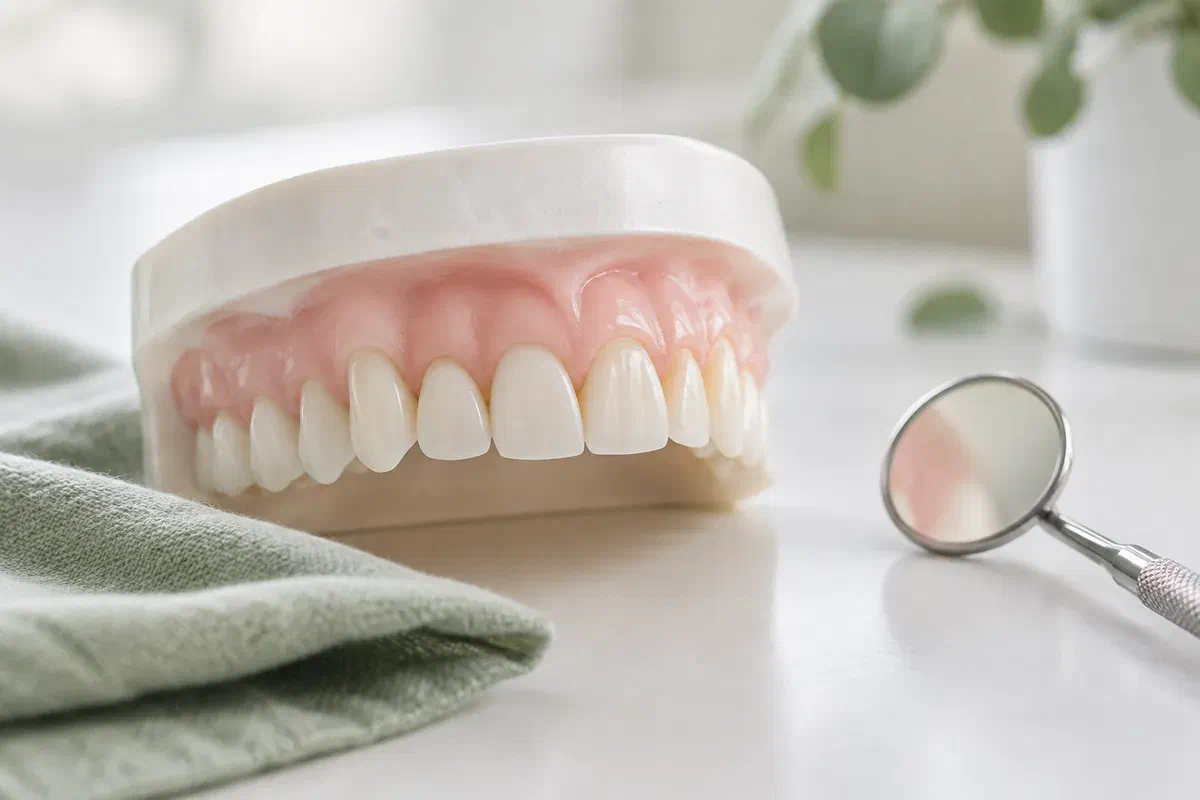
Illustrative upper-teeth teaching model showing modest natural variation in tooth corners
Describing what you see

Show us the photo, then show us the tooth

Pictures help, but the examination decides. Tell us when you first noticed the difference and whether anything about the tooth has changed since.

A corner or tip that catches the light

Explain which part looks too prominent and what you would prefer. The clinician can say whether it is part of a healthy natural contour and how softening it would change the tooth’s proportions next to its neighbours. Keeping it might turn out to be the better look.

Texture that looks or feels uneven

Mention whether the surface seems rough to the touch, changed after treatment, or appeared without warning. Restorations, small fractures and worn enamel can look similar in a picture. The cause needs confirming before smoothing is discussed.

Edges that seem thinner than they used to

Share any grinding, frequent acidic drinks, earlier erosion or sensitivity to cold. Translucent or thinning edges may need protecting rather than reducing. Prevention or repair could be the more useful next step.

Photos can make a small difference look urgent, but please leave the files and abrasives in the drawer. Home smoothing removes enamel unpredictably.

What a good outcome means

Subtle refinement, without spending enamel you need

When the tooth is suitable, a modest refinement of one contour can sometimes be made without adding any new material. The intended change should be described plainly, for instance softening a single tip after assessment. Reshaping will not lift stains, fix decay or bring crowded teeth into line.

Because removed enamel is permanent, a careful consultation gives you something valuable: the chance to compare likely change against possible downsides. You can then decide whether the difference is worth it. Choosing to keep a healthy feature is a legitimate outcome.

Patient information: Cleveland Clinic — enameloplasty · Clinical report — selective enamel reduction and aesthetic planning

A clearly named target

Check which tooth and which surface are under discussion and how they relate to what bothered you in the photo. Being specific prevents mismatched expectations about the size of the change. Say whether comfort or appearance is your main aim.

Clear boundaries on what is possible

Ask if the look you want would need more than a limited contour adjustment. If so, other approaches belong in the conversation before enamel is removed. A result that looks appealing on screen is no reason to extend treatment.

A plan that fits your other dental care

Tell us about retainers, night guards, recent restorations or treatment planned with another dentist. Each tooth’s outline affects contacts and appliances. The team can judge whether coordination or a wait would serve you better.

What the visit involves

From photo worry to an agreed plan

Ask in advance what the appointment covers and whether treatment could be done the same day. An examination may lead to records, another assessment or a completely different procedure.

  1. Examine the tooth in context

    The clinician checks the surface, the surrounding teeth and how your bite meets, and listens to your history and concerns. Extra records may be recommended if they would clarify a particular question. Mention it if you have tried to change the tooth yourself.

  2. Decide how far, or whether, to go

    You go over the reason for adjusting, the fact that it is permanent and the limits of the expected change. Raise possible sensitivity, and ask whether a different option would keep more enamel. Treatment waits until you share the same understanding.

  3. Refine the agreed surface only

    If reshaping is suitable and you decide to proceed, the selected area is shaped using dental instruments. Agree on a way to signal a pause. Report any discomfort rather than treating it as part of getting the look you want.

  4. Polish and review the finish

    The surface is smoothed and polished and your bite and contacts are checked. Tell us how it feels without testing it against hard foods. You will be given any specific instructions and told how to reach us with a later concern.

Caring for it afterwards

Treat the tooth like any other, and notice changes

Follow the advice you received for the treatment performed. When reshaping accompanies bonding or another procedure, find out which additional care applies to that part.

Keep cleaning gentle and routine

Use fluoride toothpaste, a soft brush and the interdental cleaning suggested for you. There is no need to scrub a surface just because it feels unfamiliar. If sensitivity continues or cleaning feels difficult, ask before trying harsher products.

Continue any plan for wear or erosion

Where a contributing factor was found, managing it still matters after a cosmetic change. Ask what should happen next, including whether anyone else should be involved in your care. A new outline will not halt continuing loss of tooth surface.

Let us know if your bite feels different

Describe which tooth feels changed and when you notice it. The surface, the contacts or something else may need a look. Removing more enamel should not be the reflex response to a new sensation.

Patient information: American Dental Association — recognising and managing dental erosion

Weighing up the options

Remove, add, or leave as it is?

Before picking a treatment, find out whether the photo worry comes down to healthy enamel you could trim, structure that has gone missing, or something unrelated to shape. The cosmetic label should never replace a diagnosis.

When a small contour refinement suits the tooth

Limited reshaping of suitable enamel

An agreed reduction may work for a minor feature where enamel and bite allow. Ask what will be preserved and what change to expect. A good plan does not keep removing a little more until every natural variation is gone.

If the tooth needs building up or repairing

Bonding or another restoration

A short, chipped or damaged tooth may look better with material added rather than taken away. Discuss the defect, the remaining tooth and how the material is maintained. Repair has a different aim from elective refinement.

When reshaping would not address the cause

Investigation, orthodontic advice, or no change

If position explains the difference, or a surface change is unexplained, another assessment may help more. A healthy, stable feature can simply be observed. Ask how the alternative addresses your concern and what should be watched.

Questions from Oakville

Before you change how a tooth looks

Common questions about previews, timing and combining treatments. The clinician will tailor each answer to your tooth.

(905) 876-4488
Can I see a preview of the reshaped tooth before anything is removed?
Some clinicians use photographs, a model or a simple mock-up to help explain a proposed change. Ask what kind of preview is available for your situation. Any preview is a guide, not a promise of the exact result.
Should whitening come before or after reshaping?
It depends on your overall plan, especially if bonding is involved, because tooth-coloured material is matched to the shade of surrounding teeth. Ask the clinician to explain the order that makes sense for you.
Will other people notice that a tooth has been reshaped?
Limited reshaping is meant to be subtle, and many changes are small. How noticeable it is depends on the tooth and the amount of change agreed. Ask the clinician to describe the expected difference in plain terms.
How many teeth can be reshaped in one appointment?
There is no single number. It depends on which surfaces are suitable, the bite and what you have agreed. Some people only need one tip refined, while others decide on a small change to a couple of teeth.
Is it possible to combine reshaping one tooth with bonding another?
In selected cases, yes. Ask which teeth would lose enamel, which would gain material, and why each part is needed. Aftercare and upkeep for both should be explained before you begin.
My sister filed her tooth at home. Is that a reasonable shortcut?
No. Home tools remove enamel unevenly, can cause sensitivity and may change how your teeth meet. If someone has already tried it, the tooth should be examined, and the clinician should be told what was used.

Patient information: American Dental Association — fluoride and enamel protection

Enamel reshaping for Oakville

Bring the photo, and your questions

Contact our Bronte Street practice to book a look at a tooth that stands out. We will examine it, explain what reshaping could change and where it stops making sense, and walk you through other options.

Reshaping and recontouring are overlapping terms. Each tooth is assessed on its own, and enamel that is removed cannot regrow.

Visit Milton Dental Clinic
Unit 1, 342 Bronte St. S, Milton, ON L9T 5B7
Get directions Clinic hours
Monday–Thursday
11am–7pm
Friday–Sunday
By appointment only

Areas we serve

  • Milton
  • Oakville
  • Mississauga
  • Georgetown
  • Halton Hills
  • Acton
  • Campbellville
  • Brampton
  • Burlington
  • Puslinch
  • Rockwood
  • Erin
  • Caledon
  • Etobicoke
  • Old Milton
  • Bronte Meadows
  • Timberlea
  • Dorset Park
  • Dempsey
  • Clarke
  • Beaty
  • Coates
  • Harrison
  • Scott
  • Willmott
  • Ford
  • Bowes
  • Cobden
  • Walker
  • Mountain View
  • Milton Heights
  • Hawthorne Village
  • Valley View
  • Fallingbrook
  • Nassagaweya
  • Trafalgar
  • Esquesing
  • Nelson
  • Brookville
  • Moffat
  • Glen Williams
  • Norval
  • Limehouse
  • Stewarttown
  • Ashgrove
  • Hornby
  • Silver Creek
  • Speyside
  • Scotch Block
  • North Oakville
  • River Oaks
  • Glen Abbey
  • West Oak Trails
  • Palermo
  • Bronte Creek
  • College Park
  • Joshua Creek
  • Uptown Core
  • Preserve
  • Iroquois Ridge
  • Lisgar
  • Meadowvale
  • Meadowvale Village
  • Churchill Meadows
  • Erin Mills
  • Central Erin Mills
  • Streetsville
  • East Credit
  • Creditview
  • Heartland
  • Sheridan
  • Mount Pleasant
  • Credit Valley
  • Huttonville
  • Churchville
  • Springbrook
  • Northwest Brampton
  • Bram West
  • Fletcher's Meadow
  • Fletcher's Creek South
  • Alton Village
  • Orchard
  • Millcroft
  • Headon Forest
  • Tansley
  • Brant Hills
  • Tyandaga
  • Kilbride
  • Lowville
  • Aberfoyle
  • Morriston
  • Arkell
  • Hillsburgh
  • Freelton
  • Carlisle
  • Waterdown
  • Flamborough
  • Mountsberg

How can we help?

Milton Dental Clinic

Have a question about your smile? Choose the option that works best for you.

For urgent dental concerns, please call.
Messages are reviewed during clinic hours.