

Illustrative patient discussing a tooth-shape question with a dental clinician
Cosmetic Dentistry

Enamel Reshaping in Puslinch

People often hope that smoothing a tooth will also take away a mark or a patch of colour. From Puslinch, you can learn why shape and colour are separate questions, when enamel reshaping helps with an outline, and which other treatments are designed for stains and spots.

Puslinch · shape or colour?

Shape and colour are two different questions

A front tooth can bother you for more than one reason at once. Perhaps the corner looks a little square and there is also a faint mark near the edge. It is tempting to assume that smoothing the tooth would solve both, but the two concerns usually need different approaches.

Enamel reshaping, also known as recontouring or enameloplasty, refines a suitable outline by removing a small amount of outer enamel. It changes form, not colour. Most stains and spots sit within the tooth or arise from causes that removing enamel does not fix, and thinning the enamel can sometimes make a tooth look less even, not more.

During an assessment, the clinician can separate the shape question from the colour question and explain what suits each. You might hear that a small refinement would help the outline while professional cleaning, whitening or a different treatment would address the mark. You can then decide one step at a time. For a rural household in Puslinch, it can help to ask when booking whether a cleaning and an assessment could be arranged close together, so that both questions are answered with fewer trips.

Sort out shape and colour concerns
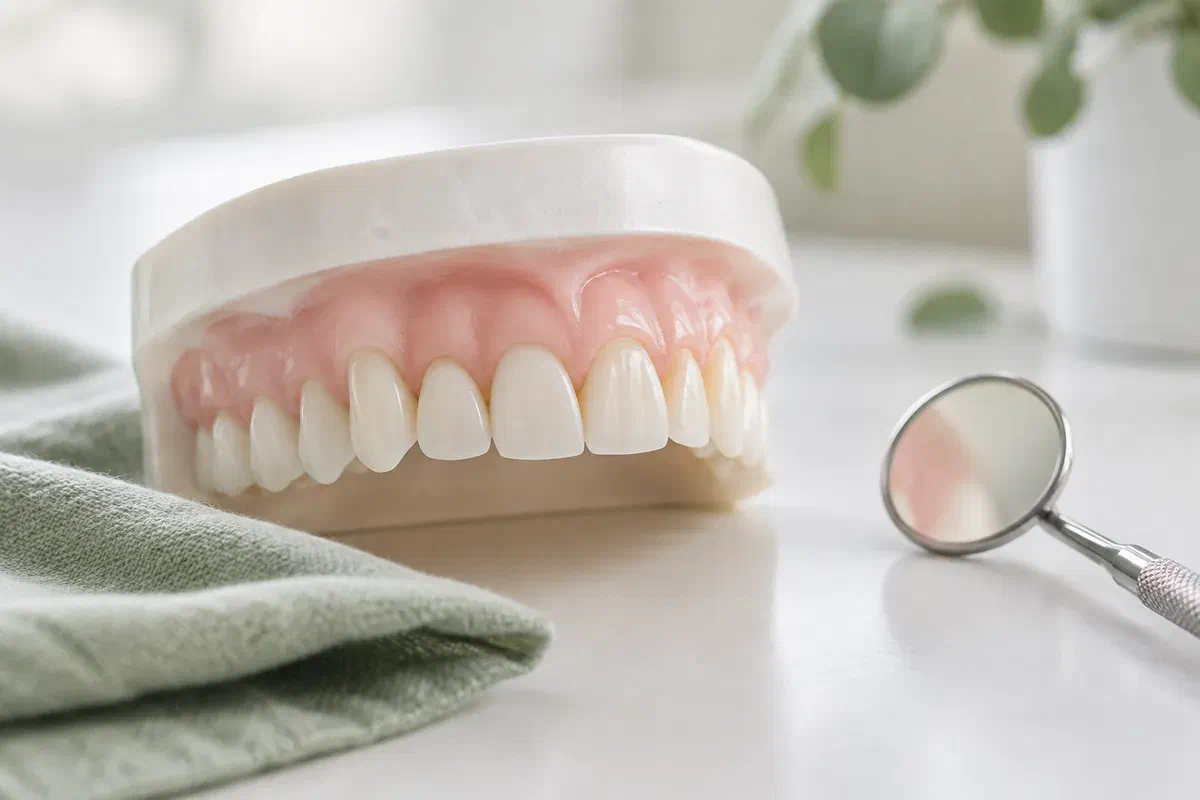
Illustrative upper-teeth teaching model showing modest natural variation in tooth corners
Describe both concerns

What looks different, and what feels different

Separating appearance from texture, and outline from colour, helps the clinician recommend the right treatment for each. Tell us everything you notice.

An outline that seems too square or pointed

Show the edge and the shape you would prefer. The clinician can explain whether it is a healthy natural contour and how a small reduction would alter its proportions. You may choose to keep the shape once you see the trade-off.

A rough patch, with or without a mark

Say whether the texture changed suddenly, after treatment or slowly. A rough spot with discolouration could be a worn restoration, early decay or a surface defect. It needs identifying before smoothing is even considered.

Spots, thin areas or sensitivity

Mention white or brown spots, translucent edges, acidic drinks, past erosion, grinding or cold sensitivity. Some marks reflect weakened enamel that needs protecting. Prevention, repair or another treatment may be the right response.

Scrubbing or filing at a stain will not lift it and can damage the surface around it. Please leave abrasive tools and home remedies aside.

What reshaping can contribute

A neater outline, as one part of a plan

For a healthy tooth, limited reshaping can sometimes refine a minor contour without placing new material. It works best as a specific, modest change. It is not designed to remove staining, treat decay or straighten crowded teeth.

Because enamel removal is permanent, it helps to understand how reshaping fits alongside other treatments before starting. You can compare the likely change with the risks and decide whether the outline needs attention at all. Leaving a healthy shape alone remains a fair choice.

Patient information: Cleveland Clinic — enameloplasty · Clinical report — selective enamel reduction and aesthetic planning

Knowing which concern each step addresses

Ask which part of the plan deals with shape and which deals with colour. That keeps expectations clear. If texture rather than appearance is what bothers you, mention it early.

Plain limits on what reshaping achieves

Find out whether your preferred result would need more than a minor adjustment, or a different treatment entirely. Alternatives should be covered before enamel is removed. Treatment should not expand because a broader change sounds attractive.

Sequencing with whitening and other care

Mention whitening plans, retainers, guards, recent restorations and treatment elsewhere. The order of steps can matter, particularly if bonding is part of the picture. The team can advise on coordinating or waiting.

During the appointment

Untangle the concerns, then treat only what fits

Ask when booking what the visit will include and whether treatment could follow the same day. The assessment may point to records, a cleaning first or a different procedure.

  1. Examine colour, texture and shape

    The clinician looks at the surface, nearby teeth and your bite, and asks about your history. Images might help when a mark or rough area needs closer evaluation. Mention any attempt to scrub or file the tooth at home.

  2. Match each concern to a treatment

    You discuss whether the outline would benefit from refinement, that reshaping is permanent and what it can realistically change. Ask about sensitivity and about options for the colour concern. Treatment begins only once the plan makes sense to you.

  3. Refine the outline, if agreed

    If reshaping suits and you choose to proceed, the agreed surface is shaped with dental instruments. Settle on a signal for a pause. Let the clinician know about any discomfort.

  4. Smooth the finish and check the fit

    The treated area is polished, and the way your teeth meet is checked. Your impression of the new outline is useful, though it is best not to try it out on anything hard straight away. You will hear about aftercare and the next step for any colour concern.

Care at home

Gentle habits keep both surface and colour healthy

Follow the instructions given for the treatment performed. If whitening or bonding is also part of the plan, ask which care applies to each.

Use a soft brush and fluoride toothpaste

Keep up gentle brushing and interdental cleaning as advised. Very abrasive whitening pastes are not a substitute for professional advice on staining. If sensitivity lingers, ask before changing products.

Keep managing wear or acid exposure

If erosion, grinding or diet was identified as a factor, that plan still matters. Ask about follow-up or referral if it was discussed. A refined outline does not protect enamel from continuing loss.

Report a bite change or discomfort

Explain which tooth feels different and when, for example on biting or with something cold. The surface, contacts or another cause may need checking. Removing more enamel should not be the automatic solution.

Patient information: American Dental Association — recognising and managing dental erosion

Treatments for each concern

Outline, structure or colour: pick the right tool

Each treatment below answers a different question: whether to slim a sound outline, replace what is missing or tackle discolouration. A cosmetic procedure’s name is not a diagnosis.

Best for a small contour on sound enamel

Limited reshaping for outline

A modest reduction may suit a minor feature on a tooth with healthy, thick enough enamel and a bite that permits it. Check how visible the change will be and what is kept. The plan should not rely on removing more over time to chase every difference.

Best for chips, short edges or some marks

Bonding or another restoration

Tooth-coloured material can rebuild shape and, in some cases, cover a mark. Talk through how big the area is, what natural tooth remains and how the material needs to be maintained. Repair serves a different purpose from refining enamel.

Best for colour concerns or unexplained changes

Cleaning, whitening, investigation or no change

Surface stains may respond to professional cleaning, and some discolouration to whitening, while unexplained marks may need further assessment. A healthy, stable feature can simply be watched. Ask how each option meets your concern.

Puslinch FAQ

Clearing up shape and colour

General answers to questions about stains, spots and reshaping. Your clinician will explain how they apply to you.

(905) 876-4488
Is whitening or reshaping the better choice for a tooth that looks off?
It depends on whether the issue is colour, shape or both. Whitening addresses certain kinds of discolouration, while reshaping changes outline. The clinician can explain which concern is driving the appearance.
Can a white spot on the enamel be smoothed away?
Usually removing enamel is not the approach for white spots, which may reflect changes in the mineral content of the tooth. Other treatments exist for some spots. Ask what is causing yours and which options would preserve healthy structure.
Would a professional cleaning remove some of the marks I see?
Surface stains from food, drinks or tobacco can often be reduced with professional cleaning. Deeper colour may not change. The clinician can tell you which type you have, and whether it makes sense to clean first and reassess the shape afterwards.
Can thinning the enamel make a tooth look darker?
Enamel affects how light passes through a tooth, so removing too much could change its appearance. That is one reason reshaping stays limited and why colour concerns are assessed separately.
Could reshaping and bonding be planned together to improve both shape and colour?
In selected cases, yes. Ask which teeth would lose enamel, which would gain material and how the shade would be matched. Aftercare and upkeep for both parts should be explained first.
I scrubbed at a stain with baking soda and a file. Should I mention that?
Yes, please. Describe what you used and whether the tooth now feels sensitive or rough. The surface needs examining before any further treatment, and the aim is simply to give you the right care.

Patient information: American Dental Association — fluoride and enamel protection

Travelling in from Puslinch

One appointment, two questions answered

Get in touch with our Bronte Street practice about an assessment of a tooth’s shape, a mark or both. We will explain what reshaping can and cannot change and which treatments suit colour concerns instead.

Enamel reshaping and recontouring overlap as terms. Suitability is assessed tooth by tooth, and removed enamel does not regrow.

Visit Milton Dental Clinic
Unit 1, 342 Bronte St. S, Milton, ON L9T 5B7
Get directions Clinic hours
Monday–Thursday
11am–7pm
Friday–Sunday
By appointment only

Areas we serve

  • Milton
  • Oakville
  • Mississauga
  • Georgetown
  • Halton Hills
  • Acton
  • Campbellville
  • Brampton
  • Burlington
  • Puslinch
  • Rockwood
  • Erin
  • Caledon
  • Etobicoke
  • Old Milton
  • Bronte Meadows
  • Timberlea
  • Dorset Park
  • Dempsey
  • Clarke
  • Beaty
  • Coates
  • Harrison
  • Scott
  • Willmott
  • Ford
  • Bowes
  • Cobden
  • Walker
  • Mountain View
  • Milton Heights
  • Hawthorne Village
  • Valley View
  • Fallingbrook
  • Nassagaweya
  • Trafalgar
  • Esquesing
  • Nelson
  • Brookville
  • Moffat
  • Glen Williams
  • Norval
  • Limehouse
  • Stewarttown
  • Ashgrove
  • Hornby
  • Silver Creek
  • Speyside
  • Scotch Block
  • North Oakville
  • River Oaks
  • Glen Abbey
  • West Oak Trails
  • Palermo
  • Bronte Creek
  • College Park
  • Joshua Creek
  • Uptown Core
  • Preserve
  • Iroquois Ridge
  • Lisgar
  • Meadowvale
  • Meadowvale Village
  • Churchill Meadows
  • Erin Mills
  • Central Erin Mills
  • Streetsville
  • East Credit
  • Creditview
  • Heartland
  • Sheridan
  • Mount Pleasant
  • Credit Valley
  • Huttonville
  • Churchville
  • Springbrook
  • Northwest Brampton
  • Bram West
  • Fletcher's Meadow
  • Fletcher's Creek South
  • Alton Village
  • Orchard
  • Millcroft
  • Headon Forest
  • Tansley
  • Brant Hills
  • Tyandaga
  • Kilbride
  • Lowville
  • Aberfoyle
  • Morriston
  • Arkell
  • Hillsburgh
  • Freelton
  • Carlisle
  • Waterdown
  • Flamborough
  • Mountsberg

How can we help?

Milton Dental Clinic

Have a question about your smile? Choose the option that works best for you.

For urgent dental concerns, please call.
Messages are reviewed during clinic hours.