

Illustrative patient discussing tooth spacing and bonding with a dental clinician
Cosmetic Dentistry

Gap Closure with Dental Bonding in Acton

Thinking past the first few weeks of a bonded gap? From Acton, you can have the space, tooth proportions, gum health and bite assessed, and talk honestly about how composite holds up over the years, what upkeep it needs, and whether it is the right fit for the change you want.

Bonding a gap, for the long run

Think of composite as a commitment, not a one-off.

The day a gap is bonded, the composite is freshly polished and matched to your teeth. Five years on, it has lived through thousands of meals, cups of tea and brushings. Bonding works by adding that tooth-coloured material to the sides of the teeth beside the space, widening them instead of moving them, so its upkeep becomes part of your routine.

That does not make bonding a poor choice. It means the decision is about more than the first result. You can also keep your gap if you like it. If you want it changed, the clinician will look at why it is there, how wide it is and where it sits, since a stable gap between healthy teeth differs from one that has appeared recently.

For people in Acton, a first visit to our Bronte Street practice is a chance to ask the long-term questions. Tell us what you want to change and what you would keep. We will examine the area, outline bonding alongside other suitable options, and be clear about maintenance.

Ask about long-term gap bonding
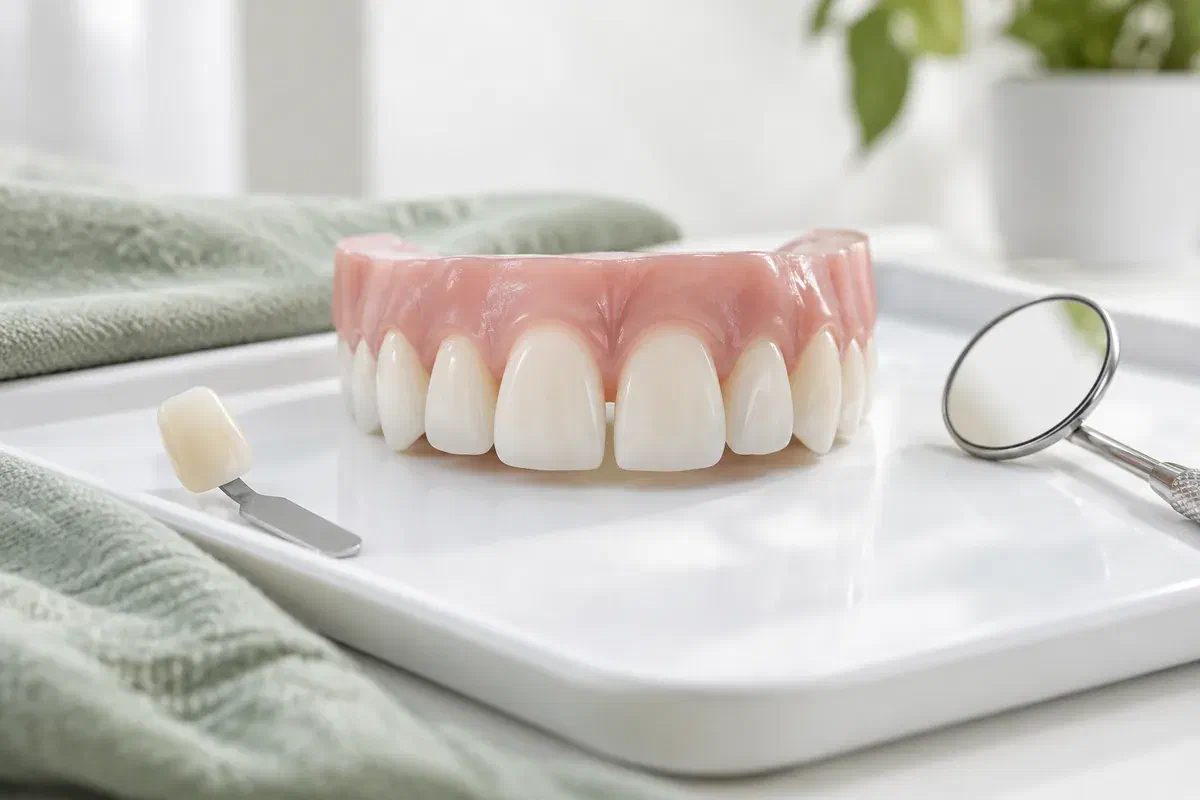
Illustrative front-teeth teaching model with a narrow central gap beside a shade sample
Getting the starting point right

A lasting result begins with knowing the cause.

Explain how the gap has behaved over time, any symptoms, and nearby dental work. That background shows whether a cosmetic plan fits now or another check should happen first.

Longstanding spacing you want reduced

Choose whether full closure or a narrower space suits you. Composite makes the teeth wider, so their proportions will be judged carefully. Tooth shape often sets a sensible limit, and that limit also affects how well the result ages.

A gap that is opening up

Mention gum bleeding, a tooth that feels loose, or a bite that has changed. Spacing that is shifting suggests a cause in the supporting tissues or elsewhere. Composite placed over a moving gap may not last, and would leave the cause unexplored.

Old bonding that has worn or stained

If the gap has been bonded before, the clinician will check the remaining composite and the tooth beneath it. Bring any retainer and describe earlier orthodontics. Ask whether repair, replacement or another approach makes sense.

A space left by a missing tooth, one that never formed, was removed or was lost, may need a replacement plan rather than gap bonding. Mention it so those options can be reviewed.

Benefits, with upkeep in view

A narrower gap that can be maintained and repaired.

With suitable teeth, composite is shaped onto the edges facing the gap to change their outline. Careful shade choice and polishing help it blend. The way the teeth touch and how your bite lands on them are part of what makes a result last.

Like any restorative material, composite may pick up stain, wear down at the edges, or chip, and may need polishing, repair or replacement over time. One practical advantage is that small problems can often be touched up. Ask what reviews to expect so the long-term picture is clear.

Patient information: Canadian Dental Association — bonding for small gaps and shape changes · Cleveland Clinic — tooth gaps and their causes

Treatment kept to the gap

You can ask about the space alone, without a broader makeover. Find out which teeth would be built up and why. A sound proposal describes any effect on nearby teeth rather than assuming they also need work.

Weighing reshaping against orthodontics

Ask whether adding composite, moving the teeth or both in sequence would suit your gap. Each has its own long-term demands, from composite upkeep to retainer wear. Neither is automatically right.

A contour that is easy to look after

Discuss cleaning while the shape is being designed. Ask how floss or a brush will reach the contact and gumline. A result that is hard to clean tends not to age well.

How treatment is carried out

Four stages, each with a reason.

You should understand suitability and the alternatives before bonding begins. Ask how the contour will be judged and whether any other care should come first.

  1. History, exam and expectations

    You describe the gap's history, any braces or fillings, and changes you have noticed. The clinician checks your teeth, gums and bite. Sometimes records or another professional's opinion help before a cosmetic recommendation is made.

  2. Settle the design and upkeep plan

    Together you decide how wide the teeth should become and whether the space closes completely or partway. Preparation, shade, fees and long-term maintenance are discussed. You compare bonding with orthodontics and with keeping the gap.

  3. Composite goes on in layers

    With your go-ahead, the clinician readies the enamel, then builds and sculpts resin layer by layer, setting each with a curing light. The new edges are blended into the neighbouring tooth and finished carefully near the gum.

  4. Finishing touches and a check of how it works

    Polishing gives the composite its final surface. Your bite is tested and the contact is checked with floss. You are shown how to clean the area, and a review is booked so the bonding can be monitored over time.

Helping bonding last

Everyday habits that protect composite.

Clean the new contour the way you were shown. The treated teeth remain separate, and the contact where they meet needs daily care whether or not the gap is visible.

Clean the contact without force

Slide the recommended aid through gently. Floss that frays or keeps catching, or difficulty getting to the gumline, is worth having checked. Continue cleaning the area even though it looks closed.

Spare the edges from hard work

Do not bite pens, ice or other hard objects, and avoid opening things with your teeth. Grinding and clenching can shorten the life of composite, so mention them and ask whether assessment is needed.

Keep up regular reviews

Routine visits let the clinician polish minor staining and spot wear early. Book sooner if an edge chips, feels rough, or the space changes. Avoid reshaping or gluing the composite yourself.

Patient information: Cleveland Clinic — maintaining dental bonding

Comparing long-term options

Each choice comes with its own upkeep.

Ask what each route would change, what it would not, and what it asks of you over the years. Your plan may be cosmetic, orthodontic, restorative or start with gum care.

When added width looks balanced

Composite bonding

Bonding may suit a gap if the teeth beside it can take extra composite while keeping natural proportions and a cleanable contact. Expect periodic polishing or repair. Gap size alone does not decide suitability.

When position needs to change

Orthodontics or a staged plan

Moving teeth changes spacing without adding material, though retention is usually needed afterwards. Some cases combine movement with small amounts of bonding. Ask why a particular sequence is suggested.

When the space needs a different answer

Gum care, tooth replacement, or keeping the gap

Gaps related to gum disease or a missing tooth need their own assessment. A stable, healthy gap can simply stay. Ask which choices matter for oral health and which are about appearance.

Questions from Acton

How bonding behaves over time.

Ask how the plan relates to tooth width, bite, cleaning and long-term care. Suitability depends on more than whether the gap looks small.

(905) 876-4488
Will coffee or tea stain the composite on my front teeth?
Composite can pick up surface stain over time, particularly with frequent coffee, tea or red wine. Regular cleaning and reviews help, and minor staining can sometimes be polished. Ask what to expect for your habits.
How often should bonded teeth be reviewed?
Bonding is usually checked during routine dental visits. Your clinician may suggest a different schedule depending on your bite and habits. Book sooner if you notice chips, roughness or changes in the space.
Can worn bonding be refreshed without starting over?
Sometimes the surface can be polished or small areas repaired. In other cases replacement makes more sense. The clinician will look at the composite and the tooth beneath it before advising.
Does bonding weaken my natural teeth?
Gap-closing bonding usually involves preparing the enamel surface rather than removing large amounts of tooth. Ask your clinician what preparation would be needed in your case and how it might affect future options.
If my bonding chips, is it an emergency?
A small chip without pain is usually not urgent, though you should book a review. Pain, swelling, or a tooth that feels loose needs prompt attention. Avoid filing or gluing the edge yourself.
Can my reviews from Acton line up with routine checkups?
Yes, ask about pairing bonding reviews with your regular visits. That keeps trips down and lets the clinician check both the composite and your gums at the same appointment.
Acton consultations

Ask how it will look in five years, not only five days.

Book an assessment at our Bronte Street practice to talk about the space between your teeth. We will review its history, the health of the gums and teeth around it, and give you a clear picture of what each option involves over time.

Bonding depends on the gap's cause, your tooth proportions and your bite. A space that is new or getting wider should be assessed before elective closure.

Visit Milton Dental Clinic
Unit 1, 342 Bronte St. S, Milton, ON L9T 5B7
Get directions Clinic hours
Monday–Thursday
11am–7pm
Friday–Sunday
By appointment only

Areas we serve

  • Milton
  • Oakville
  • Mississauga
  • Georgetown
  • Halton Hills
  • Acton
  • Campbellville
  • Brampton
  • Burlington
  • Puslinch
  • Rockwood
  • Erin
  • Caledon
  • Etobicoke
  • Old Milton
  • Bronte Meadows
  • Timberlea
  • Dorset Park
  • Dempsey
  • Clarke
  • Beaty
  • Coates
  • Harrison
  • Scott
  • Willmott
  • Ford
  • Bowes
  • Cobden
  • Walker
  • Mountain View
  • Milton Heights
  • Hawthorne Village
  • Valley View
  • Fallingbrook
  • Nassagaweya
  • Trafalgar
  • Esquesing
  • Nelson
  • Brookville
  • Moffat
  • Glen Williams
  • Norval
  • Limehouse
  • Stewarttown
  • Ashgrove
  • Hornby
  • Silver Creek
  • Speyside
  • Scotch Block
  • North Oakville
  • River Oaks
  • Glen Abbey
  • West Oak Trails
  • Palermo
  • Bronte Creek
  • College Park
  • Joshua Creek
  • Uptown Core
  • Preserve
  • Iroquois Ridge
  • Lisgar
  • Meadowvale
  • Meadowvale Village
  • Churchill Meadows
  • Erin Mills
  • Central Erin Mills
  • Streetsville
  • East Credit
  • Creditview
  • Heartland
  • Sheridan
  • Mount Pleasant
  • Credit Valley
  • Huttonville
  • Churchville
  • Springbrook
  • Northwest Brampton
  • Bram West
  • Fletcher's Meadow
  • Fletcher's Creek South
  • Alton Village
  • Orchard
  • Millcroft
  • Headon Forest
  • Tansley
  • Brant Hills
  • Tyandaga
  • Kilbride
  • Lowville
  • Aberfoyle
  • Morriston
  • Arkell
  • Hillsburgh
  • Freelton
  • Carlisle
  • Waterdown
  • Flamborough
  • Mountsberg

How can we help?

Milton Dental Clinic

Have a question about your smile? Choose the option that works best for you.

For urgent dental concerns, please call.
Messages are reviewed during clinic hours.