

Illustrative patient discussing tooth spacing and bonding with a dental clinician
Cosmetic Dentistry

Gap Closure with Dental Bonding in Old Milton

Lived with the same gap for years and only now wondering about it? From Old Milton, you can have the space, the teeth on either side, your gum health and your bite reviewed, then weigh whether tooth-coloured composite would give the look you want or whether another path fits better.

Old Milton and the long-familiar gap

Has it always looked like this?

That question matters more than most people expect. A space you have had since childhood is usually a different matter from one that has crept wider over the last few years. Bonding works by adding tooth-coloured composite to the edges of the teeth beside the gap, so they become broader rather than closer together.

Keeping a gap you are fond of is a perfectly good decision. If you would rather change it, the clinician will want to understand its cause, its width and exactly where it sits. Older restorations, gum recession and shifts in the bite can all play a part in how a long-standing gap has developed.

For anyone in Milton's historic downtown, our Bronte Street practice is close by for a first conversation. Describe how much change you want and what you would like to keep about your smile. We will examine the area and set bonding beside the other reasonable options, without assuming the gap has to go.

Talk to us about a long-standing gap
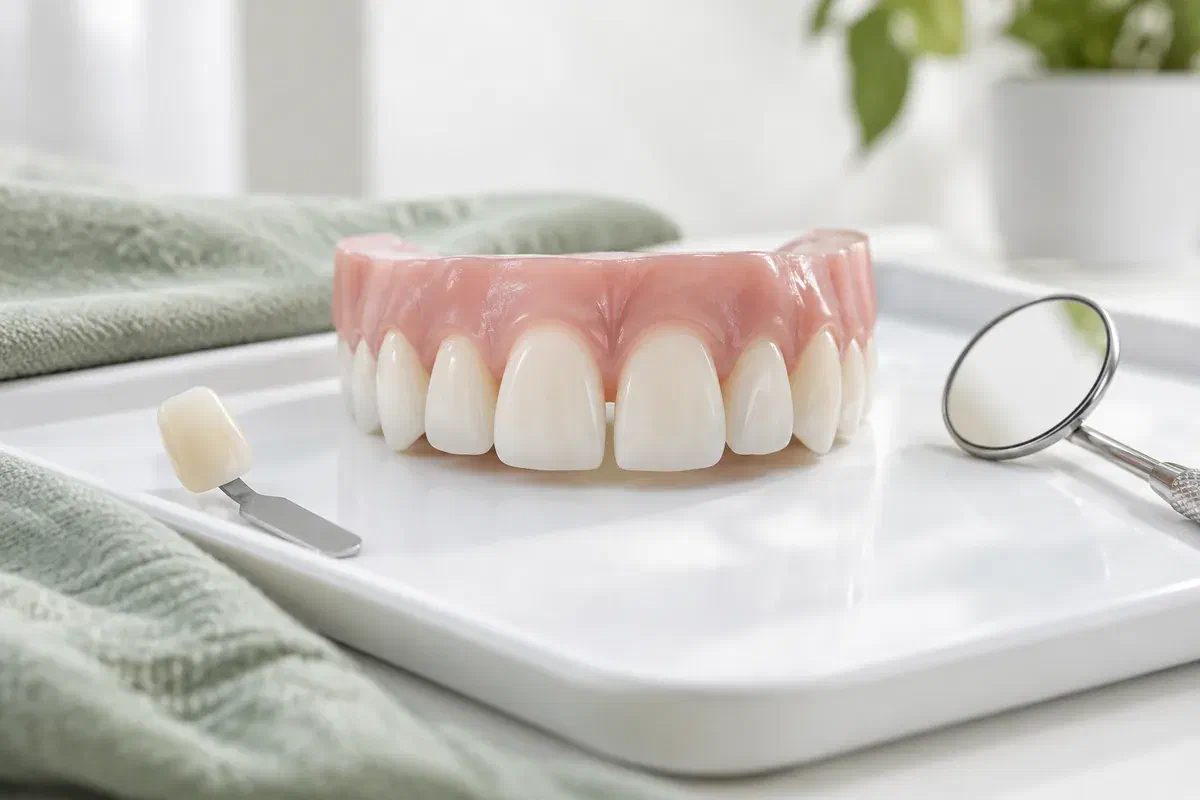
Illustrative front-teeth teaching model with a narrow central gap beside a shade sample
Reading the history of a gap

Old space, new space, or space after earlier treatment?

Your memory of the gap is useful. Share when it appeared, whether it has changed, and what dental work has been done nearby, so the first step can be the right one.

The gap you have always had

Decide whether you would like it gone or simply less noticeable. Any added composite widens the teeth involved, so their shape and size need a careful look. How the front teeth relate to each other often guides the plan more than the gap's measurement.

A space that seems wider lately

Tell the clinician about gum bleeding, a tooth that feels less firm, or a bite that feels different. Spacing that changes with time deserves a look at the gums and bone that hold the teeth. Disguising it with material would leave that question unanswered.

Spacing near older fillings or past braces

Older composite or a retainer from years ago can be part of the picture. Bring what you have and describe what was done. The clinician can review where the teeth sit now and talk about how a new contour would be kept stable.

When the space is actually where a tooth is missing, it may need a replacement discussion rather than gap bonding. Mention whether a tooth never formed, was extracted, or was lost.

What a well-planned result looks like

Less space, with the shape of each tooth kept in mind.

In suitable cases, composite is built onto the sides that face the gap, giving the teeth a new outline. A carefully chosen shade and a smooth, polished finish help the material sit naturally against enamel. The plan should also respect where the teeth touch and how they meet when you bite.

It is worth knowing from the outset that composite needs looking after. It can discolour, wear, or chip over the years, and you may need polishing, a repair, or eventual replacement. Weigh that upkeep alongside the appearance before you decide.

Patient information: Canadian Dental Association — bonding for small gaps and shape changes · Cleveland Clinic — tooth gaps and their causes

No pressure to change everything

You can focus on the gap alone. Ask which teeth would be built up and why those ones. A clear proposal describes any knock-on effect on nearby teeth instead of treating every tooth in view as a candidate for cosmetic work.

Shape change compared with tooth movement

Ask whether reshaping, orthodontics, or a staged combination fits your gap best. Each involves a different commitment of time and care. A shorter appointment does not automatically make an option the better response to why the gap formed.

A finish that works with your toothbrush and floss

Plan the new shape with cleaning in mind. Ask how you will reach the contact point and the gum edge once the composite is in. Narrowing a gap is only worthwhile if the area can still be kept healthy.

What happens, step by step

Examine, agree, build, then check.

You should understand whether bonding suits you, and what the alternatives are, before anything is placed. Ask how the planned contour will be judged and whether other care should come first.

  1. A full look at the gap and its surroundings

    Talk about how long the gap has been there, past orthodontics or fillings, and anything that has changed. The clinician checks the teeth, gums and bite. In some cases more records or a specialist opinion will come before any cosmetic advice.

  2. Settle the width, outline and amount of closure

    Agree on how wide the treated teeth will become and whether the gap closes fully or partly. Ask about preparation, shade, costs and future maintenance. Compare the plan with orthodontics and with leaving a healthy gap as it is.

  3. Composite is placed and shaped

    Once you agree to go ahead, the tooth surfaces are prepared and resin is added in layers and sculpted. A curing light hardens it. Attention goes to how the new edge meets the neighbouring tooth and how it finishes near the gum.

  4. Polishing, bite check and a cleaning lesson

    The composite is polished, and the bite and contact are checked. Ask the clinician to show you how to clean between the treated teeth. Look over the result and any space left, and confirm your follow-up before you go.

Daily care after bonding

Two teeth, still cleaned as two.

Follow the cleaning method you were shown for the new shape. Even with the gap reduced, the teeth remain separate and the area where they meet needs regular care.

Ease floss through rather than forcing it

Use the recommended aid gently. If it catches every time, shreds, or will not reach the gumline, ask us to take a look. Keep cleaning the area even though the open space is no longer there to remind you.

Treat the bonded edges kindly

Avoid tearing packages with your teeth or chewing on hard objects. Mention any clenching or grinding, and ask whether it should be assessed. A protective plan, if you need one, should be made for you specifically.

Let us know about chips, stains or a returning gap

Book a review if the surface feels rough, a piece comes away, or the spacing seems to change. Polishing, repair, or a fresh assessment may be needed depending on the cause. Avoid trying to fix or file the composite at home.

Patient information: Cleveland Clinic — maintaining dental bonding

Choosing among the options

Match the approach to the reason for the gap.

Each option changes something different. Depending on the findings, the plan may be cosmetic, orthodontic, restorative, or start with your gums.

When wider teeth still look in proportion

Bonding the teeth beside the gap

Bonding can suit a gap when the neighbouring teeth can take extra width and still look natural with a cleanable contact. Ask whether one or both teeth would be treated and how you would maintain them. There is no gap size that suits everyone.

When tooth position matters most

Orthodontics or a staged combined plan

Moving teeth handles spacing differently from building them out. Some cases call for steps in a planned order rather than one treatment. Ask why that order is recommended and what retention or restorations would follow.

When something else needs attention

Gum care, a replacement tooth, or no treatment

Gaps caused by gum disease or a missing tooth need their own assessment. A stable, healthy gap can also be left exactly as it is. Ask which choices protect your oral health and which are purely about appearance.

Questions from Old Milton

Before you decide, ask about these.

Ask how the plan fits your tooth width, bite and cleaning habits. Whether bonding suits you depends on more than how small the gap looks.

(905) 876-4488
I have had this gap since I was a child. Can it still be bonded?
Possibly. A long-standing gap between healthy teeth is often the kind that can be considered for bonding, but the shape of the teeth, your gums and your bite still need assessing. The exam will show whether added composite would look balanced.
Can old composite next to my gap be replaced at the same time?
That may be discussed once the clinician sees the existing material and the tooth beneath it. Older composite is sometimes removed, repaired, or left in place depending on its condition. Ask what the plan would involve for your teeth.
Does gum recession make my gap look bigger than it is?
Receding gums can alter how the space appears, particularly near the gumline. Recession and gaps have different causes and are handled differently. Point out exactly what bothers you so the clinician can explain what is happening and which options apply.
Is it possible to narrow the space but keep a hint of it?
Partial closure can be discussed. The clinician will look at whether the proposed contour and contact would work and stay cleanable. Describe how much of the gap you would like to keep and ask how the result is likely to look.
Would adding composite to both front teeth make them look wide?
It can change how broad they appear, which is why proportions are planned carefully. Ask how the material would be shared between the teeth and whether another approach would keep the shape you like better.
How do I arrange a first consultation from Old Milton?
Our Bronte Street practice is near Milton’s historic downtown. We are open Monday to Thursday from 11am to 7pm, and Friday to Sunday by appointment. Call (905) 876-4488 to book a time that works for you.
Book in Old Milton

Start with the story of your gap.

Arrange an assessment at our Bronte Street practice to talk about the space between your teeth. We will review how it has changed over the years, the health of the surrounding gums and the options that respect both your preferences and your oral health.

Bonding depends on the cause of the gap, the proportions of your teeth and your bite. A new or widening gap should be checked before cosmetic closure is planned.

Visit Milton Dental Clinic
Unit 1, 342 Bronte St. S, Milton, ON L9T 5B7
Get directions Clinic hours
Monday–Thursday
11am–7pm
Friday–Sunday
By appointment only

Areas we serve

  • Milton
  • Oakville
  • Mississauga
  • Georgetown
  • Halton Hills
  • Acton
  • Campbellville
  • Brampton
  • Burlington
  • Puslinch
  • Rockwood
  • Erin
  • Caledon
  • Etobicoke
  • Old Milton
  • Bronte Meadows
  • Timberlea
  • Dorset Park
  • Dempsey
  • Clarke
  • Beaty
  • Coates
  • Harrison
  • Scott
  • Willmott
  • Ford
  • Bowes
  • Cobden
  • Walker
  • Mountain View
  • Milton Heights
  • Hawthorne Village
  • Valley View
  • Fallingbrook
  • Nassagaweya
  • Trafalgar
  • Esquesing
  • Nelson
  • Brookville
  • Moffat
  • Glen Williams
  • Norval
  • Limehouse
  • Stewarttown
  • Ashgrove
  • Hornby
  • Silver Creek
  • Speyside
  • Scotch Block
  • North Oakville
  • River Oaks
  • Glen Abbey
  • West Oak Trails
  • Palermo
  • Bronte Creek
  • College Park
  • Joshua Creek
  • Uptown Core
  • Preserve
  • Iroquois Ridge
  • Lisgar
  • Meadowvale
  • Meadowvale Village
  • Churchill Meadows
  • Erin Mills
  • Central Erin Mills
  • Streetsville
  • East Credit
  • Creditview
  • Heartland
  • Sheridan
  • Mount Pleasant
  • Credit Valley
  • Huttonville
  • Churchville
  • Springbrook
  • Northwest Brampton
  • Bram West
  • Fletcher's Meadow
  • Fletcher's Creek South
  • Alton Village
  • Orchard
  • Millcroft
  • Headon Forest
  • Tansley
  • Brant Hills
  • Tyandaga
  • Kilbride
  • Lowville
  • Aberfoyle
  • Morriston
  • Arkell
  • Hillsburgh
  • Freelton
  • Carlisle
  • Waterdown
  • Flamborough
  • Mountsberg

How can we help?

Milton Dental Clinic

Have a question about your smile? Choose the option that works best for you.

For urgent dental concerns, please call.
Messages are reviewed during clinic hours.