

Illustrative patient discussing the appearance of her gumline with a dental clinician
Cosmetic Dentistry

Gum Contouring

The gumline helps frame your smile, but changing it starts with understanding the tissues. Explore gum contouring in Milton with an assessment of your concerns, tooth proportions, and periodontal health before discussing a suitable procedure or specialist opinion.

A closer look at gum contouring

Understand the frame around the teeth before changing it.

Gum contouring describes a planned change to the outline of the gum tissue, often to address selected areas of excess tissue or an uneven appearance. The procedure and its suitability depend on the relationship between the gums, teeth, and supporting structures.

A smile that shows more gum is not automatically unhealthy or in need of treatment. Tooth position, lip movement, tissue levels, and other anatomical features can affect the appearance. Removing tissue is only appropriate when an assessment shows that it addresses the actual concern responsibly.

At Milton Dental Clinic, explain what you notice when you smile and whether the gumline has changed. We can discuss the findings, appropriate options, and whether a periodontal specialist should be involved. The goal is a clear understanding of the proposed change and its limits before any treatment begins.

Discuss a gumline concern
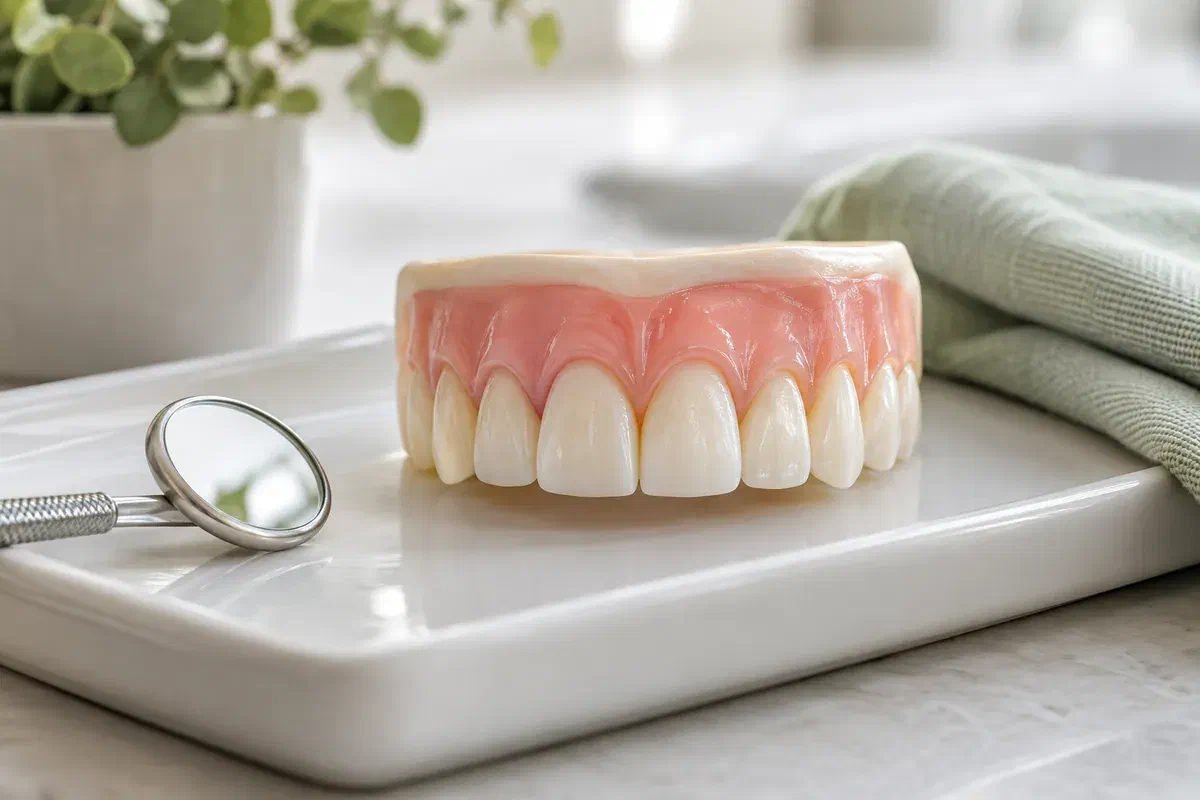
Illustrative front-teeth teaching model showing a gently scalloped gumline
What needs assessment

Look at tissue health as well as the visible outline.

Tell us which area concerns you and whether there is bleeding, tenderness, swelling, or recession. An appearance preference and an active gum problem need different kinds of attention.

Teeth that appear partly covered

If some teeth seem shorter because of the surrounding tissue, ask what is creating that appearance. The clinician can consider the tooth shape and tissue relationship. A photograph alone cannot determine how much gum could appropriately be altered.

An uneven gumline across neighbouring teeth

Point out the difference you notice and explain the change you would prefer. Some natural variation may be appropriate to preserve. Ask whether the proposed treatment would affect one area, several teeth, or the apparent proportions of the whole smile.

Enlarged, inflamed, or receding tissue

Share changes in symptoms, health, medicines, and oral hygiene. Tissue that looks enlarged or uneven may need assessment for a cause rather than immediate cosmetic removal. Recession involves a different problem from excess tissue and should be discussed separately.

Do not stop prescribed medication because you think it affects your gums. Tell the dentist and the prescribing clinician about the concern so any relevant review can be coordinated.

What a considered gumline plan can offer

Aim for an appropriate balance without compromising support.

For a suitable case, a planned tissue change may reveal more of a natural tooth or adjust the visible outline. The result needs to make sense in relation to the existing anatomy. The amount of gum seen during a smile is not, by itself, a treatment diagnosis.

Discuss the trade-offs before proceeding. Surgery involves healing and potential complications, and the tissues can change during recovery. Ask about discomfort, bleeding, infection, sensitivity, tissue regrowth, and the possibility that additional assessment or treatment may be needed.

Patient information: Cleveland Clinic — gum contouring, assessment, and recovery · American Academy of Periodontology — cosmetic periodontal procedures

A clear explanation of the proposed extent

Ask the clinician to identify the teeth involved and the reason for including each area. You should understand whether the plan is limited to soft tissue or includes other structures. A general promise of a more balanced smile is not enough to explain that difference.

An appearance goal connected to the underlying anatomy

Discuss how the intended gumline relates to tooth length and lip position. Your preference matters, but it needs to be considered within healthy limits. Ask which parts of the concern the proposed procedure would address and which would remain.

A coordinated approach when restorations are also planned

Tell the team if veneers, crowns, or orthodontic treatment are being considered. Tissue changes and healing can affect the sequence. Ask when the gumline would be reassessed before another clinician or laboratory relies on it for further work.

How a contouring plan develops

Assess the tissues, define the procedure, and plan the healing.

The details depend on the findings. Ask who would provide treatment, whether referral is appropriate, and what preparation or follow-up would be needed for the proposed procedure.

  1. Review the concern and periodontal health

    Discuss your goals, medical history, medicines, and any previous gum treatment. The clinician examines the tissues and relevant tooth relationships. Measurements or other records may be needed to understand the area and identify issues that should be managed first.

  2. Explain the approach and obtain an informed decision

    Compare the proposed procedure with suitable alternatives or observation. Clarify whether soft tissue alone would be altered or whether crown lengthening involving bone is being considered. Review risks, costs, expected healing, and any specialist involvement before agreeing.

  3. Provide the planned treatment with appropriate comfort measures

    When surgery is appropriate, the treating clinician uses the agreed anaesthetic and technique to carry out the planned change. Ask how to request a pause and what to expect. The method should be selected for the case rather than assumed from a cosmetic service name.

  4. Review wound care and arrange reassessment

    Receive instructions for cleaning, eating, medicines if recommended, and activity after the procedure. Confirm the review appointment and the contact route for concerns. Ask when the tissues can be assessed for the next stage of any wider treatment plan.

After a gum contouring procedure

Let the tissue heal according to the instructions for your procedure.

Recovery advice depends on the extent and method of treatment. Use the treating clinician's instructions rather than assuming that every gum procedure has the same timetable.

Follow the cleaning and eating guidance

Ask how to clean the treated area and when to resume your usual technique there. Choose foods as advised and avoid disturbing a healing site. Do not repeatedly pull the lip or probe the gumline to inspect the result.

Use recommended medicines safely and clarify restrictions

Take only the medicines and doses advised for you, accounting for allergies and other treatment. Ask about work, exercise, smoking, or vaping if relevant to your routine. Do not assume that an antibiotic or a particular rinse is needed for every patient.

Attend the planned tissue review

The early appearance is not always the settled result. Keep the review and mention persistent soreness, sensitivity, or concerns about the outline. Ask when it is appropriate to assess the final appearance or move ahead with restorations.

Choosing the right response to a gumline concern

Soft tissue removal is not the answer to every uneven smile.

Ask what is causing the appearance and which treatment addresses that cause. Similar-looking concerns can lead to different recommendations.

When the tissue relationship permits a suitable change

Limited soft tissue contouring

Selected areas may be managed with an appropriate soft tissue procedure. Ask how the proposed outline was chosen and what tissue will remain. The decision needs to preserve health and account for healing, not simply follow a line drawn on a photograph.

When the supporting anatomy needs a broader review

Crown lengthening or another specialist assessment

Some cases require consideration of the bone and tissue relationship or another contributor to the smile. A periodontal opinion can help clarify that need. Ask what makes the procedure more involved and how it would affect recovery and future dental work.

When tissue health or another concern comes first

Management of inflammation, recession, or observation

Inflamed or receding gums may need a different plan from cosmetic contouring. A healthy gumline can also be left unchanged if you prefer. Ask which findings require care and which choices are elective.

Patient information: Cleveland Clinic — gingivectomy and crown lengthening distinctions

Questions about gum contouring

Understand the tissues behind the proposed change.

Ask about the reason for the procedure, the structures involved, and the healing plan. The answer should relate to your anatomy and priorities.

(905) 876-4488
Does showing a lot of gum when I smile mean I need gum contouring?
No. A visible gumline can be healthy and may reflect several anatomical factors. An assessment can explain the cause and whether any treatment is appropriate. You can choose to keep a healthy appearance feature that does not trouble you.
How does gum contouring differ from crown lengthening that involves bone?
A limited contouring procedure may alter soft tissue, while crown lengthening can also require reshaping supporting bone. The clinician should explain which structures would be involved and why. That distinction affects planning, healing, and the scope of treatment.
Can gum contouring fix an area where the gum has already receded?
Recession is different from excess tissue and needs its own assessment. Removing more gum may be inappropriate. Ask whether the concern relates to tissue loss, tooth position, or another finding and whether a periodontal referral would help.
Will gum contouring automatically be performed with a laser?
No particular instrument should be assumed. The treating clinician selects a suitable technique for the procedure and tissues. Ask about the proposed method, its reasons, comfort measures, and aftercare rather than choosing treatment only by the tool used.
Should planned veneers or crowns wait until the gums have healed after contouring?
The sequence should be discussed before treatment. Healing and tissue stability can affect the design of later restorations. Ask when the clinician will reassess the gumline and what criteria determine readiness for the next stage.
Could my gumline change again after a contouring procedure?
It can. Healing, tissue regrowth, and other factors may affect the appearance over time. Discuss that possibility and the review plan before surgery. A planned outline should not be presented as a guarantee that the tissue will never change.
Gum contouring in Milton

Start with a closer look at the gumline you notice.

Arrange an assessment at our Bronte Street practice to discuss the appearance and health of your gums. We can explain suitable options, the need for any specialist input, and the questions to resolve before treatment.

Suitability depends on periodontal health and anatomy. The procedure, provider, and recovery plan should be confirmed after assessment.

Visit Milton Dental Clinic
Unit 1, 342 Bronte St. S, Milton, ON L9T 5B7
Get directions Clinic hours
Monday–Thursday
11am–7pm
Friday–Sunday
By appointment only

How can we help?

Milton Dental Clinic

Have a question about your smile? Choose the option that works best for you.

For urgent dental concerns, please call.
Messages are reviewed during clinic hours.