

Illustrative patient discussing the appearance of her gumline with a dental clinician
Cosmetic Dentistry

Gum Contouring in Milton

Maybe a group photo made you notice your gums for the first time. Before deciding anything, it helps to learn why the gumline looks the way it does, whether the tissue is healthy, and which change, if any, would truly suit your teeth.

Gumlines, up close in Milton

A photo shows the outline. An exam explains it.

Plenty of people first think about their gums after seeing a candid picture or a video call thumbnail. The camera catches a wide smile, and suddenly the pink outline above the front teeth seems more noticeable than the teeth themselves. That reaction is common, and it is a reasonable starting point for a conversation.

Gum contouring means reshaping the edge of the gum tissue in a planned way, usually to deal with specific areas where extra tissue or an irregular outline affects how the teeth look. Whether it makes sense depends on how the gums, the teeth and the bone beneath them relate. A gummy smile can be entirely healthy, and lip movement or tooth position may be part of the picture.

Bring the photo along if it helps. Here in Milton, our team can look at what the camera showed, examine the tissue, and tell you plainly whether treatment would address your concern, whether a periodontist should weigh in, or whether nothing needs to change.

Ask about your gumline
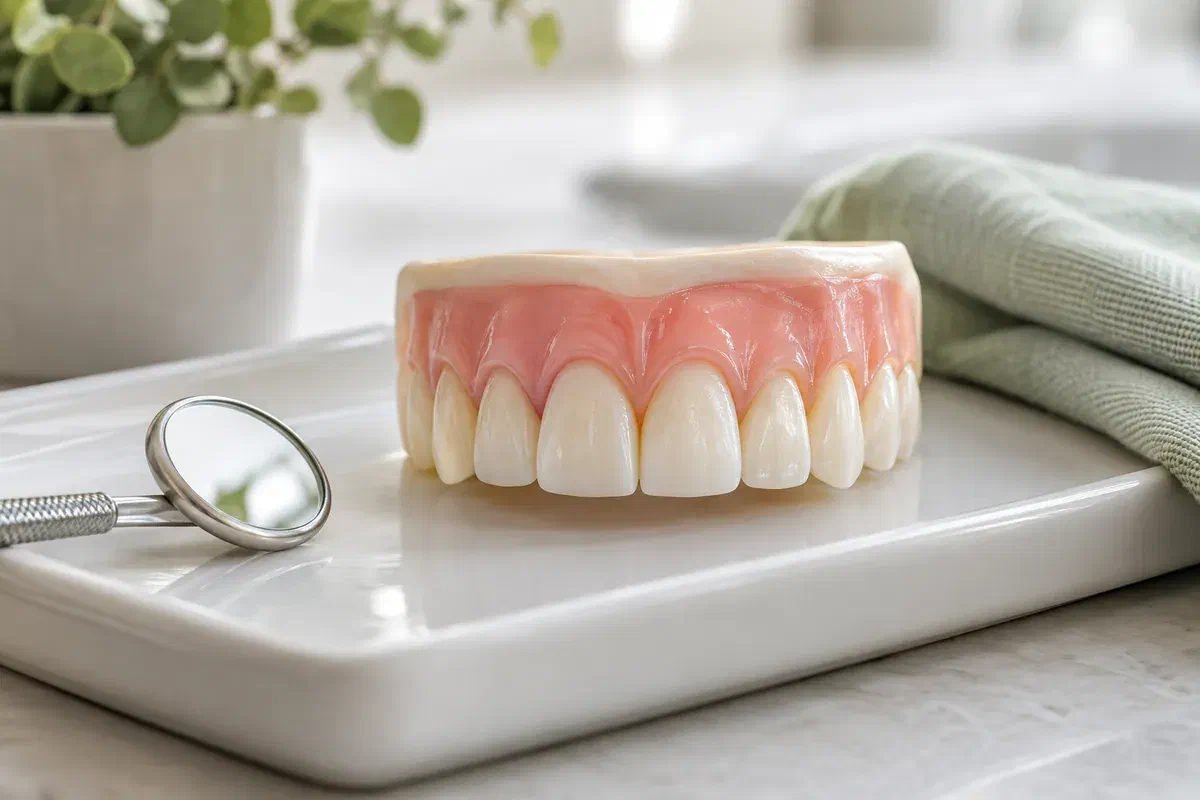
Illustrative front-teeth teaching model showing a gently scalloped gumline
Things worth pointing out

Three common reasons people ask about their gums

Describe what bothers you and mention any bleeding, soreness, puffiness or gum that seems to be pulling back. A preference about appearance is handled differently from a tissue problem that needs care.

Front teeth that look a little short

Sometimes the tooth is a normal length and gum simply covers more of it than you expect. Other times the tooth itself is shorter or worn. An examination separates those possibilities, because a picture on its own cannot show how much tissue could safely be reshaped.

One side sitting higher than the other

Show us the spot that catches your eye and describe the look you have in mind. Small differences between neighbouring teeth are normal and sometimes worth keeping. Ask whether any plan would involve a single tooth, a few teeth, or the overall balance of your smile.

Gums that look swollen, tender or lower than before

Tell us about recent changes in your health, your medicines and your brushing and flossing habits. Puffy or irregular tissue may have a cause that needs attention before anyone talks about cosmetics. Gum that has receded is a separate issue from extra tissue and calls for its own discussion.

If you suspect a prescribed medicine is affecting your gums, keep taking it as directed. Mention the concern to us and to the prescriber so that any review can happen safely and in coordination.

What a careful plan can do

More tooth showing, with healthy support kept in mind

When the anatomy allows it, removing or reshaping selected tissue can show more of a natural tooth or even out part of the visible outline. Any change has to fit the structures already there. How much gum shows when you laugh is not, on its own, a reason to treat.

It is worth weighing the downsides early. This is a surgical procedure, so there is a healing period and a chance of complications, and the tissue can shift as it recovers. Ask about soreness, bleeding, infection, sensitivity, the gum growing back and the chance that further assessment or treatment could follow.

Patient information: Cleveland Clinic — gum contouring, assessment, and recovery · American Academy of Periodontology — cosmetic periodontal procedures

Knowing exactly which teeth are involved

Ask the clinician to name each tooth in the plan and explain why it is included. Find out whether only soft tissue would be changed or whether deeper structures are part of it. A vague promise of a nicer smile does not answer that question.

A goal that fits your own proportions

Talk through how the new gumline would relate to the length of your teeth and the way your lip moves. Your wishes count, within limits that keep the tissue healthy. Ask which parts of your concern the procedure would solve and which would stay the same.

Good timing alongside other cosmetic work

Let us know if veneers, crowns or braces are on your list. Healing tissue can change the order in which treatments make sense. Ask when the gumline will be checked again before anyone designs further work around it.

From first visit to follow-up

How the plan takes shape

Each step depends on what the examination finds. Feel free to ask who would carry out the procedure, whether a referral is likely, and what preparation and follow-up your case would need.

  1. Talk through your goals and check gum health

    We start with what you would like to change, along with your medical history, medicines and any earlier gum treatment. The clinician examines the tissue and how the teeth relate to it. Measurements or records may help, and any problem that should be treated first is identified.

  2. Compare choices and decide together

    The proposed procedure is weighed against reasonable alternatives, including simply monitoring. You will hear whether soft tissue alone is involved or whether crown lengthening with bone reshaping is being considered. Risks, fees, healing and any specialist role are covered before you agree.

  3. Carry out the agreed treatment

    If surgery is the right step, the treating clinician uses the anaesthetic and technique agreed for your case. Ask how to signal that you need a break and what you will feel. The approach should suit your tissues, not follow automatically from the name of the service.

  4. Go home with clear aftercare and a review date

    You receive instructions on cleaning, eating, any recommended medicines and activity. Your review appointment is booked and you know how to reach the clinic with questions. Ask when the area can be assessed if further cosmetic treatment is planned.

The healing stretch

Give the gums time, and follow your own instructions

What recovery involves depends on how much tissue was treated and the method used. Rely on the guidance from your treating clinician instead of assuming every gum procedure heals on the same schedule.

Clean and eat the way you were shown

Check how to keep the treated area clean and when your normal brushing can return there. Pick foods that were suggested and avoid anything that would disturb the site. Try not to keep lifting your lip in the mirror to examine the result.

Take medicines only as advised

Use only the medicines and amounts recommended for you, keeping allergies and other treatment in mind. Ask whether work, exercise, smoking or vaping need to pause. An antibiotic or special rinse is not automatically part of every recovery.

Keep the follow-up visit

What you see in the first days is rarely the final look. Come to the review and mention any lingering soreness, sensitivity or worries about the shape. Ask when the outcome can fairly be judged and when other cosmetic steps could begin.

Matching the treatment to the cause

Different gumlines call for different answers

Find out what is creating the look you notice and which approach deals with that cause. Two smiles that look alike can lead to quite different recommendations.

Where the tissue allows a modest change

Limited soft tissue contouring

Specific areas can sometimes be reshaped with a soft tissue procedure. Ask how the new outline was decided and how much gum would remain. The plan must protect health and allow for healing, rather than tracing a line someone drew on a picture.

Where the bone and supporting tissue need a wider look

Crown lengthening or a specialist opinion

Some situations involve the relationship between bone and gum or another factor in the smile. A periodontist can help clarify what is needed. Ask what makes the procedure more involved and how it would affect healing and later dental work.

Where health or a different concern takes priority

Treating gum problems first, or leaving things as they are

Inflamed or receding gums usually need a different plan. A healthy gumline can also be left alone if it does not trouble you. Ask which findings need treatment and which decisions are purely your choice.

Patient information: Cleveland Clinic — gingivectomy and crown lengthening distinctions

Gum contouring questions

What people in Milton tend to ask first

Good questions cover why a procedure is suggested, which tissues it affects and how healing will go. The answers should be about your mouth, not a general sales pitch.

(905) 876-4488
Is a gummy smile in photos a sign that something is wrong?
Not usually. Many healthy smiles show a fair amount of gum, and the reasons can include lip movement, tooth size and tissue position. An assessment can tell you the cause. If the tissue is healthy, keeping your smile as it is remains a perfectly good option.
Should I bring pictures of the smile I would like?
Yes, pictures can help explain your goal. The clinician will compare them with your own tooth length, lip movement and tissue levels. Some looks may not suit your anatomy, and an honest explanation of what is realistic is part of the visit.
Can I have gum contouring if my gums bleed when I brush?
Bleeding often signals inflammation, which generally needs attention before any cosmetic change is considered. The clinician can look for the cause and suggest how to settle the tissue. Contouring would only be discussed once gum health has been assessed.
What is the difference between contouring gum tissue and lengthening a tooth?
Some procedures reshape only soft tissue. Crown lengthening may also involve reshaping the bone that supports the tooth. Ask which structures your plan would affect, because that changes the planning, the healing and how extensive the treatment is.
Is recovery something I can fit around a normal work week?
That depends on the extent and method of treatment. Ask the treating clinician about expected soreness, eating, speaking and any activity limits for your case. Planning the appointment around a lighter few days can make the healing period easier to manage.
Might the gum creep back after it has been reshaped?
It can happen. Healing, tissue regrowth and other factors may change the outline over time. Talk about that possibility and the follow-up plan beforehand. No one should present a planned gumline as permanent or guaranteed.
Book in Milton

Let’s look at the gumline together

Arrange an assessment at our Bronte Street practice to talk about how your gums look and how healthy they are. We will explain the choices that suit you, whether specialist input is needed, and what to settle before any treatment.

Whether contouring is suitable depends on gum health and anatomy. The procedure, provider and recovery plan are confirmed only after an assessment.

Visit Milton Dental Clinic
Unit 1, 342 Bronte St. S, Milton, ON L9T 5B7
Get directions Clinic hours
Monday–Thursday
11am–7pm
Friday–Sunday
By appointment only

Areas we serve

  • Milton
  • Oakville
  • Mississauga
  • Georgetown
  • Halton Hills
  • Acton
  • Campbellville
  • Brampton
  • Burlington
  • Puslinch
  • Rockwood
  • Erin
  • Caledon
  • Etobicoke
  • Old Milton
  • Bronte Meadows
  • Timberlea
  • Dorset Park
  • Dempsey
  • Clarke
  • Beaty
  • Coates
  • Harrison
  • Scott
  • Willmott
  • Ford
  • Bowes
  • Cobden
  • Walker
  • Mountain View
  • Milton Heights
  • Hawthorne Village
  • Valley View
  • Fallingbrook
  • Nassagaweya
  • Trafalgar
  • Esquesing
  • Nelson
  • Brookville
  • Moffat
  • Glen Williams
  • Norval
  • Limehouse
  • Stewarttown
  • Ashgrove
  • Hornby
  • Silver Creek
  • Speyside
  • Scotch Block
  • North Oakville
  • River Oaks
  • Glen Abbey
  • West Oak Trails
  • Palermo
  • Bronte Creek
  • College Park
  • Joshua Creek
  • Uptown Core
  • Preserve
  • Iroquois Ridge
  • Lisgar
  • Meadowvale
  • Meadowvale Village
  • Churchill Meadows
  • Erin Mills
  • Central Erin Mills
  • Streetsville
  • East Credit
  • Creditview
  • Heartland
  • Sheridan
  • Mount Pleasant
  • Credit Valley
  • Huttonville
  • Churchville
  • Springbrook
  • Northwest Brampton
  • Bram West
  • Fletcher's Meadow
  • Fletcher's Creek South
  • Alton Village
  • Orchard
  • Millcroft
  • Headon Forest
  • Tansley
  • Brant Hills
  • Tyandaga
  • Kilbride
  • Lowville
  • Aberfoyle
  • Morriston
  • Arkell
  • Hillsburgh
  • Freelton
  • Carlisle
  • Waterdown
  • Flamborough
  • Mountsberg

How can we help?

Milton Dental Clinic

Have a question about your smile? Choose the option that works best for you.

For urgent dental concerns, please call.
Messages are reviewed during clinic hours.