A past injury to the tooth
Explain when it happened and what treatment followed. That background may change how carefully the plan needs to proceed. The tooth’s colour alone cannot tell your dentist how the surrounding tissue is doing.


A wedding, a graduation, or family photos on the calendar can make one dark tooth feel urgent. From Rockwood, book early so we can assess the tooth, explain whether internal bleaching suits it, and give an honest sense of the time the stages may need.
An upcoming event has a way of making a darker front tooth hard to ignore. If that tooth has had root canal treatment, internal bleaching may be one route a dentist considers. It works on discolouration held inside the crown, in supervised stages, and it should not be confused with a whitening kit applied to the outside of the teeth.
Timing depends on the tooth, not the calendar. Your dentist first establishes the cause of the colour, the condition of the root canal treatment, the health of the tissue around the root, and how much natural tooth remains. If something needs attention first, that care can add time, which is one more reason to book early.
From Rockwood, mention your date when you book and bring the tooth’s history with you: an injury, the root canal, any past whitening. Tell us whether the colour is changing and how close a match you hope for. We will explain what the tooth needs, how many stages might be involved, and whether bleaching is a sensible fit before the occasion.
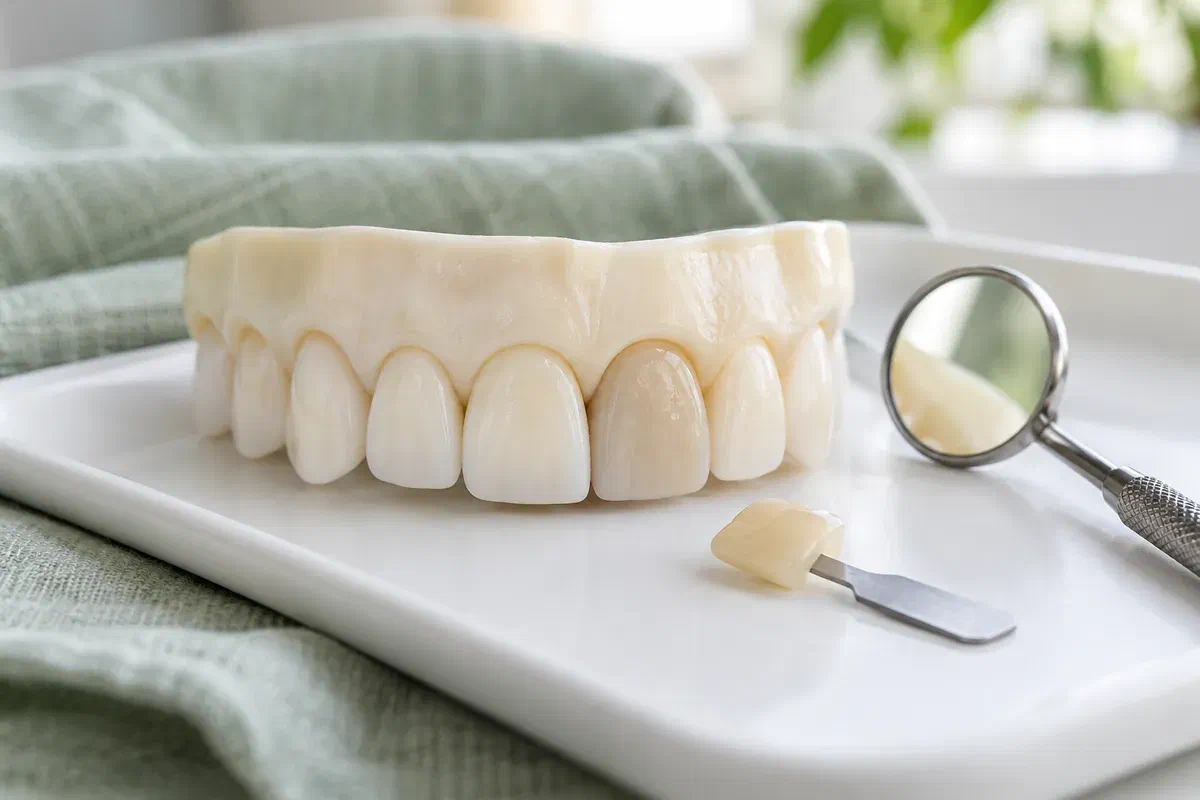
Your history influences how quickly a plan can begin. Share it early, so any talk of appearance is anchored to the tooth’s real condition.
Explain when it happened and what treatment followed. That background may change how carefully the plan needs to proceed. The tooth’s colour alone cannot tell your dentist how the surrounding tissue is doing.
Note which part looks darkest and mention any fillings or earlier whitening. Discolouration in a filling will not lighten with bleaching, and may need a separate step. Knowing the source helps set a realistic timeline.
These may need care before cosmetic work, which can affect your schedule. Bleaching cannot clear an infection or repair a leaking seal. Your dentist will explain whether root canal or restorative review must come first.
However tight the deadline, never try to whiten the inside of a tooth at home or remove a filling yourself. Internal bleaching needs the root filling sealed off with a protective layer and a plan your dentist controls.
If the tooth is suitable, internal bleaching may reduce its darkness without the preparation involved in a veneer or crown. How far the shade moves is hard to predict. It may get closer to the other teeth, but a perfect match by a specific date, or one that lasts indefinitely, cannot be promised.
The risks still apply under time pressure. Colour may return, fillings may need replacing to blend, and further treatment may be needed later. External cervical root resorption, an uncommon but potentially serious complication, involves the loss of tooth structure where crown and root meet.
Patient information: Leeds Teaching Hospitals — whitening and non-vital bleaching · Research review — internal bleaching and external cervical resorption
Make sure the proposal is designed around the reason this tooth looks dark. Many people simply want it to stop drawing attention in photos. Ask how the target shade will be recorded and compared.
Compare bleaching with covering options and how much each would remove. The access will still need a permanent restoration, which also takes time to schedule. Colour and protection are linked, though each needs its own plan.
Ask when you are likely to see whether the tooth is responding, and when your dentist would stop or change approach. Build in time for the final restoration. A good plan has clear review points rather than a rush to the date.
Your dentist chooses the technique after an examination. Ask how many appointments are likely, how far apart they are, how the root is protected, and when the permanent restoration fits in.
Your dentist reviews the history, symptoms, current filling, and root canal treatment, possibly with radiographs and shade photos. You will find out at this point if a review, a repair, or more tests have to happen before bleaching.
You will learn how the bleaching is done and what shields the root filling and nearby gum. Discuss the limits, complications, fees, and the option of not treating. Ask how the stages could fit before your event.
Access is made through the crown, the root filling is sealed off with a protective layer, and the bleaching agent goes in following the protocol. A temporary filling often stays between visits. Keep each review on schedule.
Comparing the new colour with the baseline, your dentist decides when to stop, then closes the access with a suitable permanent restoration. Ask whether a visible filling should be re-matched, and whether that can happen before the date.
Instructions vary with technique and stage. Keep them written down, and reach out if the temporary seal shifts, the tooth becomes uncomfortable, or the gum looks irritated.
Adding home whitening, leaving a stage in longer, or touching the temporary seal can cause problems. Call with any questions instead. Your dentist needs to know everything applied to the tooth and how it responded.
Follow the eating and cleaning advice for that tooth. If the temporary filling loosens or falls out, especially close to your event, phone us promptly. Do not hold off until the next booking.
If the permanent restoration is scheduled after your date, attend it regardless of how pleased you are with the shade. Continue regular check-ups and mention any change. A root-treated tooth needs long-term monitoring.
Patient information: American Association of Endodontists — root resorption
Questions people in Rockwood ask about scheduling, expectations, and what to do if time runs short.
Get in touch with our Bronte Street practice as soon as you have a date in mind. We will examine the darker root-treated tooth, explain whether internal bleaching is suitable, and help you plan the stages realistically.
Not every root-treated tooth is suitable. Results and timelines vary, bleaching is dentist-supervised, and the tooth must receive a permanent restoration.
