

Illustrative patient discussing treatment information with a dental clinician
Cosmetic Dentistry

Invisalign Second Opinions in Brampton

When a teenager's aligner plan arrives with a long timeline and a large estimate, parents often want to understand it before saying yes. For households in Brampton, a second-opinion visit can walk through the goals, records and examination findings in plain language.

For parents in Brampton

A plan for your teen, and the questions you'd like answered first

Parents are often the ones holding the paperwork. Your teen may be keen to start, while you're trying to work out why one office recommends aligners and another suggests something else. Seeking another view is a practical way to understand the recommendation before the family commits.

Younger patients bring their own considerations, such as growth, how reliably trays will be worn, and how much change the plan is aiming for. None of that can be judged from a quote or a tray count. An examination and the relevant records give a much clearer basis for discussion.

When you phone our Bronte Street practice, say whether treatment has started and who will attend with your teen. We'll explain what to bring and what the visit can address. An opinion appointment doesn't move your child's care; the current clinician still provides wear instructions.

Book a family second-opinion visit
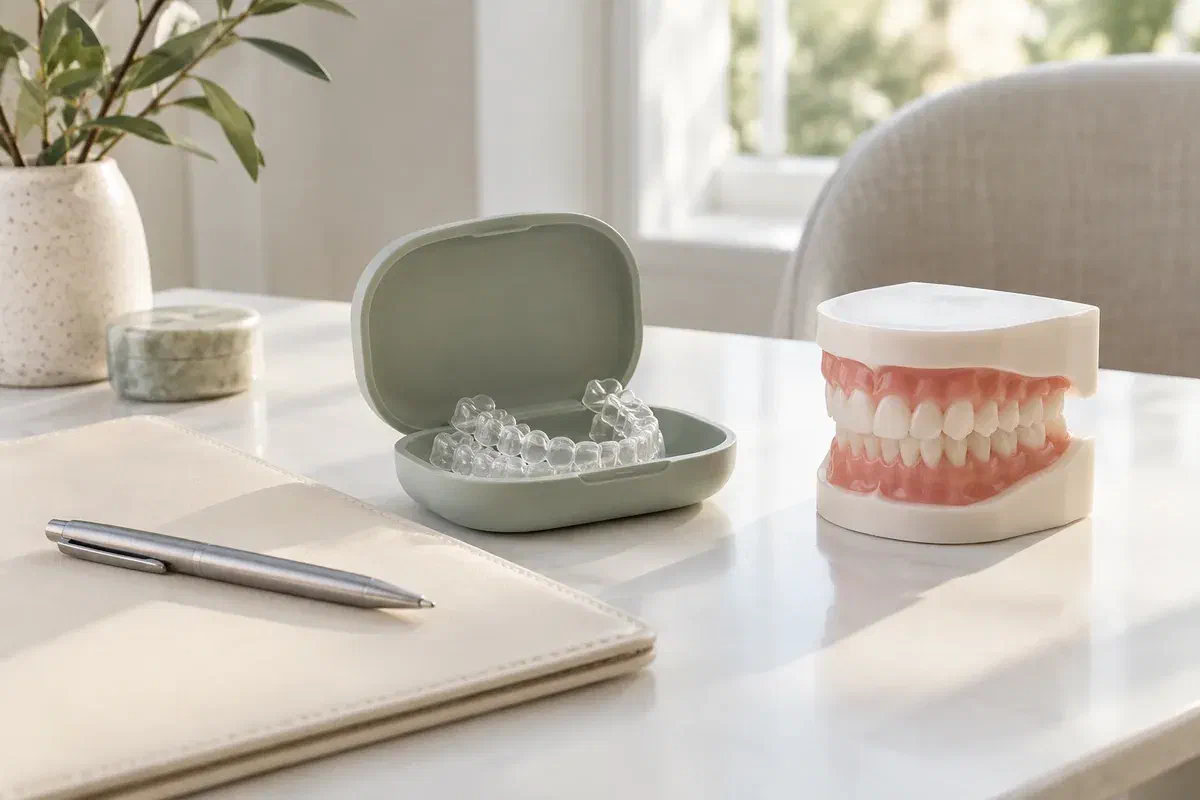
Illustrative consultation folder, pen, clear aligners, protective case, and tooth model
Questions parents bring

Is this the right plan, and is now the right time?

You don't have to know what's wrong, or whether anything is. Bring the recommendation that's puzzling you and tell us what you need to understand to feel comfortable deciding.

Different advice from different offices

One clinic may suggest a short aligner course, another a fuller correction, and a third may prefer to wait. Bring each written plan and ask what problem it targets. Differences in goals and timing can explain very different recommendations.

Wear habits, fit or comfort during treatment

If trays aren't seating well or your teen mentions a changed bite, note when it began and how consistently the aligners have been worn. Bring them along if asked. The review should look at findings and history before suggesting any explanation.

A new stage that wasn't in the original plan

Extra aligners, a different appliance or an early switch to retainers may come up. Ask which records would help another clinician assess that suggestion. Be clear whether you want it explained, independently reviewed, or discussed as a possible move.

Wanting a second view on your child's treatment is reasonable and widely accepted. It doesn't mean you've concluded the first recommendation is wrong.

What families gain from a second look

Plain explanations make family decisions easier.

Often the most helpful thing is a clearer explanation that both you and your teen understand. Another assessment can identify which questions are already answered, what information is missing, and whether an orthodontic specialist should be involved before treatment begins or continues.

Some things fall outside a single visit. The reviewing clinician may need an exam and additional records before commenting on a proposal. An opinion on present needs doesn't decide fault, resolve fee disagreements with another office, or guarantee a different outcome.

Goals your teen can understand too

Ask whether each plan is trying to correct the same concern. A cosmetic adjustment, a broader bite correction and a wait-and-watch approach have different tradeoffs. Explaining the aims in plain terms helps your teen take part in the decision.

What's known now and what may change

Ask which conclusions the records support today and which depend on future growth or more information. A careful opinion keeps findings separate from possibilities. If further records are suggested, ask what they're for.

A decision made at your family's pace

You might go back to the first office with better questions, seek specialist care, or explore other arrangements. Ask what each option involves. The conversation should support a family decision, not rush one.

Getting ready for the appointment

A little preparation helps the whole family.

Let us know whether your teen is still deciding, already in aligners, or close to finishing. That determines the appointment type and which records are worth requesting.

  1. Share the concern and confirm the visit type

    When booking, describe the main question and any discomfort your teen has mentioned. Ask whether this will be a discussion, an exam or a fuller assessment. Confirm the fee and what can be looked at in the time booked.

  2. Gather the plan and supporting records

    The proposal, X-rays, photographs and progress notes can all be useful. Ask the treating office for copies, or authorise direct sharing. Bring your teen's trays and case if we request them, along with your own written questions.

  3. Hear your teen's experience and examine

    Your teen can describe how wear has gone and any changes they've felt. The clinician reviews the records with current examination findings. If information is incomplete, further records may be needed before an opinion can be offered.

  4. Talk about findings and responsibilities

    Ask what the review suggests, what's uncertain, and whether specialist input would help. Agree on how findings may be shared with the treating clinician. Leave knowing who gives ongoing instructions and whether a change of provider needs its own discussion.

Back home after the visit

Talk it over together before changing anything.

A second view can give your family a lot to discuss. Agree on what's actually been recommended before your teen alters how they wear their aligners.

Review the explanation as a family

Note the points that are now clear and those still open. If advice differs, ask whether it concerns diagnosis, goals, scope or timing. Where helpful, ask the clinicians to compare findings directly instead of trying to resolve technical details at the kitchen table.

Keep your teen on the current schedule

The clinician supervising treatment should continue to say which trays to wear and when to return. Your teen shouldn't stop, skip ahead or combine advice from two plans. If a new problem makes wear difficult, call promptly for guidance.

Understand a transfer before planning around it

Moving care requires clear agreement on acceptance, records, responsibilities, fees and the plan. A consultation isn't a takeover. Ask how care will stay coordinated through any handover and who to call with urgent questions.

Where the family might go next

Choosing a direction once the findings are clear

The right step depends on what the review found and what you needed explained. Ask which advice comes from the evidence and which decisions are yours as a family.

When the plan now makes sense to everyone

Continue with the first office

A fuller explanation may be enough for your family to go ahead confidently. Take any remaining questions back to the treating team. Ask whether anything from the review should be passed along.

When growth or complexity needs a closer look

Seek more records or an orthodontist's input

The available records may not support a firm view, or the case may benefit from specialist training. Ask what further assessment would aim to answer. Clarify referral arrangements and who supervises your teen's trays meanwhile.

When your family wants another arrangement

Explore care with a different clinician

Ask whether someone else could accept your teen's case and what their approach would require. Compare records, estimates, responsibilities and limitations before agreeing. Any change of provider should be organised around continuity.

Brampton parents ask

Teen aligners, second opinions and family logistics

A clear question and relevant records help the appointment go smoothly. Let us know if your teen is already wearing aligners when you call.

(905) 876-4488
Can a parent request an Invisalign second opinion for a teenager?
Yes. A parent or guardian can arrange the visit and attend with their teen. Bring the proposal and any records you have, and let your teen describe their own experience during the appointment.
Is my teen too young for aligners?
That depends on examination findings, growth and the goals of treatment rather than age alone. A second opinion can discuss the options, and specialist orthodontic input may be suggested where growth is a factor.
What if my teen isn't wearing their aligners enough?
Talk to the clinician supervising treatment, since inconsistent wear can affect how a plan progresses. A second opinion can review current findings, but it can’t replace the supervising clinician’s guidance on wear time.
Can my teen's opinion visit be booked around school?
Our hours are Monday to Thursday, 11am to 7pm, and Friday to Sunday by appointment only. Ask about visit length when booking so you can plan around classes and activities.
Should we hold off starting treatment until after a second opinion?
If you have questions about a proposed plan, it’s reasonable to seek another view before committing. Ask the original office whether there’s any timing concern you should be aware of while you arrange the visit.
Will a second opinion recommend braces instead of aligners?
It might discuss different approaches if they suit the goals and findings. No particular recommendation can be promised in advance. Ask the reviewing clinician to explain the tradeoffs of each option they mention.
Family appointments for Brampton

Come in together and bring the plan you're weighing.

Call our Bronte Street practice to book a second-opinion visit for your teen. Tell us whether treatment has begun, and we'll explain which records help, what the visit includes and what happens next.

A visit doesn't guarantee a different recommendation or acceptance of a transfer. Please ask about fees and records when booking.

Visit Milton Dental Clinic
Unit 1, 342 Bronte St. S, Milton, ON L9T 5B7
Get directions Clinic hours
Monday–Thursday
11am–7pm
Friday–Sunday
By appointment only

Areas we serve

  • Milton
  • Oakville
  • Mississauga
  • Georgetown
  • Halton Hills
  • Acton
  • Campbellville
  • Brampton
  • Burlington
  • Puslinch
  • Rockwood
  • Erin
  • Caledon
  • Etobicoke
  • Old Milton
  • Bronte Meadows
  • Timberlea
  • Dorset Park
  • Dempsey
  • Clarke
  • Beaty
  • Coates
  • Harrison
  • Scott
  • Willmott
  • Ford
  • Bowes
  • Cobden
  • Walker
  • Mountain View
  • Milton Heights
  • Hawthorne Village
  • Valley View
  • Fallingbrook
  • Nassagaweya
  • Trafalgar
  • Esquesing
  • Nelson
  • Brookville
  • Moffat
  • Glen Williams
  • Norval
  • Limehouse
  • Stewarttown
  • Ashgrove
  • Hornby
  • Silver Creek
  • Speyside
  • Scotch Block
  • North Oakville
  • River Oaks
  • Glen Abbey
  • West Oak Trails
  • Palermo
  • Bronte Creek
  • College Park
  • Joshua Creek
  • Uptown Core
  • Preserve
  • Iroquois Ridge
  • Lisgar
  • Meadowvale
  • Meadowvale Village
  • Churchill Meadows
  • Erin Mills
  • Central Erin Mills
  • Streetsville
  • East Credit
  • Creditview
  • Heartland
  • Sheridan
  • Mount Pleasant
  • Credit Valley
  • Huttonville
  • Churchville
  • Springbrook
  • Northwest Brampton
  • Bram West
  • Fletcher's Meadow
  • Fletcher's Creek South
  • Alton Village
  • Orchard
  • Millcroft
  • Headon Forest
  • Tansley
  • Brant Hills
  • Tyandaga
  • Kilbride
  • Lowville
  • Aberfoyle
  • Morriston
  • Arkell
  • Hillsburgh
  • Freelton
  • Carlisle
  • Waterdown
  • Flamborough
  • Mountsberg

How can we help?

Milton Dental Clinic

Have a question about your smile? Choose the option that works best for you.

For urgent dental concerns, please call.
Messages are reviewed during clinic hours.