

Illustrative patient discussing treatment information with a dental clinician
Cosmetic Dentistry

Invisalign Second Opinions in Etobicoke

Making the trip from Etobicoke for a second opinion is easier when the visit is well prepared. Send the right records ahead, agree on the question in advance, and leave with a clear explanation of your Invisalign plan, current findings and the choices in front of you.

Planning a visit from Etobicoke

Make one appointment count.

From Toronto's west end, coming in for a review takes some planning, so it helps to know exactly what you want from it. Maybe a proposal feels too large, perhaps progress has stalled, or you'd like an independent view before agreeing to the next set of trays.

The more organised the information, the more the visit can achieve. An opinion depends on the original goals, the treatment records and today's examination. Without those, a clinician can only speak in general terms, and you may need a second trip to fill the gaps.

Before you book with our Bronte Street practice, tell us whether you're in active treatment and what records you can obtain. We'll suggest what to send in advance and how long to allow. Seeing us for an opinion doesn't take over your care, so your current clinician's instructions continue.

Plan a second-opinion appointment
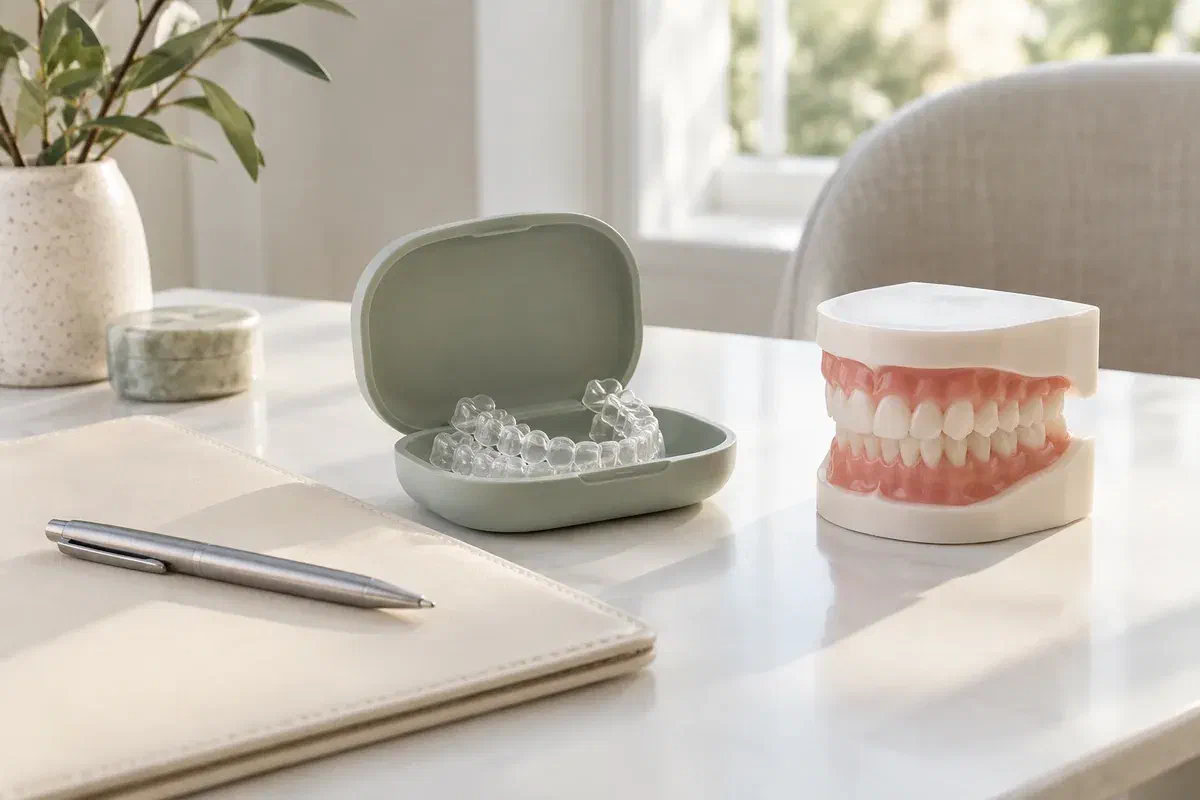
Illustrative consultation folder, pen, clear aligners, protective case, and tooth model
Common reasons for the trip

Pin down the question before you set out.

A clearly stated concern helps us prepare and makes a single visit more productive. Tell us what was recommended or what you've noticed, and what you'd like to understand.

Conflicting plans before treatment starts

Two offices may have described very different courses of treatment. Send or bring both written plans and ask what each is designed to achieve. Different goals often account for different lengths, approaches and estimates.

A fit, bite or comfort concern

Note when the issue appeared, which tray you were on and how it feels now. Bring your current trays if we ask. A careful review weighs symptoms against findings and history rather than settling on a cause from a quick description.

A proposed change you'd like reviewed

Refinements, a switch in approach or a move to retainers may have been suggested. Ask which records would let us assess that advice properly. Decide beforehand whether you want an explanation, an independent opinion, or a talk about changing provider.

Seeking another view is a normal part of informed decision-making. It doesn't commit you to the idea that something has gone wrong.

What you can take home

Leave with answers you can act on.

A useful outcome is often an explanation you can carry back to your treating clinician. Another assessment can show what's been covered, where information is missing, and whether a specialist orthodontist ought to be involved.

Some limits apply however well you prepare. Further records or a fuller examination may still be needed before commenting on another office's plan. An opinion about your present needs isn't a finding of fault, a route to settling payment disputes, or a promise of a different result.

Proposals compared on equal terms

Ask whether each plan addresses the same concern. A limited cosmetic plan, a broader bite correction and a restorative alternative each balance time, cost and change differently. Comparing the aims explains why the advice differs.

A distinction between evidence and inference

Find out what the records clearly support and what remains uncertain. Observations should be presented separately from possible explanations. If more information is recommended, ask why and whether it could be gathered closer to home.

Next steps you can organise ahead

You may return to your provider, look for specialist care, or think about a transfer. Ask what each would involve in visits and coordination. Knowing that in advance helps you plan around the distance without feeling rushed.

Preparing from a distance

Do the groundwork before the appointment day.

Tell us where you are in treatment when you call. The stage you're at shapes the appointment and the records worth arranging beforehand.

  1. Agree on the purpose by phone

    Describe the concern and any symptoms when you call. Ask whether the visit will be a discussion, an exam or a more complete assessment, and roughly how long it will take. Check fees before you travel.

  2. Send records ahead where possible

    Useful material may include the proposal, X-rays, photographs and progress notes. Ask your treating office to share copies directly with your consent, so they arrive before your visit. Bring trays, your case and written questions on the day.

  3. Review the history and examine on the day

    Walk through the tray sequence, any changes in instructions and when symptoms began. The clinician considers the records alongside the examination. If something important is missing, ask whether it can be obtained without another trip.

  4. Settle the findings and who handles what

    Ask what the review suggests, what remains uncertain and whether a specialist referral is advisable. Agree how findings will reach your treating clinician. Before leaving, confirm who gives your ongoing instructions and what a transfer would involve, if relevant.

On the way home and afterward

Let the information settle, and keep care close.

A second opinion can raise new questions as well as answer old ones. Clarify what's been recommended before altering how you wear your trays.

Capture the main points while they're fresh

Jot down what's clear and what's still open before you get home. If advice differs, ask whether it's about diagnosis, goals, scope or approach. You can ask clinicians to discuss findings with each other rather than reconciling details yourself.

Follow your current clinician's instructions

The person supervising your active treatment should still tell you which aligners to wear and when to return. Don't stop, skip ahead or blend advice from two plans. If a new problem makes wear difficult, contact them promptly.

Think through a transfer carefully

Changing providers across a distance needs clear agreement on acceptance, records, responsibilities, fees and the plan. A consultation isn't a takeover. Ask how coordination would work and who you'd contact for urgent help.

Choices after the review

What comes next can be planned around the distance.

The right step depends on what was found and what you wanted explained. Ask which recommendation the evidence supports and which decisions are yours.

When the explanation resolves your doubts

Keep your current provider

With the goals and limits clearer, staying with a nearby provider may make the most sense. Take any remaining questions back to them. Ask whether anything from the review should be shared.

When the question needs further detail

Arrange more records or specialist input

The records may not allow a confident view, or the case may need specialist expertise. Ask what the next assessment would answer and whether it can happen locally. Clarify who supervises your treatment in the meantime.

When you'd like to explore a different provider

Weigh a move with travel in mind

Ask whether another clinician could accept your case, how often visits might be needed, and what they'd recommend. Look closely at records, costs and duties before agreeing. Continuity matters more than convenience on a single day.

Etobicoke visit questions

Practical answers for a longer trip

Records sent ahead and a focused question help one visit do more. Mention ongoing treatment when you call.

(905) 876-4488
Can my records be sent before my second-opinion visit?
Often, yes. Ask your treating office to share copies directly with your written consent. Sending them ahead gives the reviewing clinician time to look over the history before you arrive.
Is one visit usually enough for an Invisalign second opinion?
Sometimes. It depends on the question and whether the available records are enough to answer it. A clinician may need further records or a fuller exam before giving a view. Ask in advance what’s likely in your situation so you can plan your time and travel realistically.
What should I do if a tray breaks while I'm waiting for the appointment?
Contact the clinician supervising your treatment for instructions. Don’t move to the next tray, or go back to an older one, unless they advise it. Keep the broken pieces in the case in case they’re useful to see. If there’s pain or injury, seek prompt care nearby rather than waiting for the scheduled visit.
Can a second opinion be done by video before I travel?
A phone or video conversation can help clarify the question and the records worth gathering, but a meaningful clinical opinion usually needs an examination as well. Ask the clinic what can and can’t be discussed remotely, and what would need to wait until you’re in the chair.
Will the reviewing clinic share its findings with my current provider?
With your permission, findings can be shared with your treating clinician. Some people prefer to carry a summary back themselves; others ask the offices to speak directly. Discuss your preference when booking, and confirm afterward how and when the information will be passed along.
Does a second-opinion visit commit me to treatment at the reviewing clinic?
No. An opinion visit and accepting treatment are separate decisions. You can take the findings back to your own provider, and any transfer would need explicit agreement on both sides.
Coming from Etobicoke

Send ahead, travel once, leave with clarity.

Get in touch with our Bronte Street practice before you travel. Tell us where you are in treatment, and we'll suggest which records to send, how long to allow and what the visit can cover.

Booking an opinion doesn't guarantee different advice or that we can accept a transfer. Please ask about assessment fees and the records you'll need before your trip.

Visit Milton Dental Clinic
Unit 1, 342 Bronte St. S, Milton, ON L9T 5B7
Get directions Clinic hours
Monday–Thursday
11am–7pm
Friday–Sunday
By appointment only

Areas we serve

  • Milton
  • Oakville
  • Mississauga
  • Georgetown
  • Halton Hills
  • Acton
  • Campbellville
  • Brampton
  • Burlington
  • Puslinch
  • Rockwood
  • Erin
  • Caledon
  • Etobicoke
  • Old Milton
  • Bronte Meadows
  • Timberlea
  • Dorset Park
  • Dempsey
  • Clarke
  • Beaty
  • Coates
  • Harrison
  • Scott
  • Willmott
  • Ford
  • Bowes
  • Cobden
  • Walker
  • Mountain View
  • Milton Heights
  • Hawthorne Village
  • Valley View
  • Fallingbrook
  • Nassagaweya
  • Trafalgar
  • Esquesing
  • Nelson
  • Brookville
  • Moffat
  • Glen Williams
  • Norval
  • Limehouse
  • Stewarttown
  • Ashgrove
  • Hornby
  • Silver Creek
  • Speyside
  • Scotch Block
  • North Oakville
  • River Oaks
  • Glen Abbey
  • West Oak Trails
  • Palermo
  • Bronte Creek
  • College Park
  • Joshua Creek
  • Uptown Core
  • Preserve
  • Iroquois Ridge
  • Lisgar
  • Meadowvale
  • Meadowvale Village
  • Churchill Meadows
  • Erin Mills
  • Central Erin Mills
  • Streetsville
  • East Credit
  • Creditview
  • Heartland
  • Sheridan
  • Mount Pleasant
  • Credit Valley
  • Huttonville
  • Churchville
  • Springbrook
  • Northwest Brampton
  • Bram West
  • Fletcher's Meadow
  • Fletcher's Creek South
  • Alton Village
  • Orchard
  • Millcroft
  • Headon Forest
  • Tansley
  • Brant Hills
  • Tyandaga
  • Kilbride
  • Lowville
  • Aberfoyle
  • Morriston
  • Arkell
  • Hillsburgh
  • Freelton
  • Carlisle
  • Waterdown
  • Flamborough
  • Mountsberg

How can we help?

Milton Dental Clinic

Have a question about your smile? Choose the option that works best for you.

For urgent dental concerns, please call.
Messages are reviewed during clinic hours.