

Illustrative patient discussing treatment information with a dental clinician
Cosmetic Dentistry

Invisalign Second Opinions in Rockwood

If most of your aligner check-ins have happened through photos or an app, you may want someone to look in person. For people in Rockwood, a second-opinion appointment can combine an examination with your records to explain how treatment is really progressing and what your options are.

In-person reviews for Rockwood

Photos show part of the story. An exam shows more.

Aligner treatment can involve fewer office visits than many people expect, with progress sometimes checked through photographs between appointments. That suits busy schedules, yet it can leave you wondering whether something you feel or see has been noticed. An in-person second opinion is one way to find out.

Images are useful, but they have limits. Whether a tray fits as intended, how your teeth meet and how progress compares with the plan depend on an examination, the original goals and the treatment records. A phone picture alone can't confirm that a plan is on track or explain a change.

When you book with our Bronte Street practice, tell us how your treatment has been monitored and which tray you're on. We'll explain what to bring, including any records you can request. Seeing us for an opinion doesn't replace the instructions of the clinician currently supervising you.

Book an in-person review
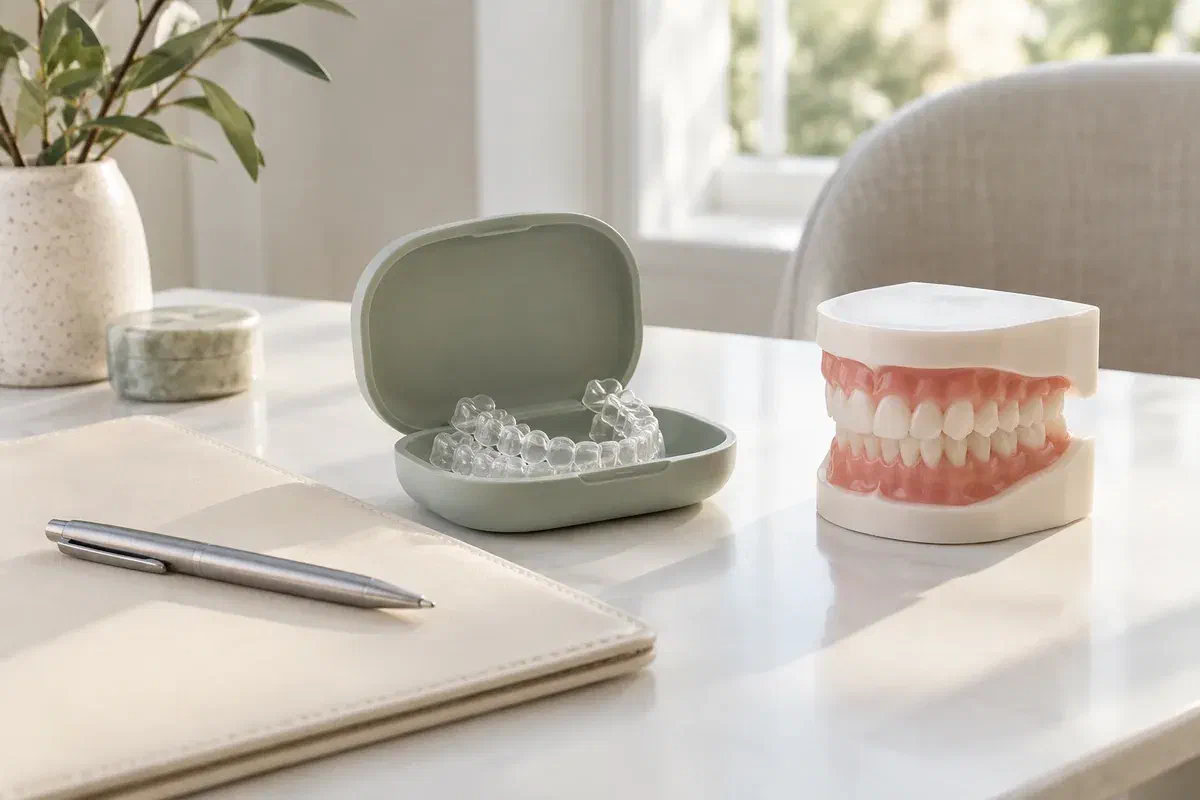
Illustrative consultation folder, pen, clear aligners, protective case, and tooth model
What people want checked

Something you've noticed that a photo may not capture

Come with whatever has been nagging at you. Describe what you see or feel and when it started, and tell us what you'd most like the visit to explain.

Questions about the original plan

If you weren't sure at the outset how much change was planned, bring the written proposal or any summary you received. Ask what it was designed to achieve. Knowing the goal makes it easier to judge whether progress fits.

A fit or bite change between check-ins

Note when you first noticed it, which tray you were on and whether it has changed since. Bring current aligners and instructions if asked. An exam lets the clinician weigh findings and history together before discussing what might be behind it.

A recommendation made from images

Refinements, a change of approach or a move to retainers may have been suggested after a photo review. Ask which records would help assess that advice in person. Decide whether you'd like it explained, independently assessed, or discussed as a possible change of provider.

Wanting an in-person look at your treatment is reasonable. Asking for another view doesn't mean you've decided the monitoring or the plan was wrong.

What an examination adds

Hands-on findings to go with the pictures

Sometimes an exam simply confirms what the photos suggested, and that reassurance is worth having. Other times it reveals details images can't, points to missing information, or suggests that a specialist orthodontist should look before treatment goes further.

There are limits even with an examination. The reviewing clinician may need your full records before commenting on the plan. An opinion about where things stand now isn't a ruling on fault, a means of settling payment questions, or a guarantee of a different outcome.

Progress set against the intended goal

Start from what the plan was meant to achieve and how your teeth compare today. A limited cosmetic change, a full bite correction and a restorative alternative each finish differently. Measuring against the right goal makes progress easier to understand.

A clear account of what's seen and what's inferred

Ask which conclusions the exam and records support and what remains uncertain. A careful opinion keeps observation and explanation apart. If more records would help, ask what they'd show and how they might affect the advice.

Options you can weigh at home

You may continue with your current provider and raise specific questions, look for specialist input, or explore another arrangement. Ask what each would involve, including how often you'd need to come in. The decision stays with you.

What the in-person visit involves

Bring the trays, the photos and the question.

Let us know how your treatment has been checked so far, and whether you're still deciding, mid-series or close to the end. That guides the appointment type and records.

  1. Explain your concern and how you've been monitored

    On the phone, describe the question and any symptoms. Ask whether the visit will be a discussion, an examination or a fuller assessment. Check the cost and how much can be reviewed in that appointment.

  2. Request records, including any progress images

    Useful items may include the treatment proposal, X-rays, progress photos and notes. Ask your treating provider for copies or for direct sharing with your consent. Bring your current trays, case and questions on the day.

  3. Compare the history with a hands-on exam

    Describe the tray sequence and any instruction changes or symptoms. The clinician examines your teeth and bite and looks at the records alongside those findings. If key details are missing, further records may be suggested.

  4. Talk through findings and next responsibilities

    Ask what the exam shows, what can't yet be determined and whether specialist care is recommended. Agree how findings might be shared with your treating provider. Leave knowing who gives ongoing instructions and whether a transfer is a separate step.

After your in-person check

Keep one provider in the driver's seat.

An exam may answer your question or raise another one. Make sure you know what's actually been recommended before changing how you wear your aligners.

Summarise what the exam clarified

Write down what's now clear and what's still uncertain. Where the two views part ways, find out whether the gap lies in diagnosis, goals, scope or approach. You can ask for the findings to be discussed between clinicians instead of relaying them yourself.

Carry on with your current instructions

The provider supervising your treatment should still tell you which tray to wear and when to check in next. Don't stop, skip trays or follow a mix of instructions. If a new problem makes wear difficult, contact them promptly.

Be clear before changing providers

Moving to in-person care elsewhere requires agreement on who accepts the case, how records are transferred, responsibilities, fees and the plan. An opinion visit doesn't start that process on its own. Ask how care would be coordinated and who to reach in an emergency.

Next steps after the exam

What the findings might lead you to choose

The right step depends on what was examined and what you wanted explained. Ask which advice comes from the findings and which decisions sit with you.

When the exam is reassuring and care stays coordinated

Continue with your current provider

Knowing more about the plan's goals and limits may be enough to carry on. Bring any open questions back to your provider, and mention anything from the review that seems worth their attention.

If the examination raises further questions

Arrange more records or an orthodontist

The available information might not support a firm conclusion, or the issue may call for specialist expertise. Ask what a further assessment would aim to answer. Clarify who supervises your aligners until it happens.

When you'd prefer a different arrangement

Consider a move to in-person supervision

Ask whether another clinician could take on your treatment, how often you'd be seen and what their plan would involve. Look carefully at records, costs and responsibilities first. Any change should be planned for continuity.

Rockwood in-person review FAQ

Monitoring, photos and when to be seen

Your records, current trays and a clear question make the visit worthwhile. Tell us how your treatment has been monitored when you call.

(905) 876-4488
Is photo-based monitoring enough for Invisalign treatment?
It can be part of how some treatment is supervised. Whether it’s enough for you depends on your plan and how things progress. If you have concerns, ask your provider first, and consider an in-person second opinion if questions remain.
Can a dentist give a second opinion on treatment that was mostly done remotely?
Yes, though records matter. The reviewing clinician will want the original plan and any progress information along with an examination. Ask your provider for copies, and bring your current trays.
What can an examination show that photos can't?
An exam can assess how trays seat, how teeth meet and other details that may not be clear in images. It’s still interpreted alongside records and the plan’s goals, so ask what the visit can and can’t determine.
Should I send photos to the reviewing clinic before my visit?
Ask first. Some clinics may find progress images useful, but they’re generally reviewed with an examination rather than instead of one. Copies from your treating provider are often more complete than your own snapshots.
Who should I contact if a tray cracks between check-ins?
Contact the provider supervising your treatment for instructions. Don’t move to the next tray unless advised. If there’s pain or injury, seek prompt dental care rather than waiting for a scheduled review.
How do I plan an in-person review from Rockwood?
Call ahead to describe your question, confirm the visit type and ask which records to send before the appointment. Preparing in advance helps a single trip cover as much as possible.
Book from Rockwood

See someone in person and leave with clearer answers.

Reach out to our Bronte Street practice and describe how your treatment has been checked and what's on your mind. We'll explain the records that help, the scope of an in-person visit and what usually follows.

An exam visit can't guarantee a different recommendation or that we'll accept a transfer. Please check the assessment fee and any records needed at the time you book.

Visit Milton Dental Clinic
Unit 1, 342 Bronte St. S, Milton, ON L9T 5B7
Get directions Clinic hours
Monday–Thursday
11am–7pm
Friday–Sunday
By appointment only

Areas we serve

  • Milton
  • Oakville
  • Mississauga
  • Georgetown
  • Halton Hills
  • Acton
  • Campbellville
  • Brampton
  • Burlington
  • Puslinch
  • Rockwood
  • Erin
  • Caledon
  • Etobicoke
  • Old Milton
  • Bronte Meadows
  • Timberlea
  • Dorset Park
  • Dempsey
  • Clarke
  • Beaty
  • Coates
  • Harrison
  • Scott
  • Willmott
  • Ford
  • Bowes
  • Cobden
  • Walker
  • Mountain View
  • Milton Heights
  • Hawthorne Village
  • Valley View
  • Fallingbrook
  • Nassagaweya
  • Trafalgar
  • Esquesing
  • Nelson
  • Brookville
  • Moffat
  • Glen Williams
  • Norval
  • Limehouse
  • Stewarttown
  • Ashgrove
  • Hornby
  • Silver Creek
  • Speyside
  • Scotch Block
  • North Oakville
  • River Oaks
  • Glen Abbey
  • West Oak Trails
  • Palermo
  • Bronte Creek
  • College Park
  • Joshua Creek
  • Uptown Core
  • Preserve
  • Iroquois Ridge
  • Lisgar
  • Meadowvale
  • Meadowvale Village
  • Churchill Meadows
  • Erin Mills
  • Central Erin Mills
  • Streetsville
  • East Credit
  • Creditview
  • Heartland
  • Sheridan
  • Mount Pleasant
  • Credit Valley
  • Huttonville
  • Churchville
  • Springbrook
  • Northwest Brampton
  • Bram West
  • Fletcher's Meadow
  • Fletcher's Creek South
  • Alton Village
  • Orchard
  • Millcroft
  • Headon Forest
  • Tansley
  • Brant Hills
  • Tyandaga
  • Kilbride
  • Lowville
  • Aberfoyle
  • Morriston
  • Arkell
  • Hillsburgh
  • Freelton
  • Carlisle
  • Waterdown
  • Flamborough
  • Mountsberg

How can we help?

Milton Dental Clinic

Have a question about your smile? Choose the option that works best for you.

For urgent dental concerns, please call.
Messages are reviewed during clinic hours.