

Illustrative patient discussing a small alignment concern with a dental clinician
Cosmetic Dentistry

Minor Tooth Movement in Erin

A limited alignment plan lives or dies on daily habits: wearing the appliance, cleaning it, eating around it. From Erin or Hillsburgh, find out how we assess whether a small change suits you, and what the routine at home would realistically involve.

Life with an appliance

Breakfast, coffee, a toothbrush, and a small tray

Picture an ordinary weekday with an appliance in place: taking it out to eat, brushing before it goes back in, remembering it after a late snack. Minor tooth movement means a limited orthodontic aim, which can be reached with different appliances, and the daily routine is a large part of whether it works.

Before any routine starts, the plan has to suit your mouth. The space available, the angle of the roots, the condition of the gums and bone, and how your teeth meet all decide what is realistic. An examination comes first, and the proposed change should arrive with its aims and its limits explained.

For a household in Erin, where trips are often planned around work and errands, it helps to talk through the home routine at the first visit. Point to the tooth that bothers you, and we can explain which records are needed and whether a focused plan, a fuller orthodontic opinion or something else suits.

Ask what the daily routine would involve
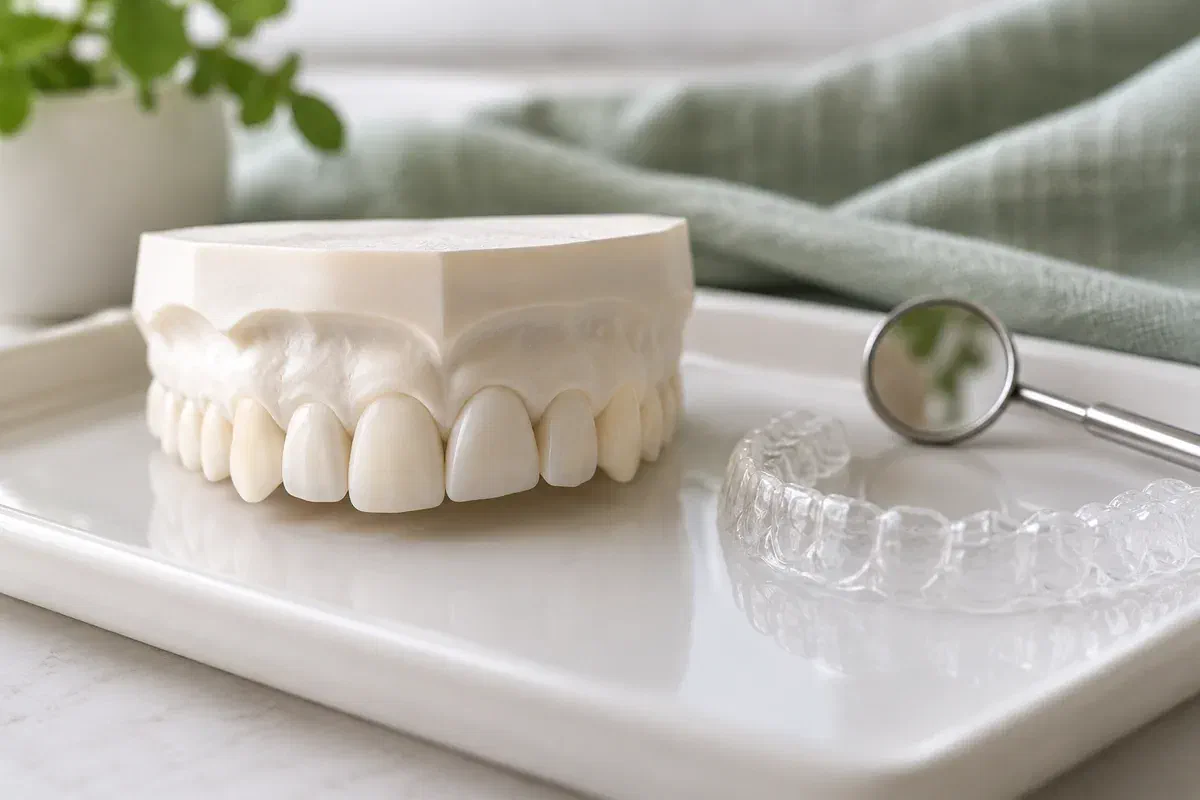
Illustrative upper-teeth model with a subtly rotated tooth beside a clear appliance
Concerns worth naming

The detail you see, and the life around it

Tell us when the change appeared, whether it is still progressing and whether chewing or comfort is affected. Mention your daily routine too, since it shapes what a plan can ask of you.

A tooth slightly turned or crowded

Show the tooth and explain whether it has shifted recently. Ask which teeth around it would need to move. The tooth you notice may be the only one that bothers you, but a well-made plan might still have to include its neighbours.

A space tied to restorative plans

If a crown, bonding, bridge or replacement tooth has been mentioned, bring it up. Ask whether a change in position would help that work and who would set the order. The clinicians involved should share a single target.

Movement since earlier braces

Bring old records and your retainer if asked. Explain whether the change came on gradually or quickly. Having had orthodontic care before does not mean a new adjustment will be simple; today's examination is what guides the plan.

A daily-routine question is for a stable, healthy tooth. Looseness, pain, swelling or rapid movement is a dental concern to have checked promptly, not something an alignment plan should cover.

What makes a small plan workable

A goal you understand is easier to stick with.

Provided the examination backs it, a limited plan can focus on one concern with clear limits. Ask why the movement suits you and what it deliberately leaves alone. Picking a narrower scope should be a deliberate choice, based on understanding rather than the hope of a lighter routine.

It is worth asking whether position is really the issue. Orthodontics moves teeth; bonding or reshaping changes their form and has a very different routine afterward. The underlying cause decides which conversation makes sense.

Patient information: British Orthodontic Society — limited treatment objectives and alternatives

A target you can picture

Ask for the goal in everyday language. Is it the look of the tooth, room for another treatment, or how two teeth meet? A clear target helps you judge whether the daily effort is worth it, and whether the result matches.

Plain talk about trade-offs

A narrow plan may leave other features of your bite unchanged. Ask what would remain and whether that is sensible. Hear about other approaches before you agree, and ask whether the findings justify a wider orthodontic opinion.

Routines that continue after movement

Retainer wear and any restorative step carry on after active treatment. Ask when each begins, who provides it and how it would fit your week. Agree on the sequence first, since a result only lasts with ongoing care.

Before the routine starts

Talk, examine, compare, then commit

First, the visit looks at whether your concern can responsibly be handled in a limited way. The choice of appliance, and the routine it brings, follows once the movement needed and your oral health are clear.

  1. Describe the change and your typical day

    Tell us what bothers you about the tooth. Mention previous braces, injuries, retainers and planned dental work, and be honest about how much daily wear and cleaning you can manage. Timing constraints are worth raising early.

  2. Have the teeth and gums checked

    The clinician examines the teeth, gums and bite and decides which records would help. Ask what radiographs, photos or scans would show. Decay or gum disease may need treatment first, because healthy support matters for movement.

  3. Compare options and what each demands

    Review the changes, limits and risks of each route, the routine involved and the estimate. Ask which appliance would suit your movement and lifestyle, and whether specialist input is appropriate. If a wider plan is recommended, ask why.

  4. Confirm reviews and the finish

    Agree on who supervises, how often you come in and what would lead to a rethink. Discuss the retainer and any later restorative visit. The finish is reached when the agreed goal is met, not when a projected timeline runs out.

Day to day

Small habits carry a small plan.

Exactly what you do will vary with the appliance and the movement being made. Keep your instructions somewhere obvious, like beside the toothbrush, and ask if anything seems unclear.

Build wear and cleaning into the day

Follow the wear time, cleaning and review dates you were given. Keep a case handy for meals. If the routine is hard to maintain or the appliance breaks, tell us; don't trim it, add elastics or skip ahead on your own.

Keep regular dental care running

Continue checkups and cleanings, and let the supervising clinician know about other treatment you have booked. Restorations placed mid-treatment can change appliance fit, so check the order of visits first.

Make the retainer part of the routine

Before active movement ends, ask about the retainer, how often it should be worn and when it is reviewed. If another procedure follows, confirm how the position will be protected. Keep the clinic's number for later fit issues.

Choosing what fits your life

Different plans, different daily demands

Ask what each recommendation would change and what it leaves. The findings, your priorities and the routine you can keep up should all guide the decision.

When a focused goal has been judged appropriate

Limited orthodontic movement

Worth discussing if the change required is small and you accept its limits. Ask about the appliance, its daily routine, reviews and the retainer. A limited plan still has orthodontic risks and no promise of a short course.

When the bite needs broader attention

A wider orthodontic assessment

If moving only the tooth you notice would leave a poor compromise, a fuller plan or referral may be suggested. Ask which parts of the bite are involved and how the commitment would change. Decide once the reasoning makes sense.

When position is not the real cause

Shape changes, watching or no elective care

If shape or another finding explains your concern, another type of care may be more useful. Weigh what adding or removing tooth material would involve, and the choice to postpone elective treatment. Any dental problem still needs attention.

Everyday questions from Erin

Living with a limited alignment plan

Minor describes the scope of movement. It does not settle the diagnosis, the best appliance, or the routine you will keep up once movement ends.

(905) 876-4488
Do I have to take aligners out to eat?
With removable aligners, you are usually asked to take them out for meals and brush before putting them back. Your instructions may differ, so follow the advice given for your appliance.
Can I drink coffee or tea with an appliance in?
It depends on the appliance. Some drinks can stain trays or trap sugar against teeth. Ask what is recommended for your plan, and whether to remove the appliance or rinse afterward.
Will my speech change while I wear an appliance?
Some people notice speech feels a little different at first. Ask what to expect with your appliance, and let the clinician know if it does not settle or affects daily life.
Is it normal for teeth to feel sore at the start?
Some pressure or tenderness can occur when movement begins or a new stage starts. Ask what is expected and when to call. Significant pain, swelling or a loose tooth should be reported promptly.
What if I forget to wear the appliance for a day?
Get back to the routine and let the clinic know if it happens often. Missed wear can slow progress or affect fit. Ask how to handle missed time rather than trying to make it up on your own.
How do I clean a removable appliance?
Follow the cleaning steps provided for your appliance. Some cleaning methods or products can damage it. Ask the team what is suitable, and how to store it when it is out of your mouth.
Booking from Erin

Talk through the routine before you start.

Arrange a consultation on Bronte Street about a small alignment concern and what treatment would mean day to day. We will explain the assessment, the possible approaches and how the change relates to your wider dental care.

Scope, appliance and any referral are confirmed after assessment. A small visible concern does not mean treatment will be quick or easy to manage.

Visit Milton Dental Clinic
Unit 1, 342 Bronte St. S, Milton, ON L9T 5B7
Get directions Clinic hours
Monday–Thursday
11am–7pm
Friday–Sunday
By appointment only

Areas we serve

  • Milton
  • Oakville
  • Mississauga
  • Georgetown
  • Halton Hills
  • Acton
  • Campbellville
  • Brampton
  • Burlington
  • Puslinch
  • Rockwood
  • Erin
  • Caledon
  • Etobicoke
  • Old Milton
  • Bronte Meadows
  • Timberlea
  • Dorset Park
  • Dempsey
  • Clarke
  • Beaty
  • Coates
  • Harrison
  • Scott
  • Willmott
  • Ford
  • Bowes
  • Cobden
  • Walker
  • Mountain View
  • Milton Heights
  • Hawthorne Village
  • Valley View
  • Fallingbrook
  • Nassagaweya
  • Trafalgar
  • Esquesing
  • Nelson
  • Brookville
  • Moffat
  • Glen Williams
  • Norval
  • Limehouse
  • Stewarttown
  • Ashgrove
  • Hornby
  • Silver Creek
  • Speyside
  • Scotch Block
  • North Oakville
  • River Oaks
  • Glen Abbey
  • West Oak Trails
  • Palermo
  • Bronte Creek
  • College Park
  • Joshua Creek
  • Uptown Core
  • Preserve
  • Iroquois Ridge
  • Lisgar
  • Meadowvale
  • Meadowvale Village
  • Churchill Meadows
  • Erin Mills
  • Central Erin Mills
  • Streetsville
  • East Credit
  • Creditview
  • Heartland
  • Sheridan
  • Mount Pleasant
  • Credit Valley
  • Huttonville
  • Churchville
  • Springbrook
  • Northwest Brampton
  • Bram West
  • Fletcher's Meadow
  • Fletcher's Creek South
  • Alton Village
  • Orchard
  • Millcroft
  • Headon Forest
  • Tansley
  • Brant Hills
  • Tyandaga
  • Kilbride
  • Lowville
  • Aberfoyle
  • Morriston
  • Arkell
  • Hillsburgh
  • Freelton
  • Carlisle
  • Waterdown
  • Flamborough
  • Mountsberg

How can we help?

Milton Dental Clinic

Have a question about your smile? Choose the option that works best for you.

For urgent dental concerns, please call.
Messages are reviewed during clinic hours.