

Illustrative patient discussing a small alignment concern with a dental clinician
Cosmetic Dentistry

Minor Tooth Movement in Etobicoke

Limited orthodontic treatment involves reviews, so the logistics deserve as much thought as the tooth itself. Travelling from Etobicoke, you can find out what the assessment covers, how visits might be grouped, and what to do between them.

Planning from the west end

A small change, followed through over several visits

Moving even one tooth is rarely a one-appointment job. There is an assessment, then treatment with periodic checks, then retention. Minor tooth movement refers to a limited orthodontic goal rather than a specific appliance, and part of choosing it well is knowing what the commitment looks like in practice.

The tooth that bothers you is connected to everything around it. Spacing, the angle of the root, the condition of the gums and bone, and how the upper and lower teeth contact one another all affect what is sensible. An examination comes first, and the plan that follows should name its aims and its limits.

When the trip in from Etobicoke is a long one, it helps to raise scheduling at the very first visit. We can talk through the likely number of reviews, which records are needed, and whether a limited plan, a fuller orthodontic opinion or another option suits the concern you point out.

Ask how a limited plan would be scheduled
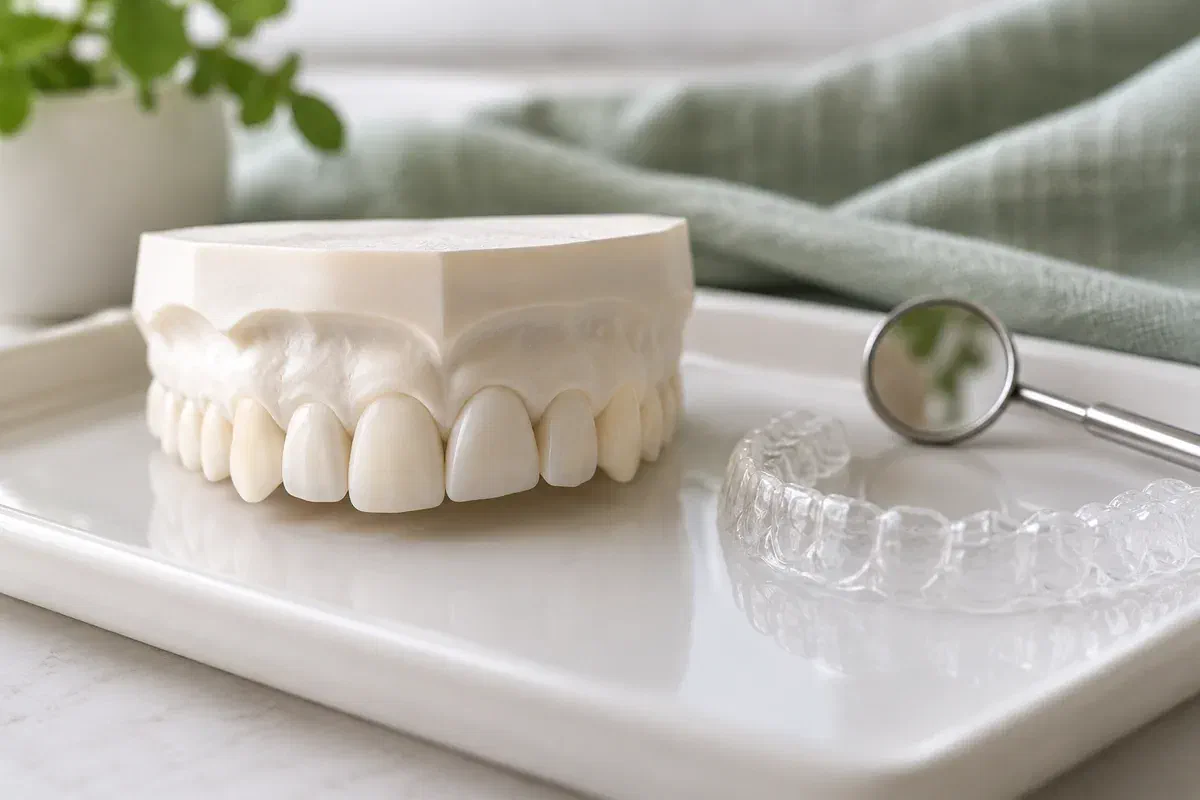
Illustrative upper-teeth model with a subtly rotated tooth beside a clear appliance
Concerns people raise

Common reasons for considering a small correction

Let the clinician know when you first noticed the change, whether it is progressing and whether it affects biting or comfort. That history shapes the problem a treatment plan would address.

A tooth that has twisted or stepped forward

Show the tooth and explain whether it moved lately or slowly over years. Ask what space would need to be found around it. The one tooth you notice may still mean a plan has to consider several of its neighbours.

A gap that matters for a future restoration

If a crown, bridge, bonding or tooth replacement is being considered, raise it early. Ask whether moving a tooth would help, and who sequences the steps. Dentists working on different stages should agree on the intended space at the outset.

Crowding after a previous course of braces

Bring earlier records and your retainer if requested. Mention whether the change crept in or appeared fairly quickly. Having had orthodontics already does not make the next correction straightforward; present findings decide what is reasonable.

Gradual crowding is different from a tooth that has suddenly become loose or sore. Pain, swelling or rapid movement needs a dental assessment promptly, which may mean seeking care closer to home rather than waiting for a planned visit.

Why the plan needs edges

Purpose first. Scope second.

A limited plan can make sense when an exam supports it and everyone is clear about where it stops. Ask what the proposed movement will do and what it is designed not to change. Narrowing the scope should be a considered decision, not just a way of reducing the number of trips.

This is also where position and shape get separated. Orthodontics relocates a tooth. Bonding or enamel reshaping changes its contour, often in fewer appointments. Which one fits depends on what is actually causing your concern.

Patient information: British Orthodontic Society — limited treatment objectives and alternatives

A precise target

Ask for the goal in words you can repeat. Is it about appearance, creating room for other dental work, or a particular contact between teeth? Knowing the target helps you weigh the recommendation and judge the final result.

Clarity about what is left alone

A narrow approach may not address every bite feature. Ask which concerns would remain and whether that is acceptable. Before agreeing, understand the other routes, and whether your findings suggest a wider orthodontic review.

A schedule that covers the whole journey

Retention and any restorative step belong in the plan from the start. Ask when they happen, who provides them and whether visits can be combined. Agree on the sequence before movement begins, so the effort of each trip counts.

Organising the assessment

Make the first visit count.

The initial aim is to find out whether a limited scope is responsible for your concern. Appliance choice follows once the necessary movement and the health of your teeth and gums are clear.

  1. Bring your history and your calendar

    Explain what you see and why it matters. Mention past orthodontics, injuries, retainers and any dental work already arranged. Share the days you can realistically attend, so the discussion of expectations includes the practical side.

  2. Have the area and bite examined

    The clinician checks the relevant structures and decides which records are needed. Ask whether photographs, radiographs or scans can be taken at the same visit. Any gum or tooth problem found may need treatment before movement.

  3. Compare options, including their visit load

    Go over what each route changes, its limits and risks, what it would require of you and the estimate. Find out if aligners, a different appliance or a specialist referral fits, and how often each would need you to come in.

  4. Set reviews and a clear end point

    Confirm who supervises, how reviews will be booked and what would trigger a reassessment. Plan retention and any restorative appointment afterward. Completion should be judged against the agreed goal rather than a projected duration.

Between appointments

What to do when you are a long way from the chair

Instructions differ with each appliance and movement. Keep them somewhere you can check quickly, and call with questions rather than waiting until your next review.

Keep to the routine you were given

Wear, clean and attend reviews on schedule. Phone us if the routine becomes difficult or the appliance breaks, before deciding whether to make the trip. Never modify wires, add bands or change the sequence because of something seen online.

Keep your local dentist informed

If you see another dentist for regular care, let both offices know what is happening. A new filling or crown can affect how an appliance fits, so check the order of appointments rather than assuming they are separate.

Have retention sorted before the end

Ask about the retainer, wear instructions and review arrangements before active movement stops. If further dental work follows, confirm how the position will be held. Keep our number for later fit concerns, and ask whether a retainer check can be combined with another visit.

Weighing the routes

Different approaches, different commitments

Ask what each recommendation changes and what it leaves untouched. Weigh the findings, your priorities and how many visits each route would involve.

When a narrow goal has been judged suitable

A limited orthodontic course

Considered when the required movement and its accepted limits fit. Discuss the appliance, how often reviews are needed and long-term retention. A limited goal still carries orthodontic risks and cannot promise a short course.

When the bite as a whole needs review

A broader orthodontic opinion

A fuller plan or specialist view may be advised if shifting just the tooth you notice would leave a poor compromise. Ask what else in the bite is involved and how the plan would grow. Make sure you follow the reasoning before deciding.

When position is only part of the story

Restorative options, monitoring, or no change

If shape or another finding explains your concern, a different discussion may be more useful. Think through what building up or trimming a tooth would mean, and that deferring elective care is a valid choice. Any dental problem still needs a plan.

Practical questions

Answers about commitment, reviews and travel

Minor describes the scope of movement, not the effort involved. It leaves open questions about diagnosis, appliance choice and what follows treatment.

(905) 876-4488
How many appointments does a limited plan usually involve?
It varies with the movement and the appliance. There is usually an assessment, a start visit, periodic reviews and a retention appointment. Ask for a realistic outline after your exam, and what could add visits.
What should I do if an aligner cracks or goes missing?
Call the clinic before doing anything else. Depending on the plan, you may be told to wear the previous or next aligner, or to come in. Don’t guess, because the wrong step could slow or undo progress.
Can my regular dentist near home check things between reviews?
Your regular checkups and cleanings can continue, but orthodontic reviews should be done by the clinician supervising the movement. Let both offices know about each other so care stays coordinated.
Is limited movement the same as having enamel shaved down?
No. Reshaping removes a small amount of enamel to change contour, while orthodontics changes where the tooth sits. Ask which feature causes your concern and what each would involve before choosing.
Could one moved tooth change how my other teeth fit together?
It can, because teeth meet partners in the opposite arch. Ask how the plan accounts for your bite and what will be watched during treatment, not just how the front view will look.
Can visits from Etobicoke be combined to cut down on trips?
Often some can. Records may be taken at the assessment, and retention checks sometimes coincide with routine care. Ask at the start which steps can share a visit and which need their own appointment.
Etobicoke to our Bronte Street practice

Plan the treatment and the trips together.

Book a consultation about a small alignment concern and how the appointments would fit your schedule. We will explain the assessment, the options worth considering, and how a change would connect with the rest of your dental care.

Scope, appliance and any referral depend on assessment. A small visible concern does not guarantee few visits or quick treatment.

Visit Milton Dental Clinic
Unit 1, 342 Bronte St. S, Milton, ON L9T 5B7
Get directions Clinic hours
Monday–Thursday
11am–7pm
Friday–Sunday
By appointment only

Areas we serve

  • Milton
  • Oakville
  • Mississauga
  • Georgetown
  • Halton Hills
  • Acton
  • Campbellville
  • Brampton
  • Burlington
  • Puslinch
  • Rockwood
  • Erin
  • Caledon
  • Etobicoke
  • Old Milton
  • Bronte Meadows
  • Timberlea
  • Dorset Park
  • Dempsey
  • Clarke
  • Beaty
  • Coates
  • Harrison
  • Scott
  • Willmott
  • Ford
  • Bowes
  • Cobden
  • Walker
  • Mountain View
  • Milton Heights
  • Hawthorne Village
  • Valley View
  • Fallingbrook
  • Nassagaweya
  • Trafalgar
  • Esquesing
  • Nelson
  • Brookville
  • Moffat
  • Glen Williams
  • Norval
  • Limehouse
  • Stewarttown
  • Ashgrove
  • Hornby
  • Silver Creek
  • Speyside
  • Scotch Block
  • North Oakville
  • River Oaks
  • Glen Abbey
  • West Oak Trails
  • Palermo
  • Bronte Creek
  • College Park
  • Joshua Creek
  • Uptown Core
  • Preserve
  • Iroquois Ridge
  • Lisgar
  • Meadowvale
  • Meadowvale Village
  • Churchill Meadows
  • Erin Mills
  • Central Erin Mills
  • Streetsville
  • East Credit
  • Creditview
  • Heartland
  • Sheridan
  • Mount Pleasant
  • Credit Valley
  • Huttonville
  • Churchville
  • Springbrook
  • Northwest Brampton
  • Bram West
  • Fletcher's Meadow
  • Fletcher's Creek South
  • Alton Village
  • Orchard
  • Millcroft
  • Headon Forest
  • Tansley
  • Brant Hills
  • Tyandaga
  • Kilbride
  • Lowville
  • Aberfoyle
  • Morriston
  • Arkell
  • Hillsburgh
  • Freelton
  • Carlisle
  • Waterdown
  • Flamborough
  • Mountsberg

How can we help?

Milton Dental Clinic

Have a question about your smile? Choose the option that works best for you.

For urgent dental concerns, please call.
Messages are reviewed during clinic hours.