A front tooth rotating back
Point to the tooth and roughly when you noticed it. Ask how far it has moved and whether its neighbours have shifted too. A change in one tooth can reflect small movements elsewhere that a plan should consider.


A retainer that cracked or went missing can leave straightened teeth free to drift. If you are coming from Puslinch, we can check what has changed, explain whether a new retainer or a limited correction makes sense, and plan visits sensibly.
It often happens quietly. A retainer snaps, gets left in a drawer or goes through the wash, and a few months later one tooth no longer lines up with the others. Minor tooth movement describes a limited orthodontic aim that can help in some of these cases, and it is not tied to any one appliance.
What has shifted is not always only what you see. Space between teeth, root position, gum and bone health, and how the bite meets can all change after retention stops. Before anything is proposed, an examination should establish what moved and whether a narrow plan, or just new retention, is appropriate.
Many people in Puslinch prefer to sort things out in as few trips as possible, so it helps to bring the broken retainer, the case it came in and any treatment records. We can explain which records are needed and whether a fresh retainer, a focused correction or a fuller orthodontic opinion is the better fit.
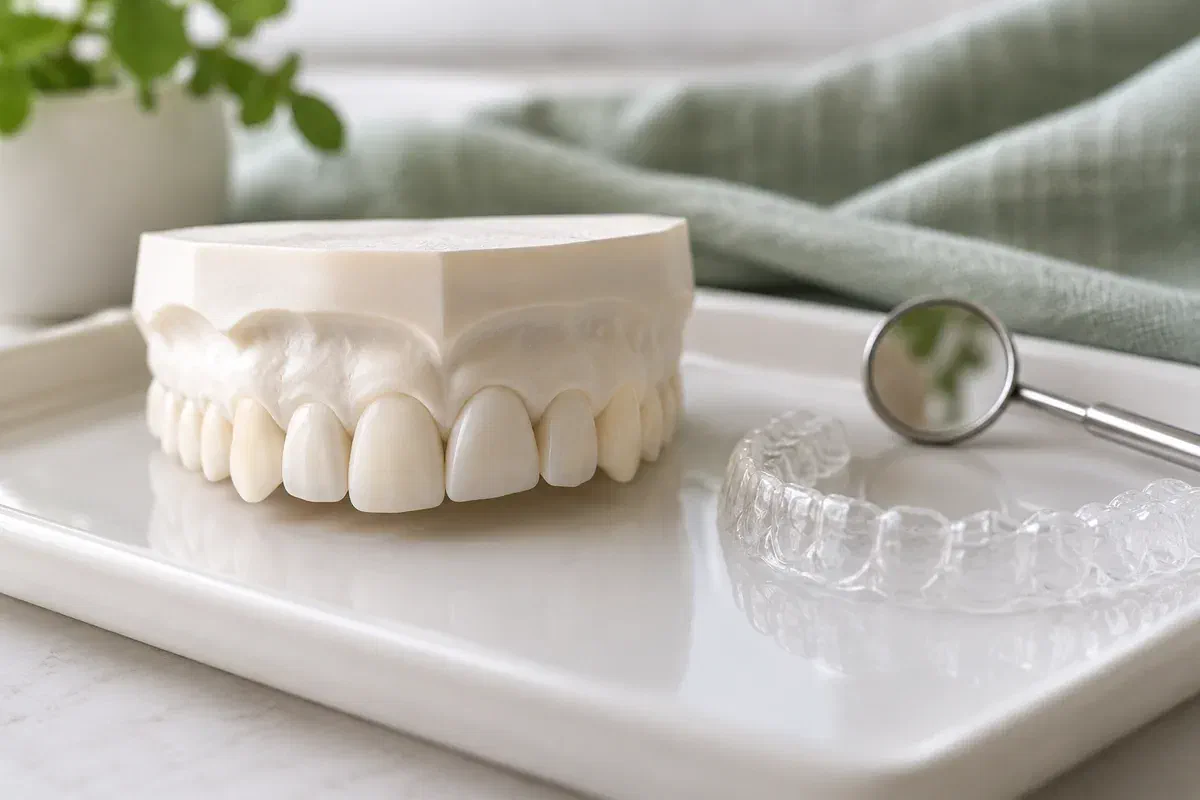
Tell us when the retainer stopped being worn, what has changed since and whether biting or cleaning feels different. That timeline helps define what any correction would need to do.
Point to the tooth and roughly when you noticed it. Ask how far it has moved and whether its neighbours have shifted too. A change in one tooth can reflect small movements elsewhere that a plan should consider.
If a gap has returned near a crown, bridge or bonded tooth, or a replacement tooth is planned, mention it. Ask whether closing the space would help, and who would coordinate the steps. The clinicians involved should agree on the aim.
Bring your records, the damaged retainer and its case. Describe whether the shift has been slow or seemed sudden. Completing treatment once does not make a correction straightforward; the current position is what needs assessing.
Drifting without a retainer is different from a tooth that has become loose or painful. Looseness, soreness, swelling or rapid change should be checked as a dental problem before any alignment discussion.
If the findings support it, a limited correction can return a tooth toward its earlier position with clearly stated limits. Ask what the movement would achieve and what it would not. Sometimes only a new retainer is needed; sometimes more is involved, and the difference should be explained.
It is worth checking that the concern really is position. Worn or chipped edges can look like crowding. Orthodontics changes where a tooth sits, while bonding or reshaping changes its outline, and the cause should decide which approach is discussed.
Patient information: British Orthodontic Society — limited treatment objectives and alternatives
Ask the clinician to describe the target clearly: the original position, an acceptable improvement, or simply holding things where they are now. A clear aim makes the recommendation easier to weigh and the result easier to judge.
A narrow correction may not reverse every change since the retainer was lost. Ask what would remain and whether that is acceptable. Understand the alternatives before agreeing, including a comprehensive orthodontic review if warranted.
Ask about retainer types, including fixed and removable options, and which suits you. Agree on who provides it and when, before any movement starts. The best correction is wasted without retention you can keep up.
The visit aims to show whether a limited scope suits the change, or whether new retention alone is enough. The appliance question comes after the movement needed and your oral health have been checked.
Explain what happened to the retainer, when you stopped wearing it and what you have noticed since. Mention past injuries and any dental work planned. If there are times of year when visiting is harder, say so.
The clinician compares the current position with what you describe and decides which records help. Ask whether scans, photographs or radiographs are needed. Gum or tooth problems may need attention before movement.
Review what each route would change, its limits and risks, what you would need to do and the estimate. Ask which appliance would suit, and whether an orthodontist should be involved. If a wider plan is suggested, ask why.
Confirm who supervises, how often you will be seen and what would make the plan change. Settle on the retainer and its review schedule. Completion should be measured against the agreed position rather than an estimated duration.
Instructions depend on the appliance and the movement planned. Store them where you will find them, and ask if anything is unclear instead of guessing.
Wear the appliance, clean it and attend reviews as directed. Let us know if keeping up is a struggle or if something breaks. Do not modify the appliance, add elastics or change the order of steps based on online tips.
Keep your regular checkups and mention any treatment planned elsewhere. New restorations can affect how an appliance or retainer seats, so ask how appointments should be ordered.
Ask how long to wear it, how to clean and store it, and when it should be checked. If more dental work follows, check how the position is maintained. Contact the clinic as soon as a retainer cracks or feels different.
Minor describes the amount of movement intended. It leaves open what caused the change, which appliance suits and how retention will work this time.
Book a visit on Bronte Street about teeth that have shifted since your retainer was lost or damaged. We will explain the assessment, the realistic options and how a correction or new retainer connects with your wider dental care.
An examination settles whether a correction is needed, which appliance would be used and whether you should be referred. A small shift does not guarantee quick or simple treatment.
