

Illustrative adult patient discussing tooth movement after earlier orthodontic care
Cosmetic Dentistry

Orthodontic Relapse Treatment in Old Milton

Braces from decades ago, and lower front teeth that have slowly started to crowd? From Old Milton, you can have a calm review of what has moved, whether any retainer still has a role, and which response suits the smile you have today.

Old Milton · Teeth that changed over the years

Is it too late to do anything about braces that came off long ago?

No. Many adults first notice change twenty or thirty years after treatment, usually as a lower incisor tucking behind its neighbour or a front tooth edging forward. That drift away from an earlier aligned result is known as orthodontic relapse, and an assessment of your mouth as it is now is the right place to begin.

Time brings its own influences. Teeth and gums continue to change through adulthood, fillings and crowns alter how teeth meet, and an old retainer may have been lost long ago. Rather than pinning everything on one cause, a careful review weighs each of these against what the examination shows.

Our Bronte Street practice sits a short way from the historic downtown streets of Old Milton. Bring any appliance you still own and whatever you remember about the original treatment, even if records are gone. Let us know whether you would like the earlier alignment back or would rather keep today's smile stable, and we can discuss specialist input if it would help.

Ask about a relapse review
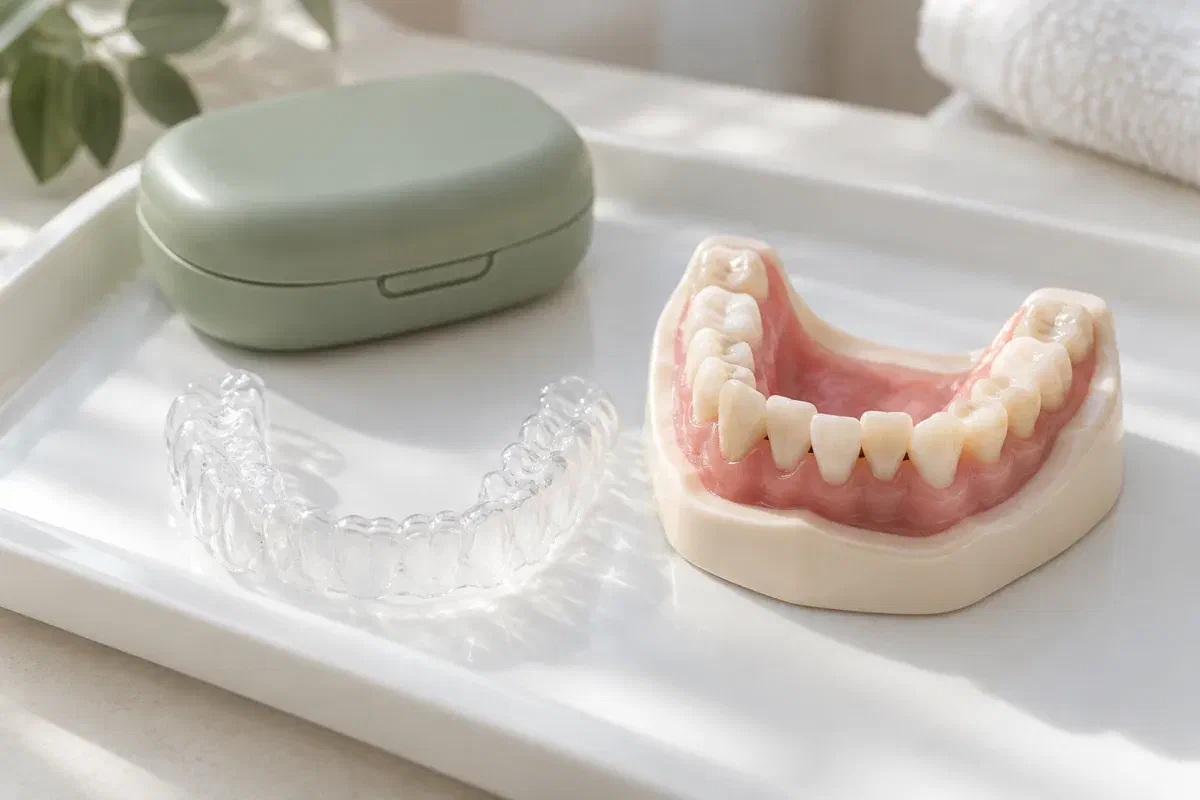
Illustrative lower-teeth model with mild crowding beside a removable retainer and case
Clues worth sharing

What moved, roughly when, and what became of the retainer?

Those answers help separate a worn-out appliance from a change in the teeth, gums, or bite. Mention discomfort too, even when the look of your smile is the main reason for calling.

An old removable retainer that no longer goes in

Perhaps it was found in a drawer after years unused. Tell us whether it presses, lifts, or simply won't fit, and whether it has been warped or cracked. An appliance made for your teeth long ago should not be forced on; bring it in and ask what to do instead.

A fixed wire that has been in place for years

Long-standing bonded wires can lose an attachment without falling out. Mention a gap that has appeared, an edge you can feel, or a tooth that looks out of line. Leave adjustments to the clinic, and ask for the wire and surrounding teeth to be examined.

Gradual change with no orthodontic visits since

Slow shifts are fair game for a review. Describe dental work, gum treatment, or changes in how your teeth meet since your braces came off. Old photographs might show what the result once looked like, yet the present examination is what guides any recommendation.

Movement that arrives quickly alongside pain, swelling, bleeding, or noticeable looseness is not something to assume is relapse. Call so the symptom can be looked at appropriately.

What you gain from looking first

Keeping the smile you have is one choice. Changing it is another.

A new retainer holds teeth where they are; further orthodontic movement changes their position. Before records are taken or appliances made, the review should be clear about which of these is being proposed, or whether the real issue is something else entirely.

Goals shift with age. Some adults want the alignment they had as teenagers, while others are content with a little character and simply want no further change. Ask what is reasonable, what the alternatives are, and how much long-term wear each would require. Movement by itself does not oblige you to start treatment.

Patient information: American Association of Orthodontists — movement after orthodontic treatment

Clear findings, plainly explained

Learn which teeth have changed and whether your gums, bite, or existing dental work need attention. If any earlier records survive, they may be set beside current findings. You should be told what has been observed and what is only a possible explanation.

Choices that reflect your priorities now

Say whether appearance, comfort, or simply stability matters most to you. Ask what each route would involve and whether holding your present position is clinically sound. That conversation should come before deciding on an appliance or the scope of any treatment.

Retention that fits your life today

Think back on why retention lapsed: a lost appliance, discomfort, a move, or advice that faded over the years. A workable plan is one you understand and can follow. Ask how future fit problems would be handled and who will check the retainer going forward.

From first visit to a plan

We start with your story, then the examination.

The extent of the review depends on how much has changed. You are welcome to ask what the visit covers and whether further records or a specialist opinion may be needed first.

  1. Recall the original treatment as best you can

    Approximate dates are fine: when the braces came off, what retainer followed, and when you first noticed movement. Bring appliances and any paperwork you kept. Mention changes in your teeth, dental work, health, or habits over the intervening years.

  2. Check alignment, bite, gums, and any appliance

    The clinician examines your teeth and supporting tissues and looks at any retainer you bring. Images or other records may be suggested to understand the change or plan movement. Ask whether a gum or dental issue should be dealt with before an orthodontic decision.

  3. Compare holding steady with moving teeth

    We explain what a new or repaired retainer would do and whether further movement is appropriate. When realignment is on the table, ask about its scope, risks, alternatives, monitoring, and estimate. A specialist orthodontist may be suggested for a more complex picture.

  4. Settle the short-term instruction and next step

    Make sure you know what to wear, if anything, until the next visit and whom to call if fit or comfort changes. Ask when records, an appliance, or a follow-up are expected. A clear instruction for the meantime matters as much as the longer plan.

Once the assessment is done

Let the agreed plan do the work, not an old appliance.

The next step may be retention, treatment, or more assessment. Keep sight of what that step is for, and tell us if anything changes.

Wear only what the clinician recommends

A decades-old retainer or leftover aligners are not tools for pushing teeth back yourself. Ask which appliance suits your present position. If you are asked to set a damaged one aside, confirm the replacement and what to do in the meantime.

Keep the follow-up appointment

Bring your appliance and describe anything new since the assessment. If active treatment begins, follow its schedule closely rather than wearing it now and then. Report loose attachments or poor fit promptly so the plan can be revisited.

Make the new routine easy to keep

Ask for wear and cleaning instructions in writing and find out when reviews are planned. Store the case where you take the appliance out each night. Mention upcoming changes, such as a trip or a home move, so the plan can allow for them.

Routes after a relapse review

What you choose depends on the findings and the result you want to keep.

Ask what each option is for. Any appliance should have a clear job, and further movement should be planned from today's information, not yesterday's.

When today's position is acceptable

Review, repair, or renew retention

This route suits teeth that sit acceptably now but need help staying there. Ask whether repairing an existing retainer or making a new one is sensible and what records are involved. A new retainer is made to hold the present position, not restore an earlier one.

When realignment is wanted and suitable

Plan additional orthodontic movement

Treatment may be limited or broader depending on the changes involved. Ask why the suggested scope fits your findings and how retention would work afterward. A history of braces does not guarantee that a short course will address every concern.

When more explanation is needed

Explore other causes or ask a specialist

Gum changes, bite shifts, or more complex movement may call for further assessment before appliances change. Ask what a referral would be expected to answer, and who will manage any immediate concern while the long-term plan takes shape.

Questions from adults with older treatment

Long-ago braces, present-day questions

A review can sort out whether the issue is the appliance, the retention plan, or a need for active treatment.

(905) 876-4488
I had braces as a teenager decades ago. Is relapse still worth assessing?
Yes. Tooth positions can change throughout adult life, and long-standing concerns deserve a look as much as recent ones. The assessment focuses on your current teeth, gums, and bite rather than on how long ago treatment ended.
My original orthodontist has retired. Do I need their records?
Records can be useful when they are available, but they are not essential to begin. Share whatever you remember and any photos you have. The current examination is what guides advice, and further records can be taken if needed.
Can a new retainer straighten teeth that have crowded again?
Do not count on it. A retainer made for your teeth as they sit now is generally designed to hold that position. Moving teeth back is a separate decision that needs its own assessment and planning.
Might gum changes have something to do with my teeth shifting?
Gum health is one of the things a review considers alongside tooth position and bite. Mention any bleeding, recession, or past gum treatment. If the examination raises a gum concern, it may need attention before any orthodontic step.
Will I need X-rays or scans at a relapse assessment?
That depends on what the clinician finds and what decision is being made. Additional records may help explain the change or plan movement. Ask what is being recommended and why before it is taken.
Is it acceptable to leave a mild change alone?
It can be. Tell the clinician you are comfortable with how your teeth look. They can explain whether the present position is suitable to maintain and whether any other finding needs care, so you can decide on retention without feeling pushed toward retreatment.
Near Old Milton's historic downtown

Bring what you remember. We'll take it from there.

Book a visit to our Bronte Street practice to talk about teeth that have moved since your earlier orthodontic care. We will go over the findings, any retention questions, and options for further review or treatment.

Advice depends on examination and any relevant records. Please contact us promptly if a retainer is lost, broken, painful, or no longer fits.

Visit Milton Dental Clinic
Unit 1, 342 Bronte St. S, Milton, ON L9T 5B7
Get directions Clinic hours
Monday–Thursday
11am–7pm
Friday–Sunday
By appointment only

Areas we serve

  • Milton
  • Oakville
  • Mississauga
  • Georgetown
  • Halton Hills
  • Acton
  • Campbellville
  • Brampton
  • Burlington
  • Puslinch
  • Rockwood
  • Erin
  • Caledon
  • Etobicoke
  • Old Milton
  • Bronte Meadows
  • Timberlea
  • Dorset Park
  • Dempsey
  • Clarke
  • Beaty
  • Coates
  • Harrison
  • Scott
  • Willmott
  • Ford
  • Bowes
  • Cobden
  • Walker
  • Mountain View
  • Milton Heights
  • Hawthorne Village
  • Valley View
  • Fallingbrook
  • Nassagaweya
  • Trafalgar
  • Esquesing
  • Nelson
  • Brookville
  • Moffat
  • Glen Williams
  • Norval
  • Limehouse
  • Stewarttown
  • Ashgrove
  • Hornby
  • Silver Creek
  • Speyside
  • Scotch Block
  • North Oakville
  • River Oaks
  • Glen Abbey
  • West Oak Trails
  • Palermo
  • Bronte Creek
  • College Park
  • Joshua Creek
  • Uptown Core
  • Preserve
  • Iroquois Ridge
  • Lisgar
  • Meadowvale
  • Meadowvale Village
  • Churchill Meadows
  • Erin Mills
  • Central Erin Mills
  • Streetsville
  • East Credit
  • Creditview
  • Heartland
  • Sheridan
  • Mount Pleasant
  • Credit Valley
  • Huttonville
  • Churchville
  • Springbrook
  • Northwest Brampton
  • Bram West
  • Fletcher's Meadow
  • Fletcher's Creek South
  • Alton Village
  • Orchard
  • Millcroft
  • Headon Forest
  • Tansley
  • Brant Hills
  • Tyandaga
  • Kilbride
  • Lowville
  • Aberfoyle
  • Morriston
  • Arkell
  • Hillsburgh
  • Freelton
  • Carlisle
  • Waterdown
  • Flamborough
  • Mountsberg

How can we help?

Milton Dental Clinic

Have a question about your smile? Choose the option that works best for you.

For urgent dental concerns, please call.
Messages are reviewed during clinic hours.