A removable retainer already cracked, lost, or bent
Phone soon instead of waiting until your next review. Explain whether you still have the appliance. Keep any broken bits, and avoid gluing, heating, or reshaping it.


The first weeks with a new retainer bring plenty of small questions: is this pressure normal, does it really need to be worn that often, why does speech feel odd? Coming from Erin or Hillsburgh, get the fit checked and the routine explained for your removable or bonded design.
Braces come off or the last aligner is done, and suddenly there is a new appliance to learn. A retainer is meant to help your teeth stay in the alignment that treatment achieved. Some are taken in and out; others are a fine wire fixed behind particular teeth. Your design and schedule were selected for your teeth and bite, so understanding the reasons makes the habit easier to keep.
Early questions are normal. Later ones come as the appliance ages, or when the fit suddenly changes. In each case, a clinician needs to look at the retainer and your teeth together. If you need a remake down the line, it will be based on your teeth as they are at that point, including any new fillings, crowns, or movement.
Tell us which retainer you have, when it was fitted, and what you are wondering about, and bring it to the visit. If your orthodontist still supervises your retention, mention them so we can keep advice consistent. From there we can talk about assessment, options, and whether that provider should be part of the plan.
Describe your appliance and what you are feeling. Note when it began, any discomfort, and how closely you have been able to follow the wear instructions so far.
Phone soon instead of waiting until your next review. Explain whether you still have the appliance. Keep any broken bits, and avoid gluing, heating, or reshaping it.
Let us know, especially if a nearby tooth seems to have moved. Bonded retainers need checks from the start. A wire that is only partly attached may not be supporting the teeth it was placed to hold.
New instructions can be a lot to absorb. Ask if you are unsure when to wear it, or how it fits with a night guard or a sports mouthguard. Bring those devices too, since each has its own role and should not be substituted without advice.
If a retainer will not seat or hurts, stop forcing it. Ask to be assessed and what to do in the meantime.
The retainer is one part of keeping what orthodontic care achieved. Its design reflects the positions being held, how your teeth meet, how easy the area is to clean, and other factors particular to you. Some plans include both a fixed wire and a removable appliance, each with a stated purpose.
The fitting sets the tone. Make sure you can put the appliance in and take it out smoothly, that you know how snug is normal, and that you can recognise a change worth calling about. Confidence at this stage makes later home repairs and guesswork much less likely.
Patient information: British Orthodontic Society — types of orthodontic retainer
Find out why your clinician chose a removable, fixed, or combined plan. Raise any practical concerns, from speech to sports, and hear how the clinical considerations weigh in. Other people's retainers are not a guide to yours.
The appliance is checked and its use shown to you. For a removable design, try it yourself in the chair. Describe pressure, rough spots, or uncertainty, so guidance is based on what you actually feel.
Ask who to call about a lost or damaged retainer, when reviews happen, and whether fees may apply for a repair or replacement. Having this sorted early makes a first mishap far less stressful.
Visits may be fit checks, records for a new appliance, or reviews of a bonded wire. Ask what your appointment involves and whether another will follow.
Explain when active treatment finished, who provided it, and what retention was prescribed. Bring the appliance and instructions. Mention any new fillings, crowns, injuries, or changes in fit since it was made.
The clinician looks at your tooth positions, the retainer's condition, and anything about your oral health that is relevant. Should anything have shifted, you can talk about whether holding teeth where they now sit is appropriate. Agreeing on retention should not quietly become a plan for more treatment.
If a new retainer is appropriate, go over its purpose, limits, care, and estimate. Impressions or a digital scan are commonly needed. Ask what to do in the meantime, and whether your orthodontist should hear about it.
On the day it is provided, seating is confirmed and you are walked through wear, cleaning, and storage. Ask when the next review will be. With a bonded wire, ask to see how to clean around it and which signs suggest a problem. Note who to contact.
Care depends on the material and design of your retainer. Tips for a different appliance may not apply, so ask the team before trying something new.
Ask which brush, cleaner, and water temperature are right. Heat and improvised soaks can warp or damage the appliance. Brushing and flossing your teeth matter as much as ever, and if a fixed wire makes that tricky, ask for a demonstration.
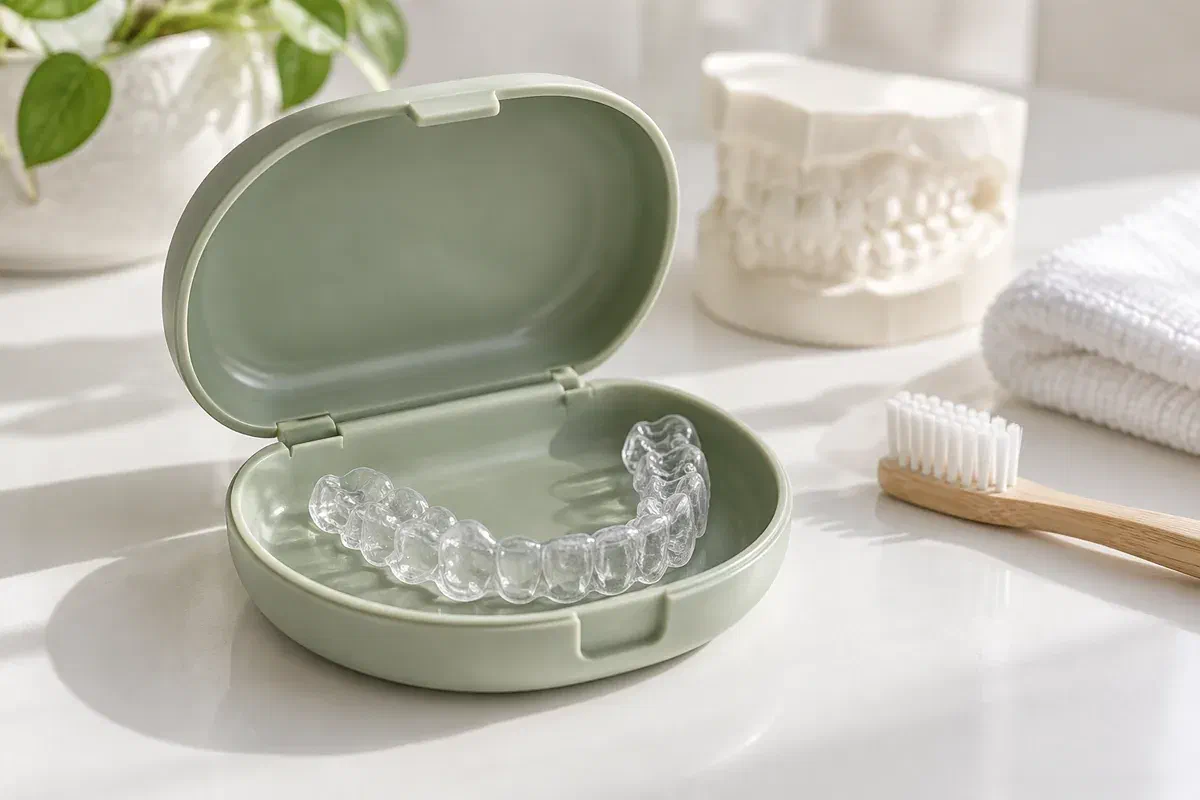
Each time a removable retainer comes out, it goes into the case, away from heat, pets, and little ones. Napkins and loose pockets are where new retainers most often disappear. Bring the case to every review.
If a removable retainer cracks, feels different, or stops seating, or a bonded wire loosens, contact the clinic managing your retention. Do not bend, trim, or glue it. The team can tell you if it is safe to wear for now and when you should be seen.
Patient information: British Orthodontic Society — retainer handling and patient instructions
Bring the retainer to your appointment. How it looks and fits often explains as much as your description.
Contact our Bronte Street practice about a new retainer, a fit concern, or damage. It helps to know where you had treatment and whether that office is still checking your retainer.
We confirm design, repair options, records, and fees after an assessment. New retainers can still go missing or crack, so call early if yours does.
