A missing, cracked, or warped removable retainer
Make the call promptly rather than waiting months for a check-up. Mention whether you can bring the appliance. Save any broken parts, and steer clear of glue, heat, and bending as repairs.


Wishing your retainer were less noticeable is a fair starting point, but not the only one. If you are coming from Mississauga, talk through clear, wire-and-acrylic, and bonded designs, how each is fitted and cared for, and what to do when one is lost or stops fitting.
Plenty of people ask about swapping a wire retainer for a clear one, often for work meetings, photos, or simply comfort. That is worth discussing, as long as the purpose stays front and centre. A retainer is there to help hold teeth where orthodontic treatment moved them. It may be removable or bonded to chosen teeth, and the recommendation should reflect your teeth and bite, with looks as one factor among several.
Requests for a different design often come up when the current one is wearing out, has cracked, or no longer feels right. That is exactly when the appliance and your teeth need to be examined side by side. A new retainer is made to fit the mouth you have now, so recent dental work or shifting matters.
Tell us what you currently wear and what you are hoping to change, and bring it with you. If an orthodontist from your original treatment still follows your retention, please share that, so any recommendation fits their plan. Together we can cover assessment, the options that make sense, and whether they should be part of the decision.
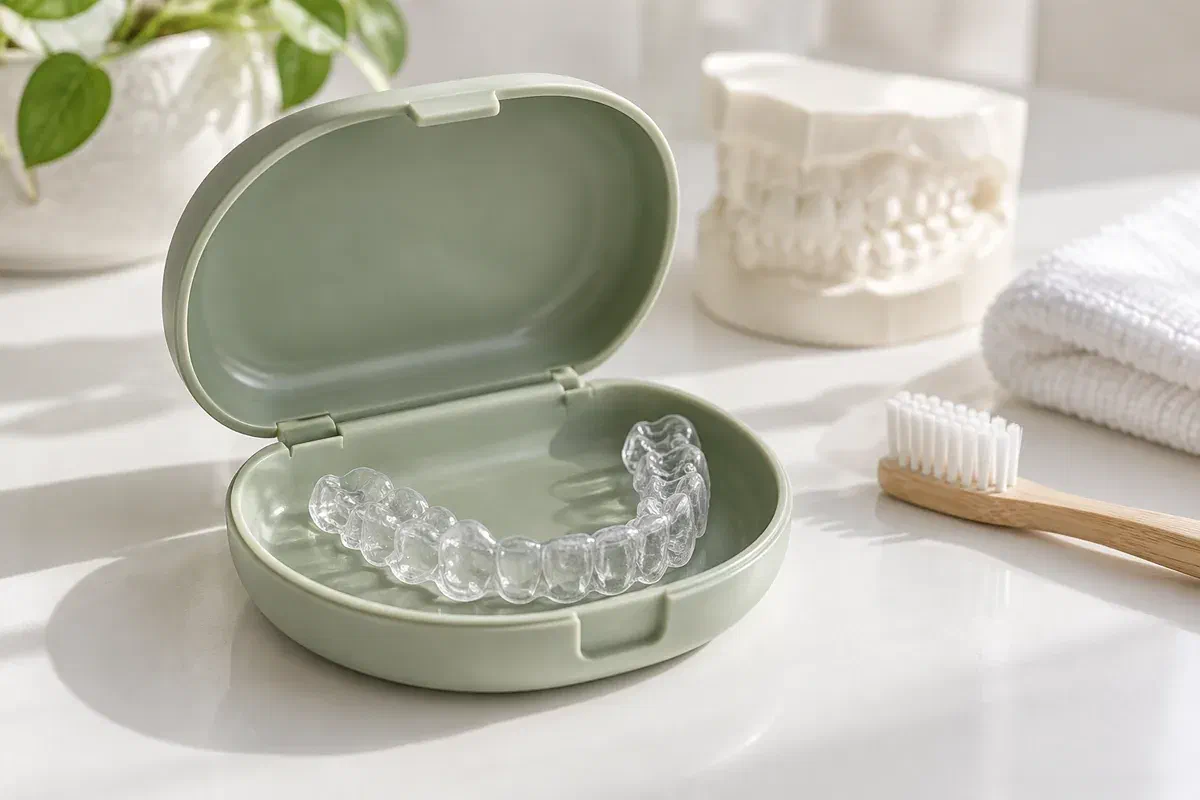
Say which retainer you have and describe the change. When it started, whether there is discomfort, and how closely you have followed the wear schedule all help.
Make the call promptly rather than waiting months for a check-up. Mention whether you can bring the appliance. Save any broken parts, and steer clear of glue, heat, and bending as repairs.
A wire that feels loose, sharp, or hard to clean around, or a tooth that looks different near it, should be reported. Bonded retainers need professional review. Some attachment remaining does not confirm the wire is still supporting each tooth.
If you are unsure how many hours to wear the retainer, or how it relates to a night guard or athletic mouthguard, ask. Bring the other appliances. They serve different purposes, and combining or substituting them needs advice that is specific to you.
Resist forcing a retainer that will not sit down or that hurts. Request an assessment and interim instructions instead.
A retainer plays one role in maintaining an orthodontic result. The design that suits you depends on the tooth positions being held, how you bite, cleaning access, and other details unique to you. A plan may pair a bonded wire with a removable retainer, and you should understand why each one is there.
Your fitting is where the habits begin. Learn the handling, how a normal fit should feel, and which changes mean picking up the phone. When you know the plan, it is much easier to resist adjusting or patching the appliance yourself.
Patient information: British Orthodontic Society — types of orthodontic retainer
Ask why one design, or a combination, is being suggested. Share what you value, including appearance, and hear how the clinical factors weigh in. A clear tray is not automatically the best choice just because it is the least noticeable.
Have the appliance checked in the chair and its use demonstrated. For a removable retainer, practise inserting and removing it before you leave. Bring up any pressure, rough edges, or doubts so you get advice about your real experience.
Find out who handles problems, how reviews are arranged, and what repair or replacement fees might apply. Knowing this in advance means a lost or broken retainer can be dealt with quickly.
Depending on your needs, the appointment may focus on fit, on records for a new retainer, or on a bonded wire. Ask what will happen and whether a second visit is likely.
Share roughly when treatment ended, who provided it, and the retention you were prescribed. Bring your current appliance and instructions. Recent fillings, crowns, injuries, or a change in fit are important to mention before any new retainer is planned.
The clinician looks at present tooth positions, relevant oral-health findings, and the appliance itself. If there has been movement, you can discuss whether holding the teeth where they are now is reasonable. Agreeing to a retainer is not the same as agreeing to further alignment.
If a new or different retainer suits you, discuss its role, limits, care, and estimate. A scan or impressions are commonly taken. Ask how to manage before the new one is ready, and whether the orthodontist who treated you needs to hear about the change.
When it is ready, the retainer is fitted and checked and its instructions explained. Ask about the wear schedule, cleaning, storage, and reviews. If it is bonded, learn how to clean around the wire and what problems to look for. Confirm your point of contact.
The right care depends on the retainer's material and design. Advice written for another type may not apply, so check with the team before making changes.
Ask which brush, cleanser, and water temperature are suitable. Avoid heat and improvised chemical soaks, which can distort or weaken it. Keep up your own brushing and flossing, and ask for tips if a fixed wire makes an area hard to clean.
Out of your mouth means in its case, away from pets, young children, and warmth. Lunch-break napkins and loose purse pockets are common places for a retainer to vanish. Bring the case to reviews.
If a removable retainer splits, feels different, or stops seating, or a bonded wire loosens, let the team managing it know. Do not bend, cut, or glue it. Ask whether to continue wearing it and how soon you should come in.
Patient information: British Orthodontic Society — retainer handling and patient instructions
Bring your current retainer when you can. Its wear and fit help the clinician understand the concern.
Contact our Bronte Street practice about changing designs, a fit concern, or a replacement. Let us know about earlier orthodontic treatment and whether another provider still oversees your retention.
Design suitability, repairs, records, and fees depend on assessment. Reach out promptly if a retainer is lost, broken, or not fitting as it should.
