A removable retainer that has been lost, cracked, or bent
Reach out promptly instead of waiting months. Let us know whether you have the appliance. Keep any broken pieces together, and avoid home fixes with glue, heat, or pliers.


Not sure whether a retainer problem belongs with your old orthodontist or a general dental clinic? Coming from Puslinch, you can have the appliance and your teeth assessed, talk through removable and bonded designs, and agree on who should handle repairs or a replacement.
Once active orthodontic treatment ends, it is not always obvious who looks after the retainer. Its role is straightforward: to help hold teeth where braces or aligners moved them. The appliance may be removable or a wire bonded to selected teeth, and the type and wear schedule should be explained in light of your teeth and bite rather than chosen on looks or convenience.
Questions arise when a retainer is new, as it wears with years of use, and when the fit suddenly changes. Answering them requires examining your teeth together with the appliance. A replacement is a clinical decision, especially when crowns, fillings, or shifting have altered the mouth since the original was made.
You are welcome to contact us first. Describe your retainer and the concern, bring the appliance, and tell us who provided your treatment. If that orthodontist still supervises your retention, we will aim to coordinate with them. Together we can decide on assessment, suitable options, and who is best placed to carry out the next step.
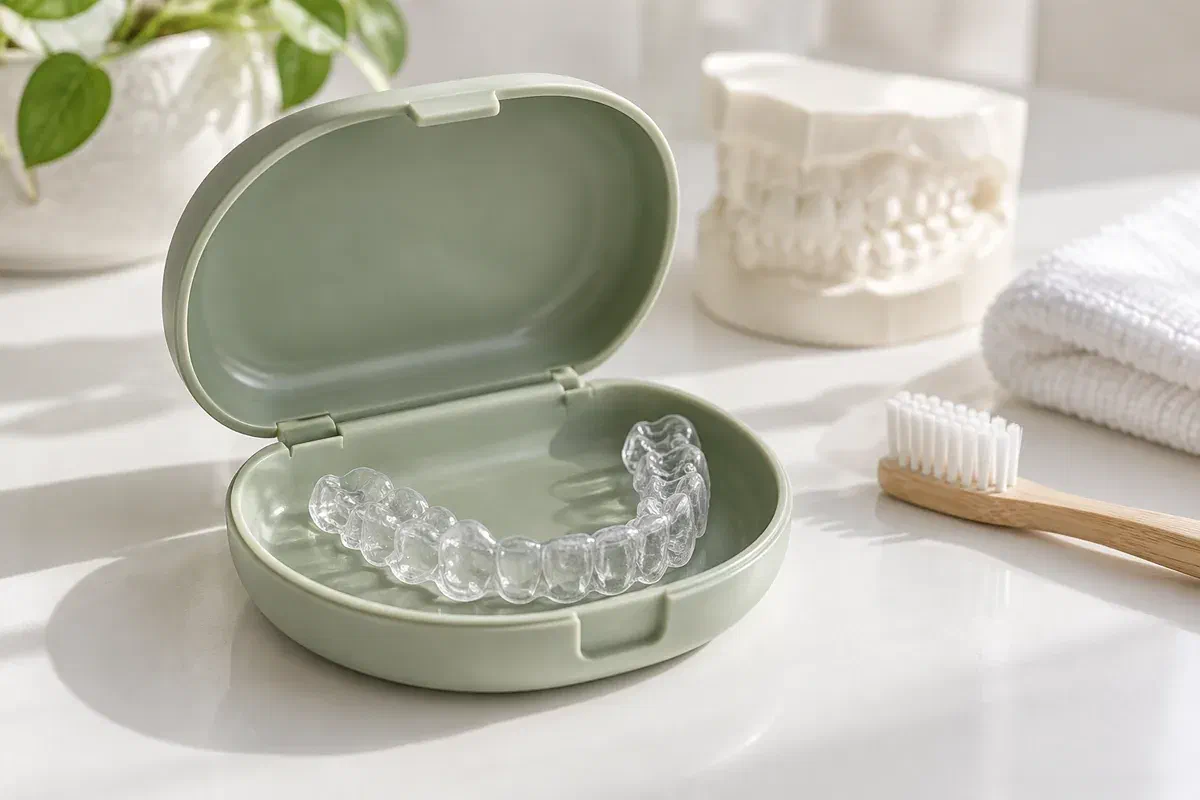
Tell us the appliance type and what has changed. The timing, any discomfort, and how closely you have kept to the prescribed wear all help us respond well.
Reach out promptly instead of waiting months. Let us know whether you have the appliance. Keep any broken pieces together, and avoid home fixes with glue, heat, or pliers.
Report any movement, a rough end, trouble cleaning, or a tooth that looks different. Bonded wires need professional checks just like removable appliances. If only some of it is still attached, it may not be supporting every tooth.
If you have been given different instructions over the years, or you also use a night guard or sports guard, ask how they fit together. Bring each appliance. They have different jobs, and substituting one for another needs advice specific to you.
Never push in a retainer that resists or hurts. Ask for an assessment and what to do in the meantime.
Your retainer is part of maintaining what orthodontic care achieved. The right design depends on the positions held, your bite, cleaning access, and other personal factors. A plan might combine a bonded wire with a removable retainer, and each piece should have a purpose you can describe.
Clear communication matters at the fitting as much as between clinics. Leave knowing how to handle the appliance, what a normal fit feels like, and which changes should prompt a call. That clarity removes the temptation to adjust or mend the retainer on your own.
Patient information: British Orthodontic Society — types of orthodontic retainer
You should hear what makes this design, or this pairing of designs, suitable for your teeth. Your own preferences belong in that conversation alongside the clinical factors. What suited a friend, or tops an online list, is not a reliable basis for choosing yours.
The clinician checks the retainer and demonstrates its use. For a removable design, try inserting and removing it yourself before leaving. Mention pressure, rough areas, or doubts so the advice reflects your actual experience.
Agree on who to contact if the retainer is lost or damaged, who will review it, and what repair or replacement fees might apply. Knowing the answers beforehand makes it easier to act quickly.
Your appointment might be a fit check, records for a new appliance, or an evaluation of a fixed wire. Ask what is planned and whether a further visit is likely.
Tell us when treatment ended, who carried it out, and what retention they prescribed. Bring the retainer and any instructions or contact details for that provider. Mention recent fillings, crowns, injuries, or changes in fit before a replacement is discussed.
The clinician reviews current tooth positions, the appliance's condition, and any oral-health issues that bear on the decision. If teeth have moved, discuss whether maintaining their present position is appropriate. A retainer visit should not turn into an unstated commitment to more alignment.
If a new appliance is appropriate, you will go over what it is for, what it cannot do, its care, and an estimate, and records will usually be taken. Discuss whether we make it here or your orthodontist should, and what to do until it is ready.
At the fitting, the seating is verified and you are shown how to use and look after it. Ask about wear hours, cleaning, storage, and review timing. With a fixed wire, ask how to clean along it and what early problems look like. Confirm your contact.
Care depends on the retainer's material and design. Advice meant for another appliance may not suit yours, so check before you change your routine.
Different materials tolerate different brushes, cleaners, and temperatures, so use what was recommended for yours. Warm water and kitchen-cupboard soaks can bend or cloud a tray. Your teeth need their usual care too; if a fixed wire gets in the way of floss, the team can suggest tools.
That place is its case, kept somewhere cool and out of reach of curious pets and children. Most lost retainers were set down on a napkin or slipped into a pocket. Take the case with you to reviews.
A tray that splits or stops seating, or a wire that begins to lift, should be reported to whichever clinic oversees your retention. Leave it as it is rather than bending, cutting, or gluing. You will be told whether to keep wearing it and how soon to come in.
Patient information: British Orthodontic Society — retainer handling and patient instructions
Bring the retainer with you if you can. Its fit and condition help the clinician understand the concern.
Contact our Bronte Street practice with any retainer concern. Share who handled your orthodontic treatment and whether they are still involved, so care can be coordinated.
Appliance choice, repair options, records, and fees depend on assessment. Let us know promptly if your retainer is lost, broken, or fitting badly.
