

Illustrative patient discussing surface staining with a dental hygiene clinician
Cosmetic Dentistry

Professional Stain Removal in Old Milton

Years of tea, coffee and older dental work can leave teeth looking duller than you remember. For people in Old Milton, a stain-removal visit sorts surface build-up from colour that lives inside a tooth or a restoration, so you know what a professional cleaning can honestly improve.

Old Milton stain removal

Years of good cups of tea leave a trace.

A smile can change so gradually that you only notice it in an old photograph. Some of that dullness is external staining, layered on by decades of hot drinks or tobacco, and a hygiene clinician may be able to lift it. Removing outer deposits is a different job from bleaching teeth or treating something beneath the enamel.

Long-established mouths often carry a mix of things: worn enamel, fillings placed years ago, a crown that no longer matches its neighbours, gums that have drawn back. Each can look like a stain without being one. Telling them apart is the real starting point.

When you come in, point out what has changed and what still bothers you, and mention any teeth that feel sensitive now. We can explain which marks a cleaning is likely to soften and which ones need a dentist to look more closely. Expectations stay grounded in what your teeth can actually do.

Talk about older staining
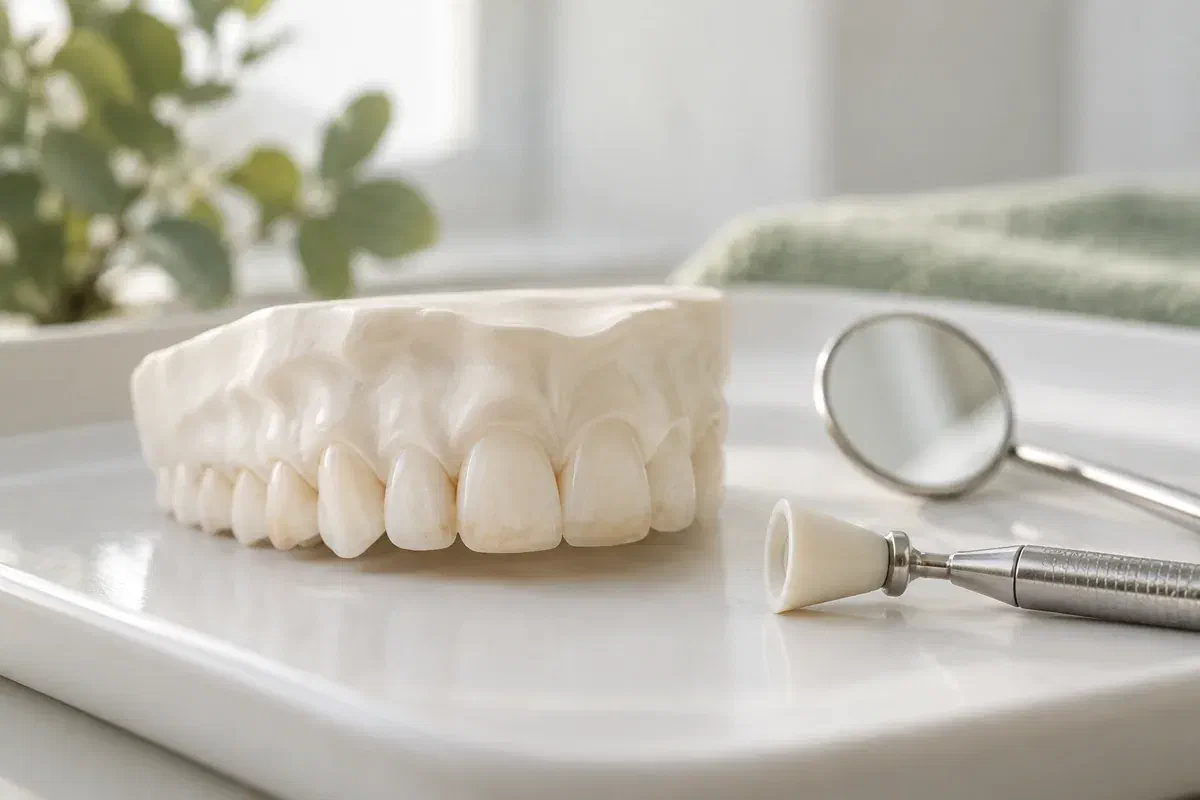
Illustrative teaching model with subtle surface marks beside dental cleaning instruments
Where long-term colour comes from

Is it build-up, old dental work, or the tooth itself?

Say whether the dullness covers most teeth, shows on one, or gathers near fillings and crowns. Note changes in medicines, rinses, toothpaste or comfort over the past while.

Layered marks from daily drinks and tobacco

Be frank about tea, coffee, red wine or pipe and cigarette use; nobody is keeping score. The clinician can say whether the pattern looks like external staining and how far a cleaning may go. You can also discuss ways to slow new build-up that suit your routine.

Darkening near older fillings and receding gums

Older restorations and exposed root surfaces pick up colour differently from enamel, and a dark rim may or may not be surface staining. Mention spots that catch floss, feel rough or ache with cold. A dentist may want to review the margin before any polishing.

A tooth that has slowly gone darker than the rest

Tell the team about any old injury, a root canal years ago, or a tooth you have watched change. Colour inside a tooth tends not to respond to external cleaning. An examination answers that question more safely than repeated home whitening.

Some prescription rinses and medicines can add to staining. Bring a list of what you take, and leave any prescribed product in place until you have talked it over with the person who prescribed it or the dental team.

What to expect from the cleaning

Brighter surfaces, handled gently around older work.

Where the problem is a reachable outer stain, a well-chosen cleaning can freshen how those surfaces look. The natural shade underneath stays as it is, and a few marks may remain. Ask early which parts of the change are likely to improve.

This kind of visit can also bring health questions into view. A polished smile does not confirm that gums are sound or that older fillings are sealing well. Ask whether an examination or broader hygiene care is advised for anything else spotted along the way.

Patient information: American Dental Association — external and internal tooth discolouration

A clear answer about the source

Learning whether a mark is external, inside the tooth or linked to a filling or crown makes your options easier to weigh. The team can flag anything needing another look. A colour concern does not automatically mean bleaching or new restorations.

Care chosen for mature teeth and restorations

Tell the clinician about root surfaces that are exposed, tender spots, implants, bridges, crowns or bonding. These details guide which instruments and pastes are suitable. The aim is to protect what is there, not to use the most aggressive polish.

Sensible upkeep you can keep doing

Talk through the habits that seem to bring staining back and which adjustments are realistic now. Ask the team to watch your brushing and between-teeth cleaning, especially near older work. Good maintenance looks after the gums as much as the colour.

Step by step at the visit

From a careful look to a cleaner surface.

Stain removal may fit into a hygiene appointment, or the dentist may want to examine first. Ask at booking what your appointment includes and whether other care is suggested.

  1. Describe the change over time

    Show the teeth you want reviewed and roughly when you noticed the dullness. Mention sensitivity, medicines, mouthrinses, tobacco and any dental work done in recent years. Say if you have used whitening kits or abrasive powders.

  2. Separate surface stain from older dental work

    The clinician looks at enamel, fillings, crowns and gum margins in the area. Ask which marks seem removable and which deserve more investigation. Hard deposits, gum changes or signs of decay may change the plan for the day.

  3. Clean with materials that suit your mouth

    Instruments and polishing products are picked for your surfaces and restorations. Let the clinician know if something feels uncomfortable or you need to rest your jaw. Specific devices, such as air polishing, depend on what the assessment shows.

  4. Look at the result together

    Review which stains came away and what colour is still there. Ask whether the rest is your natural shade, an older restoration, or a change inside a tooth. Agree on home care and any follow-up rather than expecting more polishing to fix every difference.

Keeping things fresh at home

Steady habits outlast hard scrubbing.

Follow whatever specific advice you receive after the visit. Gentle, regular cleaning and some thought about staining habits do more than trying gritty products.

Keep to the routine the team suggests

Brush with fluoride toothpaste and clean between teeth in the way that was recommended for your mouth. If bridges or tight spaces make that awkward, ask about suitable aids. Avoid scraping or pressing hard on a mark that remains.

Think about what feeds the staining

Ask whether small changes, like rinsing with water after tea, might help, and what feels workable. If tobacco is involved, the team can talk about support for reducing its effects on your mouth. Expect some staining to return over time.

Have changes in colour or comfort looked at

If a tooth stays darker or a sensitivity does not settle, ask for an examination instead of booking another polish. Mention pain, a rough patch or a filling that feels different. Follow-up should match what is actually found.

Patient information: NHS — everyday tooth and interdental cleaning

Picking the right approach

Three possible answers to a dull or darker smile.

Ask what type of colour change you have and what each suggested option can realistically offer. Some situations need more information before a cosmetic choice.

For outer stains and build-up

Professional cleaning or polishing

Surface care may be the right fit when the marks can be cleaned away. Discuss what it can and cannot change, and whether broader hygiene treatment would also help. Measure the result against your own natural colour.

If the underlying shade is the concern

Considering teeth whitening separately

To lighten natural teeth beyond a cleaning, ask whether bleaching suits you. Older fillings and crowns will not lighten with it, and sensitivity matters too. Whitening and stain removal are different treatments with different aims.

When the mark has another cause

Reviewing a tooth or older restoration

A darker tooth, a filling edge that has changed, or a new symptom may need the dentist's attention. Ask what the examination finds and whether monitoring, repair or other treatment suits. The look of a mark alone does not settle the next step.

Patient information: Canadian Dental Association — surface whiteners and bleaching

Old Milton questions

What people ask about older, settled-in stains.

Answers that may help before an appointment about long-term discolouration and dental work.

(905) 876-4488
Can stains that built up over many years still be cleaned off?
Often some of them can, if they sit on the outer surface. Long-standing marks may take a careful approach, and some colour may turn out to be part of the tooth. The clinician can show you which areas are likely to respond.
Will my old crown match my teeth better after stain removal?
Cleaning may freshen the surface of a crown and the teeth around it, but it will not change the colour of the crown material itself. Ask whether any mismatch comes from staining, a change in the natural teeth, or the restoration.
Why do the roots near my gumline look more yellow than the rest of the tooth?
Exposed root surfaces are naturally a different colour from enamel and can also pick up stain. Ask the team which part is staining and which is the root itself, and how to clean that area gently.
Is it safe to have stain removal if my teeth are already sensitive?
Usually, yes, as long as the team hears about the sensitivity before cleaning starts. They can choose suitable methods, check for causes that need attention, and pause if anything is uncomfortable. Sensitivity is a reason to mention, not a reason to skip care.
Could a mark that will not polish away be a cavity?
It can be. A dark spot that stays after cleaning may be decay, a stained filling edge or a natural colour feature. Ask the dentist to look at it so the next step follows the actual finding.
Does staining caused by a medicine mean I should stop taking it?
No, not without advice. Mention the medicine and the staining to the team, and speak with your prescriber about any concerns. Many such marks can be managed with cleaning and home care.
Stain removal near Old Milton

Bring the old photo, if it helps.

Get in touch with our Bronte Street practice, close to Milton's historic downtown, to talk about surface staining and the hygiene care that suits you. We can explain what the visit may include and whether an examination should come first.

What can be achieved depends on your tooth surfaces, restorations and the cause of the colour. No particular shade or device is guaranteed.

Visit Milton Dental Clinic
Unit 1, 342 Bronte St. S, Milton, ON L9T 5B7
Get directions Clinic hours
Monday–Thursday
11am–7pm
Friday–Sunday
By appointment only

Areas we serve

  • Milton
  • Oakville
  • Mississauga
  • Georgetown
  • Halton Hills
  • Acton
  • Campbellville
  • Brampton
  • Burlington
  • Puslinch
  • Rockwood
  • Erin
  • Caledon
  • Etobicoke
  • Old Milton
  • Bronte Meadows
  • Timberlea
  • Dorset Park
  • Dempsey
  • Clarke
  • Beaty
  • Coates
  • Harrison
  • Scott
  • Willmott
  • Ford
  • Bowes
  • Cobden
  • Walker
  • Mountain View
  • Milton Heights
  • Hawthorne Village
  • Valley View
  • Fallingbrook
  • Nassagaweya
  • Trafalgar
  • Esquesing
  • Nelson
  • Brookville
  • Moffat
  • Glen Williams
  • Norval
  • Limehouse
  • Stewarttown
  • Ashgrove
  • Hornby
  • Silver Creek
  • Speyside
  • Scotch Block
  • North Oakville
  • River Oaks
  • Glen Abbey
  • West Oak Trails
  • Palermo
  • Bronte Creek
  • College Park
  • Joshua Creek
  • Uptown Core
  • Preserve
  • Iroquois Ridge
  • Lisgar
  • Meadowvale
  • Meadowvale Village
  • Churchill Meadows
  • Erin Mills
  • Central Erin Mills
  • Streetsville
  • East Credit
  • Creditview
  • Heartland
  • Sheridan
  • Mount Pleasant
  • Credit Valley
  • Huttonville
  • Churchville
  • Springbrook
  • Northwest Brampton
  • Bram West
  • Fletcher's Meadow
  • Fletcher's Creek South
  • Alton Village
  • Orchard
  • Millcroft
  • Headon Forest
  • Tansley
  • Brant Hills
  • Tyandaga
  • Kilbride
  • Lowville
  • Aberfoyle
  • Morriston
  • Arkell
  • Hillsburgh
  • Freelton
  • Carlisle
  • Waterdown
  • Flamborough
  • Mountsberg

How can we help?

Milton Dental Clinic

Have a question about your smile? Choose the option that works best for you.

For urgent dental concerns, please call.
Messages are reviewed during clinic hours.