

Illustrative patient and clinician discussing a removable retainer and its protective case
Cosmetic Dentistry

Replacement Retainers in Campbellville

The retainer is still in the drawer, but it hasn't been worn in a year. From Campbellville, have us check whether it can be used again or whether a replacement makes more sense, so you can restart retention with a clear plan.

Restarting retention in Campbellville

The retainer you meant to keep wearing

Nothing dramatic happened. The retainer just slipped out of the bedtime routine during a busy season, and now, months later, you're wondering whether it still fits, whether it's safe to try, and whether you need a new one. This is one of the most common reasons people get in touch.

Here's the honest part. If teeth have shifted during the break, a retainer can only hold them in their new position. Neither the old appliance nor a replacement will put them back on its own. So the first question isn't really which retainer, but whether you're comfortable with how your teeth sit today.

From Campbellville or elsewhere in rural Nassagaweya, give us a call before you try forcing the old retainer in. Tell us roughly how long it's been and whether it went in comfortably the last time. You don't need dates or product names; an approximate timeline is enough to start planning.

Ask about restarting with your retainer
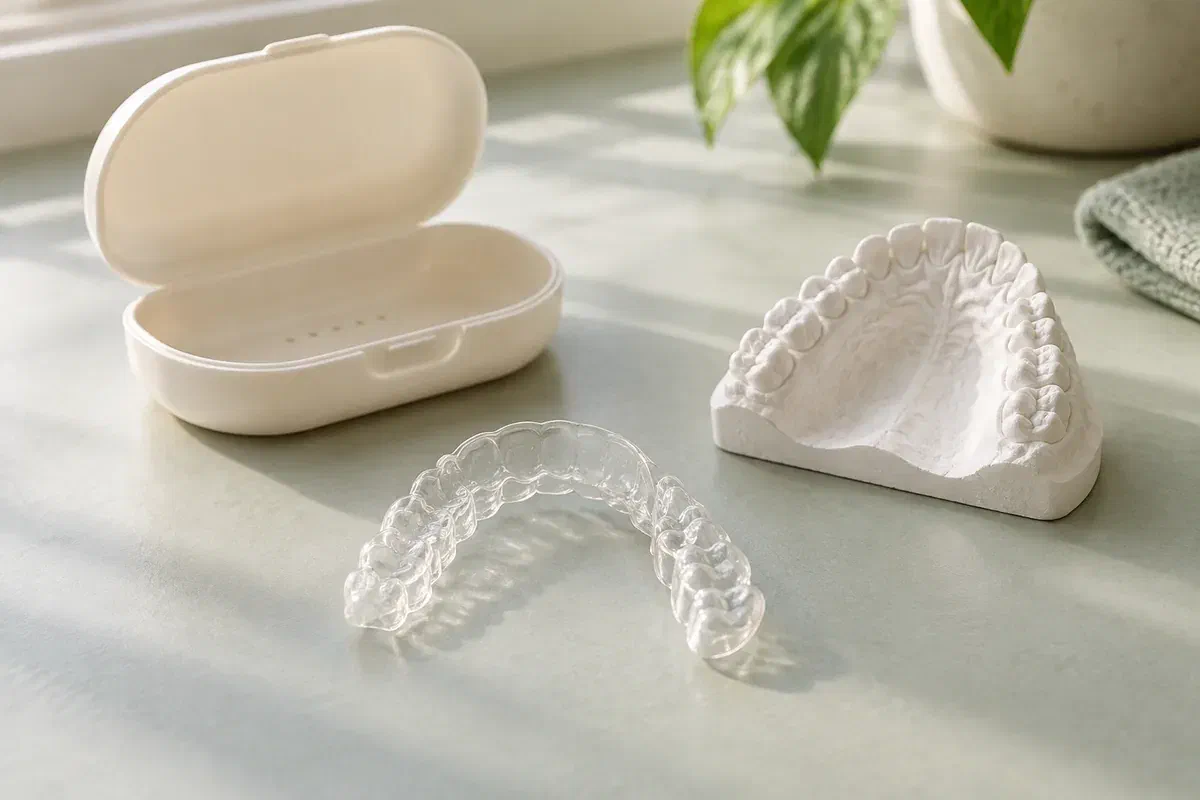
Illustrative clear upper retainer beside a protective case and dental cast
Where you are now

Lapsed, lost or tight after the break?

Let us know whether you still have the retainer, whether it's damaged, and how it feels when you try it. Mention a bonded wire if you have one and any dental treatment since it was made.

You can't find it after all this time

If it disappeared while it was out of use, call soon instead of saving the question for your next routine visit. Ask what information would help and how to protect your teeth until you're seen. Same-day replacement isn't something to count on.

It's been sitting damaged

A retainer stored loose in a drawer can crack or warp. Bring it in its case and point out anything you've noticed. Don't reshape it with hot water or patch it, since that can make it unsafe and complicate the assessment.

It's tight or won't seat

Tightness after a long break is common. Stop if it hurts and don't push it down. The clinician needs to see whether your teeth have moved, whether the appliance has changed, or both, before advising you.

If you have a wire bonded behind your front teeth, check whether it feels loose or rough and mention it. A fixed retainer that has come away needs separate attention, which a removable replacement can't provide.

Getting back on track

A fresh start, with no guesswork.

A review answers the questions you'd otherwise be guessing at: can you safely wear the old retainer, what should a new one hold, how many hours a day, and when should someone check it again. That replaces an anxious trial at home with a plan you understand.

It also helps to talk about why the routine faded. A retainer that felt bulky, a cleaning step that was a chore, or simply no reminders can all contribute. We can look at ways to make wear easier to keep up, while being clear that every appliance still needs regular use.

An honest check of the old appliance

The clinician can look at the retainer you stopped wearing and see how it fits your teeth now. If it still seats properly, you may be able to use it. If not, ask what a replacement would involve and whether new records are needed.

A decision about any movement

If something has shifted that you'd like changed, mention it before a retainer is agreed. Ask what an orthodontic opinion would add. You can then choose whether to hold the current position or explore correction.

A routine you'll actually keep

Ask for wear hours, cleaning steps and review timing that suit your days. If early starts, shift work or long workdays got in the way before, say so. Leave knowing who to call if the fit isn't right.

Planning the restart

From a forgotten retainer to a working routine

The number of visits depends on your retainer and what the exam shows. Ask about appointments, fees and fitting, and whether steps can be grouped to save trips into town.

  1. Bring the retainer and your best recollection

    Bring the appliance you stopped wearing, even if it no longer fits, and any treatment paperwork. If your orthodontic care was elsewhere, we can talk about records. Describe roughly when wear stopped and any changes you've noticed.

  2. Try it under supervision

    Rather than testing it alone at home, let the clinician check how the old retainer fits against your teeth and bite. Mention any loose bonded wire, new filling or soreness. That tells everyone whether a replacement is needed.

  3. Choose the next appliance if needed

    If replacement is the way forward, discuss the design and whether moulds or a scan will be taken. Records from years ago are unlikely to match a mouth that has shifted. Confirm the plan and what to do until fitting.

  4. Restart with practice and clear instructions

    At fitting, practise putting the retainer in and taking it out, and say if anything presses. Confirm your wear schedule, cleaning method and next check. Ask who to contact if it feels different once you're home.

Staying with it

Small cues keep a restarted routine going.

Use the instructions for your particular retainer. Materials vary, and the clinician overseeing your retention will set how long it should be worn.

Tie it to something you already do

Keep the case next to your toothbrush and put the retainer in as part of brushing at night. A reminder on your phone can help for the first few weeks. When it's out, it goes straight into the case.

Clean it so it stays pleasant to wear

A retainer that smells or looks cloudy is easy to avoid. Ask which cleaning method suits the material, keep it away from heat, and check before using any soak. Mention persistent film or odour at your next visit.

Check in early if the fit drifts

If you miss a few nights or it starts to feel different, call to ask how to restart rather than guessing. Bring the retainer to reviews. Tell us about upcoming dental work so fit can be checked afterward.

Patient information: British Orthodontic Society — continuing retention and appliance types

What restarting might look like

Old retainer, new retainer or new plan

Depending on the exam, you may be able to go back to your existing appliance, need a replacement, or want to discuss alignment. The recommendation should reflect your teeth today.

When the old one no longer fits but your alignment is acceptable

A replacement retainer

If replacing makes sense, ask which design is proposed, why, and what the fee covers. A clear or wire-and-acrylic retainer may be discussed. Its fit should be confirmed at the chair and reviewed afterward.

When it still fits and is in good condition

Continuing with the existing retainer

Sometimes the old appliance can be used again after a professional check, or after adjustment. Ask what's realistic for its material and condition. Plastic that has warped in storage usually can't be coaxed back, and if you've tried softening or trimming it, tell the clinician.

When you'd like the movement reversed

Considering correction first

If the break in wear allowed changes you don't want to keep, ask about an orthodontic assessment before anything new holds your teeth where they are. Discuss scope and referral. Retaining and correcting are different decisions.

Restarting questions

What to ask after a long break from your retainer

Answers depend on how long it's been, your original treatment and the condition of the appliance. Call with what you know.

(905) 876-4488
Is it safe to try my old retainer after a year without it?
Try it gently, if at all, and stop if it doesn’t seat or causes pain. It’s often better to have it checked first. Forcing it can be uncomfortable and may not do what you hope.
My old retainer fits, just tightly. Can I keep wearing it?
Some snugness may settle, but don’t assume so. Ask the clinician how to proceed and how many hours to wear it. If tightness persists or turns into pain, stop and book a check.
How long can you go without a retainer before teeth move?
It varies from person to person, and some movement can happen sooner than expected. That’s why long-term retention is often recommended. The clinician can look at your teeth and explain what they see.
Will I need to wear the retainer full time again for a while?
That depends on your situation and the clinician’s advice. Don’t set your own schedule. Ask for clear instructions at your visit, including when the hours might change.
What if my old retainer looks fine but smells or has white build-up?
Bring it in. Deposits and odour can sometimes be managed with better cleaning, but the clinician can check whether the material is still in good shape.
Can my retainer check be scheduled with my family's appointments?
Ask when you call. If several people from your household in Campbellville need care, we can discuss whether visits can be grouped on the same day, depending on what each person needs.
Retainer restarts for Campbellville

Out of the drawer and into a proper check

Get in touch with our Bronte Street practice if you've stopped wearing your retainer and aren't sure what comes next. Bring the appliance and any treatment notes, and we'll check fit, look at your alignment and plan a routine you can return to.

Whether the old retainer can be reused, plus any replacement design, records, fees, timing and orthodontic review, depends on assessment. Same-day supply isn't guaranteed.

Visit Milton Dental Clinic
Unit 1, 342 Bronte St. S, Milton, ON L9T 5B7
Get directions Clinic hours
Monday–Thursday
11am–7pm
Friday–Sunday
By appointment only

Areas we serve

  • Milton
  • Oakville
  • Mississauga
  • Georgetown
  • Halton Hills
  • Acton
  • Campbellville
  • Brampton
  • Burlington
  • Puslinch
  • Rockwood
  • Erin
  • Caledon
  • Etobicoke
  • Old Milton
  • Bronte Meadows
  • Timberlea
  • Dorset Park
  • Dempsey
  • Clarke
  • Beaty
  • Coates
  • Harrison
  • Scott
  • Willmott
  • Ford
  • Bowes
  • Cobden
  • Walker
  • Mountain View
  • Milton Heights
  • Hawthorne Village
  • Valley View
  • Fallingbrook
  • Nassagaweya
  • Trafalgar
  • Esquesing
  • Nelson
  • Brookville
  • Moffat
  • Glen Williams
  • Norval
  • Limehouse
  • Stewarttown
  • Ashgrove
  • Hornby
  • Silver Creek
  • Speyside
  • Scotch Block
  • North Oakville
  • River Oaks
  • Glen Abbey
  • West Oak Trails
  • Palermo
  • Bronte Creek
  • College Park
  • Joshua Creek
  • Uptown Core
  • Preserve
  • Iroquois Ridge
  • Lisgar
  • Meadowvale
  • Meadowvale Village
  • Churchill Meadows
  • Erin Mills
  • Central Erin Mills
  • Streetsville
  • East Credit
  • Creditview
  • Heartland
  • Sheridan
  • Mount Pleasant
  • Credit Valley
  • Huttonville
  • Churchville
  • Springbrook
  • Northwest Brampton
  • Bram West
  • Fletcher's Meadow
  • Fletcher's Creek South
  • Alton Village
  • Orchard
  • Millcroft
  • Headon Forest
  • Tansley
  • Brant Hills
  • Tyandaga
  • Kilbride
  • Lowville
  • Aberfoyle
  • Morriston
  • Arkell
  • Hillsburgh
  • Freelton
  • Carlisle
  • Waterdown
  • Flamborough
  • Mountsberg

How can we help?

Milton Dental Clinic

Have a question about your smile? Choose the option that works best for you.

For urgent dental concerns, please call.
Messages are reviewed during clinic hours.