

Illustrative patient and clinician discussing tooth contours using a dental model
Cosmetic Dentistry

Tooth Reshaping in Old Milton

Edges change over the years. A front tooth may wear unevenly, an old filling may leave a ridge, or a corner may simply look different than it once did. From Old Milton, arrange an assessment to learn whether gentle contouring suits the tooth or whether another approach fits better.

Old Milton · contour assessments

When a familiar smile starts to look a little uneven

A slightly jagged incisor, a canine that looks sharper than the rest, or an edge that has worn at an angle can make people wonder about reshaping. In enamel contouring, a clinician removes a measured amount of the outer surface to refine an outline or smooth a rough spot. Nothing is added, and the tooth stays where it is.

Enamel does not regenerate, so even a small trim deserves a careful decision. The tooth's health, the thickness of enamel left, and the way upper and lower teeth meet all shape what is reasonable. Teeth that have changed over decades may also have a cause worth investigating before anyone alters their shape.

Our Bronte Street practice sits a short way from Milton's historic downtown, so popping in for an initial conversation is straightforward. Tell us when you first noticed the edge, whether older dental work is nearby, and whether it bothers you by feel or by look. You will hear what a limited change could do and where it would stop.

Talk through an edge you've noticed
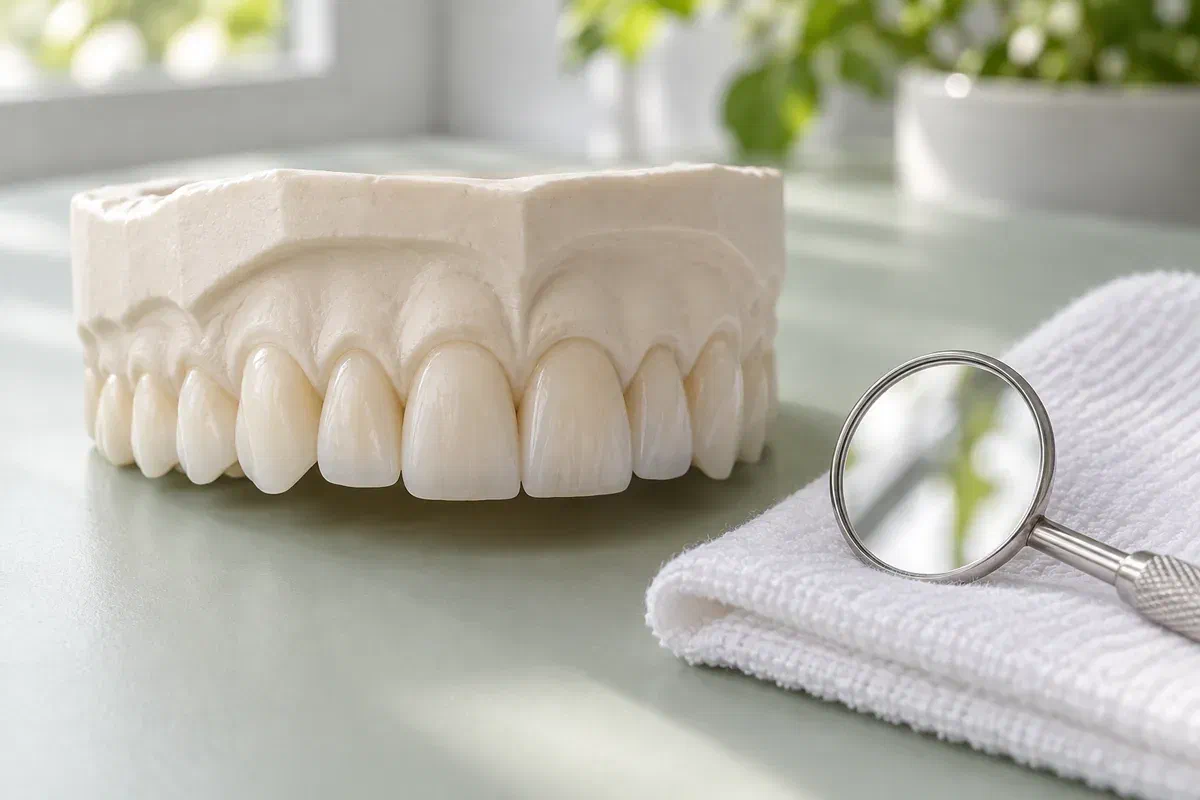
Illustrative dental teaching model with natural incisor edges beside a dental mirror
Reading the edge

How did the tooth come to look this way?

Teeth can look uneven because of how they formed, an injury, or gradual wear. Knowing which applies helps decide whether removing enamel is even on the table.

A natural point or flare you've lived with

Describe the feature and the change you would like while looking in a mirror together. Ask whether a conservative contour could get close to that goal, and what would stay the same. A healthy, long-standing variation is sometimes better left alone than trimmed further than you expected.

Roughness near an older filling or a fresh chip

Share any recent knock, hard food, or dental work involving that tooth. A ledge beside an ageing restoration or a newly broken corner may need repair rather than polishing. Anything that has just changed should be examined before it is treated as cosmetic.

Edges worn flat or tilted by years of contact

Let us know about grinding, clenching, tenderness, or a bite that feels unfamiliar. Wear and tooth position can both create a length difference. Shortening teeth to match a pattern that keeps changing tends to miss the reason behind it.

Avoid filing or sanding any tooth at home. Whether enamel removal is suitable, and how it would affect the tooth's strength and bite, can only be judged through a professional examination.

Why a measured approach helps

Small, specific, and well understood

If a minor concern and a suitable tooth line up, contouring may offer a change without placing a crown, veneer, or other covering. Ask whether that applies to you, and how it stacks up against adding material or doing nothing. Even a conservative plan should explain exactly what is being taken off.

The visit also untangles shape from position. A tooth can appear long because it has drifted, and a lost corner may be better rebuilt than evened out. Seeing that difference early helps you avoid pursuing an appearance goal through a change that cannot provide it.

One defined area with a firm limit

Have the clinician show you which part of the tooth is involved and how far the change would go. Ask whether the plan is to smooth, round, or reshape. A clear, shared purpose is far more useful than a loose aim of making the front teeth match.

Side-by-side with adding or moving

Compare contouring with bonding or an orthodontic opinion for the same concern. Discuss upkeep, the number of visits, preparation, and the likely final outline. The smallest-sounding treatment is not automatically the most suitable one for your tooth.

Time to weigh a permanent step

You can listen, take the explanation home, and decide later, or decide against elective work altogether. Mention worries about shortening, keeping natural character, or later wear beforehand. Agreement should cover the actual change proposed rather than a general sense that minor work is all alike.

What the appointments involve

Four steps, each with a chance to ask questions

How long things take depends on the tooth and any other treatment involved. Ask what a given visit includes and whether you can decide about contouring on another day.

  1. Describe the edge and how it changed

    Point out the area and say what you would like different. Go over earlier fillings, crowns, orthodontics, sensitivity, and any injury or wear. The clinician needs to know whether the edge is natural enamel, older dental work, or newly damaged.

  2. Assess the tooth and lay out alternatives

    The exam reviews the tooth's condition and its place in your bite, and further assessment is arranged if needed. Ask whether removing enamel is a good fit, which risks apply to you, and whether a repair or simply watching the area would meet your goal better.

  3. Settle the plan before any change

    Confirm which tooth and which part of its outline will be adjusted, and what result is intended. Ask about comfort, and mention it if dental visits make you uneasy. Work should stay within the agreed plan, and anything extra needs a fresh conversation.

  4. Finish, check, and confirm follow-up

    After the planned contour, the surface is polished and the result reviewed with you. Take a look and say if anything feels unexpected. Make sure you know the aftercare advice and when to call about sensitivity or a bite that no longer feels right.

Looking after a contoured tooth

Normal habits, with an eye on anything unusual

Follow the advice for the specific treatment you received, especially if bonding or other work happened at the same visit. Aftercare differs between cosmetic procedures.

Know your cleaning routine and warning signs

Ask how to care for the treated surface and what feelings should prompt a call. Keep to the home routine recommended for your teeth. If a desensitizing toothpaste is advised, confirm how to use it and when to check in.

Speak up about snagging or a different bite

Contact the team if the edge still catches, your teeth come together differently, or soreness continues. Note what you feel when eating and speaking. A review beats trying an abrasive product or requesting more removal without another look.

Ask why if the edge changes again

If fresh wear or a new chip appears, ask what might be driving it. Talk about habits or a protective appliance if they relate to what was found. Repeated smoothing should not stand in for understanding a problem that keeps recurring.

Comparing the routes

Trim it, build it, or reposition it?

Each choice targets a different part of the concern. Weigh the tooth's condition, the preparation each involves, and long-term care rather than judging by appearance alone.

When a minor feature is suitable for reduction

Limited enamel contouring

Contouring may be considered for a suitable tip or edge after an examination. Ask how much of your goal fits inside a conservative limit. The change should be in proportion to the concern, with a clear understanding that removed enamel cannot be put back.

When the tooth needs material added rather than removed

Bonding or another restoration

Tooth-coloured material may suit a tooth that needs building up rather than shortening. Ask how it is cared for and whether it creates future maintenance. Older fillings and crowns are judged on their own terms, apart from natural enamel.

When position or your own preference leads the choice

An alignment opinion, or no treatment

If the uneven look comes from where a tooth sits, ask whether orthodontic advice would help. Choosing to keep a healthy natural shape is equally valid. Understand both paths before using reshaping as a quick substitute for a change in position.

Patient information: British Orthodontic Society — comparing alignment and restorative changes

Old Milton questions

Before you decide on contouring

Here are questions people often raise about worn edges, older dental work, and the limits of reshaping. Add your own, including what happens if you keep the tooth unchanged.

(905) 876-4488
My front teeth have worn unevenly over the years. Is reshaping the answer?
Not always. Wear often has a cause, such as grinding or the way teeth meet, and that cause needs looking at first. Contouring may tidy a small irregularity, but it removes more tooth from teeth that have already lost some. Ask about the reason and the full range of options.
Can an edge next to an older filling be smoothed?
Sometimes the filling itself is the rough part, and it may be polished, adjusted, or replaced instead. Tell the clinician what work the tooth has had. The plan depends on whether the uneven surface is enamel, restorative material, or the junction between them.
Does contouring make a tooth weaker?
Removing enamel takes away part of the tooth’s protective layer, which is why the amount is kept limited and depends on how much enamel is present. Ask how the proposed change relates to the tooth’s remaining structure and whether any risk applies in your situation.
Could reshaping change the way I bite?
It can affect how teeth contact, which is why the bite is checked during planning and again afterward. Mention any existing jaw discomfort or a bite that already feels uneven. Those details help the clinician decide whether an adjustment is sensible.
Is it possible to undo contouring if I don't like the result?
The enamel itself cannot be replaced. If you later want a fuller shape, that would usually involve adding material such as bonding. This is why it helps to see the proposed area clearly and take your time before agreeing.
I'm in the downtown area. Can I drop in to show you the tooth before booking treatment?
Please call first so we can arrange a proper assessment time. That visit can be kept separate from any treatment, giving you room to think about what you hear before deciding whether to go ahead.

Patient information: British Orthodontic Society — interproximal reduction as a planned orthodontic procedure

Contour questions from Old Milton

An honest look at one tooth, with no pressure to change it

Arrange an appointment at our Bronte Street practice about an uneven edge, worn corner, or shape concern near older dental work. We will explain the examination and help you weigh a modest adjustment against other suitable paths.

Contouring is a permanent change offered only after assessment. Scope, visit length, comfort measures, and fees are discussed person to person.

Visit Milton Dental Clinic
Unit 1, 342 Bronte St. S, Milton, ON L9T 5B7
Get directions Clinic hours
Monday–Thursday
11am–7pm
Friday–Sunday
By appointment only

Areas we serve

  • Milton
  • Oakville
  • Mississauga
  • Georgetown
  • Halton Hills
  • Acton
  • Campbellville
  • Brampton
  • Burlington
  • Puslinch
  • Rockwood
  • Erin
  • Caledon
  • Etobicoke
  • Old Milton
  • Bronte Meadows
  • Timberlea
  • Dorset Park
  • Dempsey
  • Clarke
  • Beaty
  • Coates
  • Harrison
  • Scott
  • Willmott
  • Ford
  • Bowes
  • Cobden
  • Walker
  • Mountain View
  • Milton Heights
  • Hawthorne Village
  • Valley View
  • Fallingbrook
  • Nassagaweya
  • Trafalgar
  • Esquesing
  • Nelson
  • Brookville
  • Moffat
  • Glen Williams
  • Norval
  • Limehouse
  • Stewarttown
  • Ashgrove
  • Hornby
  • Silver Creek
  • Speyside
  • Scotch Block
  • North Oakville
  • River Oaks
  • Glen Abbey
  • West Oak Trails
  • Palermo
  • Bronte Creek
  • College Park
  • Joshua Creek
  • Uptown Core
  • Preserve
  • Iroquois Ridge
  • Lisgar
  • Meadowvale
  • Meadowvale Village
  • Churchill Meadows
  • Erin Mills
  • Central Erin Mills
  • Streetsville
  • East Credit
  • Creditview
  • Heartland
  • Sheridan
  • Mount Pleasant
  • Credit Valley
  • Huttonville
  • Churchville
  • Springbrook
  • Northwest Brampton
  • Bram West
  • Fletcher's Meadow
  • Fletcher's Creek South
  • Alton Village
  • Orchard
  • Millcroft
  • Headon Forest
  • Tansley
  • Brant Hills
  • Tyandaga
  • Kilbride
  • Lowville
  • Aberfoyle
  • Morriston
  • Arkell
  • Hillsburgh
  • Freelton
  • Carlisle
  • Waterdown
  • Flamborough
  • Mountsberg

How can we help?

Milton Dental Clinic

Have a question about your smile? Choose the option that works best for you.

For urgent dental concerns, please call.
Messages are reviewed during clinic hours.