

Illustrative patient and clinician discussing tooth contours using a dental model
Cosmetic Dentistry

Tooth Reshaping in Rockwood

Reshaping is often described as a quick cosmetic fix, but its real strength is in a narrow set of small concerns. From Rockwood, an assessment can show where your concern falls: inside what limited enamel contouring can do, or outside it, where bonding, alignment or no treatment may serve you better.

Rockwood · knowing the limits

What reshaping can do, and what it can't

Online before-and-after photos can make contouring look like it changes everything. In practice it is a modest procedure. A small amount of enamel is removed to soften a point, smooth a rough edge, or refine a slightly irregular outline. It cannot lengthen a short tooth, close a gap, change colour, or straighten a crooked one.

Within those limits, the decision still deserves care. Enamel removed during contouring is gone for good, and how much can be taken depends on the tooth's health, its enamel thickness, and how it meets the teeth opposite. A clinician will often explain that part of a request falls outside what reshaping can safely deliver.

For people travelling in from Rockwood, it helps to arrive with a clear picture of what you hope to change. A photo or a description of the exact feature lets the assessment focus on whether contouring fits. We will explain what a limited change could reasonably achieve, and point you toward other options where it can't.

Find out if contouring fits your concern
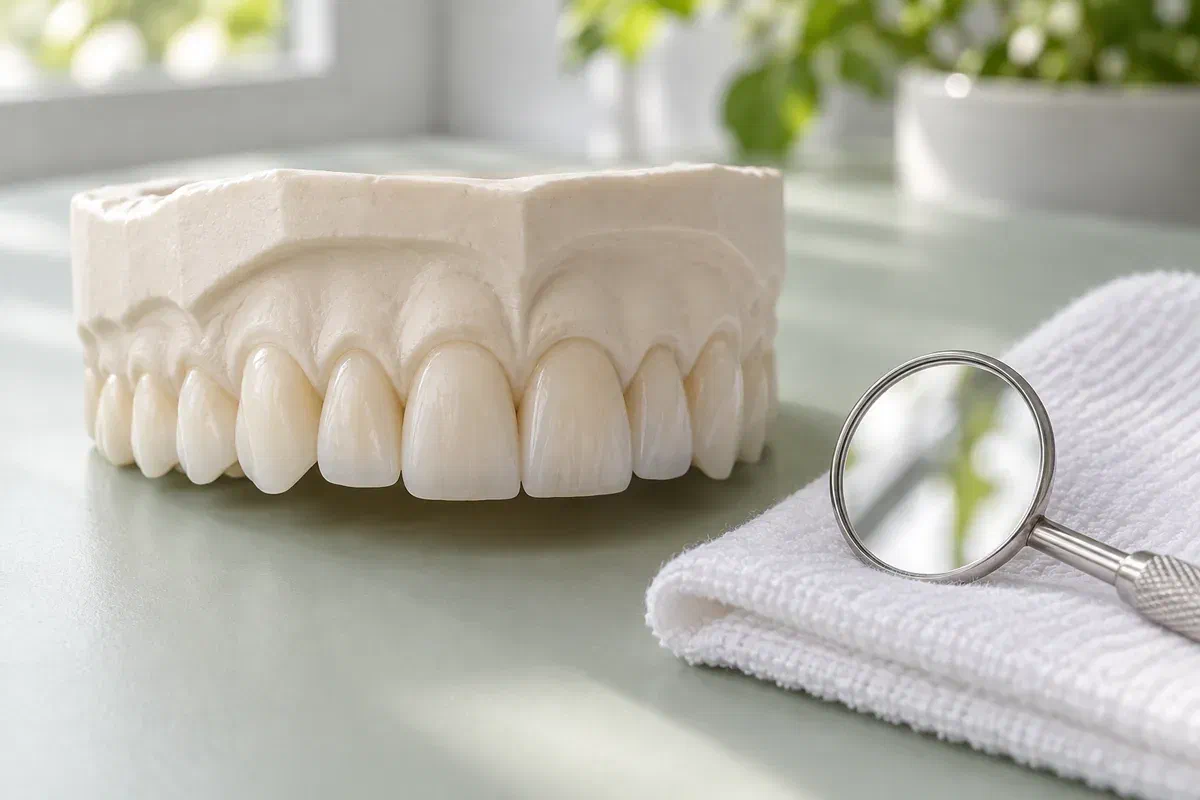
Illustrative dental teaching model with natural incisor edges beside a dental mirror
Inside or outside the limits?

Small outline concerns versus everything else

Contouring suits a fairly specific set of concerns. Sorting out what you are actually noticing, and why it looks that way, helps decide whether it belongs on the list of options.

A point, flare, or slight irregularity

These small outline features are where contouring is most often discussed. Show the area and describe the change you imagine. Ask how close a conservative adjustment would get, and whether the amount of enamel involved would make it worthwhile.

A chip or newly rough edge

A recent break may be within reach of gentle smoothing, or it may need material added back. Mention any knock, hard bite, or dental work. Anything new should be examined before being treated as a cosmetic concern.

Length differences from wear or position

If one tooth looks shorter, contouring the longer ones is not always the answer. Share any grinding, clenching, or bite changes. The reason for the difference often points to a different kind of care.

Avoid any home filing or sanding to test what a change might look like. An examination is needed to judge whether taking off enamel makes sense for this tooth and what it would mean for its health and your bite.

What an honest assessment gives you

Realistic expectations from the start

When the concern is small and the tooth is suitable, contouring may refine an outline while sparing it any covering restoration. That is a genuine advantage in the right case. Ask whether your tooth qualifies, how much enamel would be involved, and how the result might compare with bonding or with leaving the feature.

Just as importantly, an assessment tells you when the concern sits outside what contouring can achieve. A short tooth, a gap, a dark tooth, or a crooked one each calls for a different approach. Knowing that early saves you from removing healthy enamel in pursuit of a change it was never going to deliver.

A clear statement of what would change

Ask the clinician to describe precisely which part of the tooth would be adjusted, how far, and what would stay the same. Clarify whether the aim is smoothing, softening a point, or refining an outline. Specific goals lead to realistic outcomes.

Alternatives for what contouring can't do

If part of your concern involves length, gaps, colour, or position, discuss bonding, whitening, or orthodontic advice. Compare maintenance, visits, and preparation. A combined plan may suit some situations better than one procedure.

No obligation to change anything

You can listen, take time, and decide later, or decide not to proceed. Raise worries about shortening or losing natural character before any treatment. Consent should reflect the specific change described rather than expectations shaped by photos.

The planning path

Define the goal, check the tooth, agree, and review.

Visit length varies with the tooth and any other care. Ask what an assessment includes and whether you can decide on contouring at a separate visit.

  1. Describe the change you're hoping for

    Point to the feature and explain the outcome you picture, including any photo that inspired it. Mention past fillings, braces, sensitivity, injuries, and wear. Whether the area is natural enamel, a restoration, or freshly damaged affects what is possible.

  2. Assess the tooth and sort the request

    Next comes a check of the tooth's health and its role in your bite, with further assessment arranged where needed. Ask which parts of your goal contouring could address, which it couldn't, and what alternatives or monitoring would cover the rest.

  3. Confirm the adjustment before starting

    Agree on the tooth, the area, and what the finished edge should look like. Ask about comfort measures and say if you feel uneasy. The work should stay within the agreed limits, and any further change needs separate discussion.

  4. Finish and compare with the plan

    Once the agreed contour is done, you'll be shown the finished, polished surface. Check it against what was discussed and raise anything unexpected. Confirm aftercare and what signs, such as sensitivity or an unfamiliar bite, warrant a call.

After contouring

Ordinary routines, with a few things to watch

Follow the advice for the treatment actually performed, particularly where bonding or whitening happened alongside it. Each cosmetic procedure can carry its own aftercare.

Confirm cleaning and comfort guidance

Find out how to look after the contoured area and which feelings should prompt a call. Your usual brushing and flossing generally carry on. Where a toothpaste for sensitive teeth is suggested, clarify how to use it, for how long, and when to let the clinic know how things are going.

Report anything that feels off

Contact the team if an edge still catches, your bite feels different, or discomfort lingers. Describe what you notice while eating and talking. A review is far better than an abrasive product or a request for more removal without reassessment.

Keep expectations steady over time

If the edge starts to look different again, it is worth asking why. Habits, wear, or the need for a protective appliance may come up in that conversation. Repeated contouring should not become a way of chasing a changing outline.

When contouring isn't the whole answer

Match each concern to the method that suits it.

Ask which part of your concern each option addresses. Compare tooth condition, preparation, and future care, and remember that some goals may need more than one approach.

When a minor point or edge is suitable to reduce

Enamel contouring for small outline changes

Contouring may be offered for a suitable feature after an exam. Ask how much of your goal a conservative reduction would actually meet. Keep the change in proportion, since removed enamel is a permanent loss.

When a tooth needs material added

Bonding for length, gaps, or missing corners

Tooth-coloured material can add what contouring cannot. Check what upkeep it needs and what it commits you to in the long run. Existing restorations are assessed separately from natural enamel.

When position or personal preference leads

Orthodontic advice, or leaving things natural

If a tooth looks uneven because of where it sits, ask whether alignment advice is appropriate. Keeping a healthy natural shape is equally valid. Weigh both before expecting contouring to stand in for repositioning.

Patient information: British Orthodontic Society — comparing alignment and restorative changes

Rockwood questions about limits

Can reshaping do that?

These answers cover what contouring can and cannot change. Bring your own questions as well, including how things would look if you left the tooth exactly as it is.

(905) 876-4488
Can contouring close a small gap between front teeth?
No. Removing enamel cannot close a space. Gaps are usually discussed in terms of bonding, other restorations, or orthodontic treatment. Ask which suits your situation, and whether softening a nearby edge would make any difference to how the gap looks.
Will reshaping make a crooked tooth look straight?
Contouring may soften a corner that makes a slightly rotated tooth more noticeable, but it does not move the tooth. For a meaningful change in position, orthodontic advice is usually the route to discuss.
Does tooth reshaping change the colour of a tooth?
No. Contouring affects outline, not shade. If colour bothers you, mention it so whitening or other options can be considered separately. When shape and shade both matter, ask how the steps would be ordered, since some treatments are easier to plan in a particular sequence.
Can a tooth be contoured more than once?
Each adjustment removes more enamel, so repeated contouring needs careful thought. Ask how much enamel remains and whether a different option would be wiser before agreeing to any further change.
Are before-and-after photos online a good guide to what I'll get?
They show other people’s teeth, not yours. Your result depends on your tooth’s shape, enamel, and bite. Ask the clinician to describe what is realistic for your specific feature.
Is one assessment visit from Rockwood usually enough to know my options?
Often an assessment can clarify whether contouring fits and what alternatives exist. In some cases further assessment is needed. Ask when booking what the first visit will cover, so you can plan the day and bring anything useful, such as records of earlier dental work.

Patient information: British Orthodontic Society — interproximal reduction as a planned orthodontic procedure

From Rockwood, with a clear goal

Bring the photo, and we'll tell you what's realistic.

Book time with our Bronte Street team to discuss a point, edge, or outline you'd like changed. We will describe the assessment and explain where a limited contour fits, and where bonding, alignment advice, or no treatment would serve better.

Contouring removes enamel permanently and is suitable only after assessment. Scope, comfort measures, appointment time, and fees are discussed individually.

Visit Milton Dental Clinic
Unit 1, 342 Bronte St. S, Milton, ON L9T 5B7
Get directions Clinic hours
Monday–Thursday
11am–7pm
Friday–Sunday
By appointment only

Areas we serve

  • Milton
  • Oakville
  • Mississauga
  • Georgetown
  • Halton Hills
  • Acton
  • Campbellville
  • Brampton
  • Burlington
  • Puslinch
  • Rockwood
  • Erin
  • Caledon
  • Etobicoke
  • Old Milton
  • Bronte Meadows
  • Timberlea
  • Dorset Park
  • Dempsey
  • Clarke
  • Beaty
  • Coates
  • Harrison
  • Scott
  • Willmott
  • Ford
  • Bowes
  • Cobden
  • Walker
  • Mountain View
  • Milton Heights
  • Hawthorne Village
  • Valley View
  • Fallingbrook
  • Nassagaweya
  • Trafalgar
  • Esquesing
  • Nelson
  • Brookville
  • Moffat
  • Glen Williams
  • Norval
  • Limehouse
  • Stewarttown
  • Ashgrove
  • Hornby
  • Silver Creek
  • Speyside
  • Scotch Block
  • North Oakville
  • River Oaks
  • Glen Abbey
  • West Oak Trails
  • Palermo
  • Bronte Creek
  • College Park
  • Joshua Creek
  • Uptown Core
  • Preserve
  • Iroquois Ridge
  • Lisgar
  • Meadowvale
  • Meadowvale Village
  • Churchill Meadows
  • Erin Mills
  • Central Erin Mills
  • Streetsville
  • East Credit
  • Creditview
  • Heartland
  • Sheridan
  • Mount Pleasant
  • Credit Valley
  • Huttonville
  • Churchville
  • Springbrook
  • Northwest Brampton
  • Bram West
  • Fletcher's Meadow
  • Fletcher's Creek South
  • Alton Village
  • Orchard
  • Millcroft
  • Headon Forest
  • Tansley
  • Brant Hills
  • Tyandaga
  • Kilbride
  • Lowville
  • Aberfoyle
  • Morriston
  • Arkell
  • Hillsburgh
  • Freelton
  • Carlisle
  • Waterdown
  • Flamborough
  • Mountsberg

How can we help?

Milton Dental Clinic

Have a question about your smile? Choose the option that works best for you.

For urgent dental concerns, please call.
Messages are reviewed during clinic hours.